The month of February concluded with the region experiencing the wrath of a severe weather event, specifically a bomb cyclone blizzard, which brought significant snowfall and challenging conditions not only to Northern New Jersey but also blanketed the entire northeastern United States.
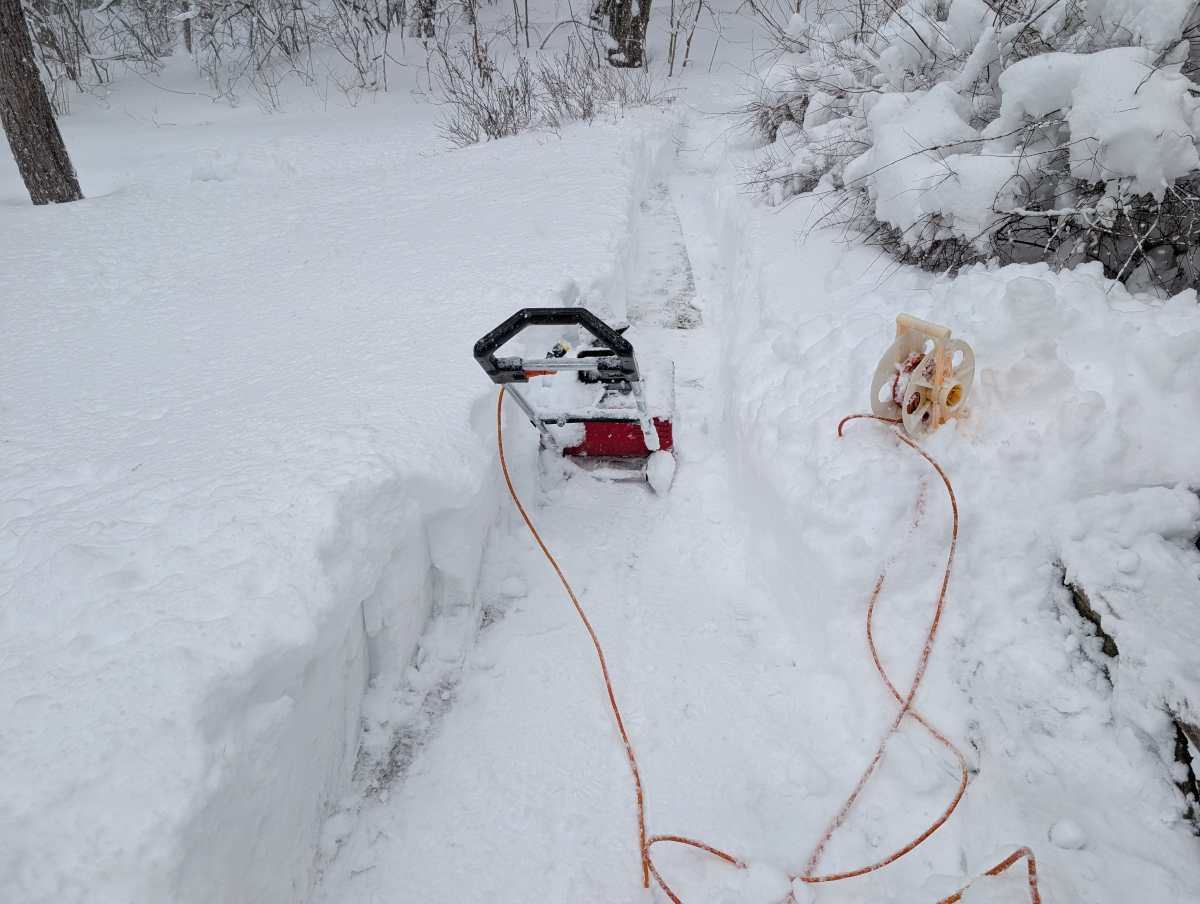
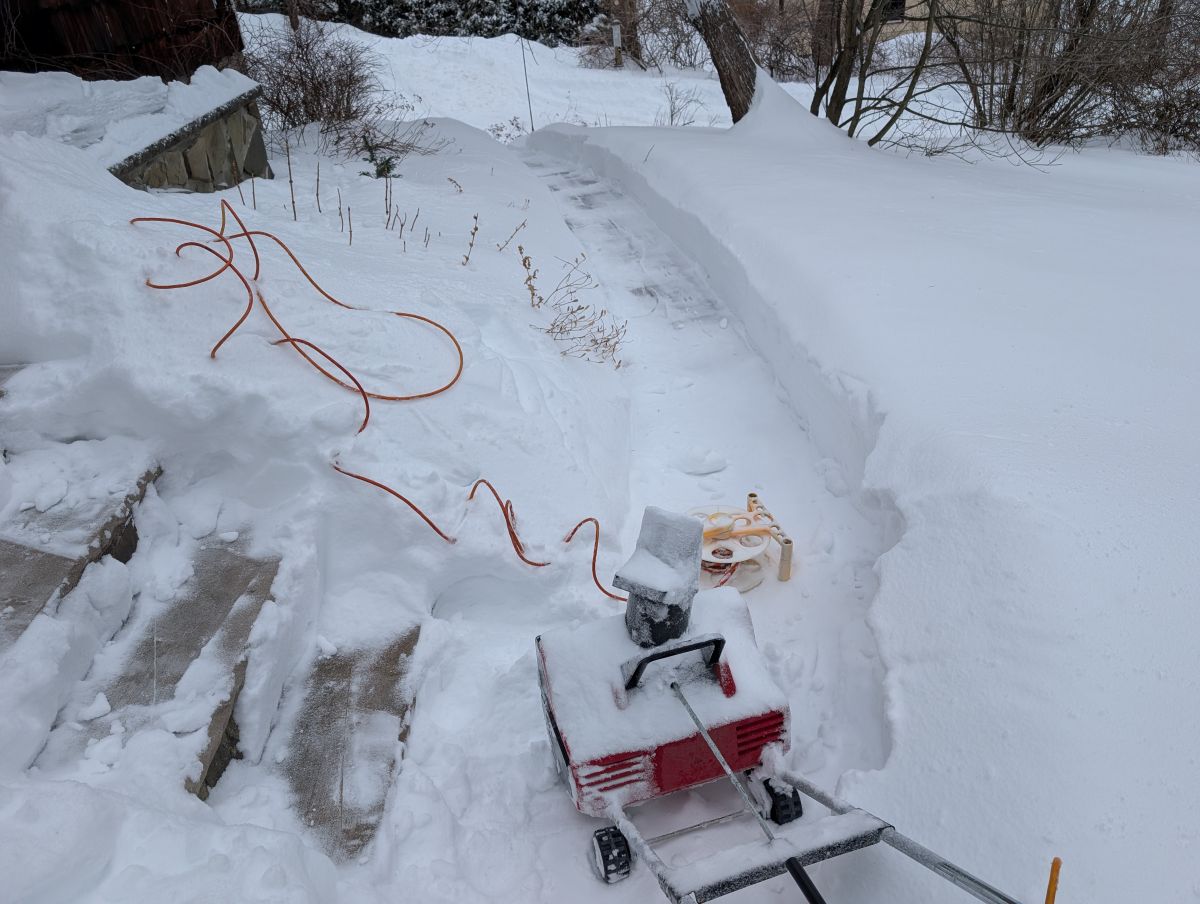
The task of clearing the snow after the recent snowfall was made more manageable thanks to a combined effort, utilizing a variety of tools including snow shovels and an electric snowblower. Fortunately, the milder temperatures that followed the storm also greatly contributed to the ease of the cleanup process, making it less arduous than it might otherwise have been. In stark contrast, the previous snowstorm had brought with it an atmosphere of arctic cold, with the mercury plummeting to single digits and teens, and the wind chill factors intensifying the harsh conditions to levels reaching twenty degrees below zero, making outdoor work extremely challenging during that period.
In our ongoing commitment to supporting the local wildlife, particularly during these challenging winter months, we made sure that our bird feeders were consistently replenished with a variety of suet and various types of seeds to cater to the diverse tastes and needs of our feathered friends in the neighborhood.
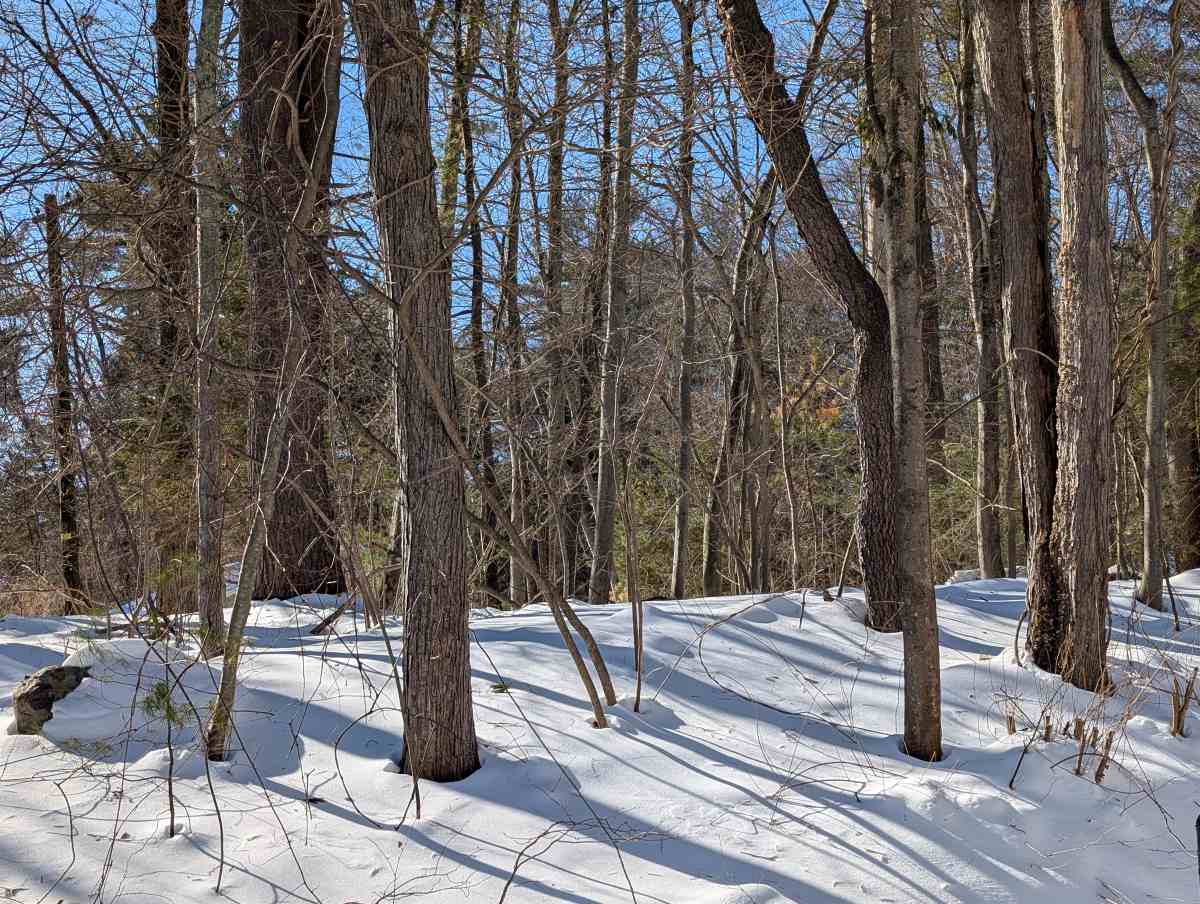
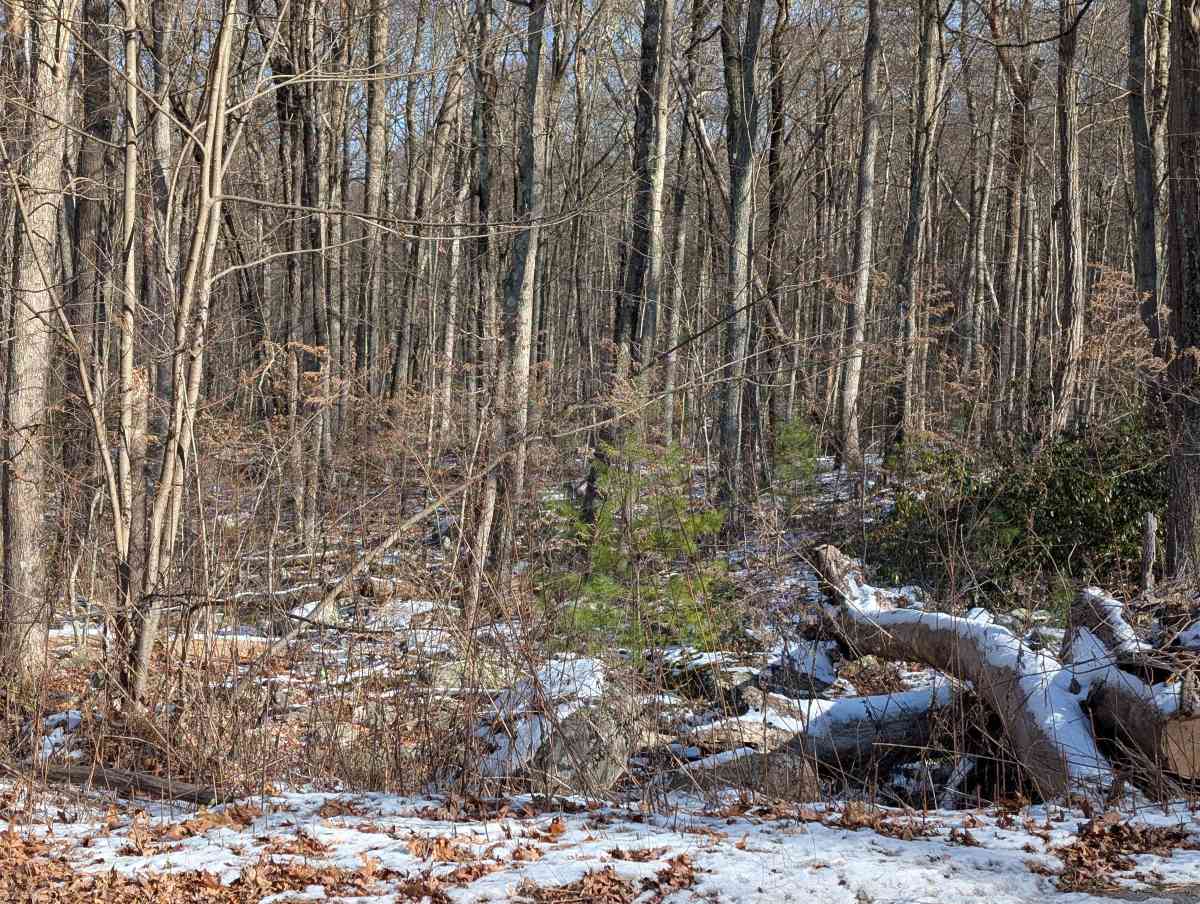
Snow cover along Bearfort Mountain in West Milford, NJ
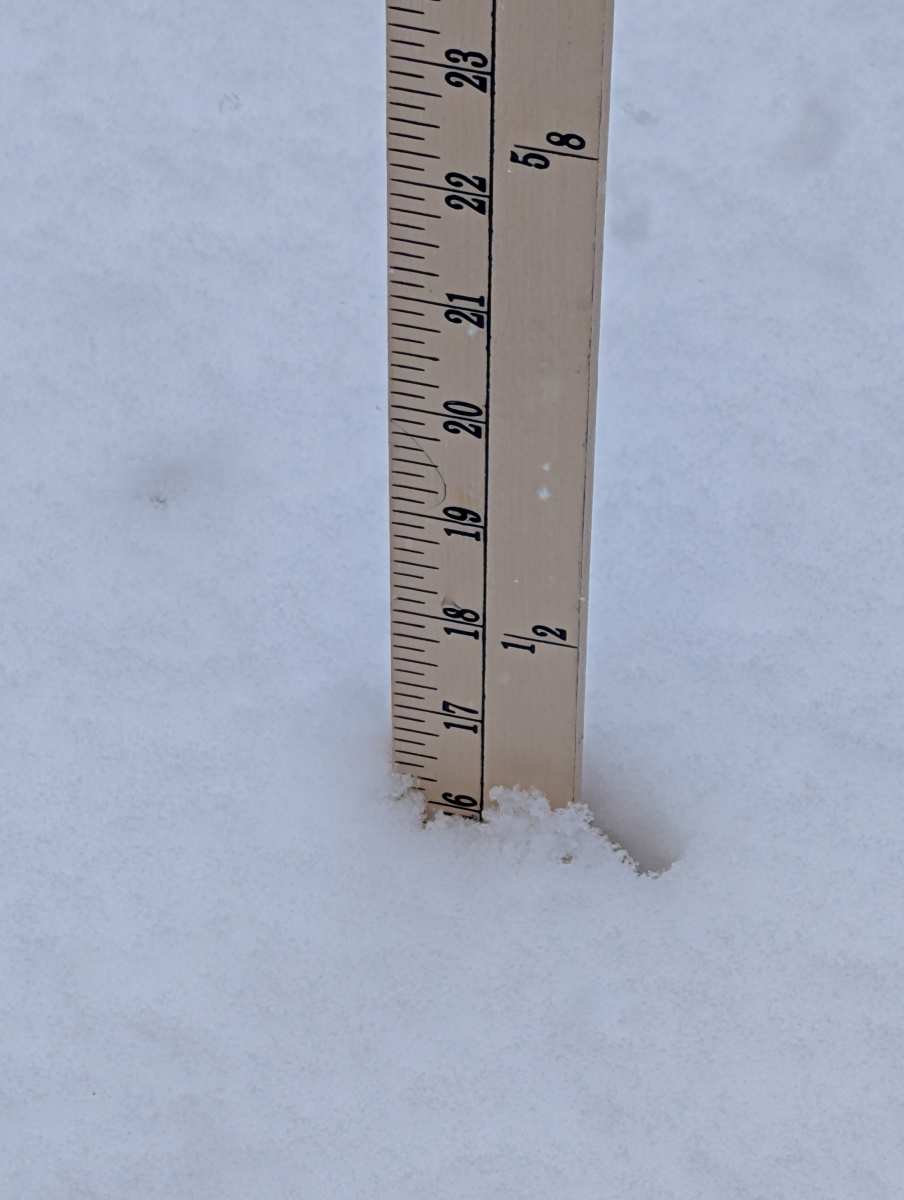
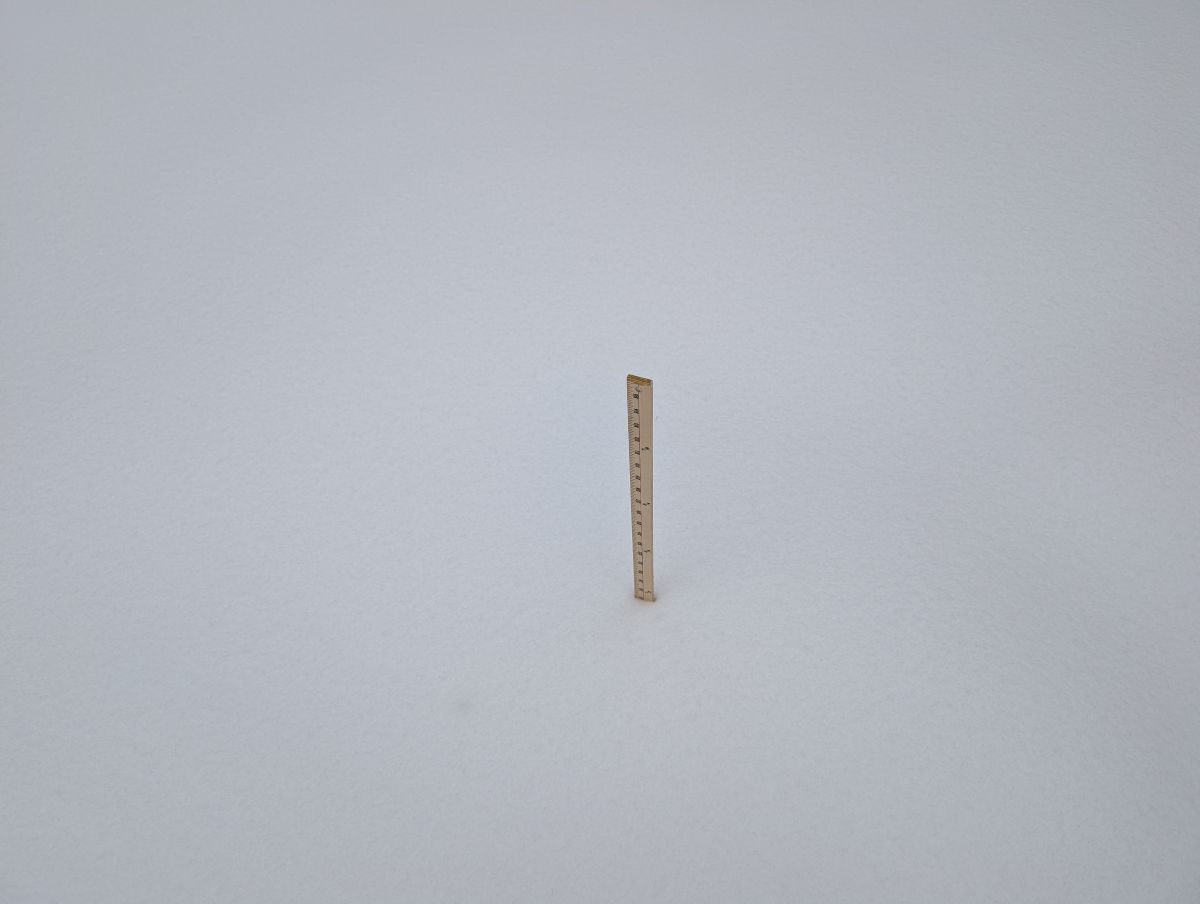
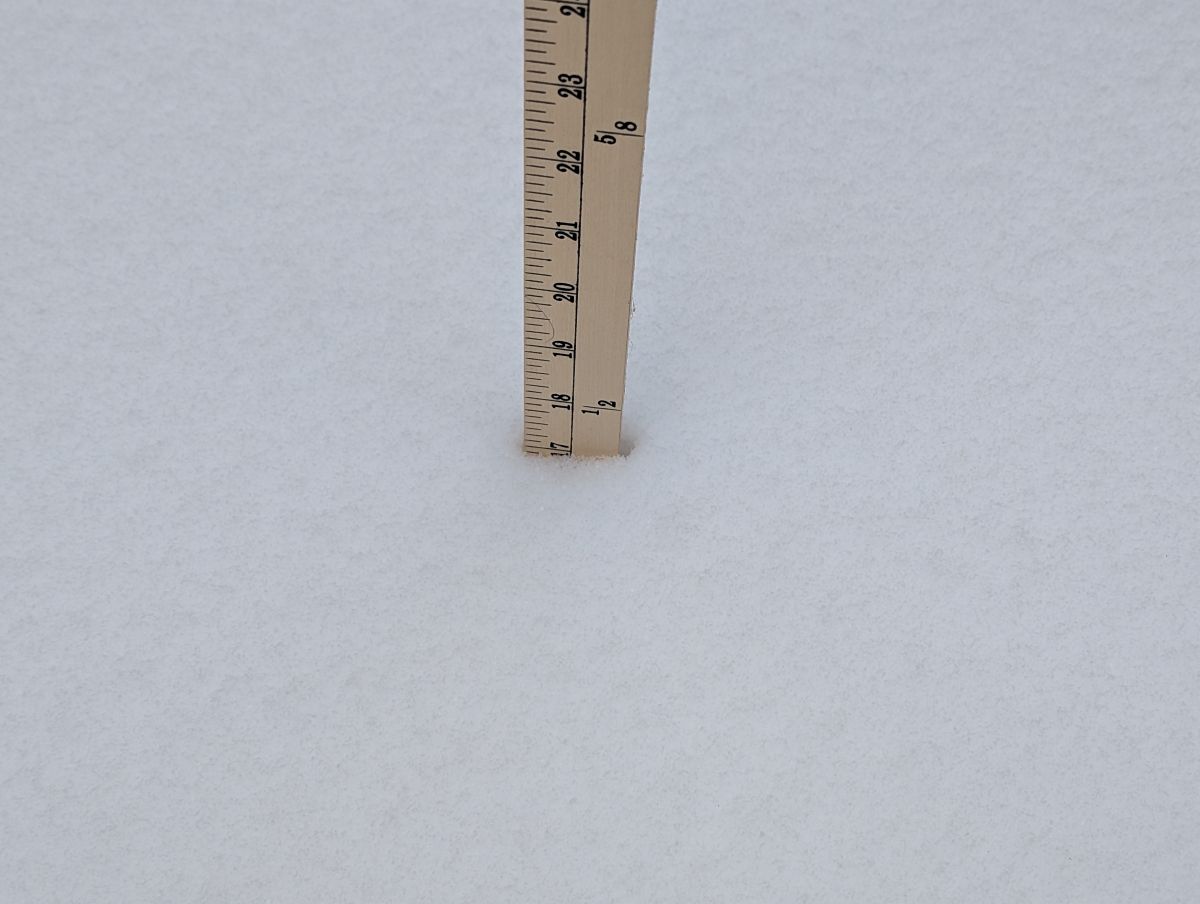
January 2026 came to a close with a significant winter event, a powerful snowstorm that resulted in accumulations of up to seventeen inches across northern New Jersey. The arrival of February brought with it a sharp change in the weather, as the region experienced a surge of exceptionally cold temperatures and strong, biting winds that characterized the month so far.
As we move into the second week of February 2026, many of us are eagerly anticipating a respite from the relentless winter chill that has plagued our region, even causing some to experience the inconvenience of frozen water pipes. The latest weather forecasts offer a glimmer of hope, predicting a shift towards warmer, more seasonally appropriate temperatures. Although the past few weeks have been characterized by bitterly cold conditions, there have been occasional bright spots, with sunny days managing to provide a degree of comfort and make the harsh conditions just slightly more bearable.
With the persistent blanket of snow and the unrelenting frigid temperatures continuing to impact our region, we’ve observed increased stress levels within our local bird population. To mitigate these challenges and ensure our feathered friends have access to necessary sustenance, we are now replenishing our bird feeders on a daily basis to provide them with a reliable food source during these difficult winter conditions.
Winter Gear
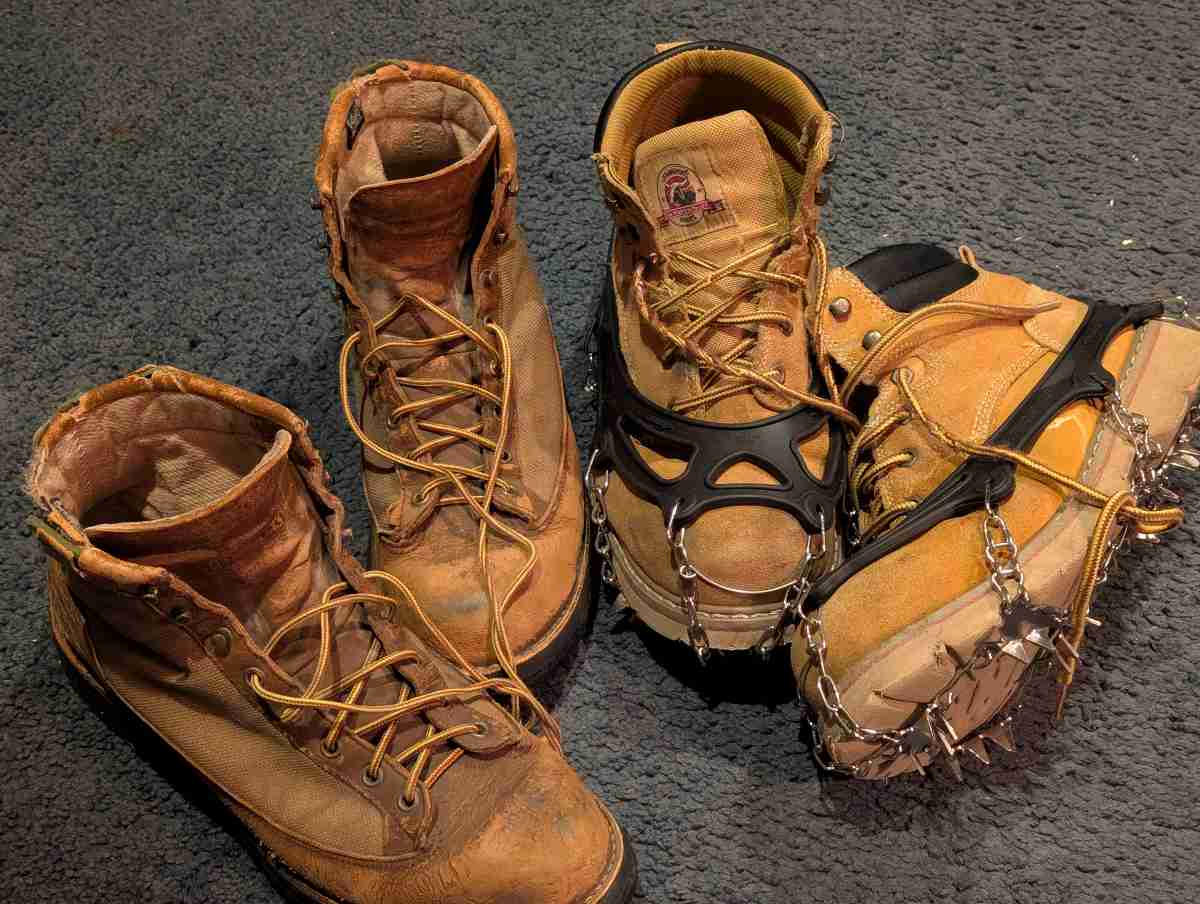
Crampons added to work boots are a game-changer
Instead of relying solely on expensive winter hiking boots, I’ve discovered that attaching crampons to my sturdy work boots has been an absolute game-changer when navigating icy patches. After experiencing numerous slips and falls on ice during the previous winter, I recognized the urgent need for a reliable solution to improve safety while simply walking on my own driveway. After some research, I found that crampons offered an incredibly cost-effective and practical way to significantly enhance the traction of even my most basic, inexpensive work boots, making them much safer to wear in icy conditions.
Winter Storm Fern has come and gone leaving behind seventeen inches of snow in lower West Milford N.J.. I got my SUV out of the driveway and took a victory lap around town only to find all the streets showing blacktop
10:37 am Monday 1/26/2026
The snow is falling again this morning, though thankfully, it appears to be a relatively light snowfall, and so far, it hasn’t caused any significant disruptions to our daily routines. While our driveway thankfully received a thorough plowing earlier, the cars are still partially buried, and the sidewalks and walkways around the house are in dire need of clearing. I am currently putting on my brave face and attempting to summon the motivation to head outside and tackle the snowy mess that awaits.
9:26 pm Monday 1/26/2026
While the heavy snowfall of the recent winter storm seems to have finally abated, and thankfully, the local roads within our neighborhood are now passable, the situation on the county road leading out remains quite different. Specifically, the county road still bears a thick blanket of snow, with just a faint track suggesting where vehicles have managed to squeeze through. As a result of the persistent snow, our vehicles are currently entombed, and we anticipate a considerable effort will be required to excavate them. It’s worth noting, despite the general improvement, our driveway, unfortunately, has yet to receive any plowing services.
11:55 pm Sunday 1/25/2026
After what felt like an eternity of unrelenting snowfall, it appears the blizzard has finally subsided, offering a fragile sense of calm to our snow-laden surroundings. While there’s still a noticeable amount of wind-driven snow creating localized drifts, the most prominent activity outside my window is the steady, tireless work of plow trucks, the only vehicles venturing out amidst the remaining wintery conditions. Beyond the essential efforts to clear the roads, an unusual quiet has settled, a stark contrast to the chaos of the storm’s peak, allowing for a moment to appreciate the momentary peace.
updated: 835 PM EST Sun Jan 25 2026
…WINTER STORM WARNING REMAINS IN EFFECT UNTIL 1 PM EST MONDAY…
TONIGHT
Snow early this evening, then a chance of freezing rain and snow after midnight. Total snow accumulation of 12 to 16 inches. Additional ice accumulation around a trace. Lows around 13. Northeast winds 10 to 15 mph with gusts up to 25 mph. Chance of precipitation near 100 percent. Wind chill values as low as 3 below.
MONDAY
Mostly cloudy with a chance of light snow in the morning, then partly sunny in the afternoon. Highs in the mid 20s. Northwest winds 5 to 10 mph with gusts up to 25 mph. Chance of snow 40 percent.
7:47 pm Sunday 1/25/2026
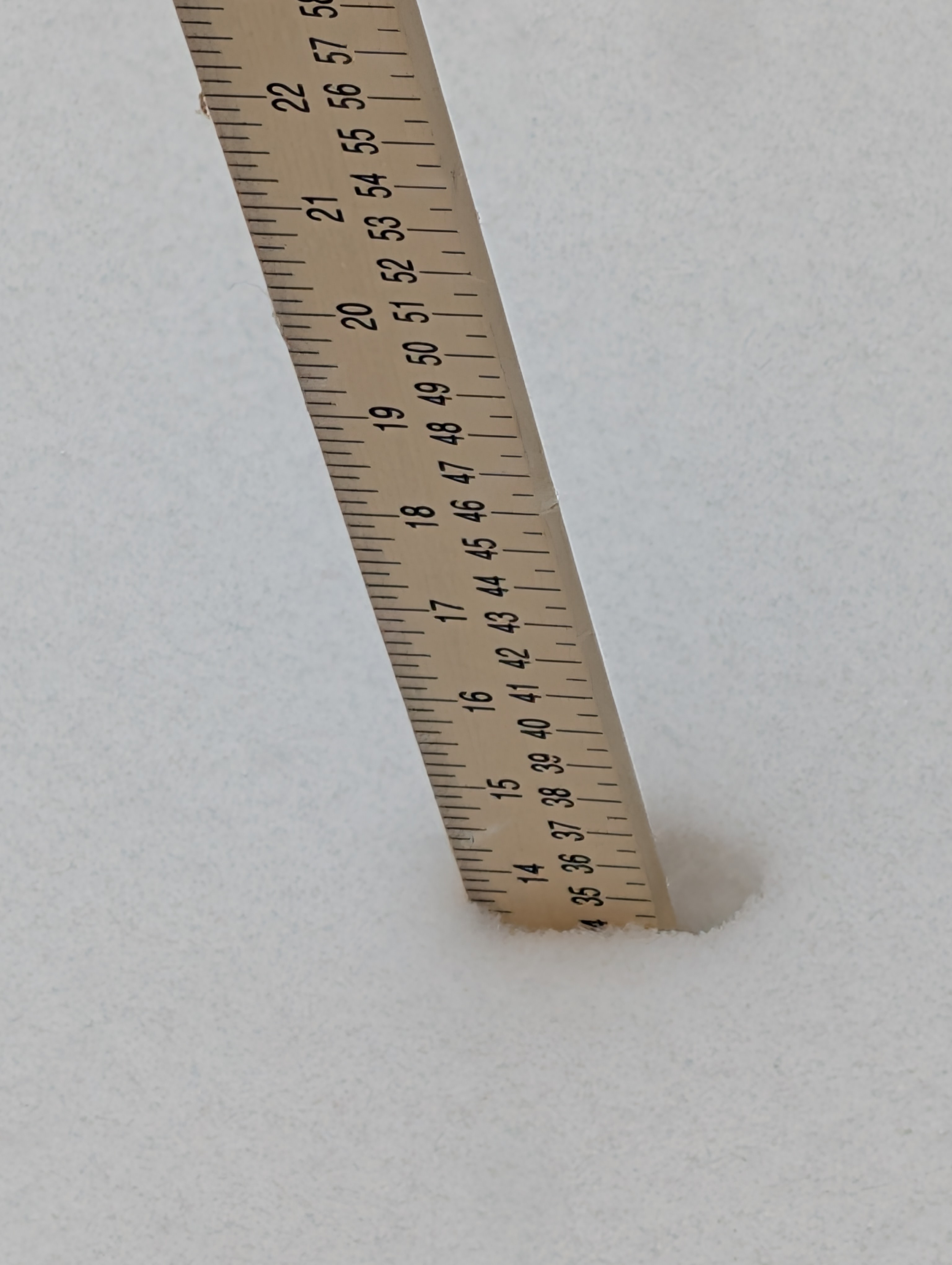
After braving the elements and returning from clearing snow from both of our cars, it’s become painfully evident that Mother Nature has no intention of slowing down. It appears as though we’ve received yet another foot of snow since the first snowfall this morning. Adding insult to injury, we just witnessed a county plow making its way up the street, but the relentless blizzard continues, with snow still falling heavily. We are measuring twenty inches of snow accumulation so far!
updated: 316 PM EST Sun Jan 25 2026
…WINTER STORM WARNING REMAINS IN EFFECT UNTIL 1 PM EST MONDAY…
TONIGHT
Snow, a slight chance of sleet and freezing rain this evening, then snow with a chance of freezing rain after midnight. Areas of blowing snow this evening with visibility one quarter mile or less at times. Snow and sleet accumulation of 1 to 3 inches. Ice accumulation around a trace. Lows around 15. Northeast winds 10 to 15 mph with gusts up to 25 mph. Chance of precipitation near 100 percent. Wind chill values as low as 2 below.
MONDAY
Mostly cloudy with a chance of light snow with a slight chance of light freezing rain in the morning, then partly sunny in the afternoon. Highs in the mid 20s. Northwest winds 5 to 10 mph with gusts up to 25 mph. Chance of precipitation 40 percent.
Snow accumulation in lower West Milford, N.J. 14 inches
Latest update:
updated: 1039 AM EST Sun Jan 25 2026
…WINTER STORM WARNING NOW IN EFFECT UNTIL 1 PM EST MONDAY…
TODAY
Snow, then snow and sleet this afternoon. Snow may be heavy at times. Snow and sleet accumulation of 4 to 8 inches. Cold with highs around 16. Northeast winds 5 to 10 mph. Gusts up to 25 mph this afternoon. Chance of precipitation near 100 percent. Wind chill values as low as 6 below.
TONIGHT
Snow and sleet, mainly in the evening. Total snow accumulation of 10 to 14 inches. Lows around 15. Northeast winds 10 to 15 mph with gusts up to 25 mph. Chance of precipitation near 100 percent.
MONDAY
Mostly cloudy with a chance of snow in the morning, then partly sunny in the afternoon. Highs in the upper 20s. Northwest winds 5 to 10 mph. Gusts up to 25 mph in the afternoon. Chance of snow 50 percent.
To ensure the safety and efficiency of our snow clearing operations, we have a strategy of working in short, focused bursts, interspersed with necessary rest periods. We proactively cleared our vehicles of snow and ice earlier today and will repeat this process again shortly, given the current forecast predicting freezing rain. This anticipated weather condition is expected to significantly increase the challenges and complexities associated with our snow removal tasks.
12:00 pm Sunday 1/25/2026
First Sighting: Passaic County snow plows have been spotted operating on Union Valley Road, also known as County Road 513, located in West Milford, New Jersey. The current road conditions are notably unfavorable, as the roadway is entirely blanketed by snow, with no asphalt surface visible.
updated: 1039 AM EST Sun Jan 25 2026
…WINTER STORM WARNING NOW IN EFFECT UNTIL 1 PM EST MONDAY…
TODAY
Snow, then snow and sleet this afternoon. Snow may be heavy at times. Snow and sleet accumulation of 4 to 8 inches. Cold with highs around 16. Northeast winds 5 to 10 mph. Gusts up to 25 mph this afternoon. Chance of precipitation near 100 percent. Wind chill values as low as 6 below.
TONIGHT
Snow and sleet, mainly in the evening. Total snow accumulation of 10 to 14 inches. Lows around 15. Northeast winds 10 to 15 mph with gusts up to 25 mph. Chance of precipitation near 100 percent.
MONDAY
Mostly cloudy with a chance of snow in the morning, then partly sunny in the afternoon. Highs in the upper 20s. Northwest winds 5 to 10 mph. Gusts up to 25 mph in the afternoon. Chance of snow 50 percent.
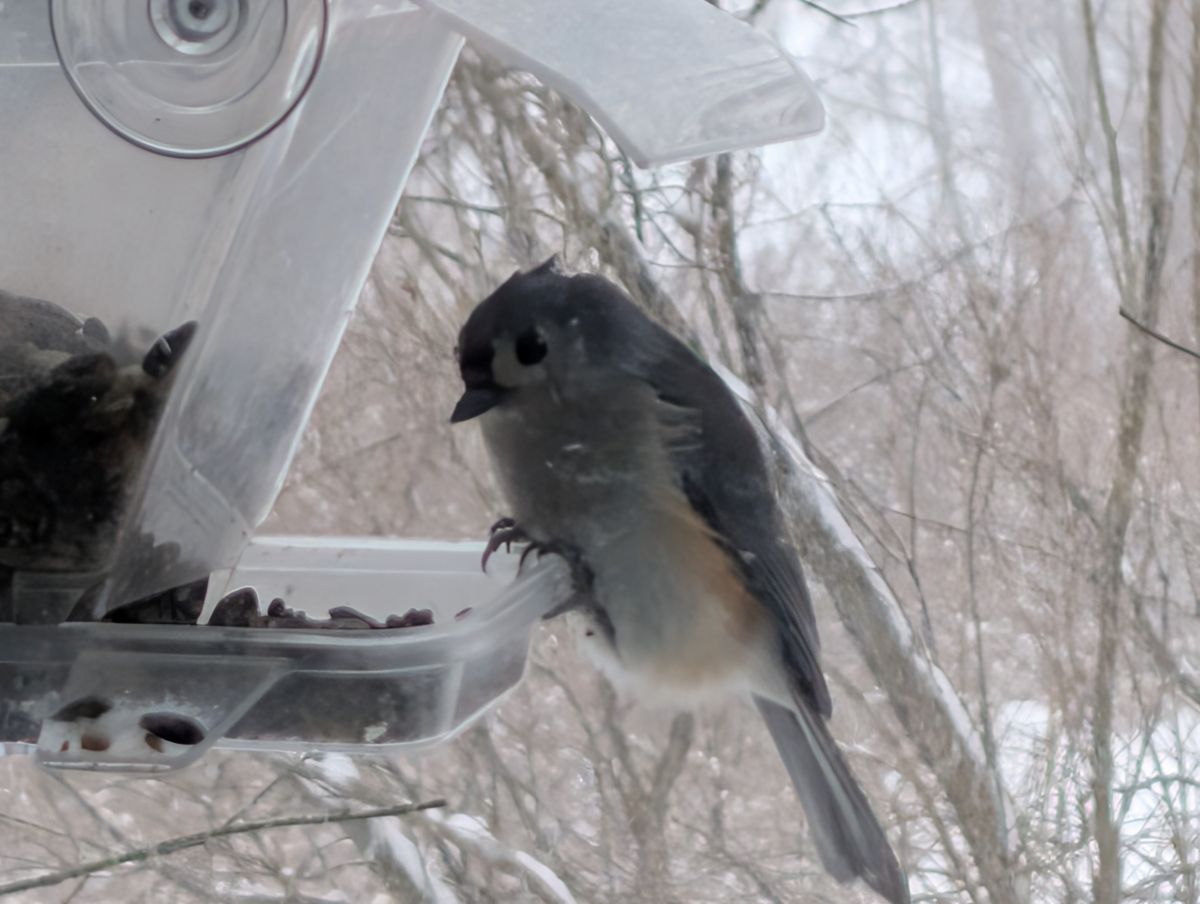
Tufted Titmouse at feeder during storm
With the heavy snow blanketing our region, it’s become quite evident just how much our backyard bird feeders are appreciated. We’ve observed a significant increase in activity, with a diverse array of feathered friends making regular visits. The seed feeders are a bustling hub of activity, with cheerful chickadees, energetic tufted titmice, vibrant cardinals, and the characteristic slate-colored juncos, whom we affectionately call “snowbirds,” all eagerly participating in the feast. Meanwhile, our suet feeders have also become popular destinations, attracting the percussive presence of both red-bellied and downy woodpeckers, who are diligently searching for tasty treats amidst the snowy landscape.
9:33 am Sunday 1/25/2026
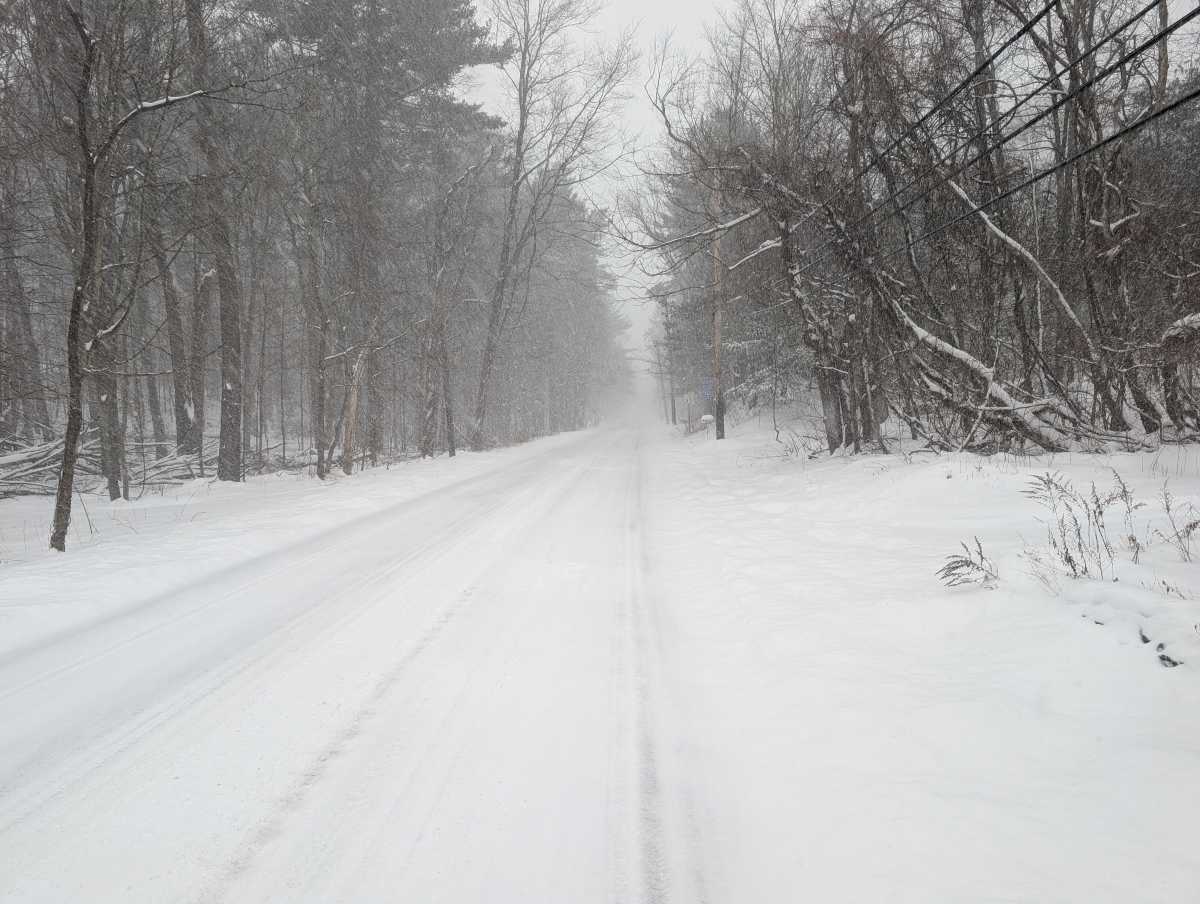
Union Valley Road (County Road 513) in West Milford, N.J.
A fine snow is falling and the temperature is a frigid 5°F. The trackless county road is covered with snow. The birdfeeders are busy with snow birds
…WINTER STORM WARNING NOW IN EFFECT UNTIL 1 PM EST MONDAY…
– NWS
6:10 pm Saturday 1/24/2026
Following a crisp, cold, and surprisingly sunny day, where the brisk temperatures barely managed to climb above single digits, the temperature is now a frigid 10°F and will drop even further into the single digits. The National Weather Service has issued a warning, forecasting a significant winter storm that will blanket the region with a substantial eight to ten inches of snow. Furthermore, they anticipate additional snowfall accumulating throughout Sunday night, potentially turning already challenging conditions into a near-impassable landscape. The sky is now completely overcast, heavy with the promise of precipitation, the air crackles with an almost palpable sense of an impending blizzard, making it abundantly clear that the snowfall, and the accompanying chaos, feels close.
…WINTER STORM WARNING REMAINS IN EFFECT FROM 3 AM SUNDAY TO 6 PM EST MONDAY…
-National Weather Service – January 24, 2026
The latest foreccast is Snow. Snow may be heavy at times. Snow accumulation of 8 to 12 inches. Cold with highs around 20. Northeast winds 5 to 10 mph. Gusts up to 25 mph in the afternoon. Chance of snow near 100 percent. Wind chill values as low as 2 below.
10:25 am Saturday 1/24/2026
The thermometer outside read a frigid 3°F, and I braved the elements to fill the bird feeder, hoping to attract some feathered friends. However, to my surprise, the feeder remained empty, which is quite out of the ordinary. On the bright side, my trusty “snow car”, named that by my grandchildren, which is an old Nissan Xterra, started up without a hitch, ready to face the winter weather. While keeping an eye on the weather reports from the Dallas-Fort Worth area, initial signs of a significant continental storm were quite evident with occurrences of sleet and ice, this extensive weather system is now projected to impact northern New Jersey, with the heaviest snowfall anticipated to begin during the early morning hours on Sunday continuing into Monday.
…COLD WEATHER ADVISORY NOW IN EFFECT FROM 10 PM THIS EVENING TO NOON EST SATURDAY… …WINTER STORM WARNING IN EFFECT FROM 3 AM SUNDAY TO 6 PM EST MONDAY…
National Weather Service – January 24, 2026
Completing our weekly grocery list at our local ShopRite this morning, which surprisingly was very calm and peaceful, we also grabbed a couple of extra items. Our snow shovels and snow blowers are now primed and prepared, and we are simply awaiting the snowfall with anticipation.
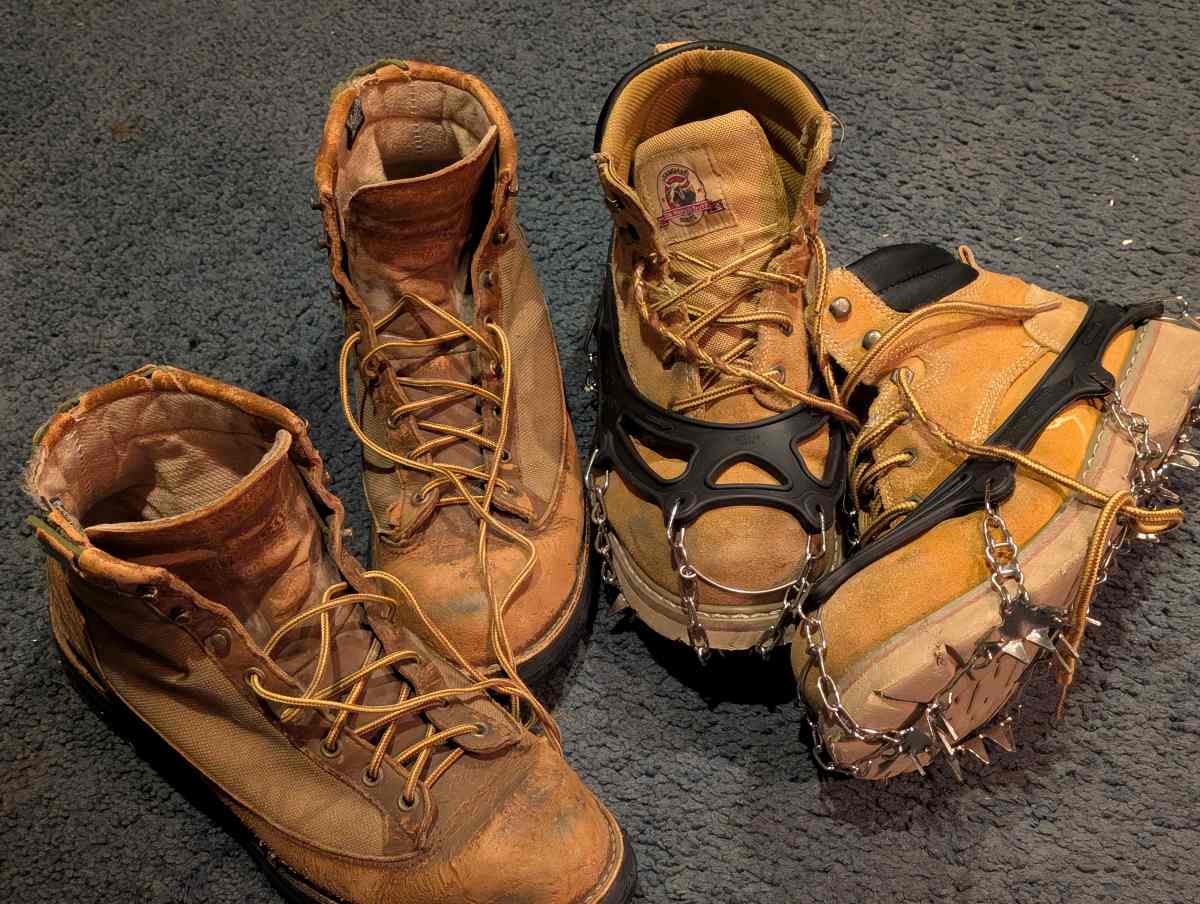
Snow boots ready for action!
After experiencing several falls on ice last year, I decided to take preventative measures and attached ice cleats (cranpons)to my boots. I have been using them consistently over the past few days while navigating my icy driveway, and I have found them to be very effective, providing me with significantly enhanced confidence when gripping snow and ice. While the added traction has been invaluable, the one drawback is the potential for damage to indoor surfaces. Specifically, wearing these cleats indoors poses a risk to carpets and vinyl floors.
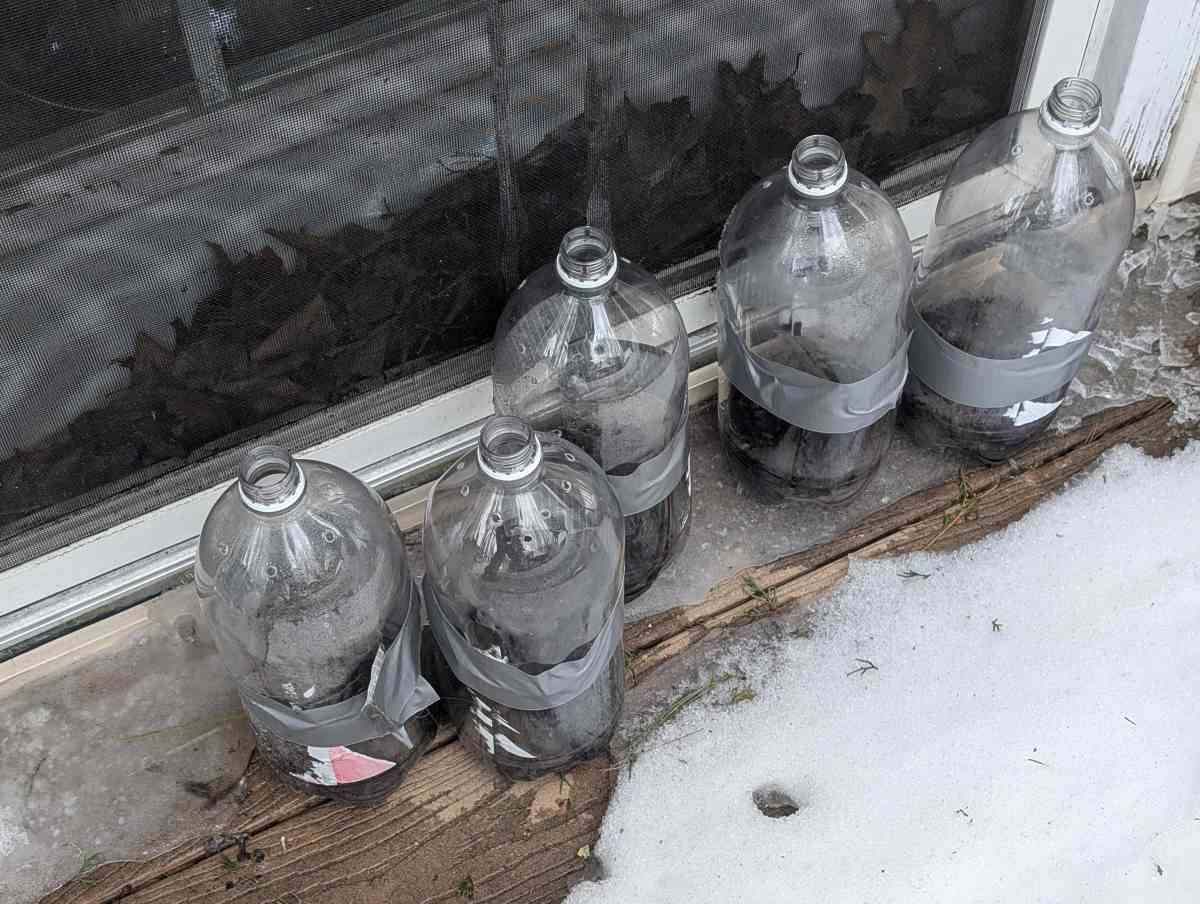
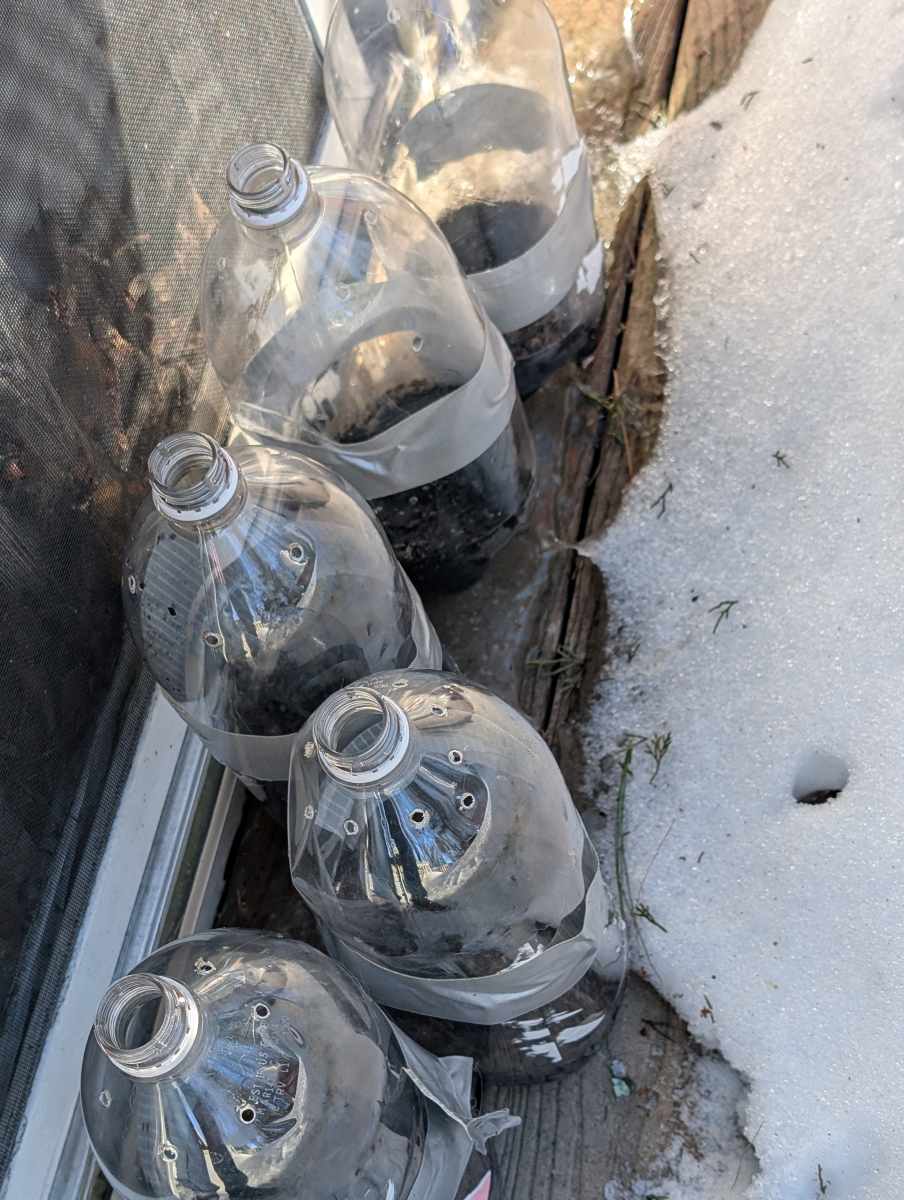
Each year, we are able to give our flower garden a head start by using a technique called winter sowing, specifically focusing on sunflowers. This innovative gardening method leverages readily available materials, such as empty soda bottles, to create a controlled environment that encourages the outdoor germination of seeds, allowing for a jumpstart to the growing season.
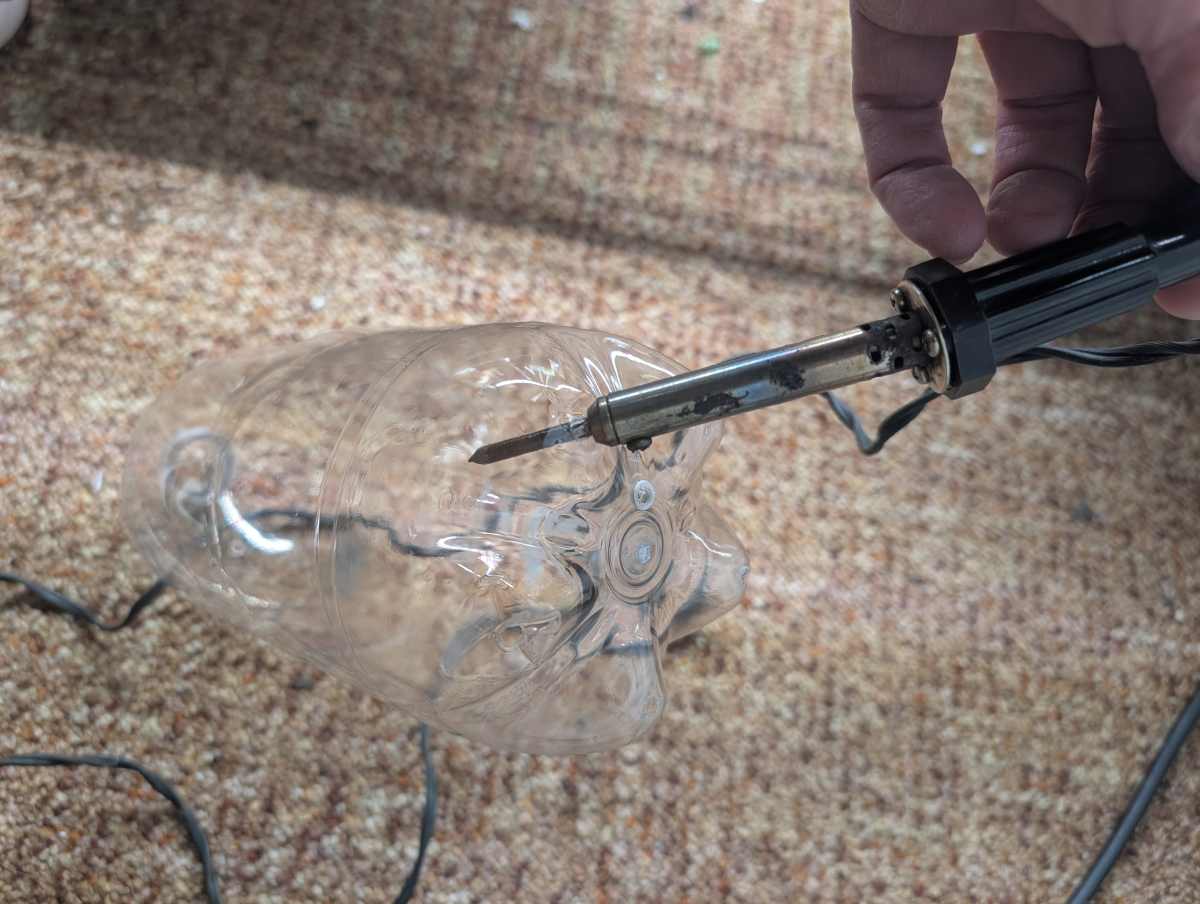
The preparation of the containers involves several key steps. Firstly, drainage is ensured by creating holes in the bottom of each container. Simultaneously, holes are also punched in the top section of the containers; these strategically placed perforations are crucial for facilitating optimal airflow within the growing environment. A hot soldering iron offers a practical and efficient method for creating these holes with precision and speed. After the drainage and ventilation holes are complete, the next step is to prepare the containers for splitting. To do this, a hole is then made in the center of each bottle. This central perforation serves as the starting point for carefully cutting the bottle precisely in half. When cutting, it is important to leave approximately an inch of the bottle intact; this uncut portion will act as a sturdy and functional hinge, allowing for easy access to the plants within the containers.
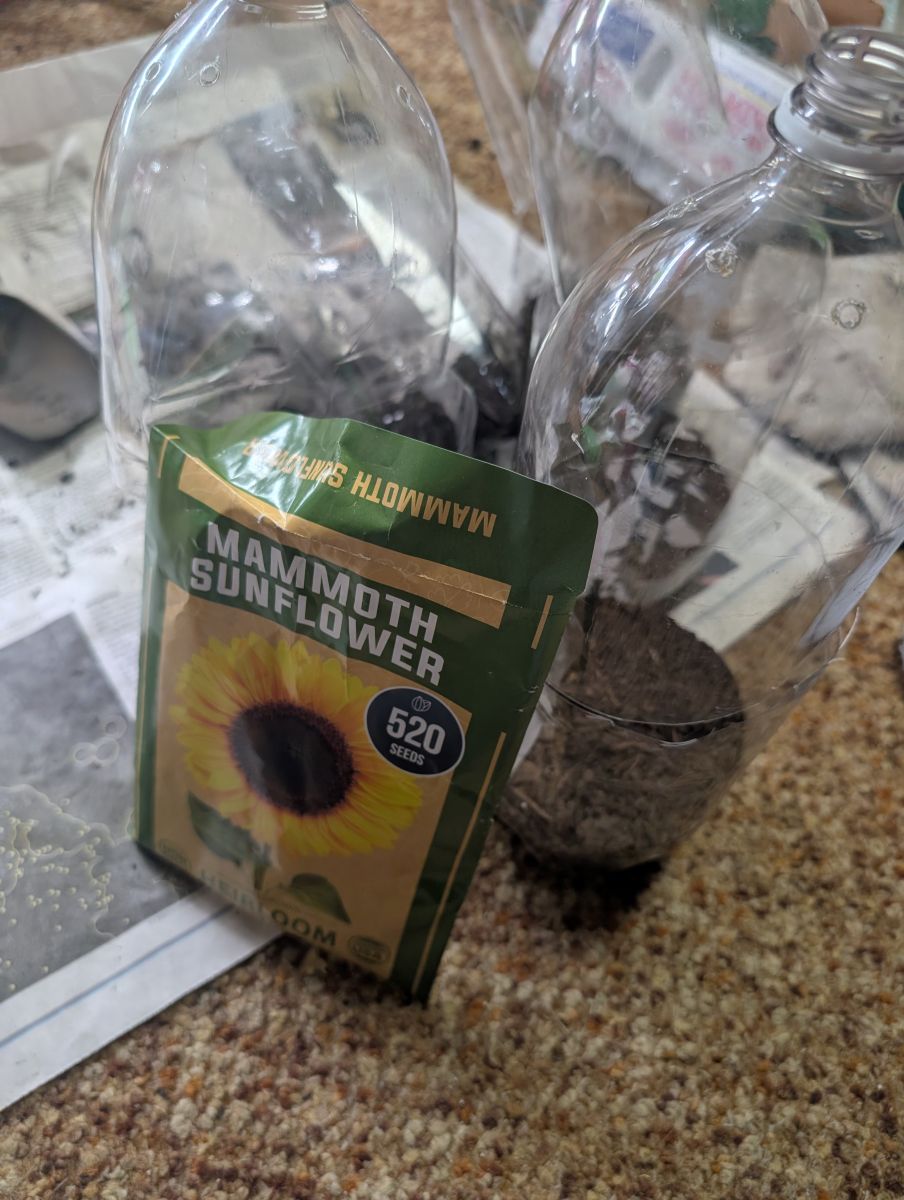
Next, carefully fill the bottom half of your container with a bout two inches of good quality potting mix, ensuring it’s evenly distributed. Once the soil is in place, gently plant the seeds within the soil, making sure to space them according to the seed packet’s recommendations if available. After planting, provide a thorough watering, ensuring the soil is moistened but not waterlogged. For our winter sowing experiment, we opted for mammoth sunflower seeds, known for their impressive size and vibrant blooms.
To complete the seed germination process, carefully secure the top of the bottle using either duct tape or masking tape, ensuring a relatively airtight seal. Then, position the bottle in an outdoor location where it will receive adequate sunlight and be exposed to the changing temperatures of the seasons. As the weather gradually warms, the seeds within should begin to sprout, indicating the start of their growth journey. Once you observe the emergence of seedlings, it’s time to provide them with more air circulation; gently remove the tape, allowing the young plants to breathe and adjust to the natural environment. Once the seedlings have developed strong stems and leaves, indicating they are robust enough, it will be time to transplant them from the bottle to your established outdoor garden, where they can continue to thrive and flourish.
Garden Planning and Preparation
In March, we will be starting our vegatable and flower seeds indoors, so now is the time to gather seeds and materials
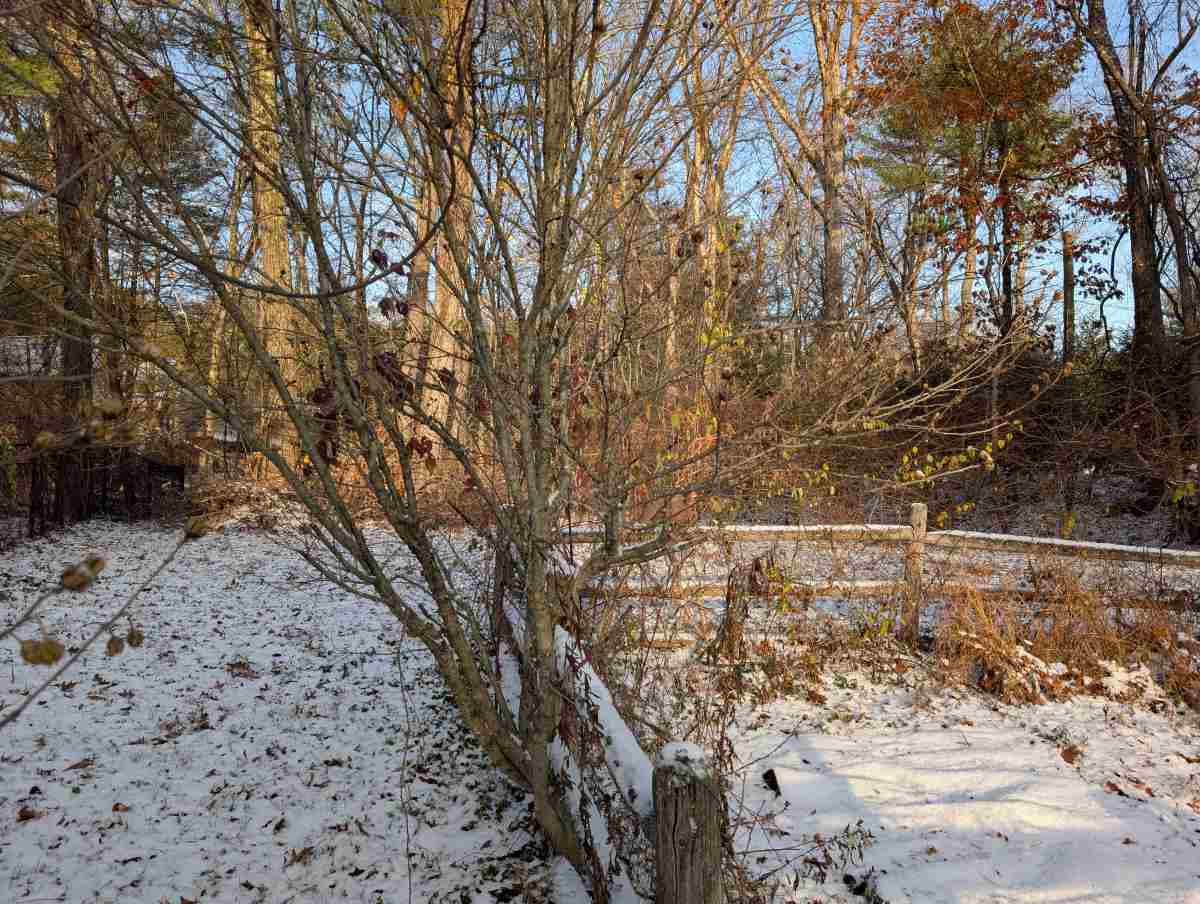
Given the persistent winter conditions we’ve experienced, with the December snow blanket still covering much of Western North Jersey, it is likely that this wintry landscape will remain in place until the arrival of spring. Worse than the cold temperatures and snow is the ice.
“Worse than the cold temperatures and snow is the ice.”
Many commercially available ice melt products can actually be counterproductive because the melted water frequently refreezes, resulting in an even more hazardous, slick, and dangerous icy layer. To enhance traction and mitigate the risks associated with icy conditions, consider mixing materials like sand or, surprisingly, even kitty litter into your ice melt granules. In many instances, applying sand by itself proves to be a more effective solution than relying solely on ice-melting chemicals to address the problem. The sand will add traction to icy serfaces.
This winter, our bird feeders have become exceptionally popular, and the 40-pound sack of birdseed we purchased back in November is rapidly dwindling, nearing depletion. It seems our feathered friends are particularly enjoying the winter bounty, and, unfortunately, the squirrels have also discovered our suet feeder, necessitating more frequent refills to keep up with their appetites.
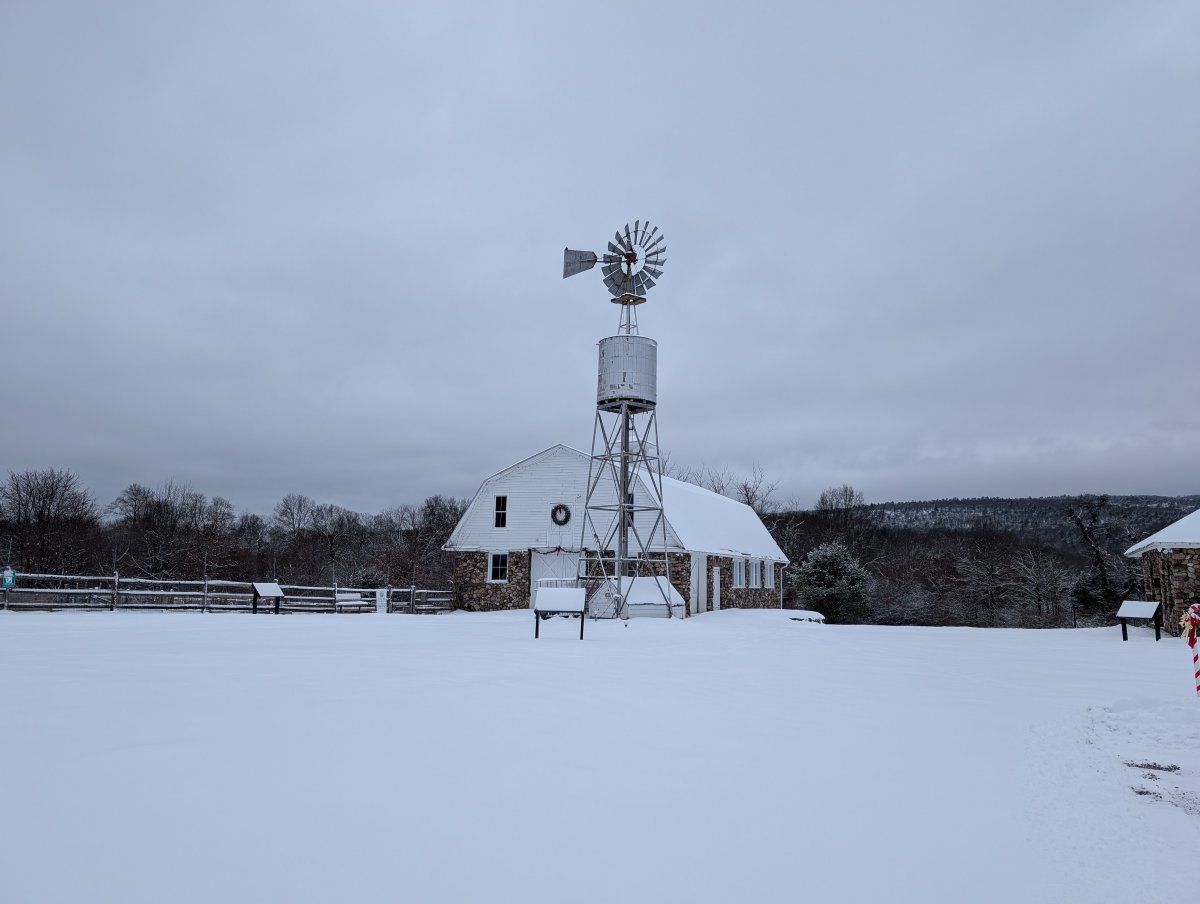
Wallisch Homestead in West Milford, N.J.
January certainly lived up to its reputation as a cold winter month in North Jersey, starting with a fresh blanket of snow even before the new year fully arrived in the western parts of the region. The frigid conditions and occasional snow squalls began the month, keeping residents bundled up and cozy indoors. While the harsh weather has been challenging, there’s a glimmer of hope on the horizon. The latest weather forecasts are predicting a shift towards more typical seasonal temperatures, with readings expected to hover in the more comfortable thirties and forties, providing much-needed relief from the persistent cold snap.
The month of December started with a few inches of snow and frigid temperatures, yes, winter has arrived early weeks before its scheduled start.
Following Thanksgiving in November, the busy atmosphere of the holiday season officially begins in Northern New Jersey, with the arrival of winter and the winter solstice. With the festive season in full swing, many residents of northern New Jersey will be actively engaged in holiday preparations, including gift shopping for both Christmas and Hanukkah celebrations, as well as planning and preparing holiday feasts and exciting parties to joyfully welcome the arrival of the New Year.
The arrival of December was marked by a week characterized by unseasonably cold, freezing daytime temperatures, accompanied by a light but noticeable snowfall. Prompted by these early winter conditions, we retrieved our snow shovels and ice melter from their storage place, preparing for the challenge ahead. Specifically, I utilize a mixture composed of equal parts sand and calcium chloride for application on our sidewalks and driveway. The key advantage of calcium chloride, in my experience, is its significantly reduced destructive impact on both the cement surfaces and the bordering grass when compared to the more common sodium chloride, or regular table salt. To further enhance safety and effectiveness, I ensure the mixture includes sand. This is especially important because the sand provides much-needed traction, particularly critical during these colder months when low temperatures can quickly cause any melted ice to refreeze. The combination of the calcium chloride to melt the snow and the sand to prevent slips and falls is a reliable method.
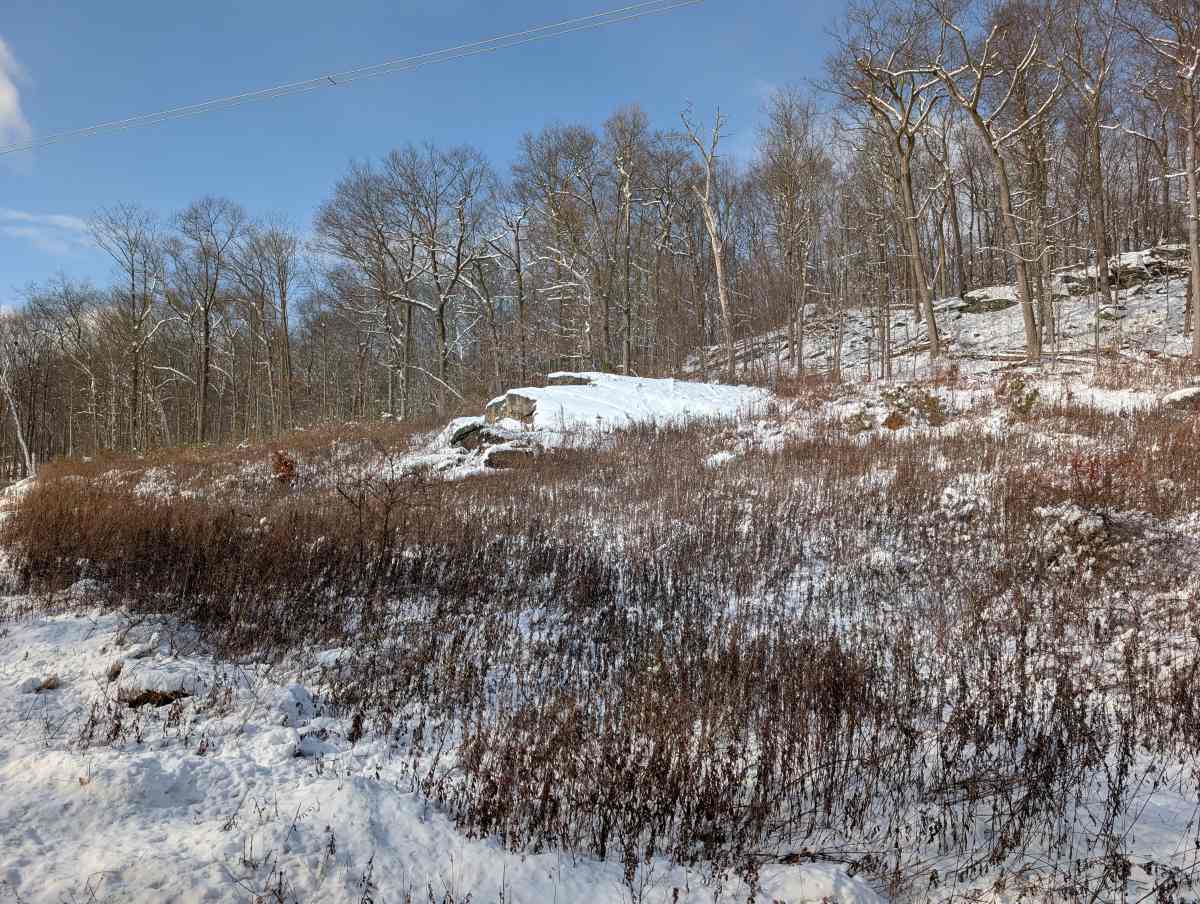
Snowy mountainside near Clinton Road in Newfoundland, New Jersey
Holiday Shopping
“During the holiday season, our family makes a conscious effort to support our community of local small businesses that dot our town.”
We believe that with a bit of creativity and thoughtful planning, we can successfully complete the majority of our holiday shopping right here, within our own neighborhood, which not only helps these businesses thrive but also strengthens the bonds within our community. For example, we always make a point to visit our local natural foods store, where we can find a delightful assortment of handcrafted items, including wonderfully scented soaps, beautifully crafted candles that fill our home with warmth, and a rich selection of organic teas and herbs perfect for cozy winter evenings.
Winter Gardening
With the arrival of snowfall and dramatically cold temperatures, our outdoor lettuce crops have unfortunately come to an end, but the silver lining is that we have been enjoying a bountiful harvest of our indoor-grown herbs, which have been providing us with wonderful flavors to enhance our daily meals.
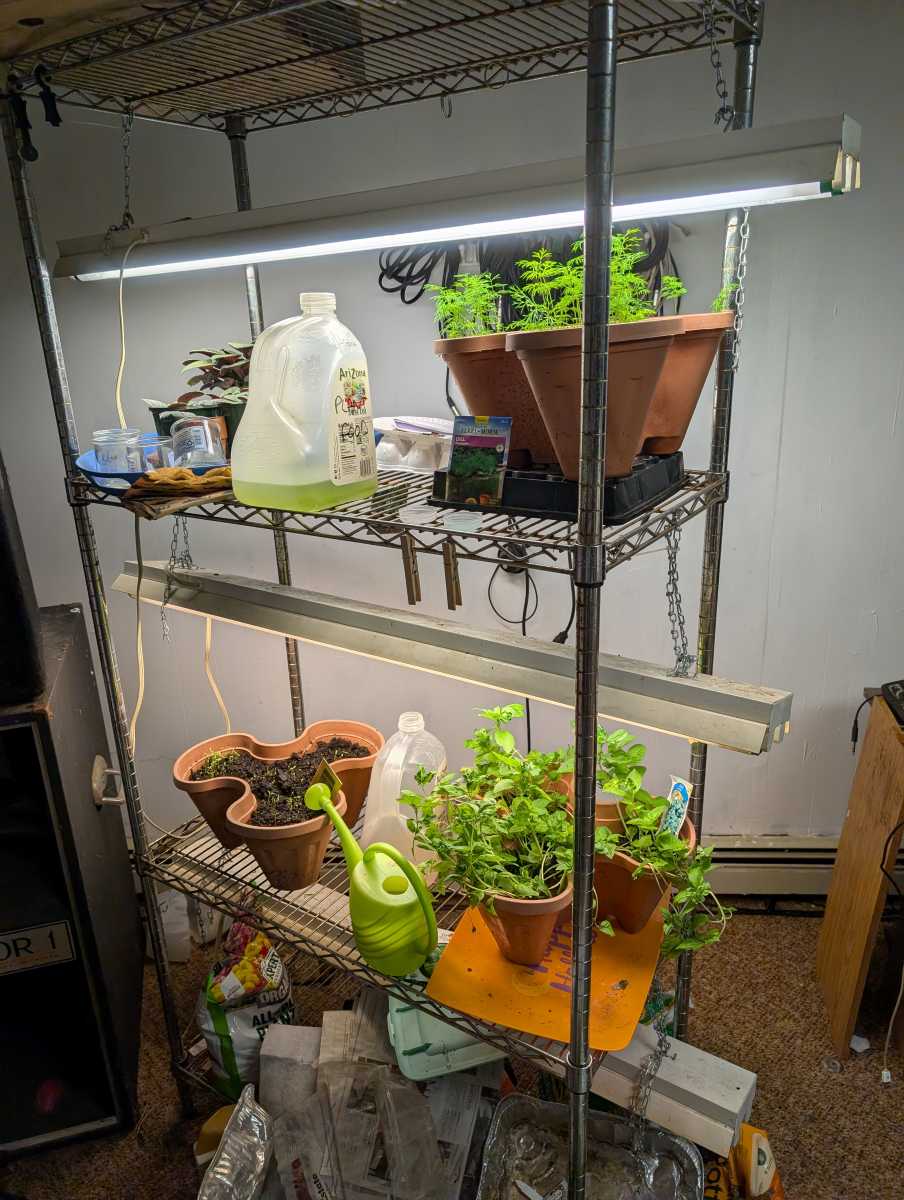
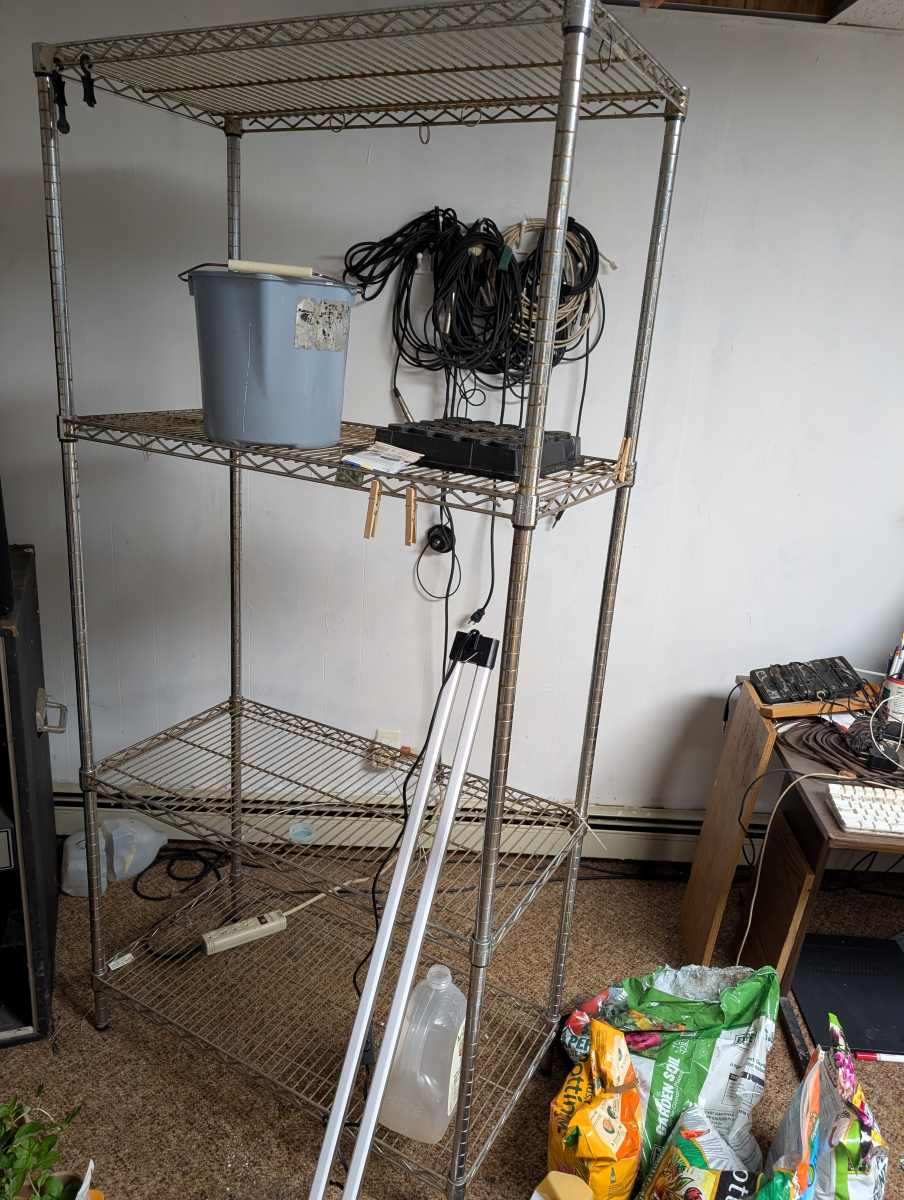
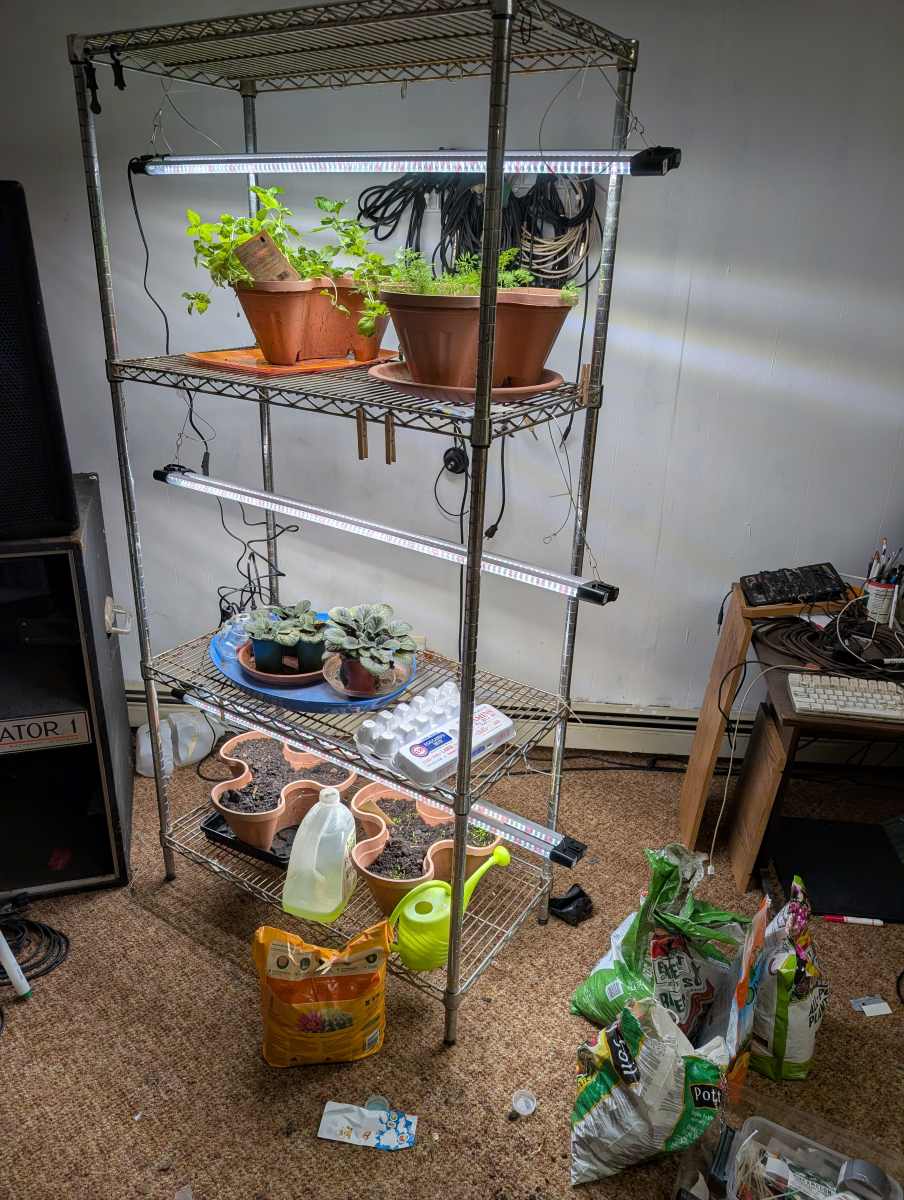
We recently upgraded our indoor growing operation by replacing the old fluorescent tube lights with energy-efficient LED lighting. The previous fluorescent setup consumed a significant amount of power, drawing nearly 250 watts, whereas the new LED tubes operate at a mere 45 watts. Given that our grow lights are typically on for approximately 10 hours daily, we are anticipating a substantial reduction in our monthly electricity expenses as a direct result of this eco-friendly and cost-effective improvement.
Veterans Day, Noivember 11, 2025, first snow falls in northern New Jersey
The crisp air of autumn signals the arrival of November. The shorter days and cooler nights characterize this month. The recent shift from Daylight Saving Time to Standard Time brings about a noticeable change in our daily rhythm, with the sun now setting earlier in the evening, balanced by its slightly earlier sunrise in the mornings. The overall effect is a noticeable decrease of daylight hours, with each day soon measuring in at less than eight hours of sunshine.
“As we await the arrival of winter’s snow and frigid temperatures, we have been working to winterize our home, preparing for the challenges ahead.”
rt23 staff
Our efforts have encompassed several key areas. First, we focused on insulating our crawl spaces, a critical step in maintaining a comfortable and energy-efficient home. We’ve installed R-30 insulation within the floor joists to create a barrier against cold air infiltration. Furthermore, we closed the basement vents, sealing them using precisely cut R-5 foam insulation boards, preventing any drafts from entering the home. To further enhance the protection of our crawl space, we’ve added foam board to the crawl space door, creating an extra layer of insulation. Finally, we took measures to safeguard our plumbing by closing and draining all outside faucets, a necessary precaution to prevent pipes from freezing and causing costly damage during the winter months.
“It’s not all gloom and doom, as this period marks the exciting start of the winter holiday season”
rt23 staff
While the month of November in northern New Jersey may bring about cooler temperatures and shorter days, it’s certainly not all gloom and doom, as this period marks the exciting commencement of the winter holiday season, starting with the joyous Thanksgiving Day celebrations and the anticipation of everything that follows.
Winter Garden
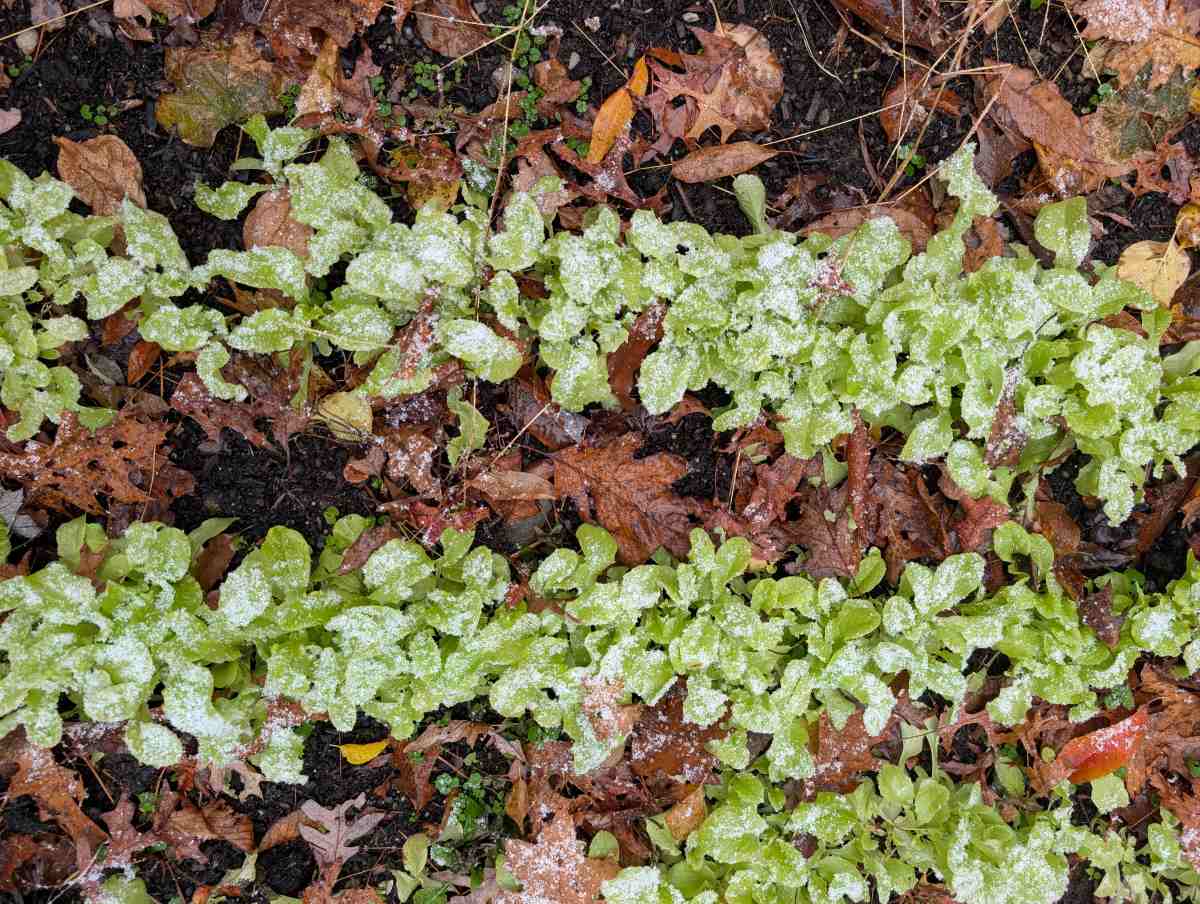
Simpson Black-seeded lettuce dusted with snow and ready to be picked
Although our summer crops are finished and the garden has died back considerably, we are still harvesting fresh lettuce that we planted in September
Expanding on our home gardening efforts, beyond the already established lettuce crop, we are now cultivating a thriving indoor herb garden. This garden features a selection of aromatic and flavorful herbs, including fresh basil, parsley, and dill, all nurtured under the glow of grow lights, ensuring optimal growth conditions even during the shorter days of the year.
In the coming days, we will be starting our microgreens cultivation , usingartificial lighting to optimize their growth and development.
Entrance to the New Jersey State Botanical Gardens
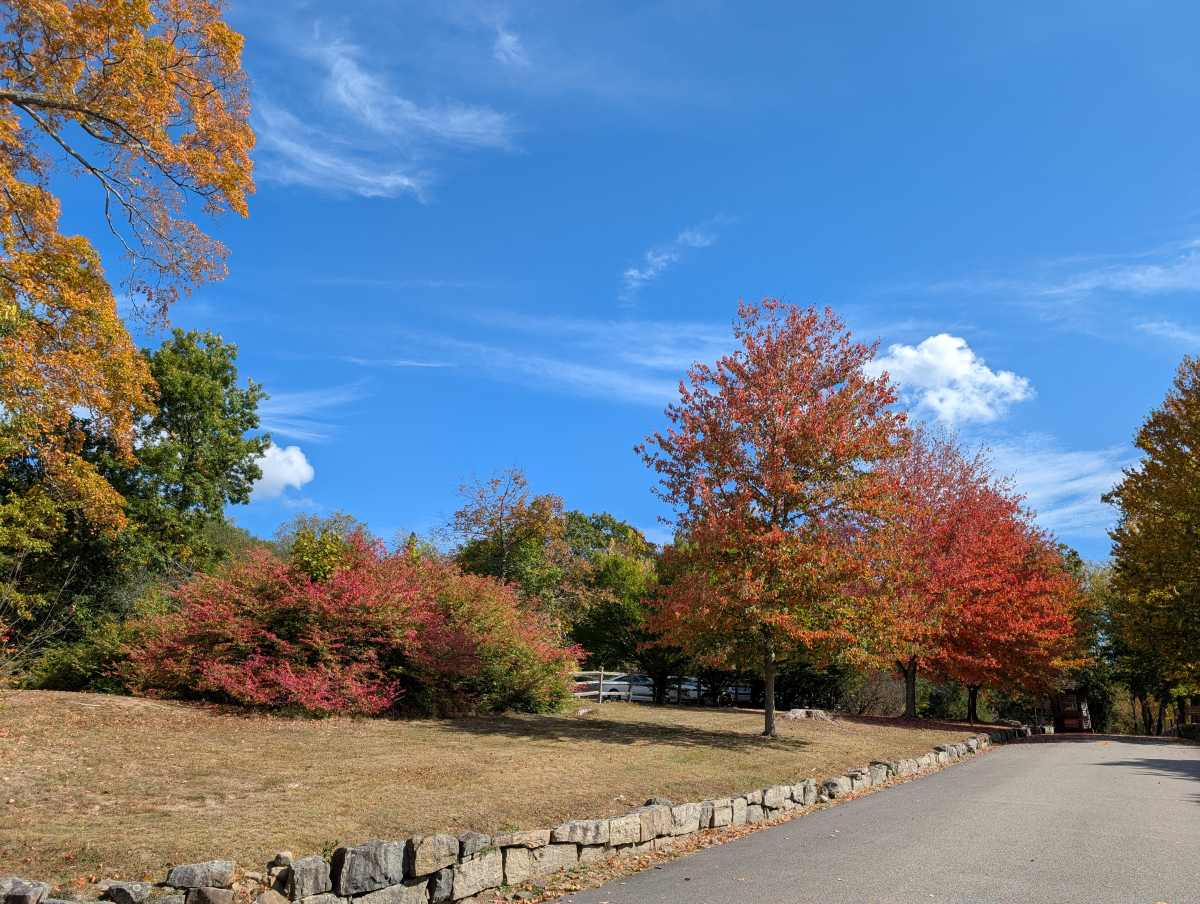
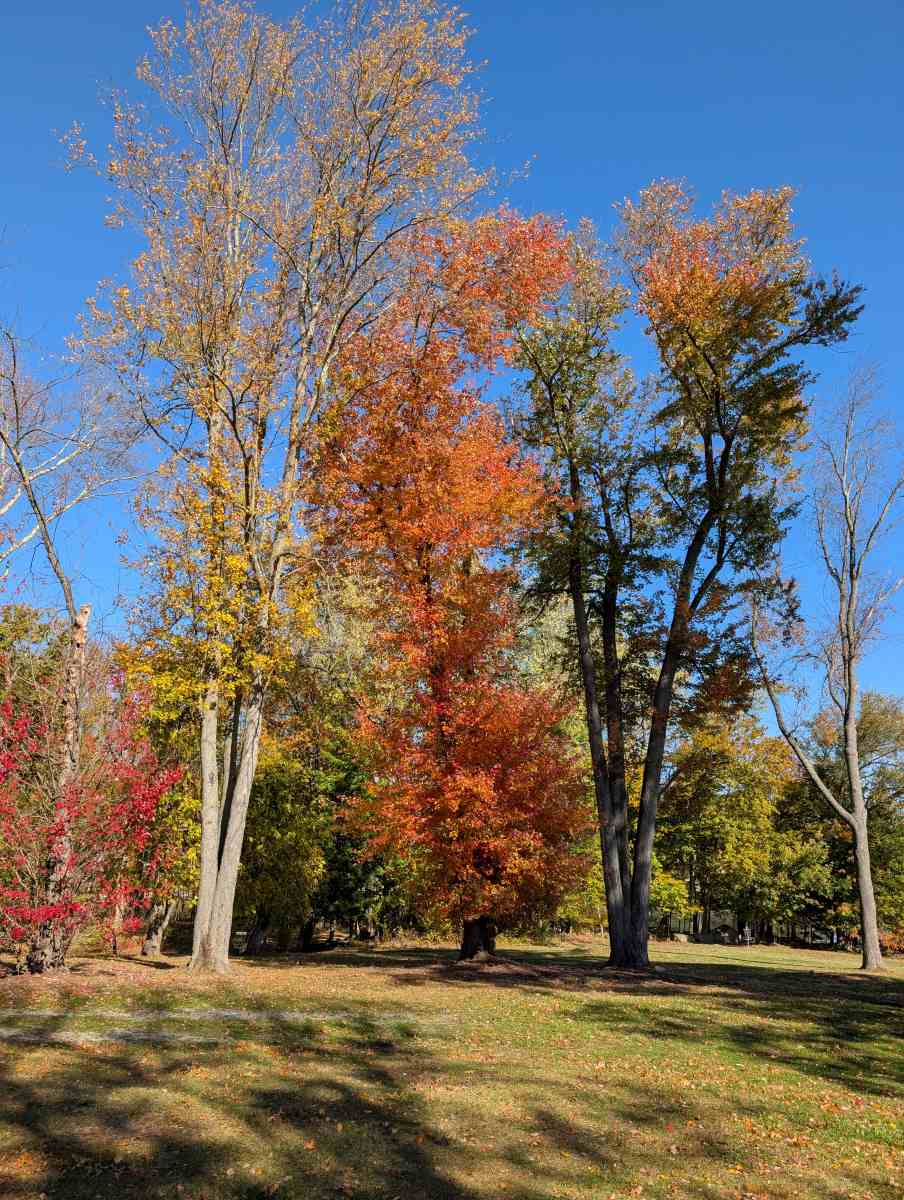
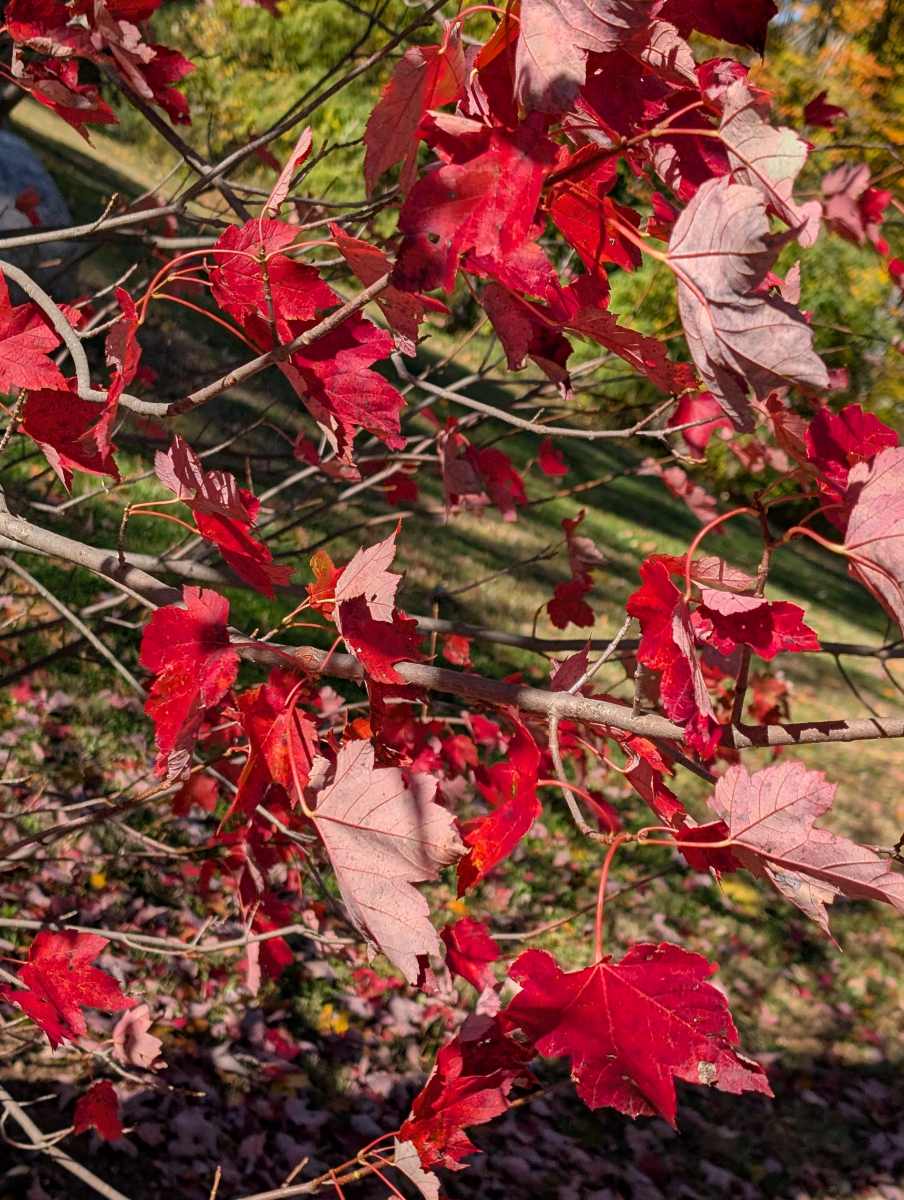
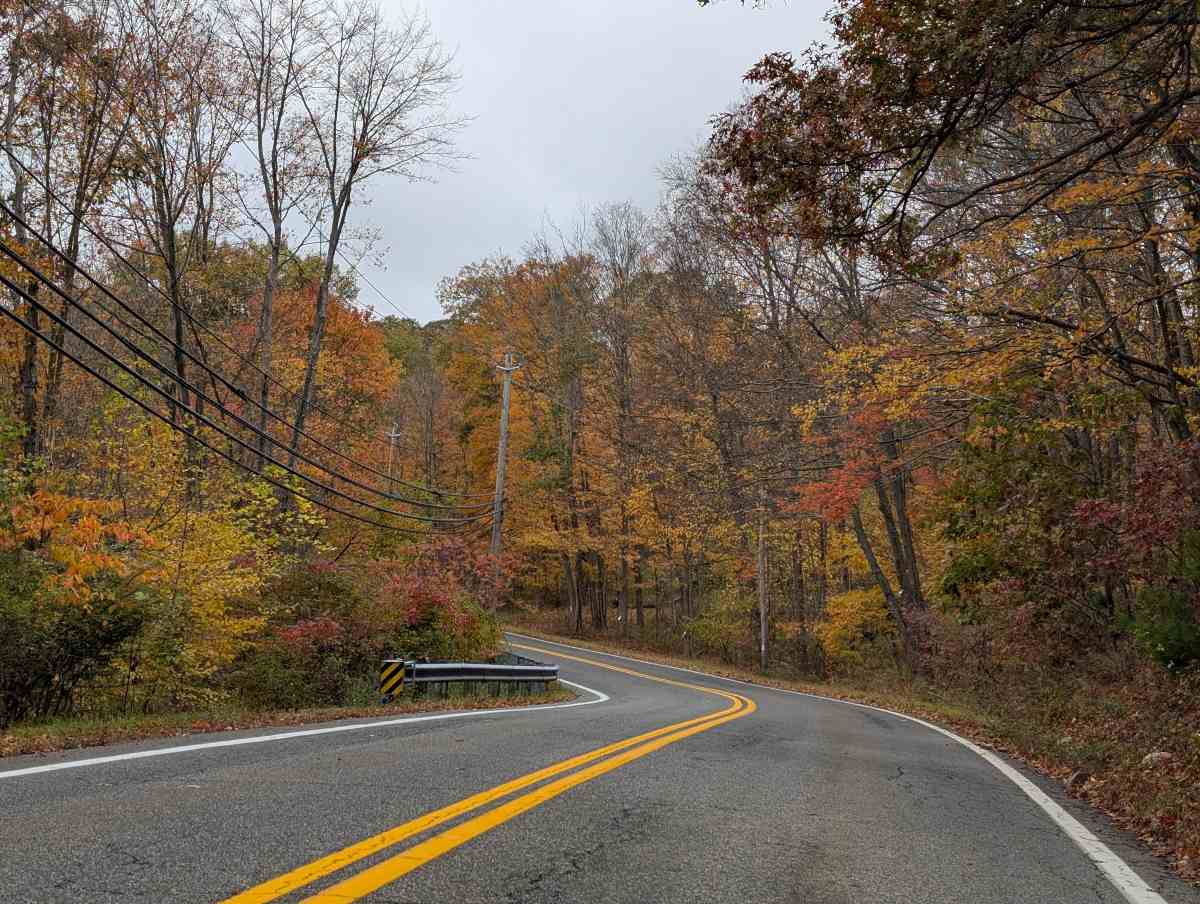
Following the brief respite of our September “Indian Summer,” a noticeable shift occurs in northern New Jersey as the days shorten and temperatures cool, signaling the impending arrival of winter. The vibrant autumn colors typically reaches its peak during the early part of October, but this fleeting beauty is often short-lived. The colorful foliage, which once adorned the landscape, can be quickly ruined by persistent rain showers or strong, gusty winds. We are left with only a limited window of opportunity to fully appreciate the stunning array of fall hues before the trees are stripped bare by the winter winds.
Keeping fallen leaves in your yard can bolster the number and variety of species and the perks go beyond just avoiding the unpleasant chore of raking. Fallen leaves provide overwintering habitat for many ecologically critical organisms, pollinators such as butterflies and bees. But that’s not all! This hands-off approach supports plants and soil. I have been using dead leaves to cover my vegetable garden in the winter and relocating the rest into an undeveloped portion of my property. Fallen leaves add carbon and other nutrients to the soil while supporting decomposers (mushrooms!) and detritivores, earthworms and millipedes, and also, tiny, insectlike soil animals called springtails. Springtails feed on organic matter and release nutrients into the soil to help maintain plant health.
The cooler temperatures and changes in the foliage serves as a clear signal for migratory creatures, such as birds and butterflies It’s time to embark on their southward journeys in search of warmer climates. I, for one, eagerly await the time when they return bringing the warmth of spring.
Home Preparations
As the crisp air of October settles in, signaling the imminent arrival of winter in Northern New Jersey, it becomes clear that preparations must be undertaken to fortify our homes and ensure our comfort and safety against the cold and often inclement weather. A crucial first step involves a thorough inspection of our windows and doors, searching for any telltale signs of drafts that could compromise our energy efficiency and invite unwelcome chills into our living rooms. Once potential draft areas are identified, we must address them either by repairing existing seals or, where necessary, replacing worn-out weather stripping with fresh, durable material. This simple yet effective measure forms a vital barrier, effectively sealing off those pathways through which cold air can enter, helping to maintain a warm and cozy atmosphere within our homes throughout the colder months.
Doors and windows can be significant sources of drafts and heat loss
rt23.com
Doors can be a source of cold drafts in the winter especially between the door bottom and floor. An easy remedy is to install a draft stopper, these are easily installed and can make a big difference.
Winter Vehicle Prep
We are preparing our vehicles for the challenging conditions of winter roads, a crucial aspect involves a thorough inspection and maintenance of fluid levels. This includes checking the oil to ensure optimal engine lubrication, verifying the coolant levels to prevent engine overheating in the cold, and most importantly, ensuring that the windshield wiper fluid reservoir is adequately filled.
Top off your windshield wiper fluid, it’s gonna get messy out there!
rt23.com staff
Given the common practice of salting roadways during winter months to combat ice and snow, windshields are particularly susceptible to becoming coated with a mixture of salt and road debris. This buildup can significantly impair visibility for drivers, making it essential to maintain clear windshields for safe operation of our vehicles during inclement weather. Necessary auto tools include snow brushes and ice scrappers. Other items may include blanket, road flares, jumper cables, and a small snow shovel.
Common Sense Auto Winter Prep
here are some of the things I have done:
cleaned the inside of my windows ( do this before the cold weather!)
topped off my winshield wiper reservoir.
checked that my ice scrapper and snow brush are in the car.
We are diligently preparing our outdoor spaces for the upcoming winter season by carefully storing our outdoor furniture to protect it from the harsh elements, such as snow, ice, and temperature fluctuations. Simultaneously, we are taking a proactive step to support our local bird population by transitioning from hummingbird feeders to seed feeders. This change in our feeding practices ensures that a variety of bird species have access to essential sustenance during the winter when natural food sources become scarce.
October in Our Garden
“we are now bringing our houseplants back inside, ending their summer “vacation” on our deck.”
rt23.com
With the arrival of October and the gradual transition into cooler weather, we are now bringing our houseplants back inside, ending their summer “vacation” on our deck. Among our indoor plant family, we have amaryllis, hibiscus and Elephant Ear plant, all of which have thrived under the summer sun and will now brighten our home’s interior during the upcoming colder months.
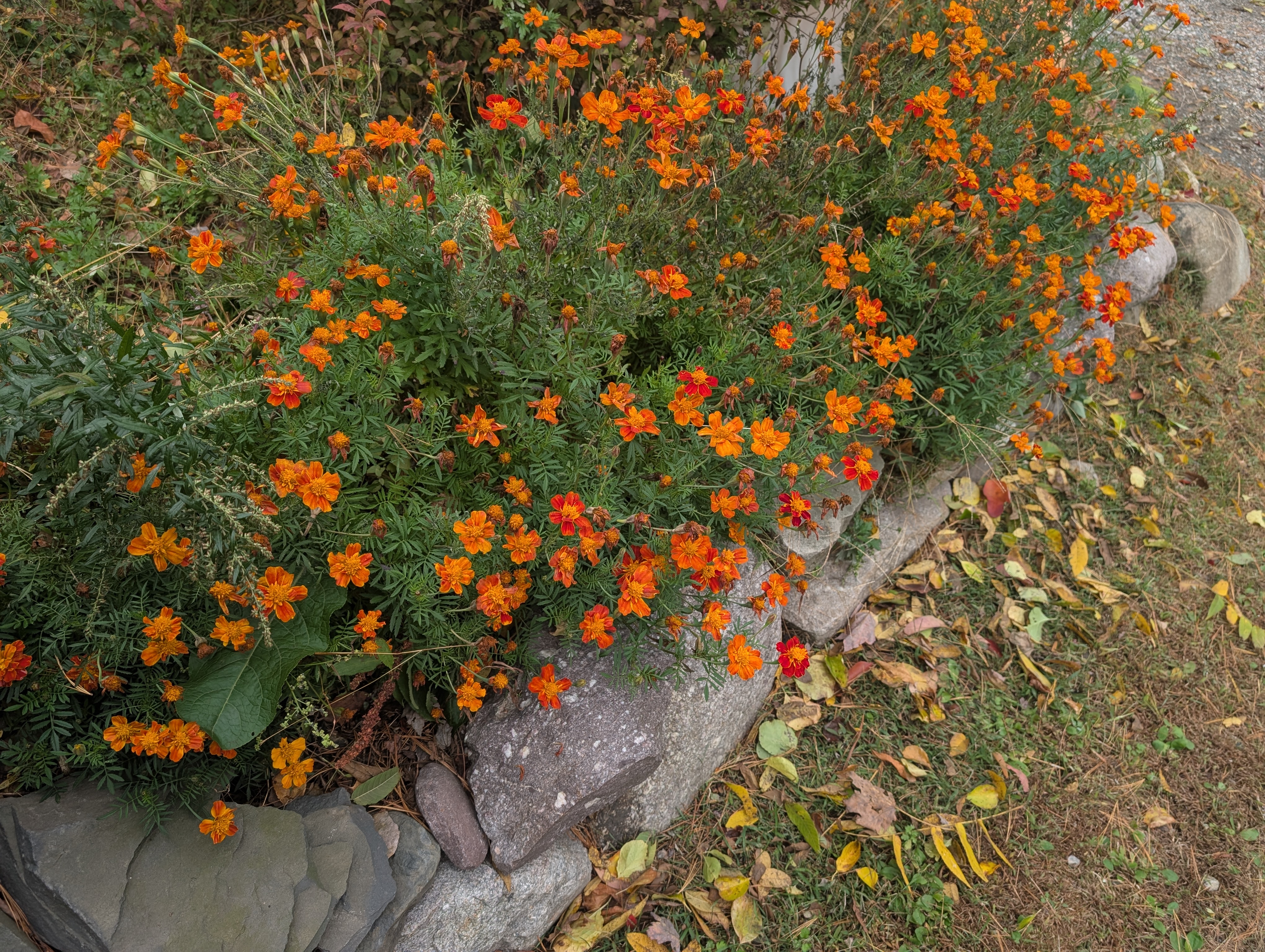
all grown from “saved” 2024 marigold seeds
As we transition into October, we are actively engaged in harvesting the final fruits from our summer garden, carefully collecting ripe produce to enjoy throughout the coming months. Simultaneously, we are collecting marigold seeds to sow in spring 2026.
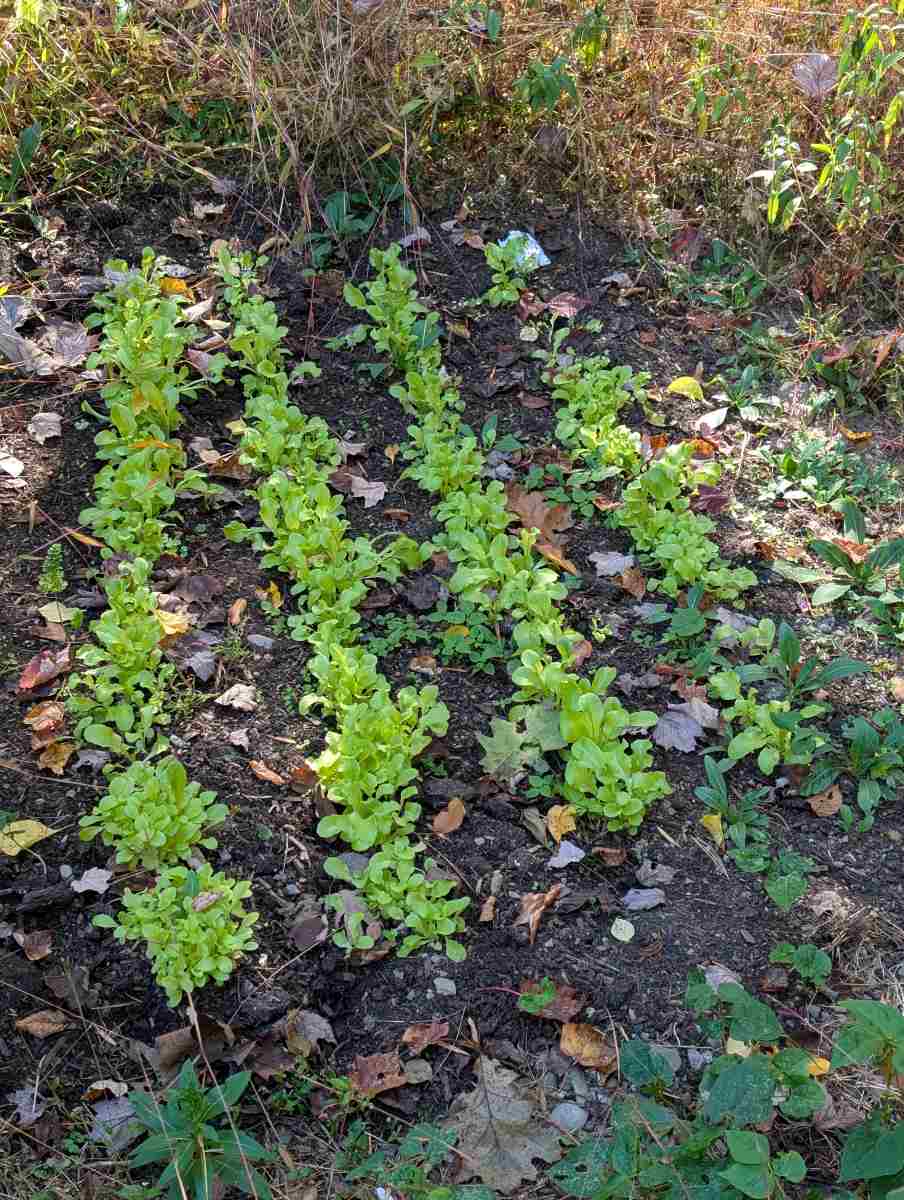
Simpson Black Seed Lettuce nearing harvest
Our autumn garden, where we’ve planted Simpson’s Black Seed Lettuce, is flourishing, and the anticipation of savoring fresh, crisp salads in the coming weeks is truly exciting, a delightful reminder of the abundance that nature provides during this transitional season.
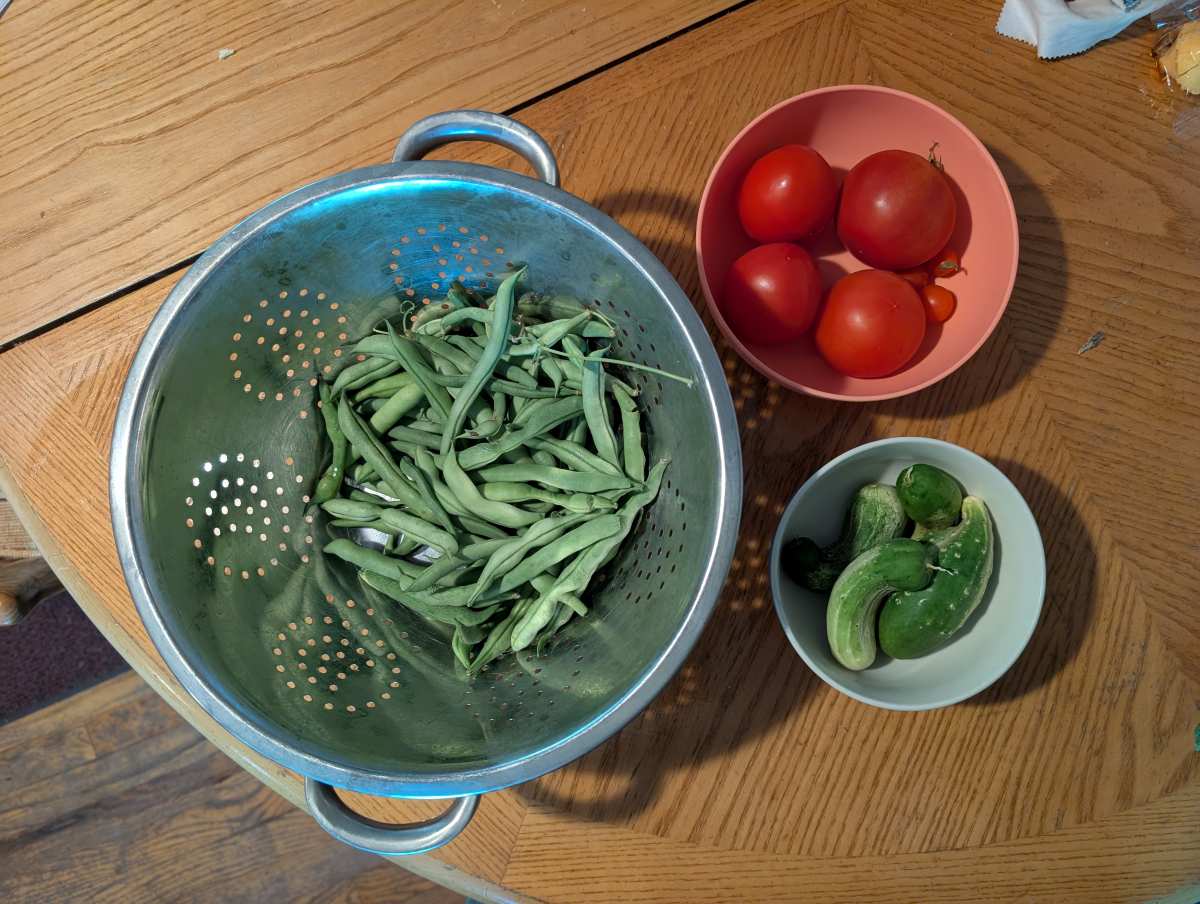
Continuing the harvest with pole beans, tomatoes and pickling cucumbers
September is here and we are starting to say goodbye to our summer vegetable garden. As every year, I wish that I harvested more produce. But I am satisfied with the amount of delicious strawberries, tomatoes, garden beans, cucumbers, lettuce, zucchini and summer squash produced in our gardens.
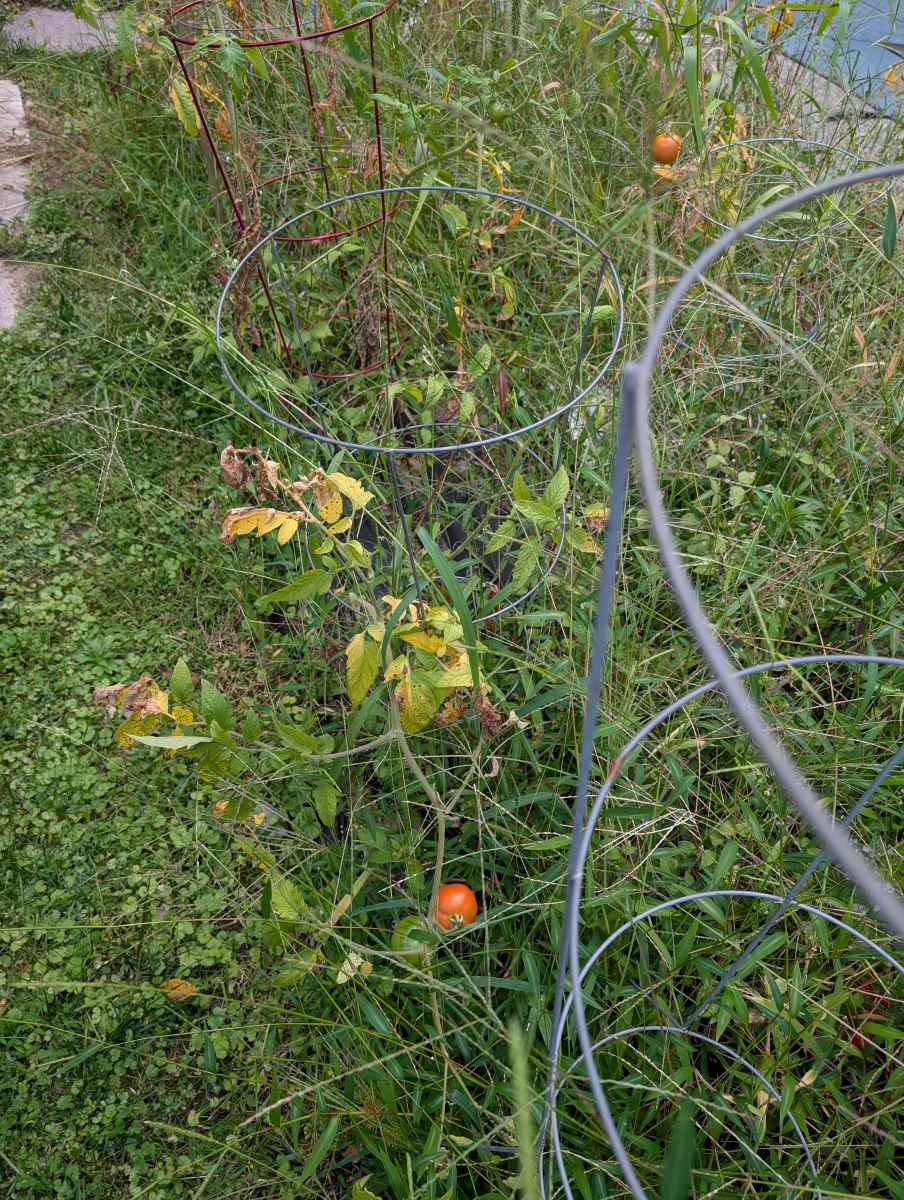
Tomato Alley in shambles
At this point in September, my garden is in shambles. I have to confess that I am a lazy gardener and the garden daemon takes over and sows what it wants. But the garden served it’s purpose and it’s now time for new challenges.
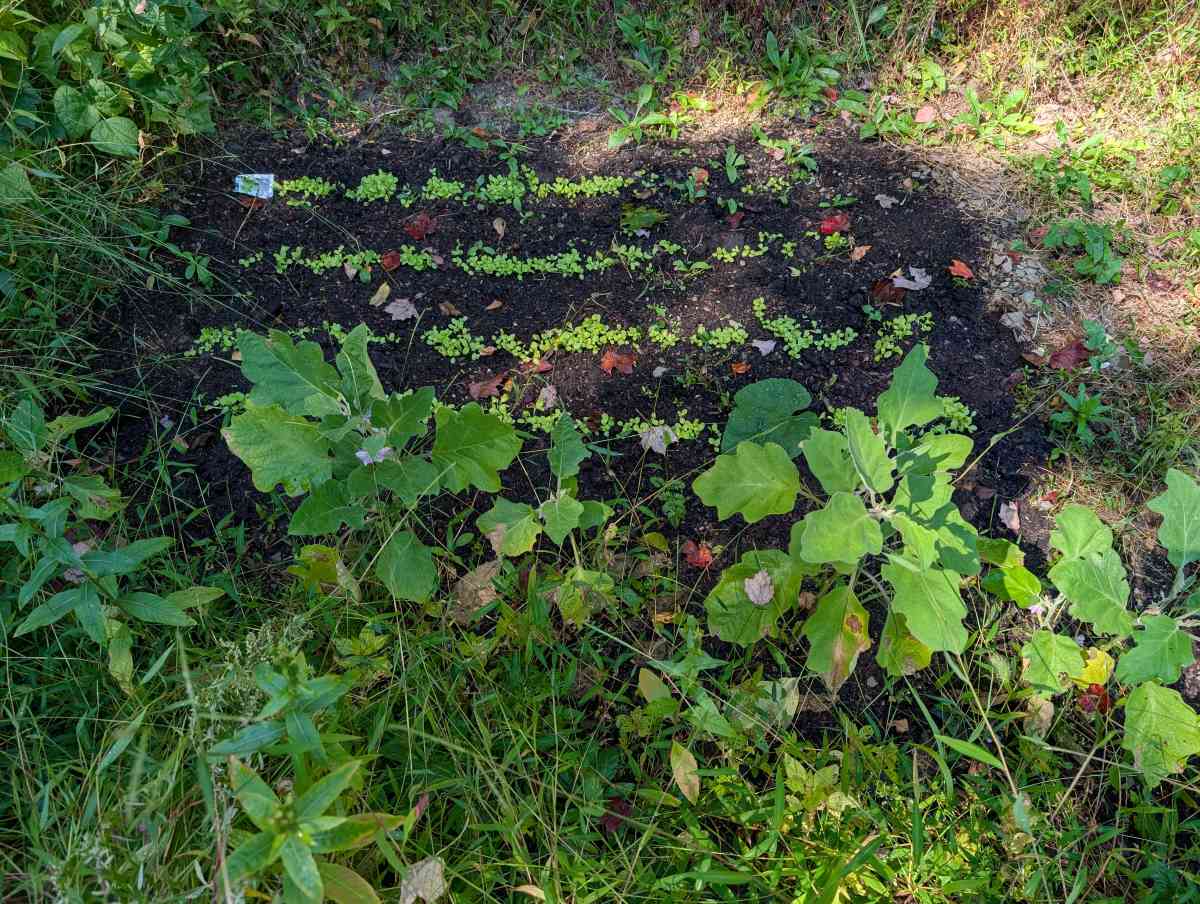
Eggplants flowering in foreground, with late-season Simpson Black Seed Lettuce growing in rows
That said, I’m not ready to give up on the garden just yet, and the Simpson Black Seed Lettuce planted in late August is thriving. It’s been dry in Northern New Jersey for the last few weeks, so I’ve been watering the garden by hand.
There are still tomatoes ripening and a few eggplants growing in the “weather garden”. The eggplants are producing flowers, attracting the attention of bees. I am hopeful I will be able to harvest some fresh eggplant before the weather becomes too cool for the plants to survive.
With the outdoor garden starting to wind down, I’m now turning my attention to creating an indoor gardening space. My initial plans involve cultivating microgreens, which offer a quick and easy way to enjoy fresh, nutritious produce throughout the year. I am also exploring the possibility of growing lion’s mane mushrooms in my basement, utilizing artificial lighting to simulate the conditions they need to thrive, expanding my culinary options and personal gardening projects.
September 2025 will mark a transition in our garden as the warm summer months give way to the cooler days of autumn. This year, we’ve enjoyed an abundance of fresh produce and vibrant blooms, and as the season changes, we’ll focus on preparing our garden for the winter ahead and gathering the final harvests.
Black Seed Lettuce: Embracing the Late Season Garden
Clearing away/harvesting Garden Bean Plants to create a space for new lettuceplants
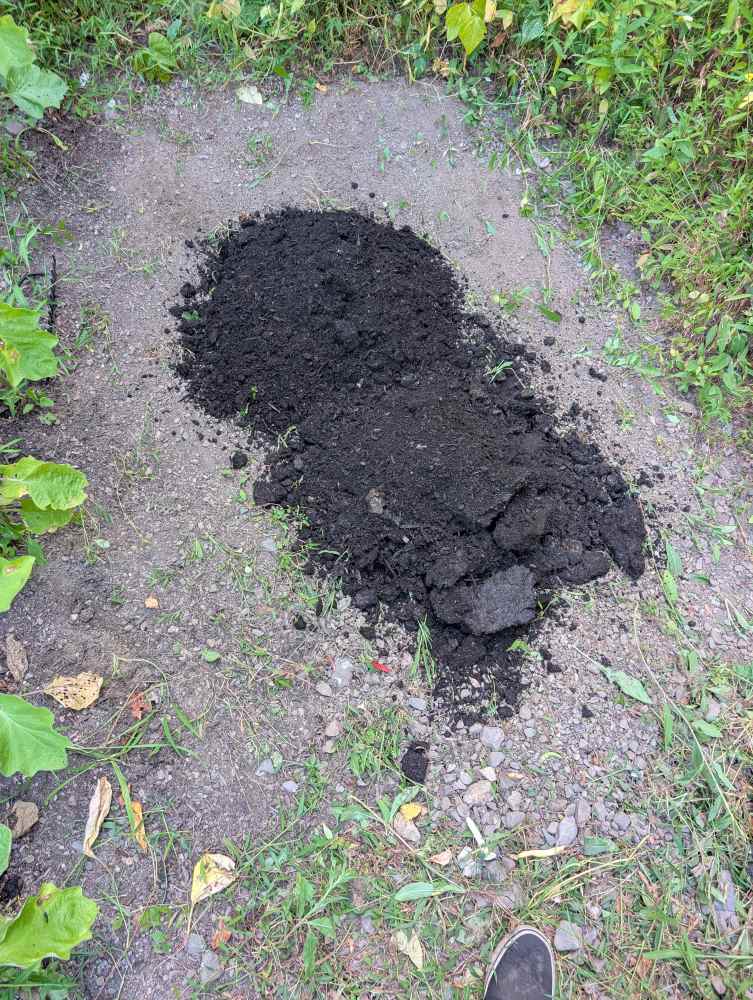
Add a few bags of top soil
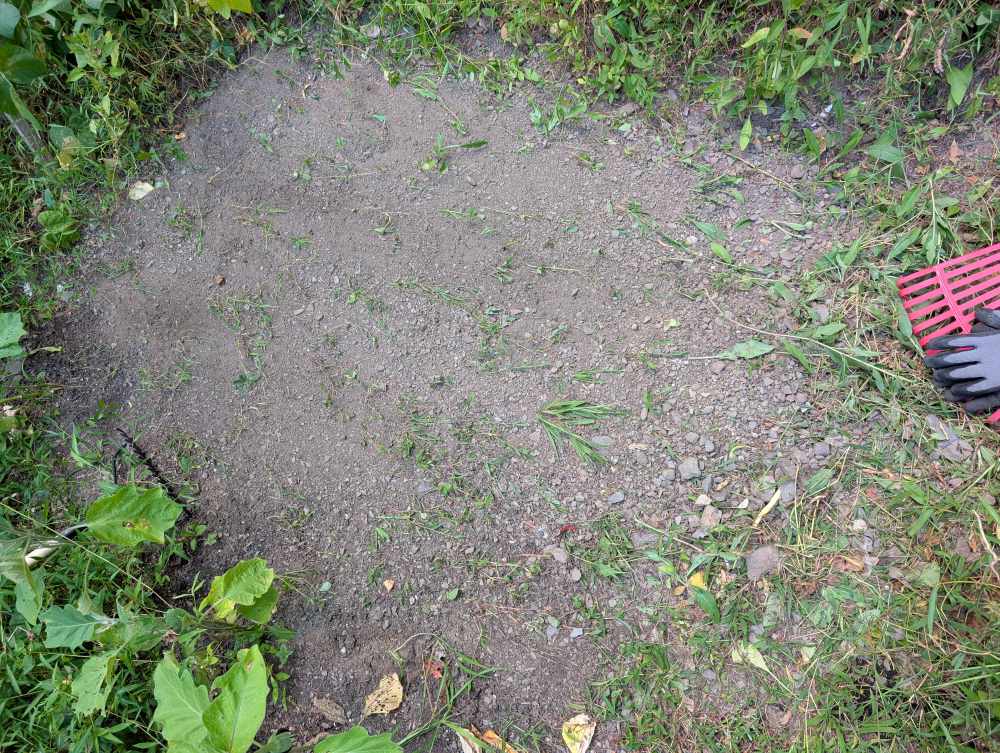
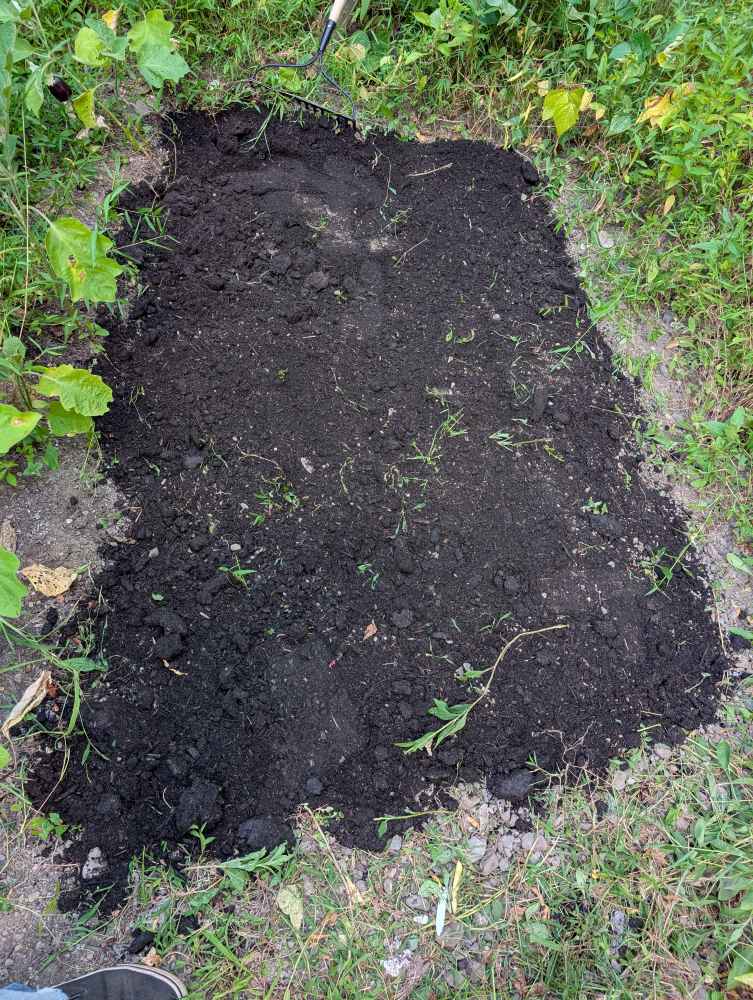
raked topsoil; for new garden bed
Each year, I make an effort to grow a late-season garden, typically starting in late August or early in September. This timing is chosen, as it follows the natural end of my garden bean plants’ productive cycle. In selecting crops for this late-season garden, I choose crops that mature quickly like radishes or leafy green vegetables. A key consideration in my selection process is to choose plants that do not rely on pollinators, ensuring a successful harvest even as the weather changes and cools.
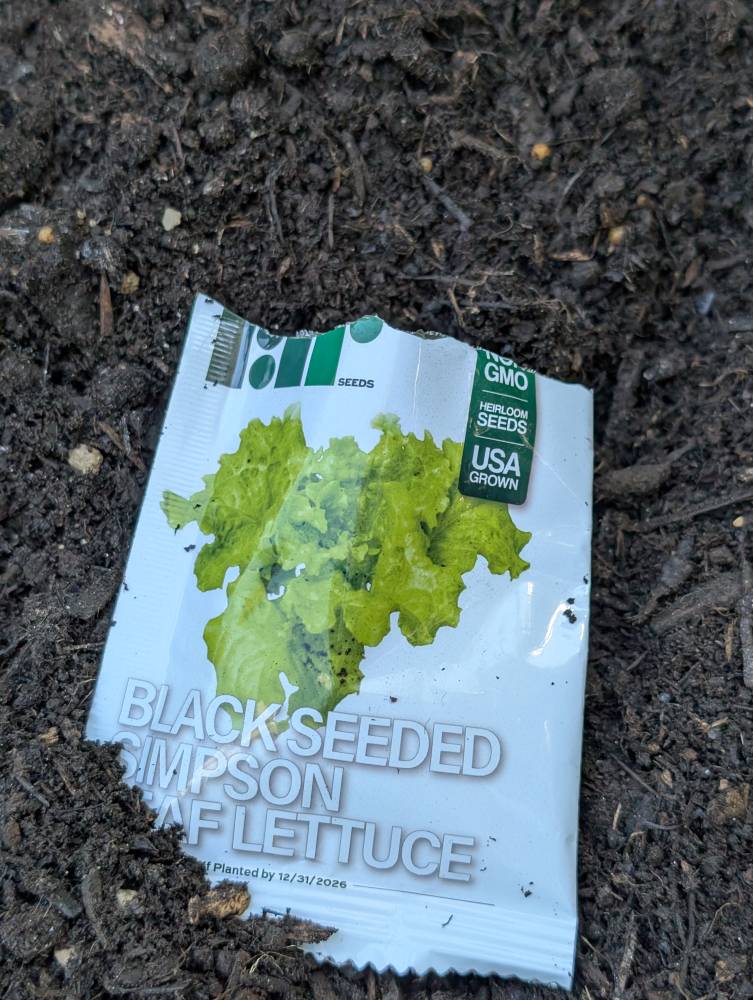
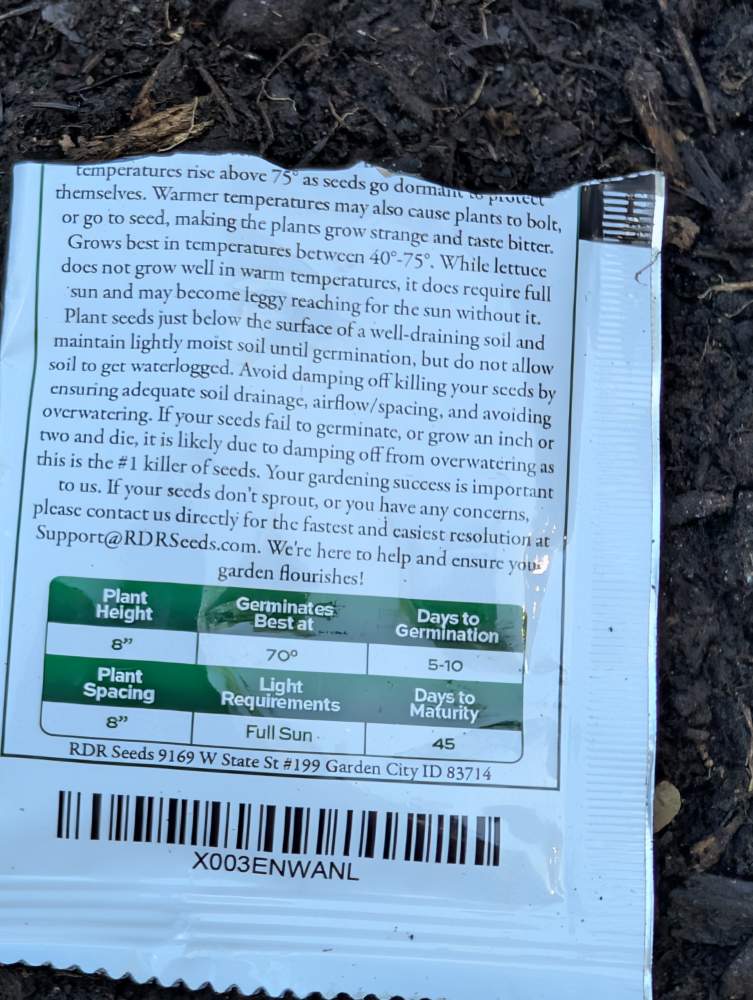
This year I have chosen to plant Black Seeded Simpson Leaf Lettuce. I had a successful crop in the spring and Simpson lettuce grows quickly maturing in 45 days. I cleared the portion of the garden where garden beans grew and raked in some top soil. I heavily seeded four rows and happlily can report rows of seedlings after one week.
Black seed lettuce in rows behind the Eggplants in the foreground
Asparagus
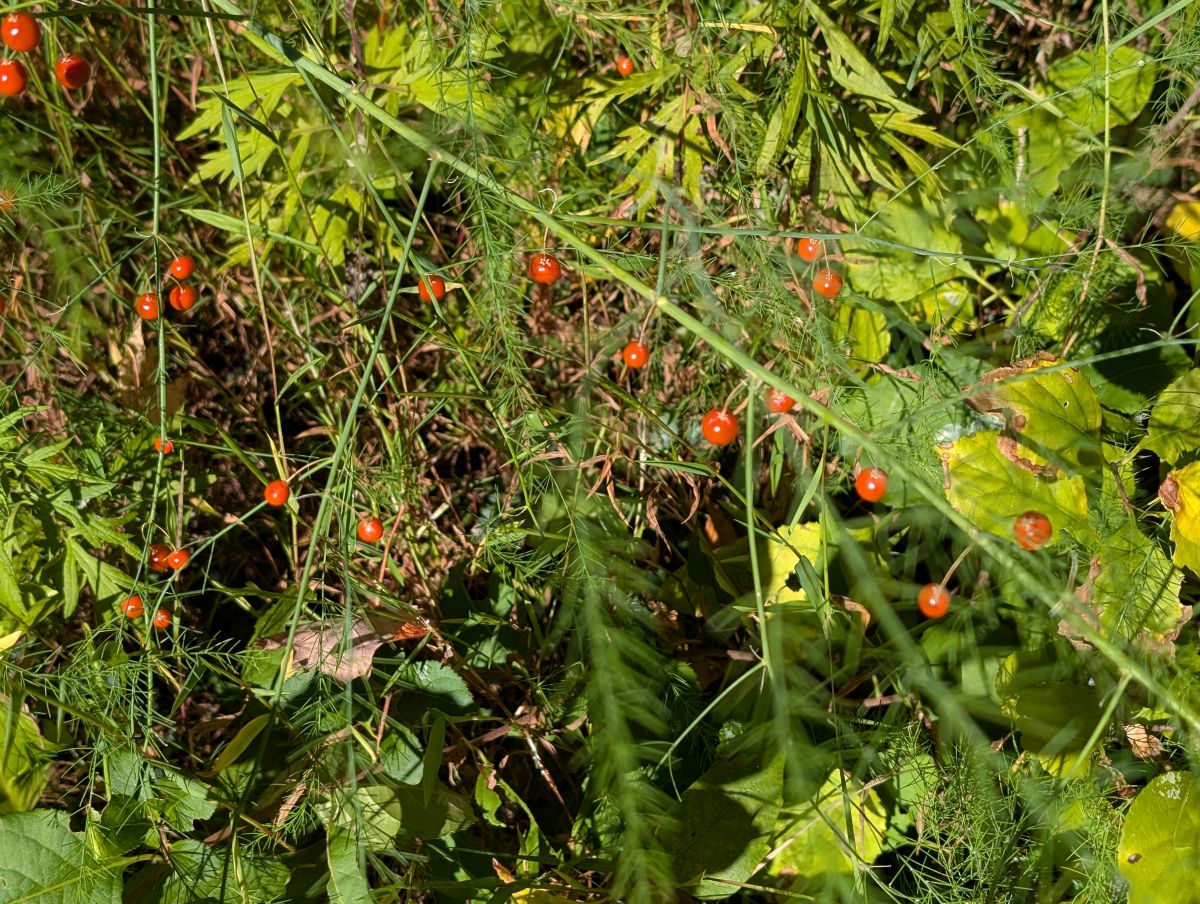
Red seed pods have appeared on our Asparagus
Our Asparagus garden has become overgrown with weeds and our asparagus plants have matured into feathery fronds. Red “berries” have also formed on the asparagus fronds, which turn out to be seed pods which are not edible. When the pods soften a bit, I will squeeze the seeds out onto a paper towel to dry. I will try starting asparagus plants inside during the winter. Stay tuned!
I need to clean this area to plant new asparagus crowns. This year I am going to soak the crowns overnight before planting. I will also mark spots where I see fronds to check for spears next spring.
Back to Nature
As our garden embraces a state of increasing natural disarray, a spontaneity of events unfolds. The deceased plants, in their final act, generously return their accumulated nourishment back to the soil, enriching it for future growth. “Nature abhors a vacuum” and resilient native plants emerge, filling the newly created spaces and continuing the cycle of life and renewal within our garden ecosystem.
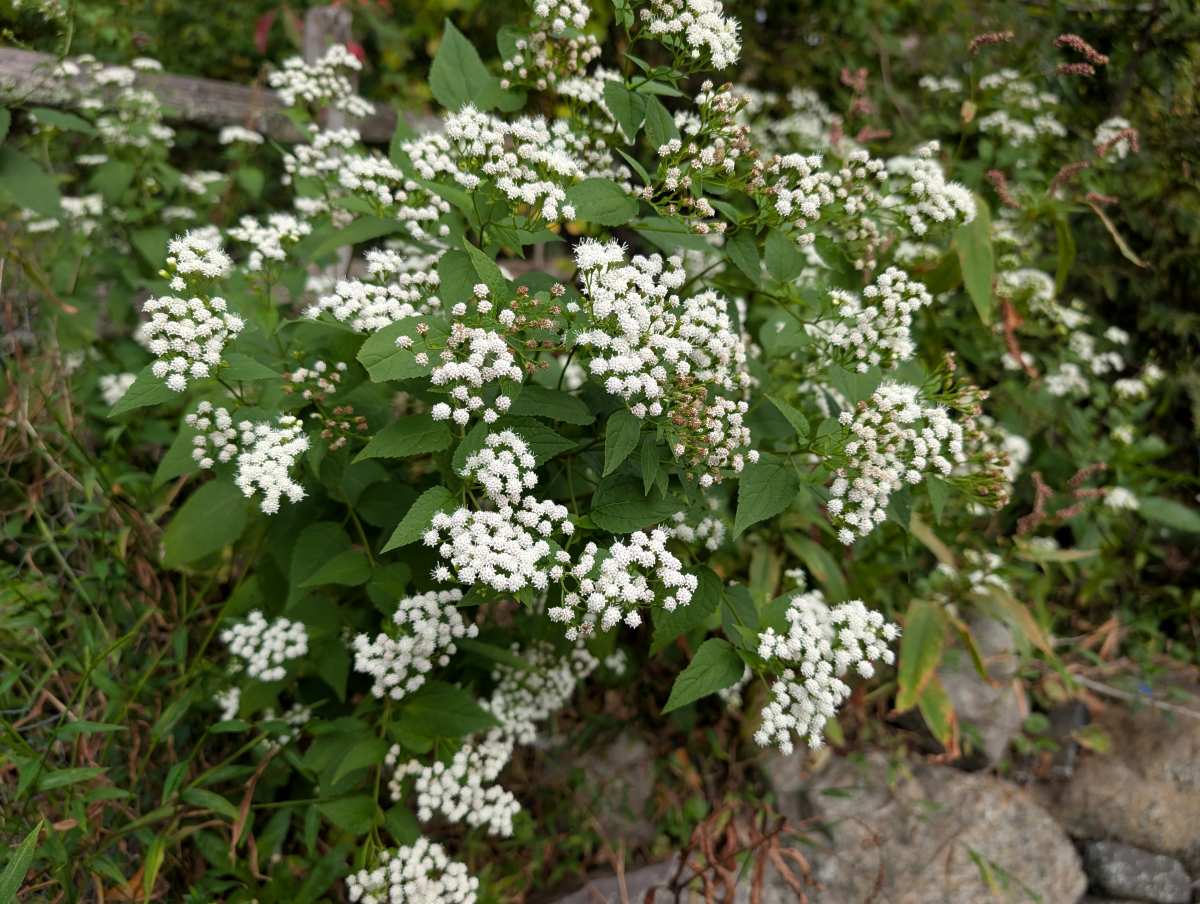
White Snakeroot (Ageratina altissima)
As our garden transitions into its autumnal resting phase, the native autumn flowers emerge. While often dismissed as mere “weeds,” these plants play a vital and often overlooked role within our ecosystem. Historically, these very plants were valued and used by Native American cultures for their medicinal properties, showcasing their enduring significance far beyond a simple aesthetic.
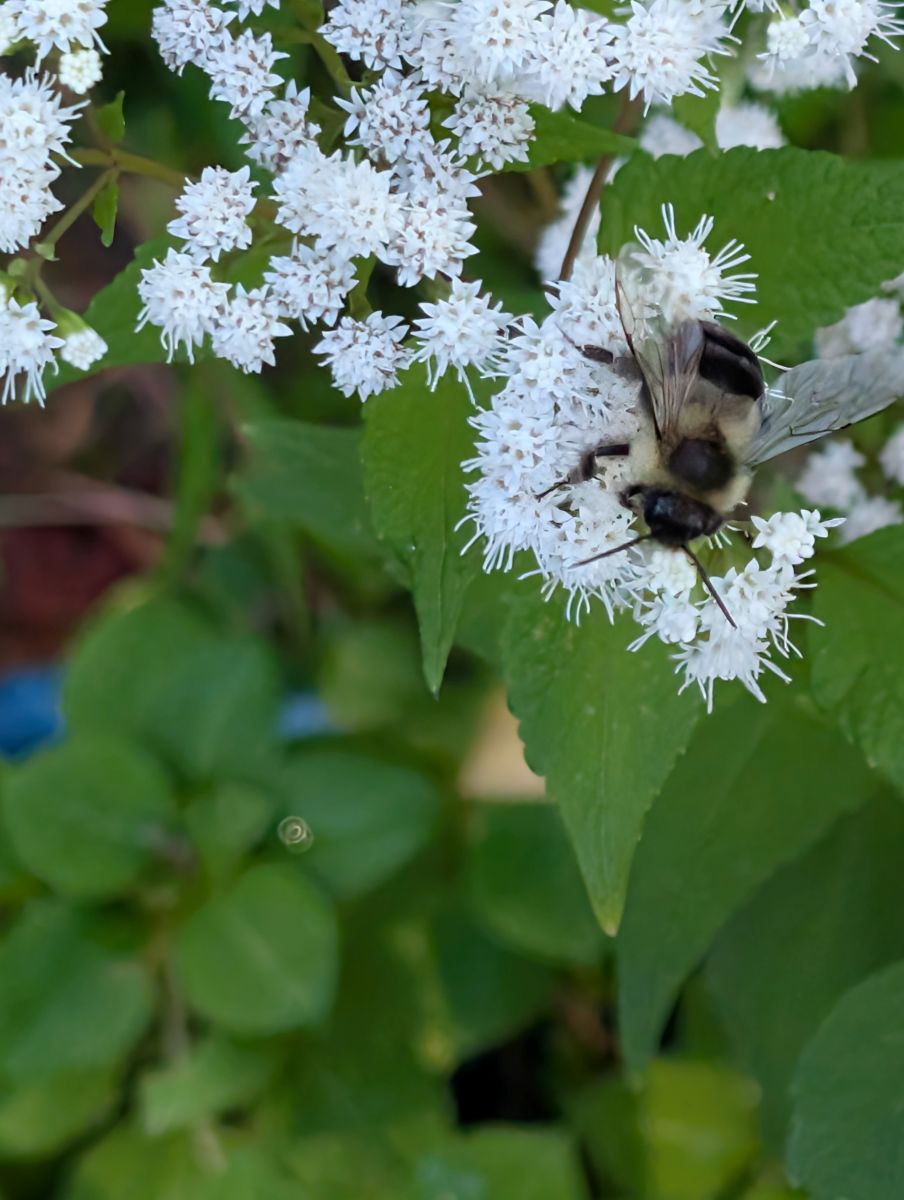
Bee feeds on aWhite Snakeroot (Ageratina altissima)
Native Autumn plants become an invaluable and vital food source, supporting the local pollinator populations and contributing significantly to the overall health and biodiversity of our local ecosystem.
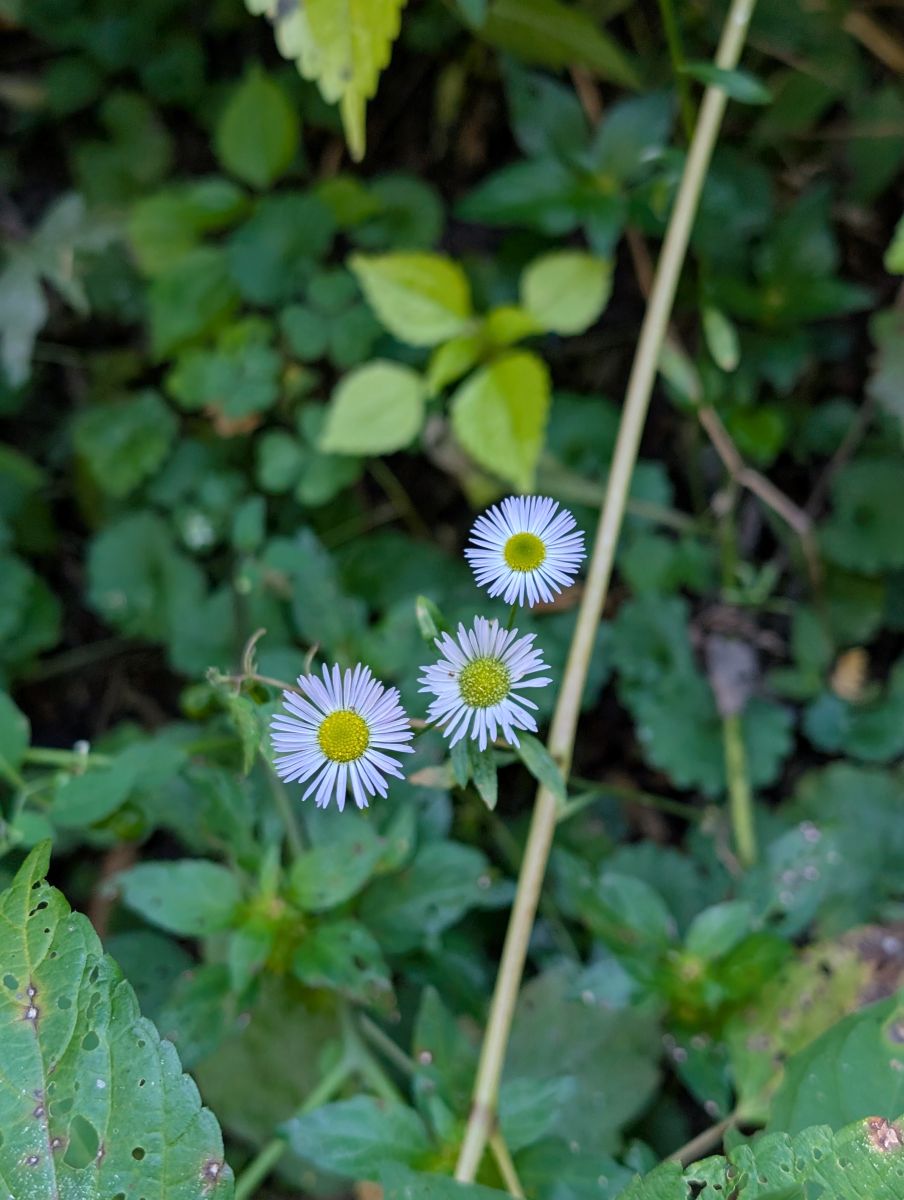
Robin’s Plantain (Erigeron pulchellus)commonly known as fleabane
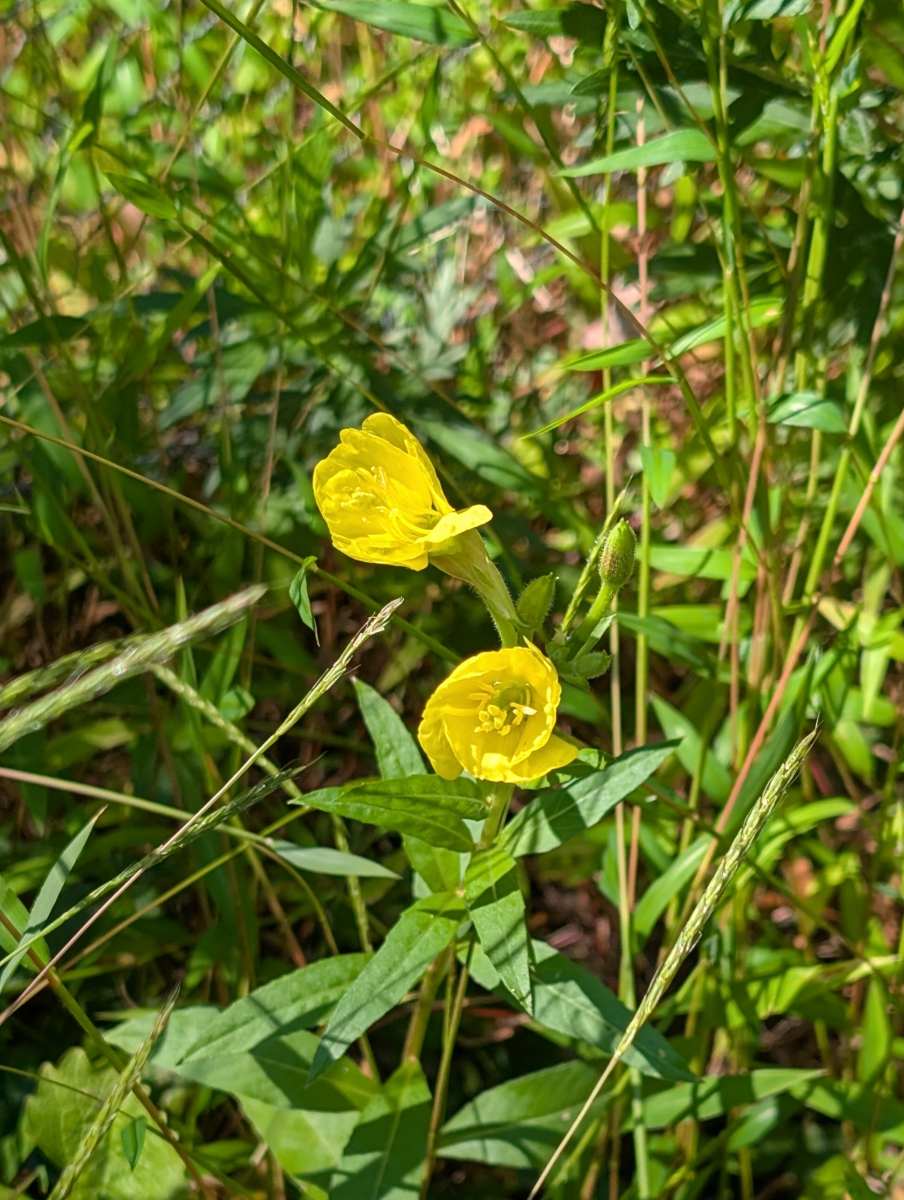
Little Evening Primrose (Oenothera perennis).
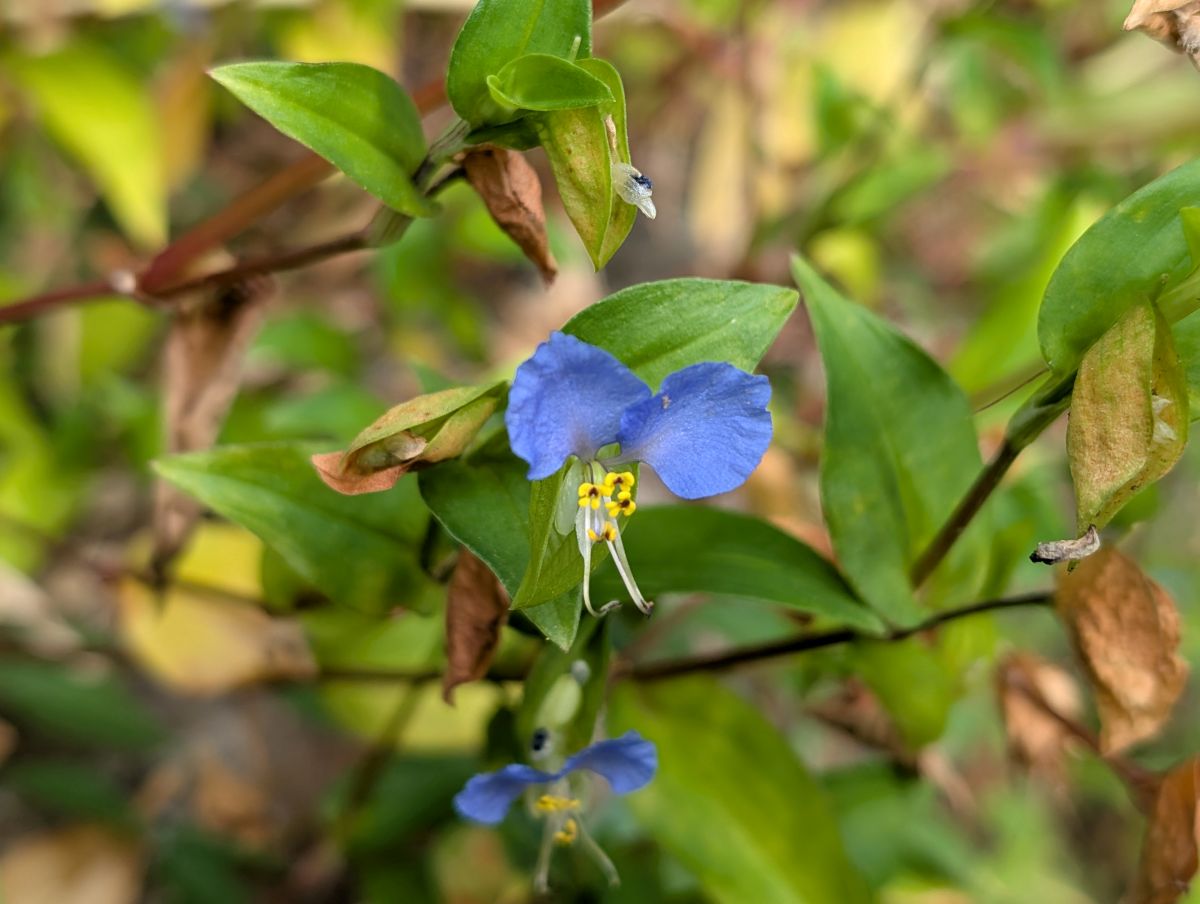
Asiatic Dayflower (Commelina communis).
“We Can Pickle That”
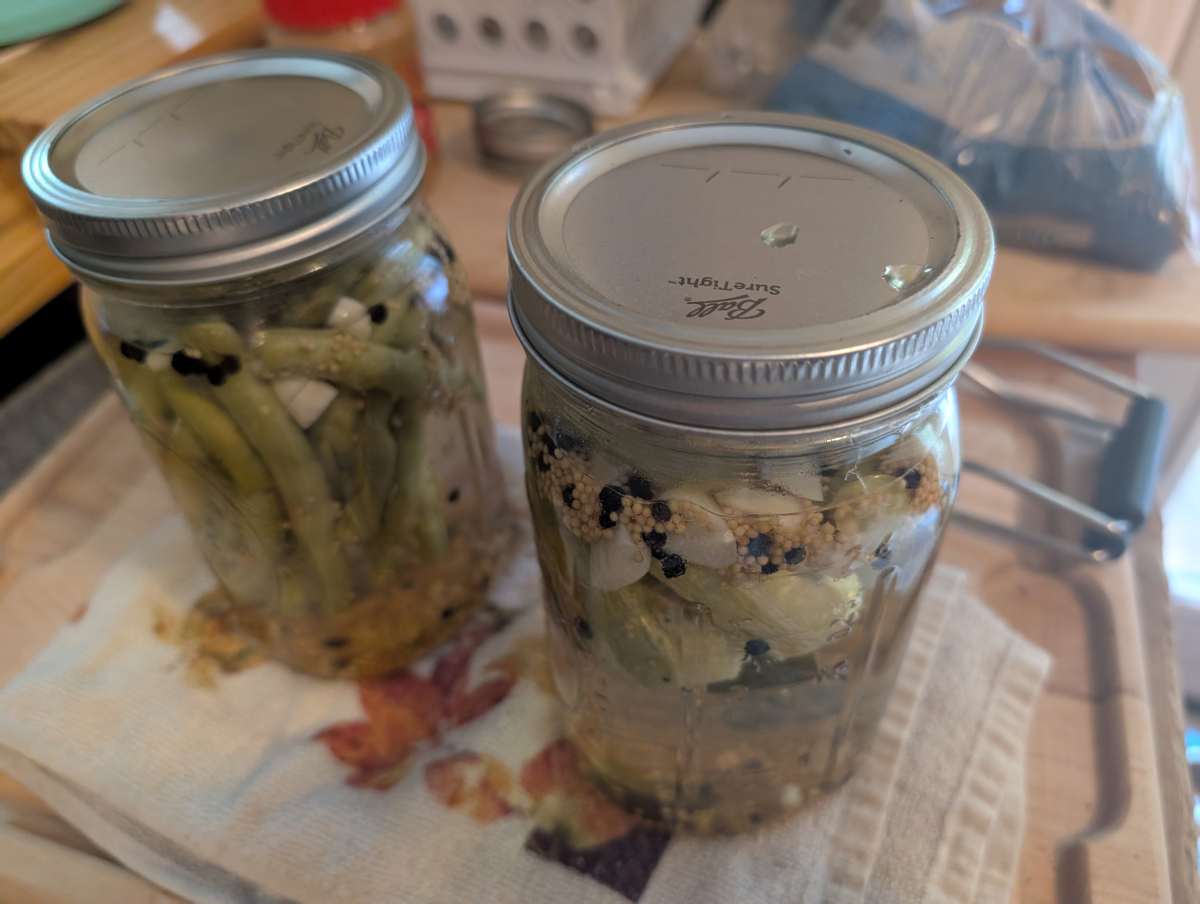
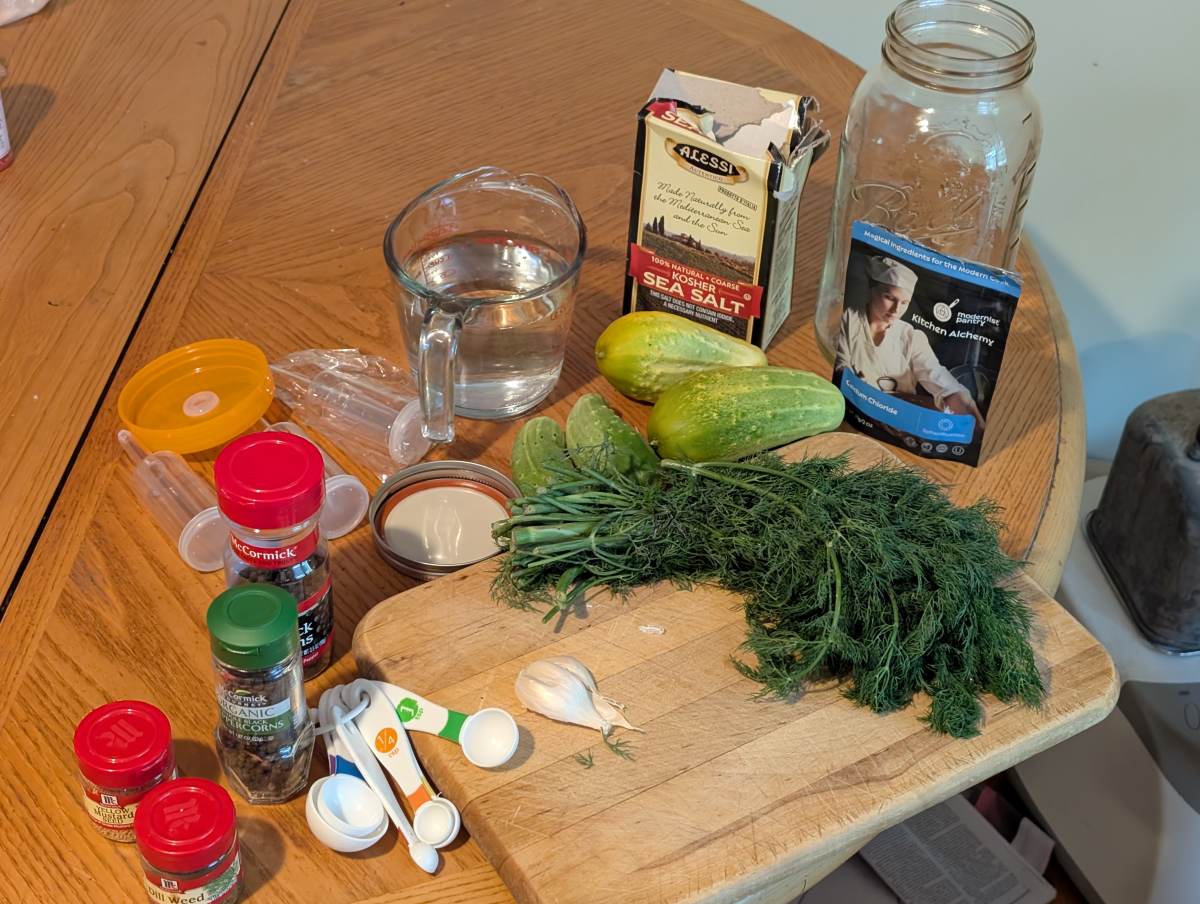
Pickling Pole Beans (garden beans) and whole Pickling Cucumbers
As we have been harvesting the bounty from our garden, we’ve also been preserving our fresh produce to ensure we can enjoy these flavors throughout the extended winter months. Our preservation efforts have already yielded delicious results, as we’ve successfully canned ripe tomatoes and created tangy, flavorful pickled cucumbers. Currently, we are embarking on another preservation project: pickling green garden beans. The process begins with the creation of a flavorful brine, which we then use to carefully fill our canning jars. Finally, we ensure the safety and longevity of our pickled garden beans by processing the sealed jars in a hot water bath.
Brine for pickling: 2 -1/2 cups water 2 cups vinegar 5% acid 1/4 cup sea salt (non-iodized) 1/4 cup sugar Using a stainless steel pot, combine ingredients and bring to a boil, then simmer until filling of canning jars.
Prepare quart canning jars with 2 tsp. mustard seeds, 2 cloves garlic, 2 tsp. peppercorns, 1/4 tsp. food-grade calcium chloride. Add garden beans to jars and fill with brine to approx. 1/2 inch from the top. then process sealed jars in a hot water bath for 15 minutes. Store jars in cool dry place.
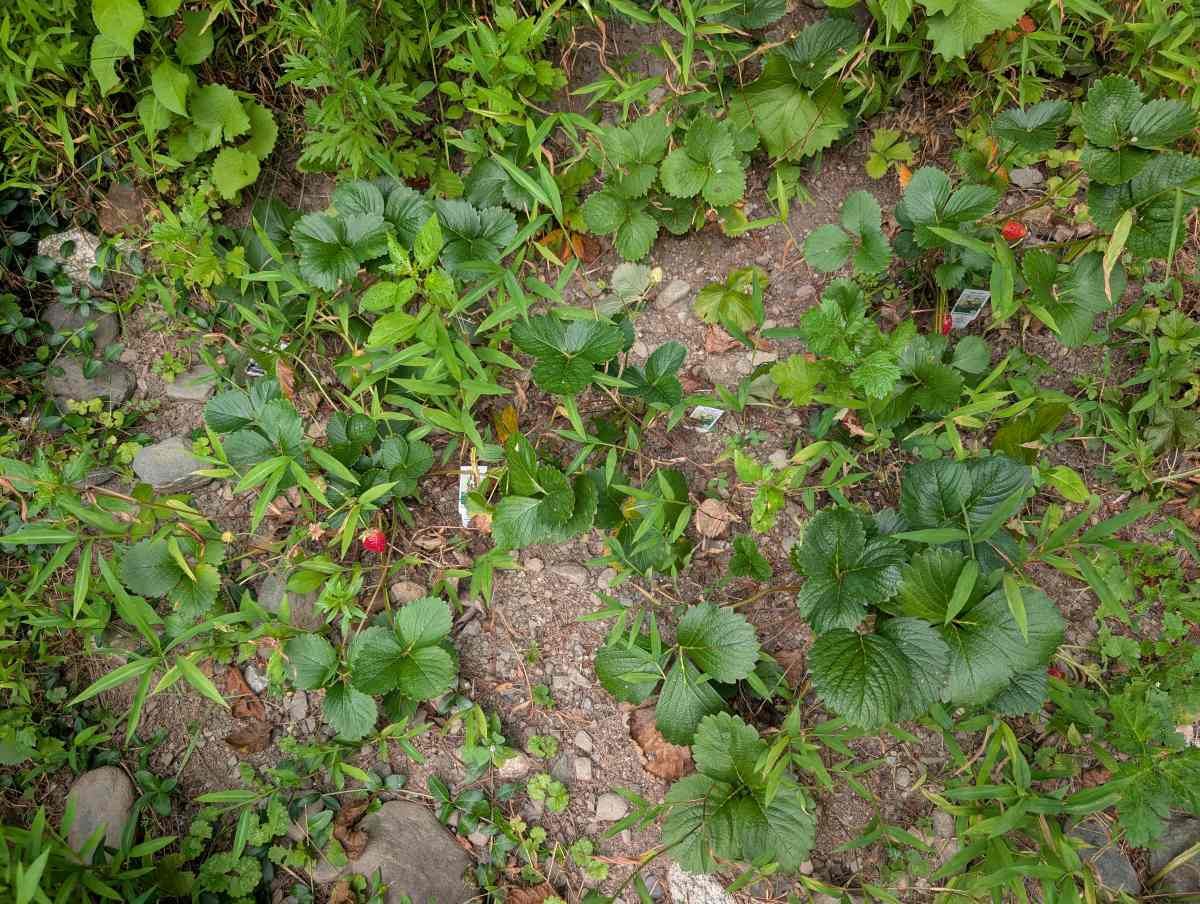
As our garden continues to change and mature, we are rewarded with a small but steady harvest of strawberries each week. Our garden beans, displaying their vibrant energy, are currently in full bloom and are producing a bountiful second crop. To maintain the health and productivity of our garden, we’ve been weeding activities, and we’ve been supplementing the sporadic rainfall with the use of our sprinklers to ensure optimal moisture levels for our plants.
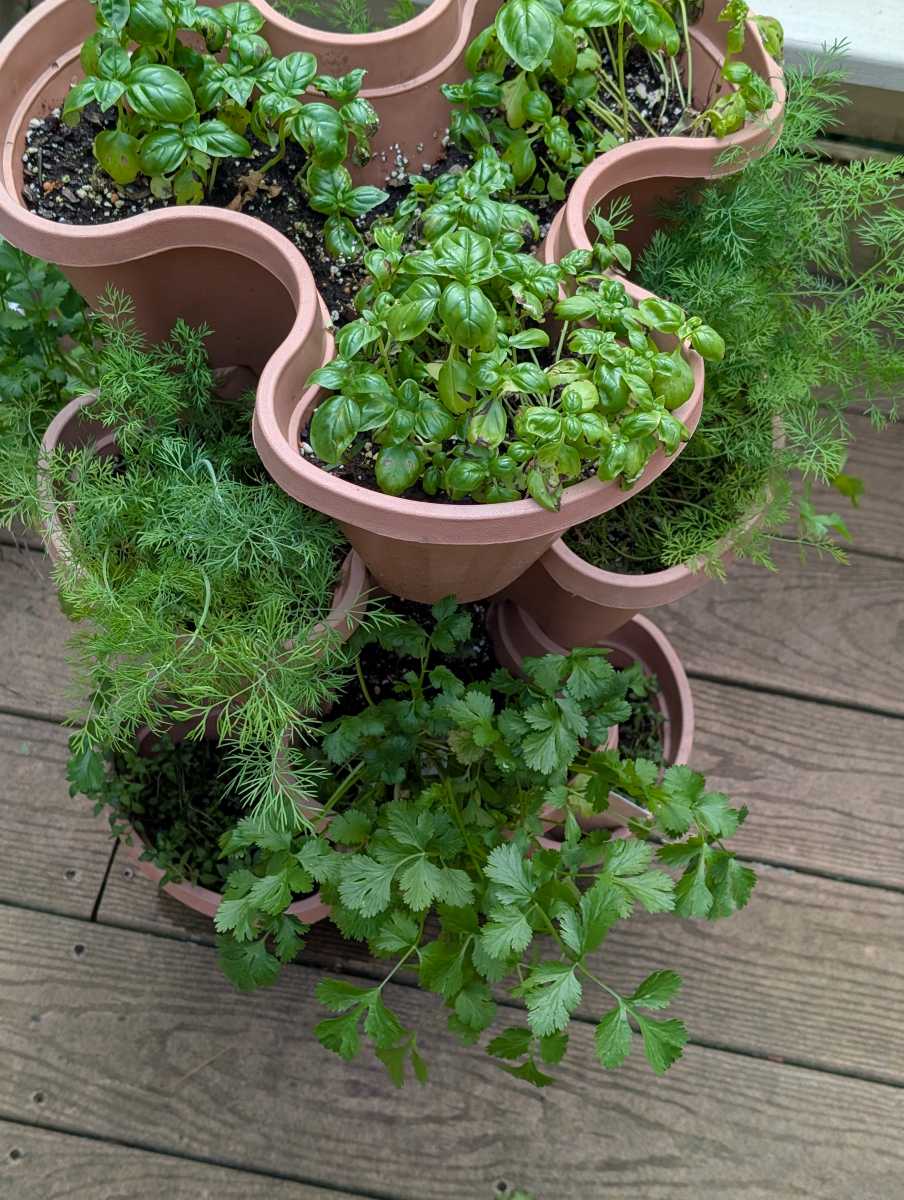
Stacked herb garden
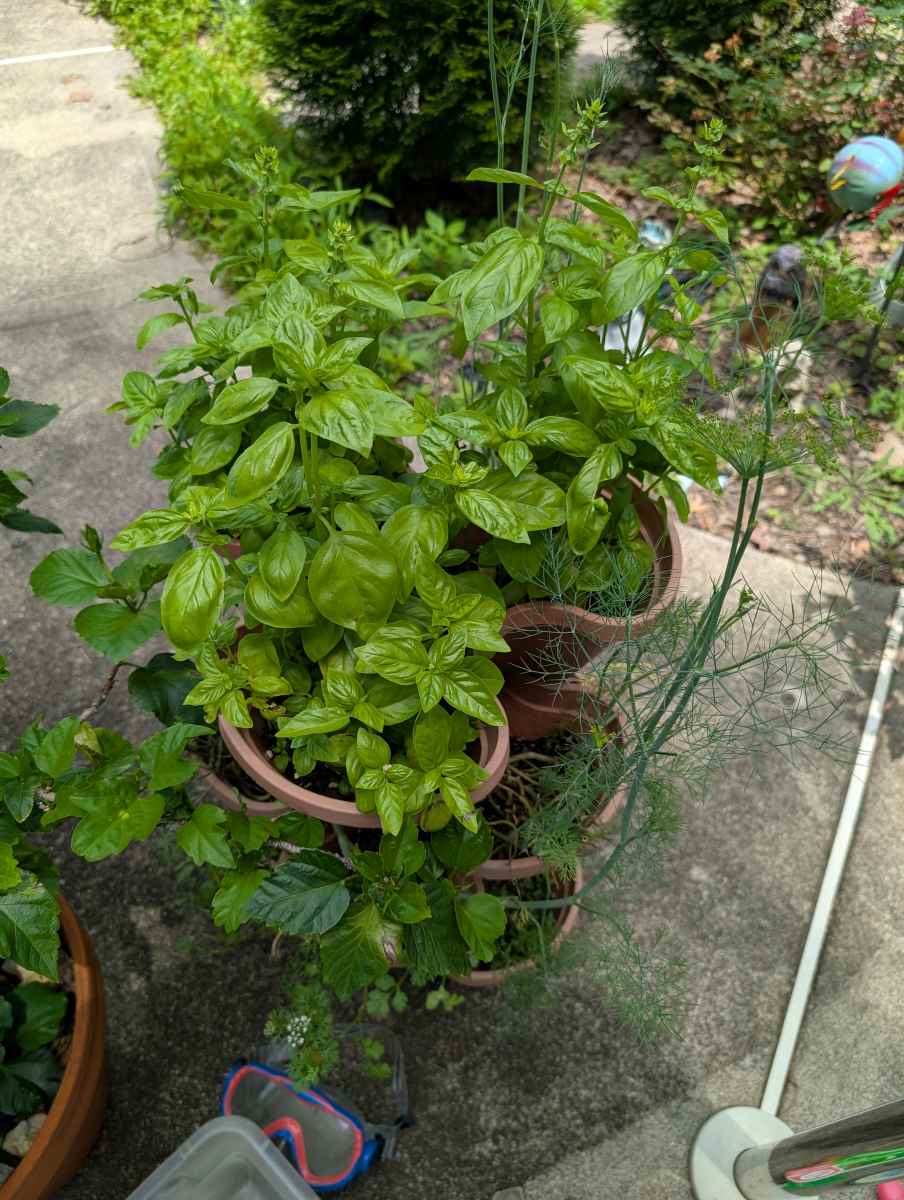
Our herb garden truly flourished this season, with an abundance of fresh herbs including basil, dill, and even some thyme. The fresh basil was the star ingredient in several delicious pasta dinners, transformed into vibrant pesto to perfectly complement the dishes. The dill and thyme, on the other hand, were incorporated into our meals, providing delightful aromatic notes to both our chicken and fish preparations. To ensure a continuous supply of fresh herbs, we emptied and thoroughly cleaned our stackable herb garden, preparing it for a second planting. For this new planting, we are continuing with our favorites, basil and dill, but we also decided to expand our culinary options by adding in fresh chives and fragrant oregano.
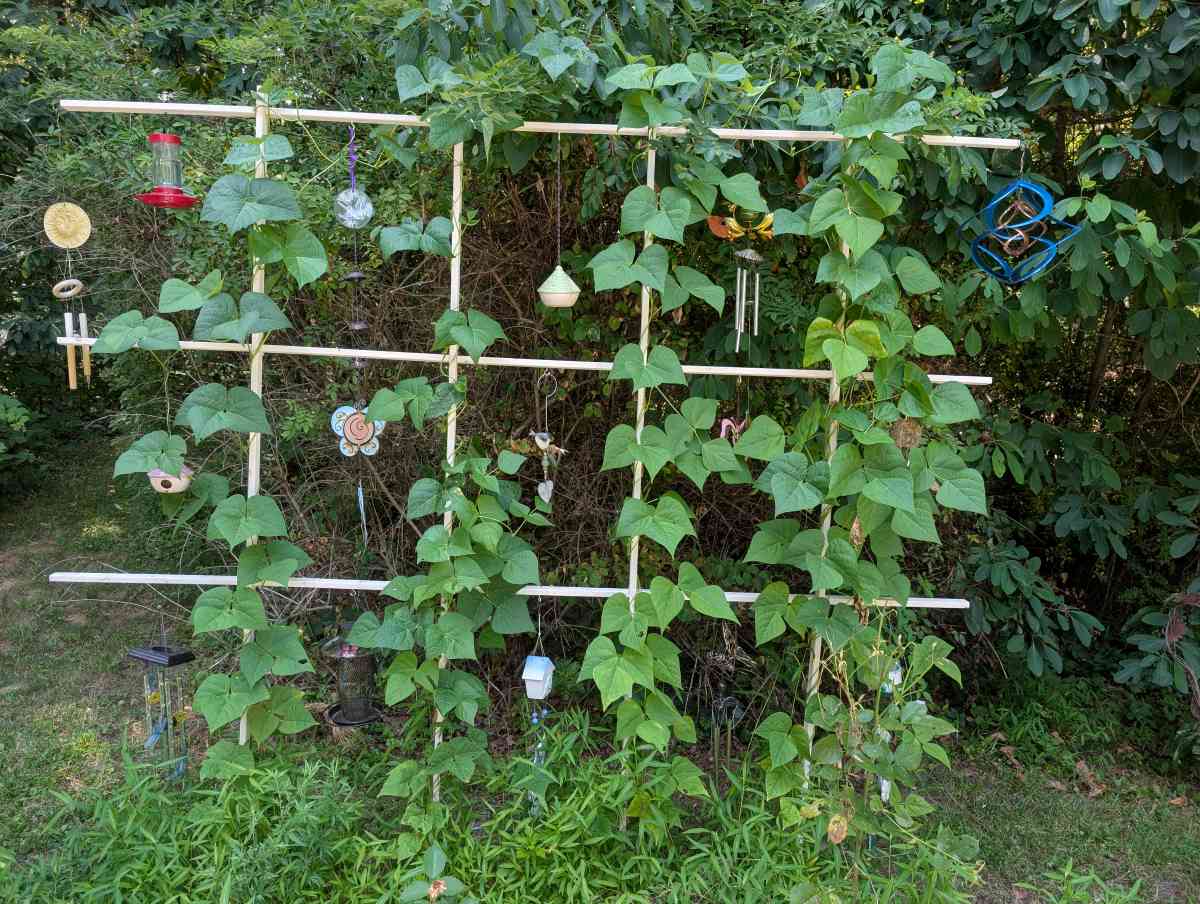
Pole Beans growing on our “bird shrine”(wind chime trellis)
Our herb garden truly flourished this season, with an abundance of fresh herbs including basil, dill, and even some thyme. The fresh basil was the star ingredient in several delicious pasta dinners, transformed into vibrant pesto to perfectly complement the dishes. The dill and thyme, on the other hand, were incorporated into our meals, providing delightful aromatic notes to both our chicken and fish preparations. To ensure a continuous supply of fresh herbs, we emptied and thoroughly cleaned our stackable herb garden, preparing it for a second planting. For this new planting, we are continuing with our favorites, basil and dill, but we also decided to expand our culinary options by adding in fresh chives and fragrant oregano.
Our pole beans are doing well. The plants have overrun our bird shrine and our weather garden fence. On the garden fence I am trying to train the bean stalk onto a wood pole off from the rose bush on the other side of the fence. I am now getting flowers on the pole beans and hope to be harvesting soon.
Tomato Alley – August 5, 2025
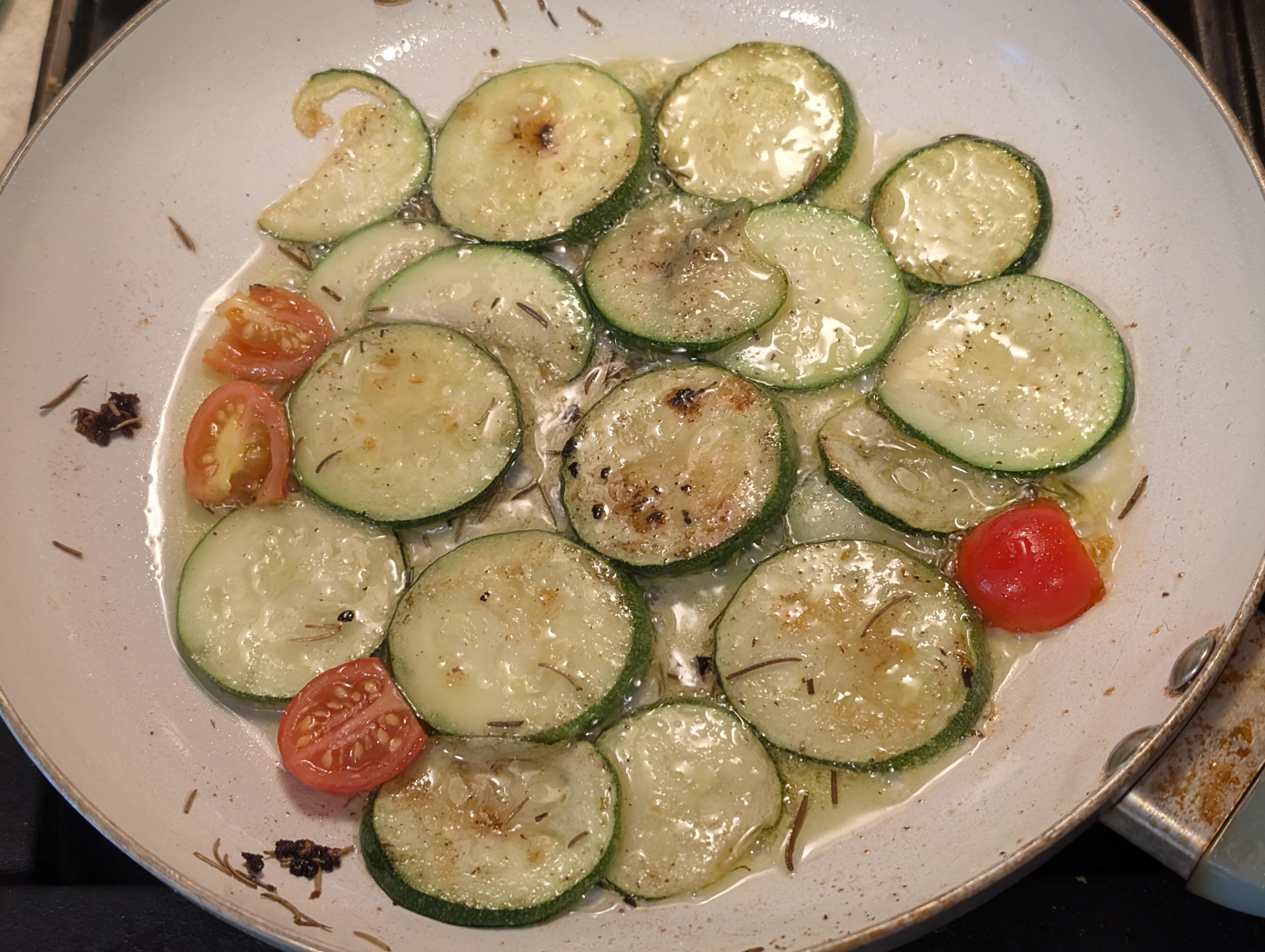
Tomato Alley is flowering and has many tomatoes nearly ready to pick.. We harvested a small tomato and made a BLT sandwich. We have also been harvesting cherry tomatoes and adding them to our salads and sauteed zucchini recipe.
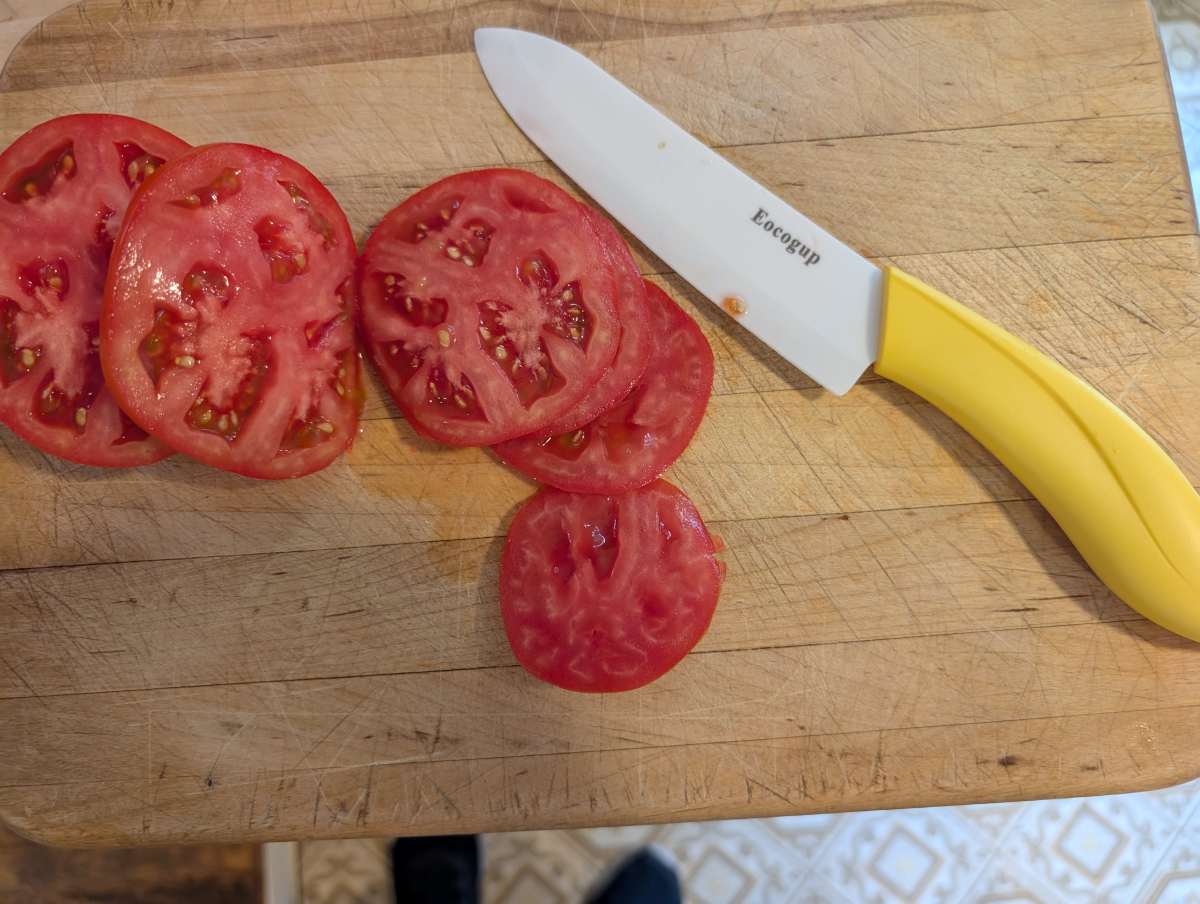
Jersey Tomato Sandwich (official)
Our favorite tomato sandwich:
toasted fresh seeded rye bread
1 tbsp mayonnaise
thin sliced garden tomato
jersey tomatoes on the vine
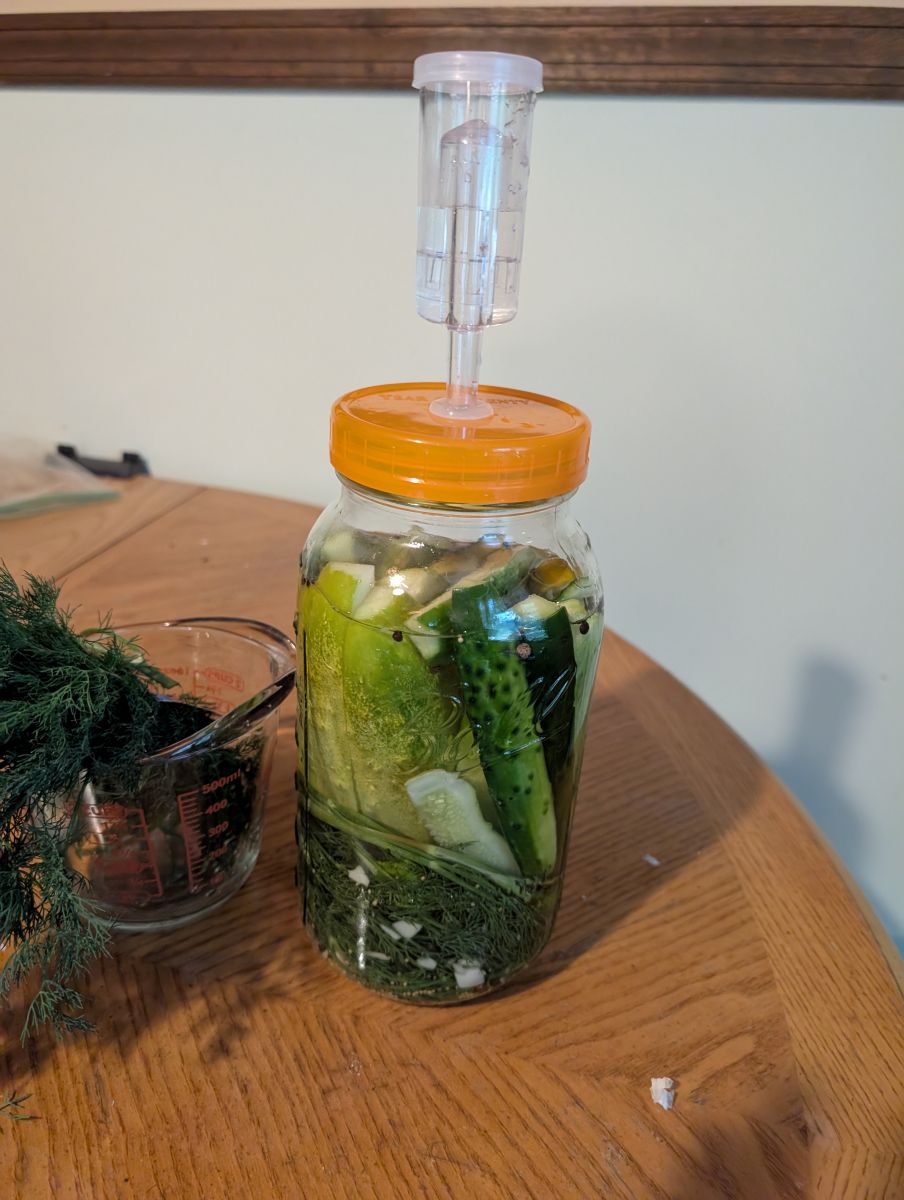
Vineland, our cucumber garden is fully flowering and climbing a nearby fence. We were able to harvest enough pickling cucumbers to make our half-sour summer pickles!
Weather Garden flowers, carrots, eggplant, simpson black seed lettuce, and garden beans
With the turn of July, summer is officially in full swing. The garden is thriving and I am beginning to reap the rewards of all of my hard work with the very first harvest. This includes checking on the progress of our tomatoes and cucumbers. To make sure that the yield is as large as possible, I am actively weeding and watering, but I am also carefully monitoring any changes in the garden. I will need to address any problems as quickly as possible to prevent any negative impact on the garden.
After a rainy June, July has changed to the more seasonal hot and humid weather we expect, and the kind that’s perfect for tomatoes and eggplant. Our new tasks include weeding and watering. But we were able to pick a few crops of simpson black seed lettuce and we harvested a few radishes.
“Water your garden in the morning or early evening. Hot sunny weather dries out the soil quickly”
rt23 staff
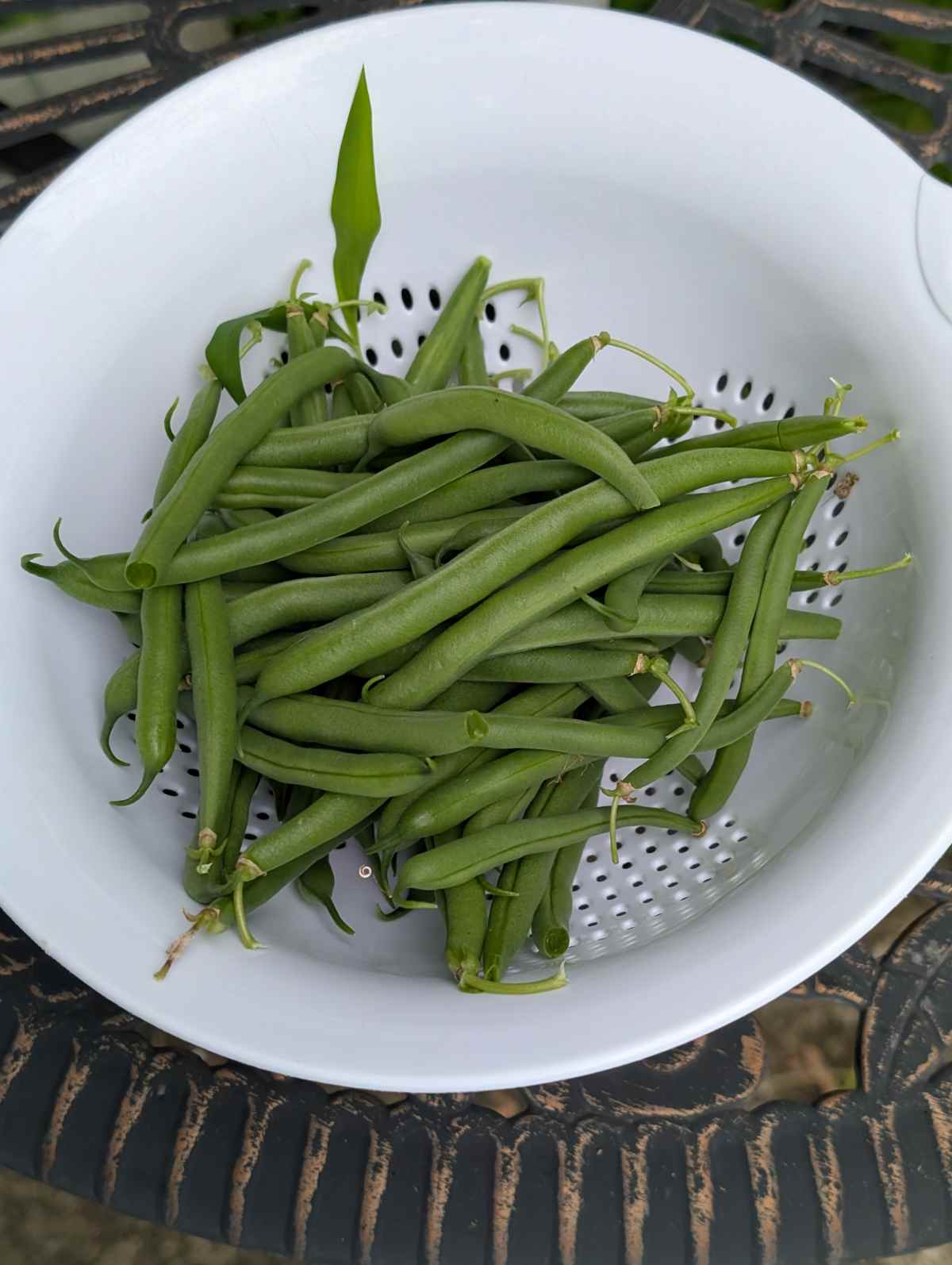
We planted the garden beans back in April. The plants are growing well and we have been harvesting them every couple of days. They seem to be producing very well, so it looks like we’re going to have a bounty of garden beans this year. We plan to have them as a side dish by grilling them, sautéing them, or steaming them. Also, some of our surplus garden beans will be blanched and frozen to use in soups and stews next winter. We will be picking the garden beans when they are tender before the seeds form in the pods. It will be great to have a surplus of garden beans to eat and freeze for the winter.
Our tomatoes and cucumbers are flowering as well asour summer squash, zucchini and pumpkins, so we expect produce soon..
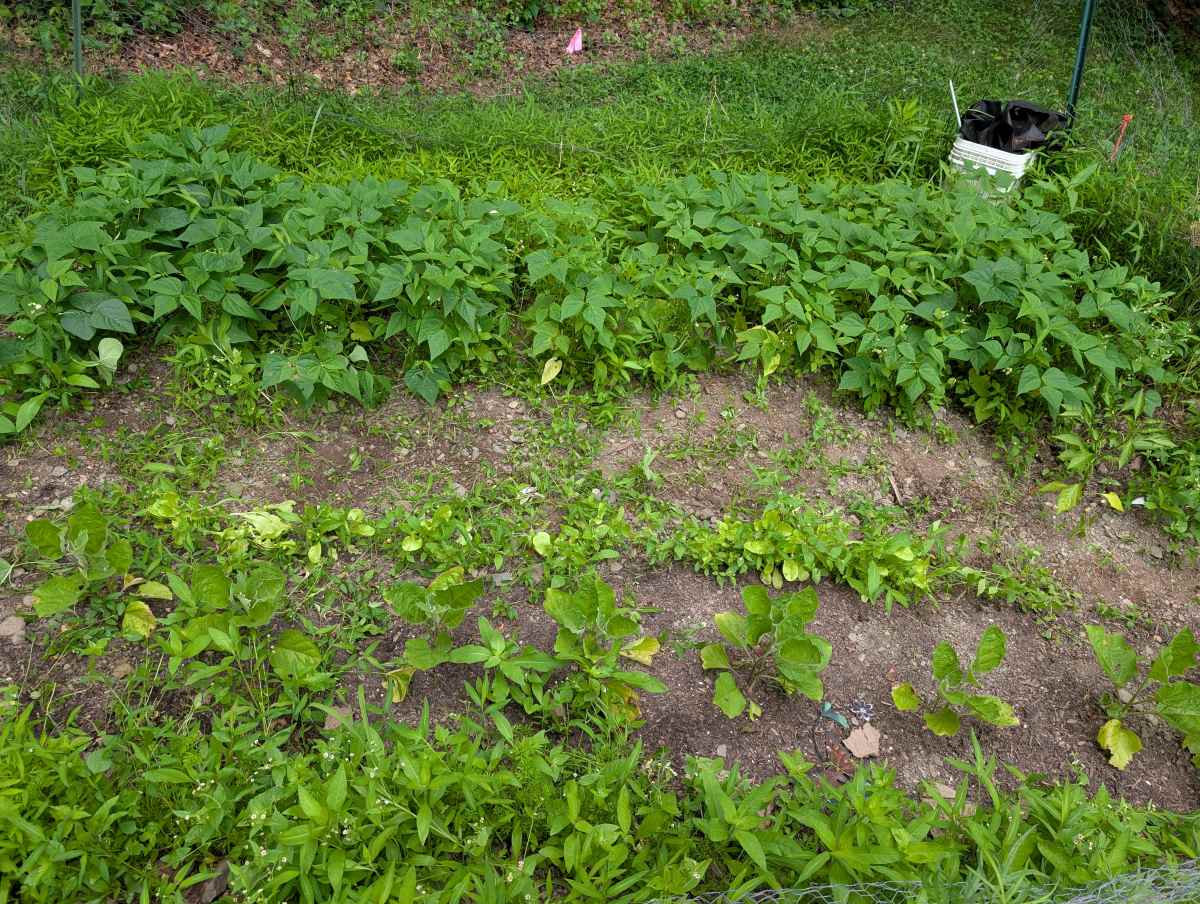
Not perfect, but weeding has freed eggplant and garden beans from being choked by weeds
With the June rains, we’re mainly concerned with the amount of weeds that have sprouted up around our plants. So far, we have been removing the weeds from the areas around our plants. The ground cloth has limited the weeds growing in those areas. However, the area between our rows of vegetables doesn’t have the ground cloth. There we need to use a rake and hoe to clear the area of weeds. It is a lot of work. It doesn’t need to be perfect, but it does need to be effective.
Stacked vertical containers with thyme, cilantro, dill and basil
Our herb garden is producing a lot of basil, dill, and cilantro, making us pretty excited about all the cooking we can do. The fresh herbs have been a real treat to use in our kitchen, and we’ve been making some really delicious meals with them. We started stacked vertical containers indoors in March and transferred them outside in June. We’ve been using the fresh herbs, and we’ve also been freezing the surplus for future use, because who doesn’t love a good stockpile? We’ll be using the dill to make pickles with our cucumbers.
Tomato: Tomato Alley
Our tomato garden, affectionately known as “Tomato Alley,” unfortunately suffered the loss of three to four plants during the unusually cool and rainy conditions we experienced in June. To address this setback, I replenished the missing plants by acquiring replacements from both Walmart and a local nursery. Recognizing that the tomato seedlings I had painstakingly nurtured indoors from seeds were exhibiting signs of stress and were somewhat undersized, I decided to intervene with a dose of Miracle-Gro. This decision appears to have been a successful one, as the fertilizer proved effective in revitalizing the plants. They have responded remarkably well, and now present a much healthier appearance. It’s gratifying to observe that all the tomato plants are actively flowering and thriving. Furthermore, the purchased plants are already bearing a promising quantity of tomatoes, and I am optimistic about the prospect of being able to resume my tomato canning tradition this year, preserving the bounty of the season for future enjoyment.
Garden Issues and Concerns
As anyone who has ever tried to cultivate their own little piece of the earth knows, maintaining a garden is an incredibly fulfilling, yet often unpredictable, endeavor. While the rewards of harvesting fresh produce and enjoying the beauty of nature are immeasurable, the journey is not always a smooth one. From the constant vigilance against pests and diseases to the ever-changing whims of the weather, gardeners are constantly faced with obstacles that can test their patience and determination. As we stand at the halfway point of the growing season, it’s time to acknowledge and address some of the specific challenges we’ve encountered, providing insights into the ongoing process of learning and adapting to the ever-evolving world of our garden.
I’ve been spared major damage to my garden. I did lose a few strawberries to chipmunks, but that’s about all. I haven’t seen much of my resident groundhog, but I did see two fox kits in my yard one morning. My guess is their den isn’t far off. I’m thinking that’s the reason the groundhog isn’t foraging in my garden. Of course, it could be the foxes’ dinner, too. But I’m not too sorry about that.
Animals
While we appreciate observing the native animals of New Jersey, certain species, including rabbits, groundhogs, and deer, can unfortunately cause significant damage to both our vegetable and flower gardens. To address this challenge, I’ve adopted a strategy that involves creating a protective perimeter using cayenne pepper. Specifically, as soon as I’ve tilled the garden to prepare it for planting, I begin sprinkling cayenne pepper around the entire perimeter. The reasoning behind this approach is simple: by creating an immediate deterrent at the edge of the garden, we aim to prevent animals from even attempting to enter. There’s no incentive for them to cross this initial barrier. After seedlings and plants start growing, it becomes much more difficult to alter their foraging habits. So far, this method has proven quite effective in keeping unwanted visitors out of our garden space. I buy the cayenne pepper in bulk five pound bottles so it is cheap and effective.
Deer: The cayenne pepper seems to discourage deer als0. A fence is a good first line of defense, but deer are very good jumpers. Positioning a fence at a 45 degree angle to the ground may confuse deer because they have poor depth perception.
Another effective strategy to deter deer involves stringing fishing line between the existing fence posts to create a sort of overhead net covering the garden area. This method is completely non-harmful to the deer; however, it does create an element of discomfort for them. When they land on the seemingly invisible fishing line, it provides an unpleasant sensation, and because the line is difficult for them to see, it serves as an effective visual and tactile deterrent, discouraging them from entering the garden.
Another effective approach to deter deer involves utilizing deer-resistant plants as part of the garden’s landscaping. Through careful observation and experimentation, I’ve discovered that while deer seem to be quite fond of tulips, they tend to avoid daffodils. Consequently, each spring, I make a point of planting a generous quantity of daffodil bulbs, aiming to cultivate a vibrant and expansive display of these resilient flowers. This strategy not only provides a beautiful aesthetic but also serves as a natural deterrent, helping to keep the deer away from the more delicate parts of the garden. If you’re looking to discover more options for deer-resistant landscaping plants, I would recommend using this link.
July 21 Lots of Flowers, No Joy
We’ve been picking garden beans and Simpson lettuce, but last year, we were already harvesting cucumbers, tomatoes, and summer squash by this point in July. I’m convinced the unseasonal cold and rainy weather in June is the reason. That weather stunted the tomato plants and cucumber growth.
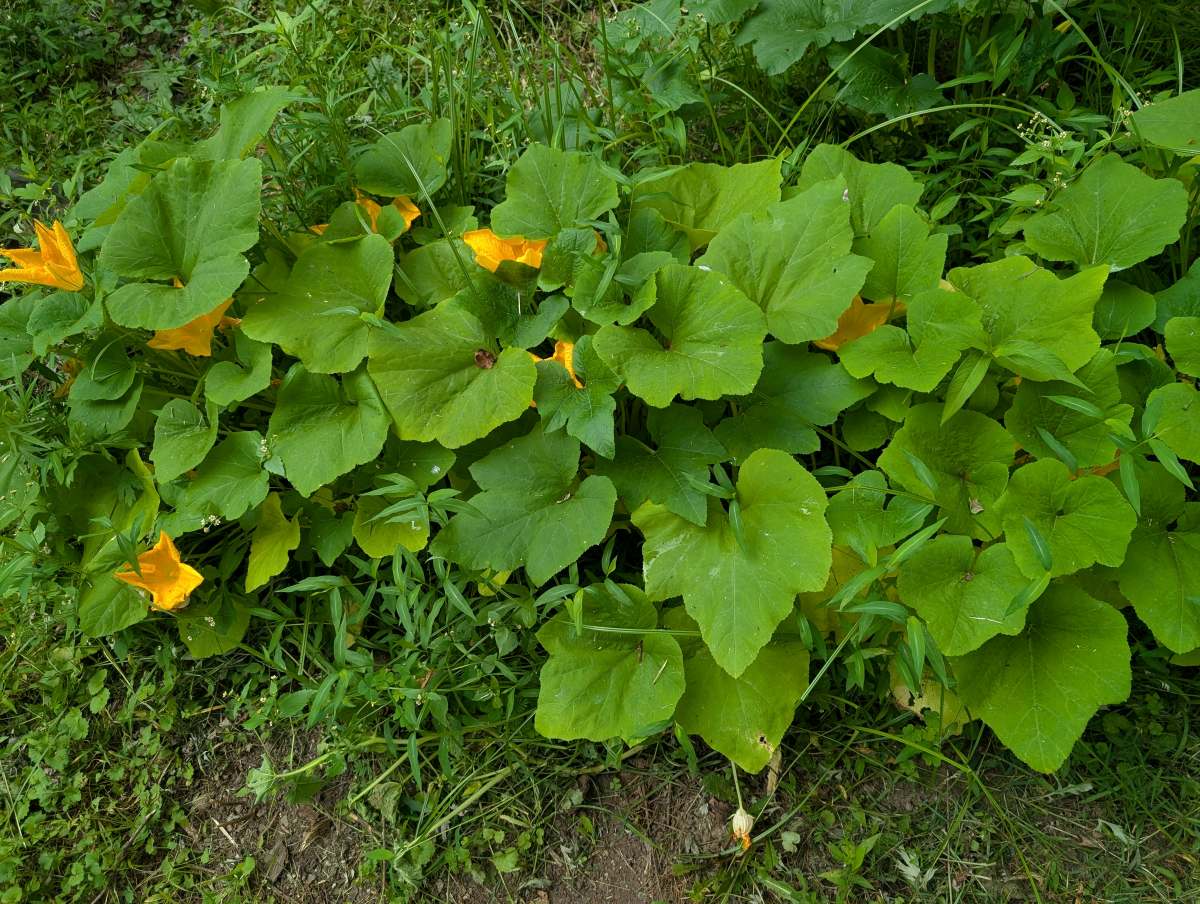
Cucumbers with many unproductive flowersSummer squash blooming, no fruit as of yet
Luckily, the tomato plants rallied in July, but I had to give them a dose of Miracle-Gro. I don’t normally fertilize my plants heavily, but I was desperate given their condition.
Harvest – July 26
So far, we have been harvesting Simpson lettuce, garden beans, and strawberries! We have now harvested our first zucchini and cucamelon.
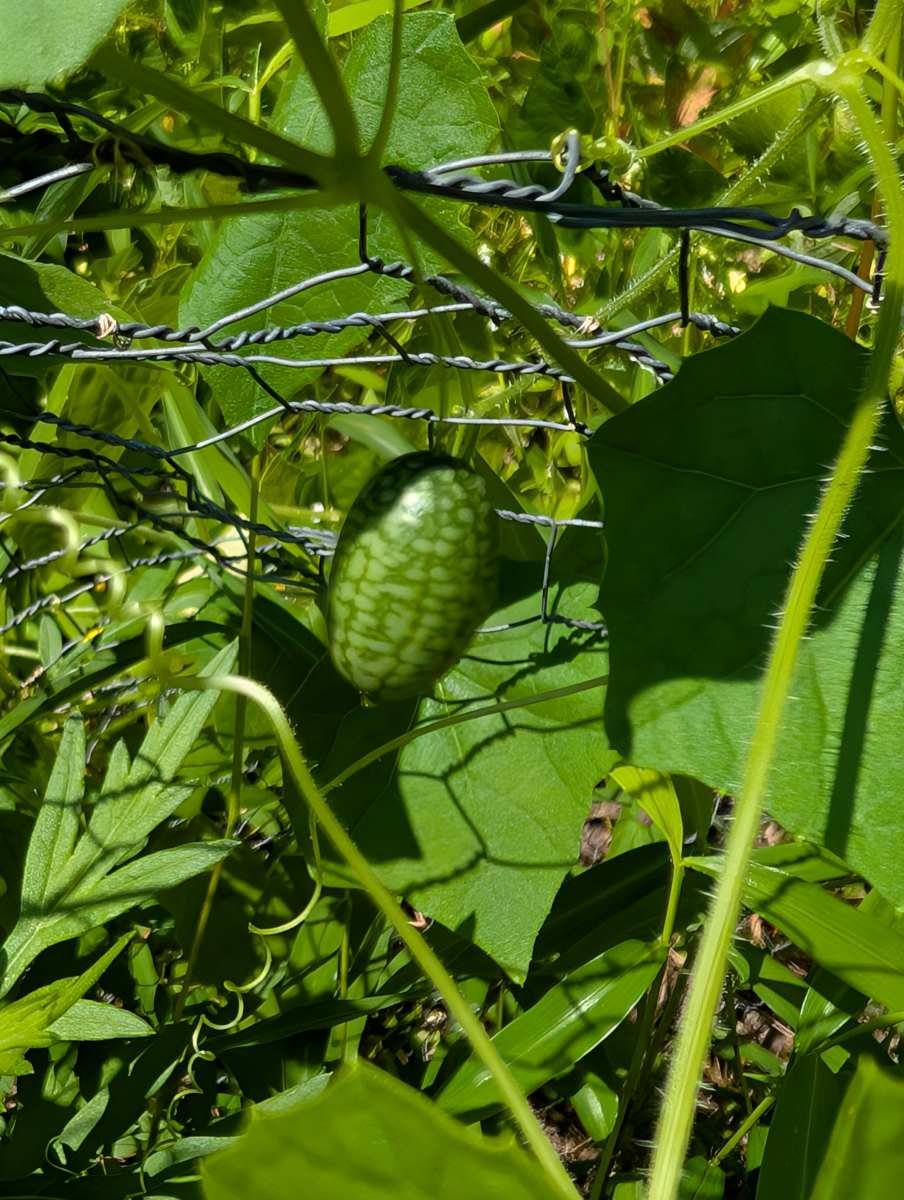
Cucamelon (Mexican sour Gherkin)
Cucamerons grow on our chicken wire garden fence in vines three feet or longer. Small yellow flowers produce small fruits resembling tiny watermelons. With just a few plants, we have an abundance of these grape-sized melons, which are great for a “pick and eat” treat. Cucamelons or Mexican Sour Gherkins taste like cucumbers with a slight citrus flavor. I usually start seeds indoors during March or April and transplant in May. Once planted outdoors, they grow fast with watering, hot weather and plenty of sun.
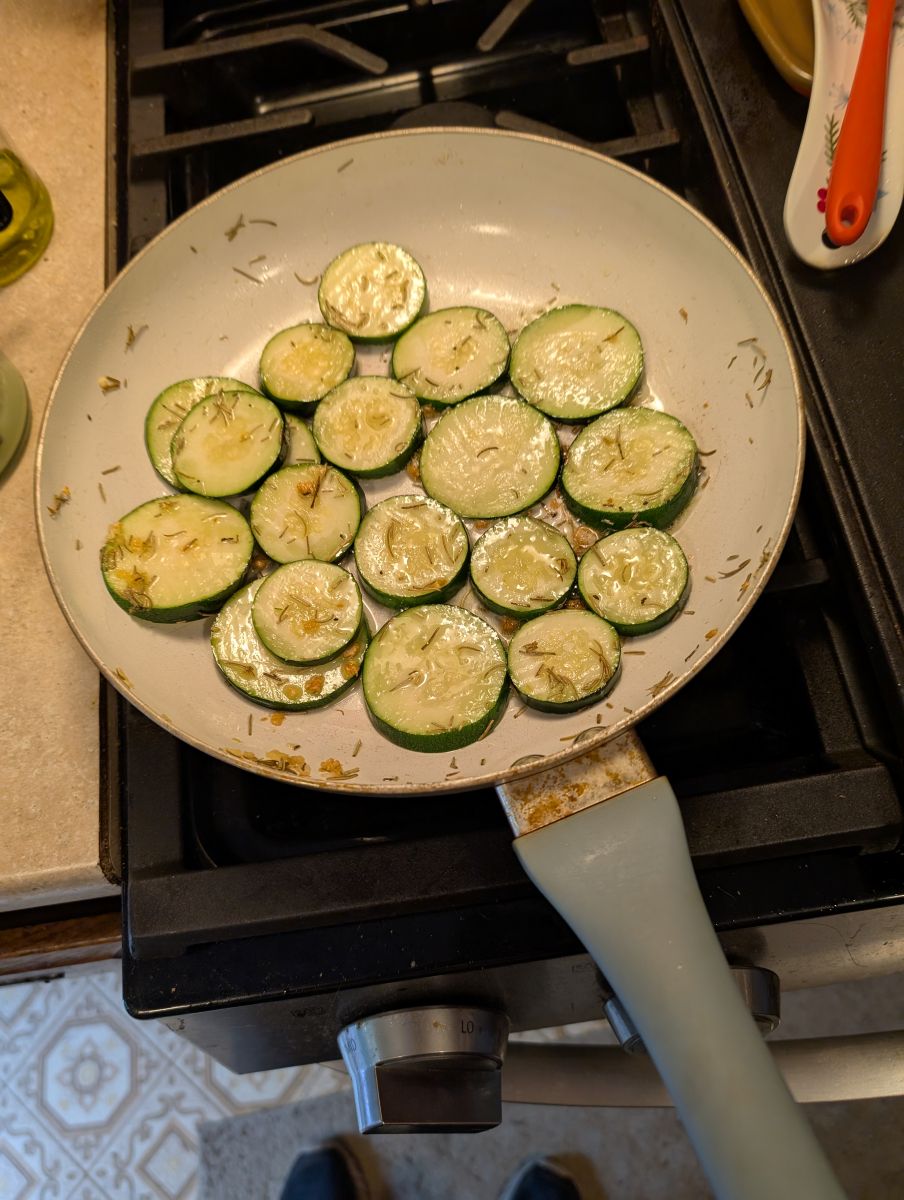
Simple Zucchini Recipe
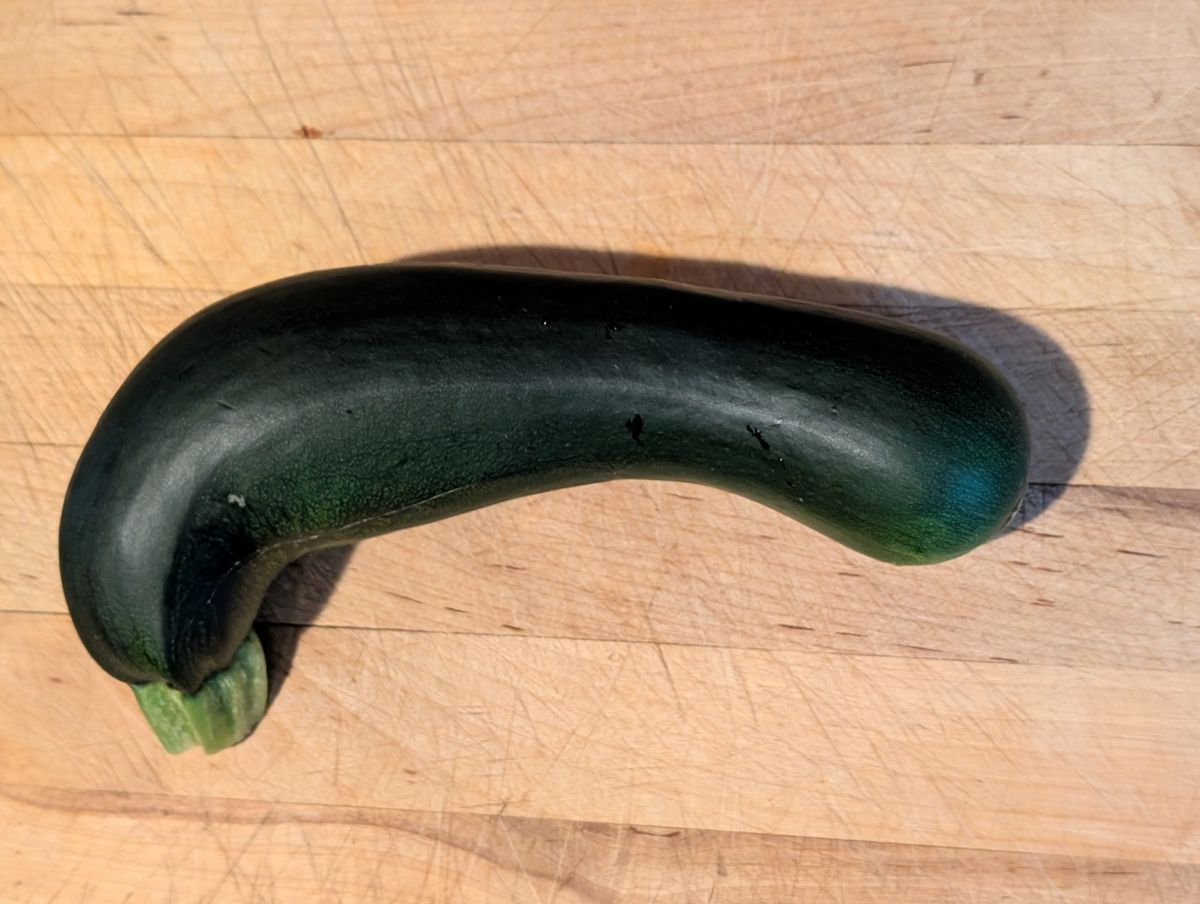
This is my first year growing zucchini. A friend who lived nearby always grew them because, as he said, “deer don’t bother with them.” Last year, I had good luck growing summer squash, so this year, I added zucchini to my garden. The plants grew well, have many flowers, and I harvested my first zucchini!
my first zucchini
zucchini sliced into ~1/2 inch sections
sauteed in olive oil, rosemary and garlic
I prepared the zucchini using the exact same cooking method that I used for the summer squash I harvested last year.


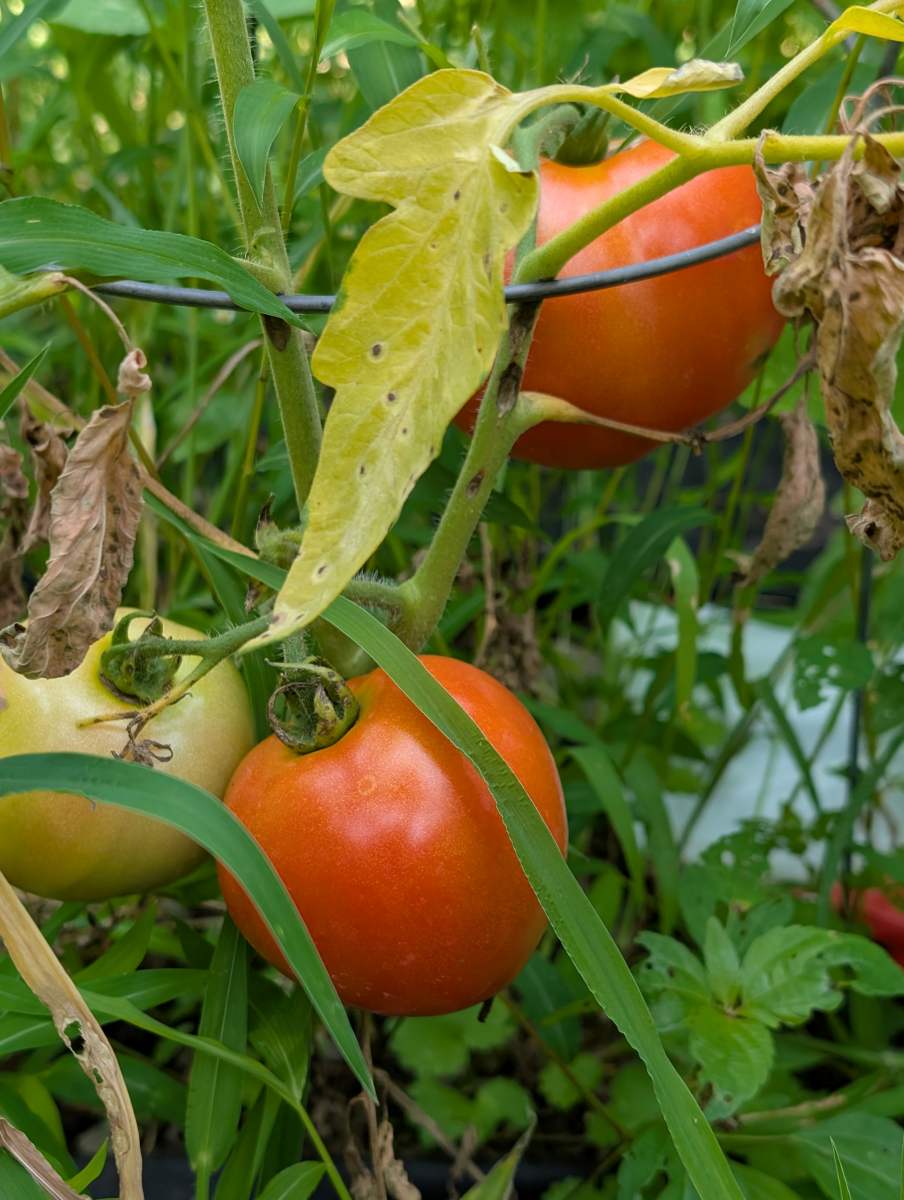

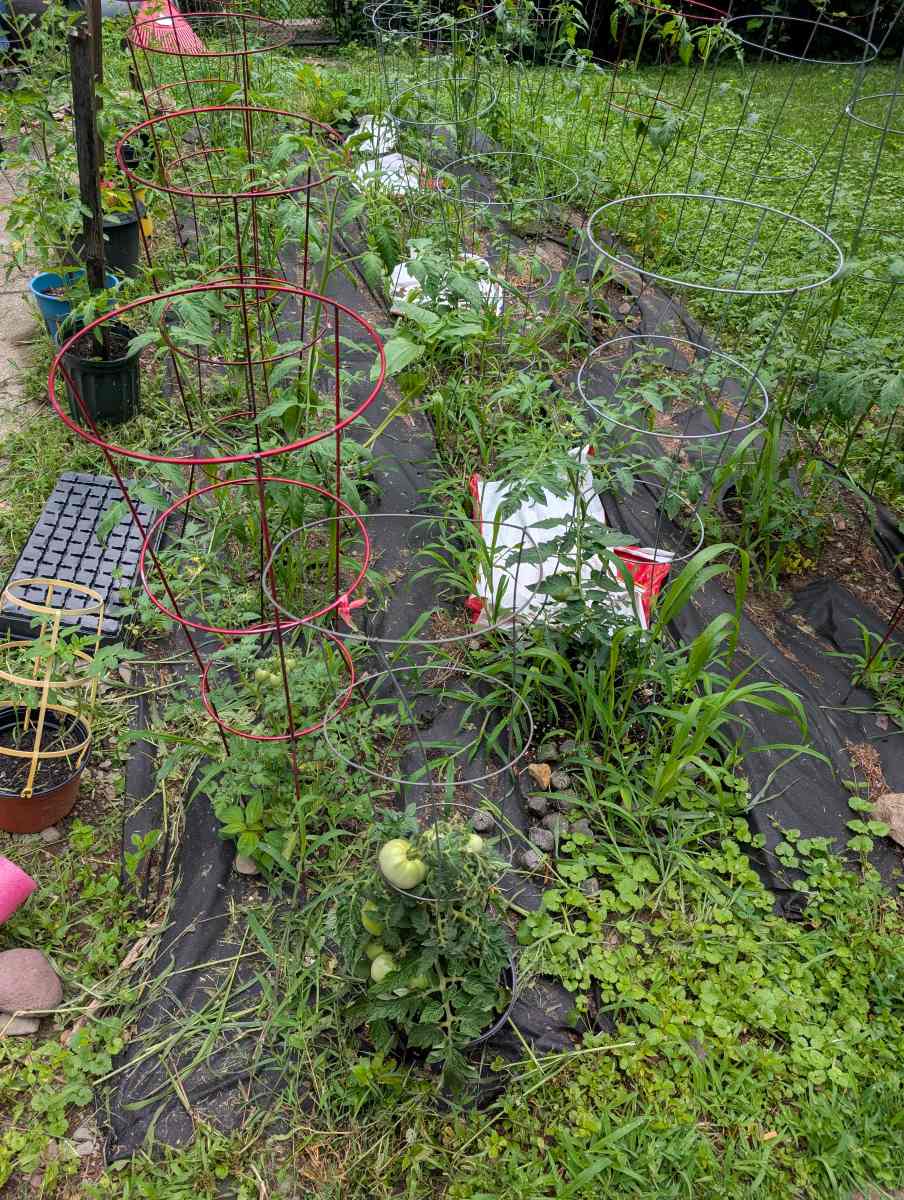 Our tomato garden, affectionately known as “Tomato Alley,” unfortunately suffered the loss of three to four plants during the unusually cool and rainy conditions we experienced in June. To address this setback, I replenished the missing plants by acquiring replacements from both Walmart and a local nursery. Recognizing that the tomato seedlings I had painstakingly nurtured indoors from seeds were exhibiting signs of stress and were somewhat undersized, I decided to intervene with a dose of Miracle-Gro. This decision appears to have been a successful one, as the fertilizer proved effective in revitalizing the plants. They have responded remarkably well, and now present a much healthier appearance. It’s gratifying to observe that all the tomato plants are actively flowering and thriving. Furthermore, the purchased plants are already bearing a promising quantity of tomatoes, and I am optimistic about the prospect of being able to resume my tomato canning tradition this year, preserving the bounty of the season for future enjoyment.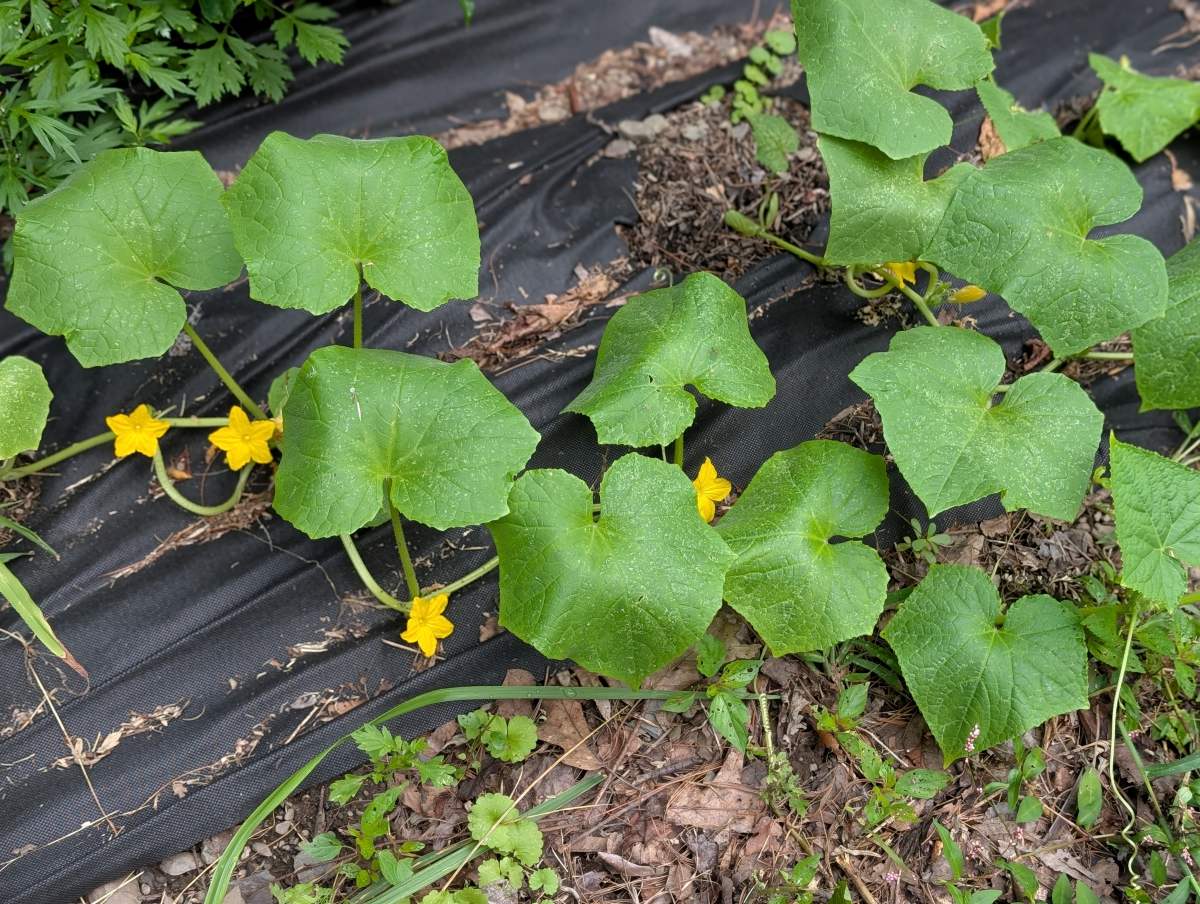


Leave a Reply
You must be logged in to post a comment.