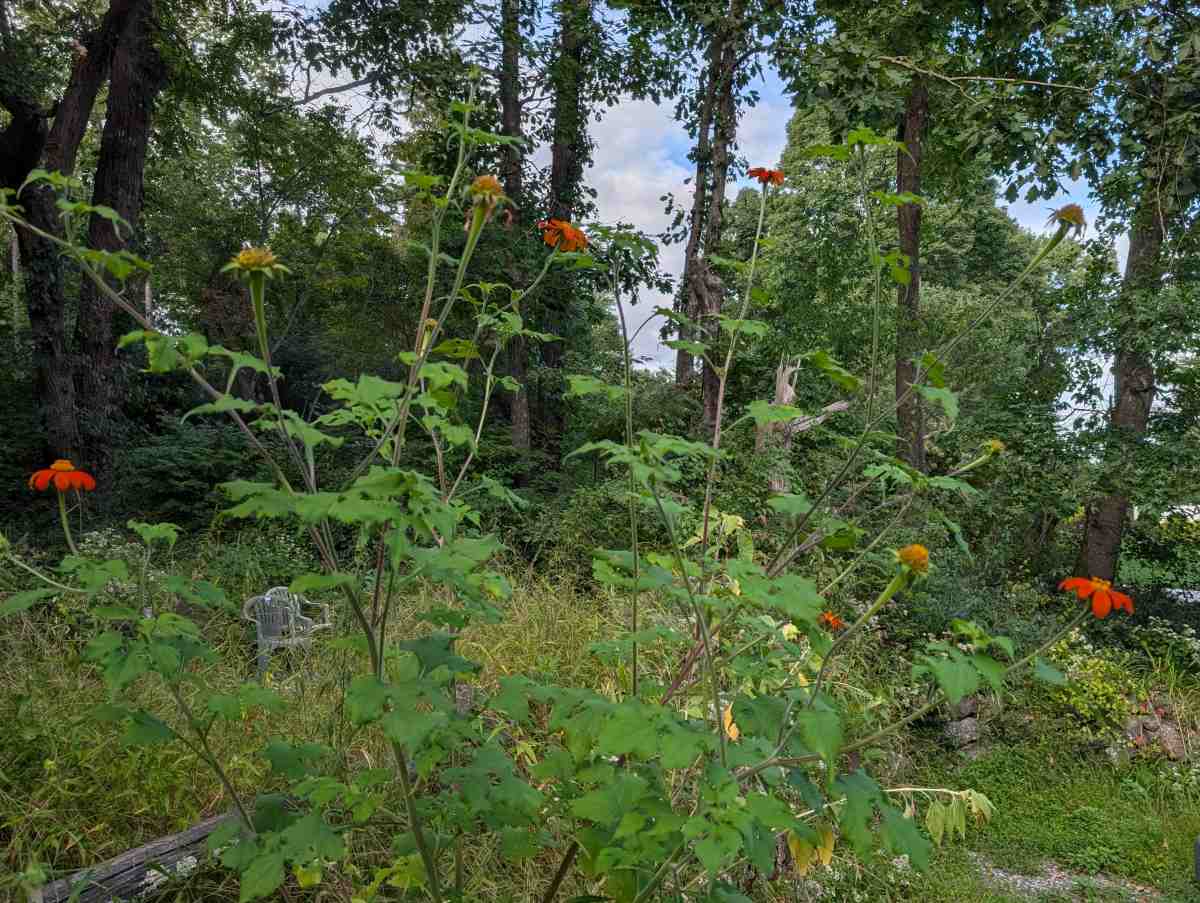
Mexican Sunflowers benefited from early pruning poroduced more flowers
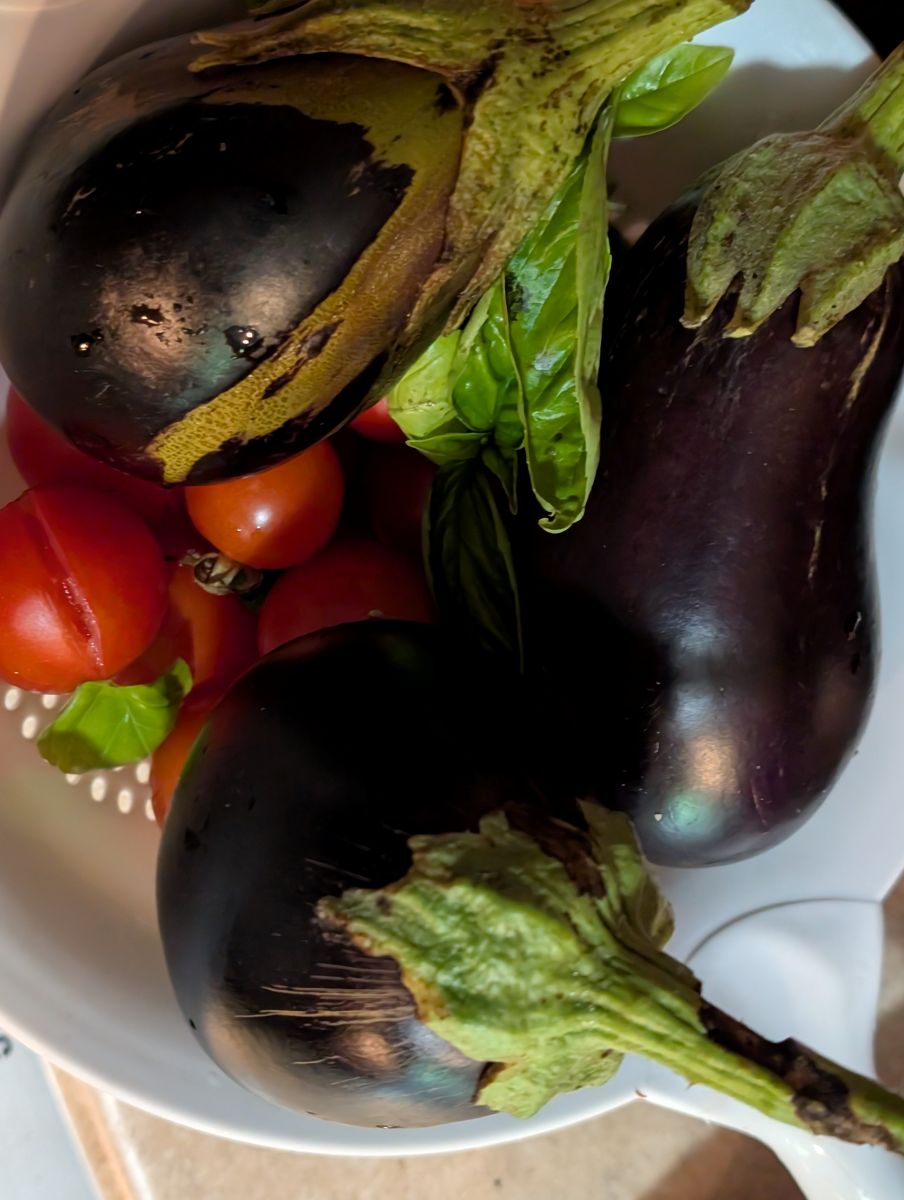
some of the bounty from our 2026 garden
With the Labor Day Holiday behind us, its time to sadly say goodbye to Summer 2026. Our garden was a bit disappointing with the produce, but we did harvest cucamelons, eggplant, cucumbers, green beans and cherry tomatoes.
But with our 2026 summer garden behind us, we are preparing for winter weather. This involves getting our home ready for the cold and snowy weather that will be here sooner than later. but for now we can enjoy the pleasant fall days and cool nights. W will prepare by removing storing our window air conditioning units. Large window air conditioners that cannot be easily removed will be covered. Our garden furniture will also be moved indoors or cobered with tarps.
Protecting Your Health in Northern New Jersey
A few simple steps can protect you and your family during the winter holiday season.
Vaccinations
The flu needs to be taken seriously, especially if you are older. Getting vaccinated protects from being seriously illness. Flu vaccine also protects your community oncluding the elderly and young children.
“Our September routine includes vaccinations to protect against sickness during the cold winter months”
rt23 staff
Getting your vaccination has never been easier or more affordable. You can get your flu shot at many supermarkets or local drug store usually for free! Every year scientist try to predict the variant of flu that may be prevalent in the United States. Your body’s defences depend on recognizing proteins in the flu virus. These proteins mutate over time requiring the vaccine to be updated. The two proteins are Hemagglutinin (H) and Neuraminidase (N). These are the H and N used in the virus strain identification such as “A/Missouri/11/2025 (H1N1)pdm09-like virus”. H3N2, a subtype known for rapid mutation and for causing more severe seasons in older adults.
As we reach the final days of August and look back on the season, it has become clear that this year’s garden has yielded some truly disappointing results. While we have managed to harvest a steady supply of green beans and a few handfuls of cucamelons, the overall productivity of the garden beds has been the lowest in recent memory. Between unpredictable weather patterns, shifting soil conditions, and the challenges of local pests, the effort poured into the plot has felt disproportionate to the sparse harvest we have actually brought into the kitchen. It is a humbling reminder that even with careful planning and consistent care, nature often has its own agenda, leaving us to recalibrate our expectations for next season.
It is far too easy to blame the recent heat stress, soaring temperatures, and unpredictable rainfall for our current lackluster harvest, but in all honesty, our own neglect played a significant role in the garden’s decline this season. Our once-promising pumpkin and squash vines were quickly choked out by an aggressive weeds that we simply failed to stay on top of, and our tomato plants struggled immensely, suffering from severely depleted soil that clearly lacked the vital nutrients and organic matter necessary to support a healthy, abundant yield. Moving forward, we must be much more disciplined with our weeding schedule and implement a more rigorous composting and fertilizing routine if we hope to restore the garden’s vitality and ensure that next year’s crop has the fighting chance it deserves to thrive in the challenging North Jersey climate.
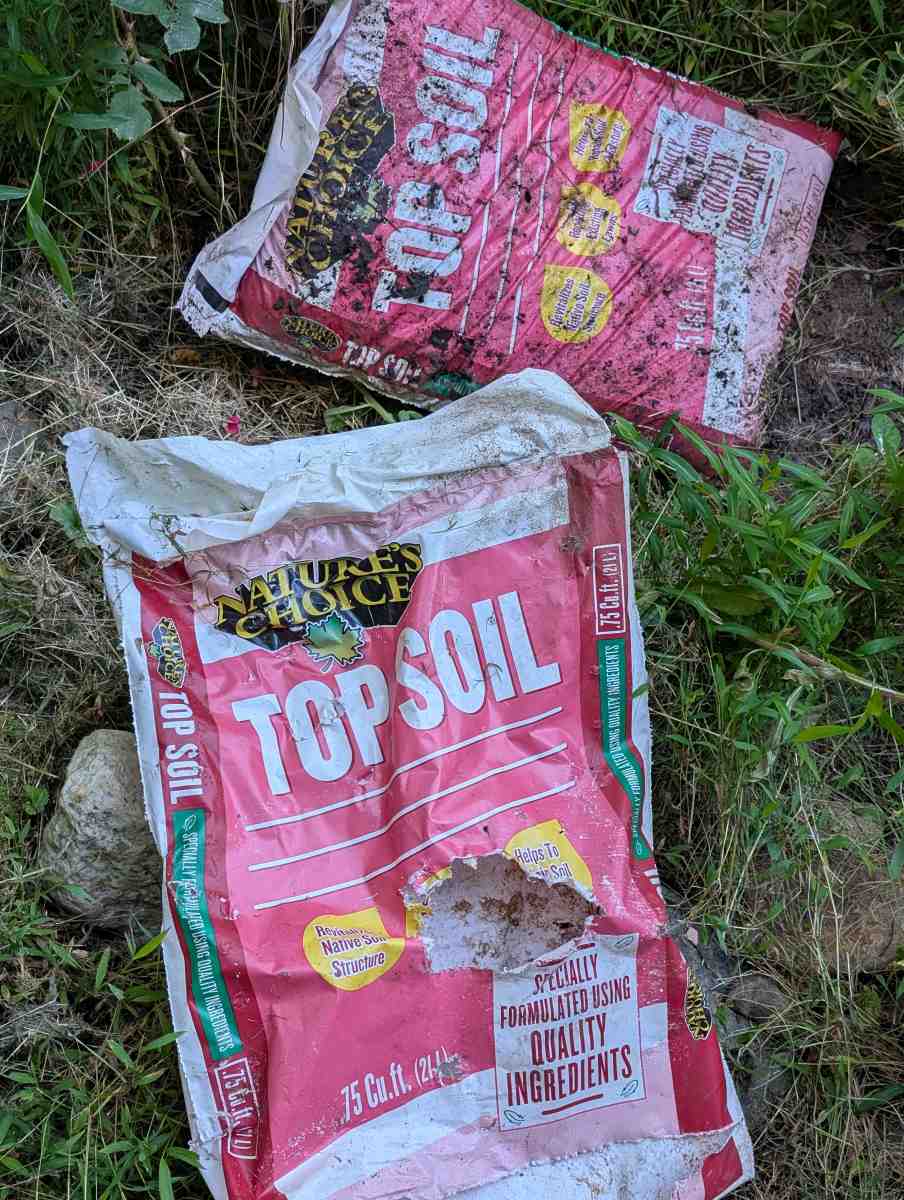
I am placing some of my garden woes directly on this cheap top soil from Walmart. I used it to refresh my garden beds. When I used this top soil in some garden pots to grow herbs, i noticed the poor quality of this product. The basil dill and cilantro neither germinated or grew very well. After watering, the soil would dry into an almost concrete solid.
do not buy!
Cherry tomatoes
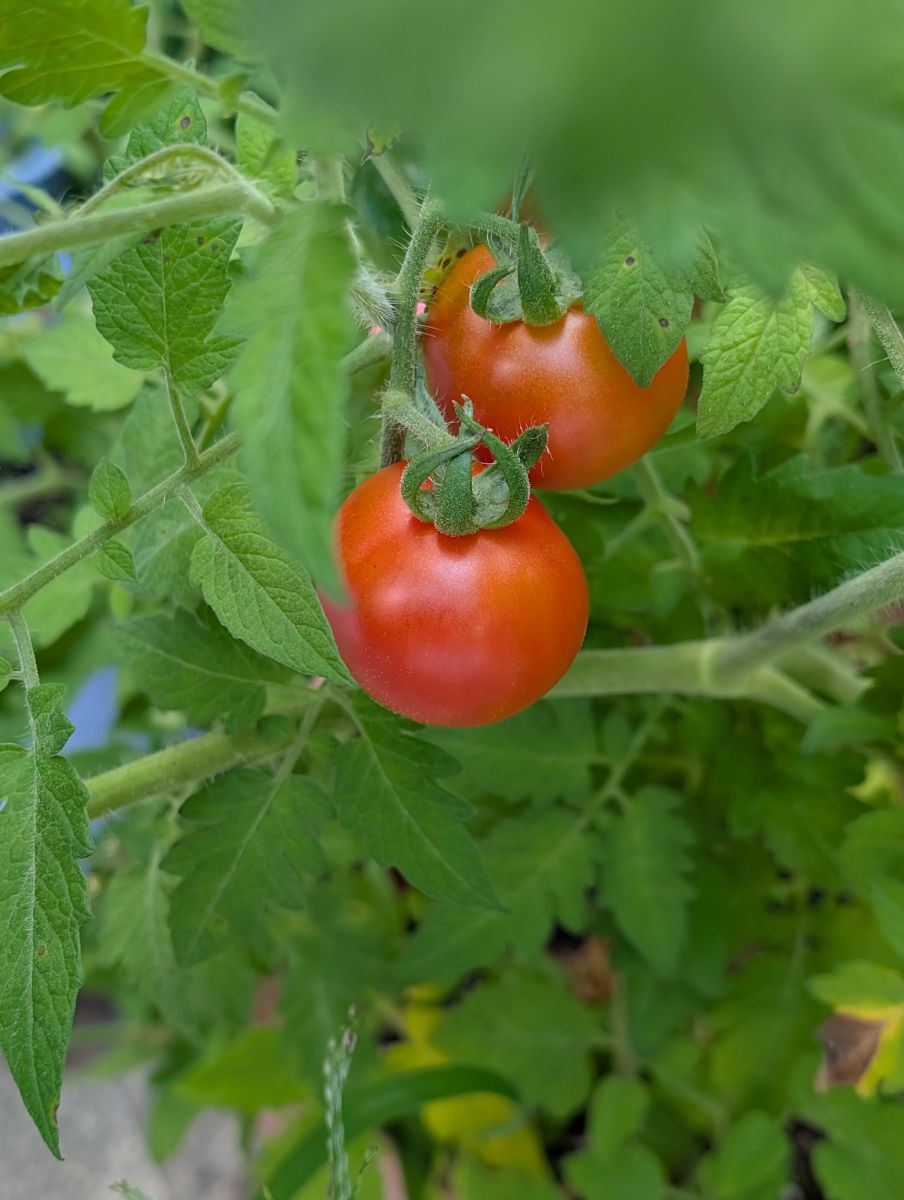
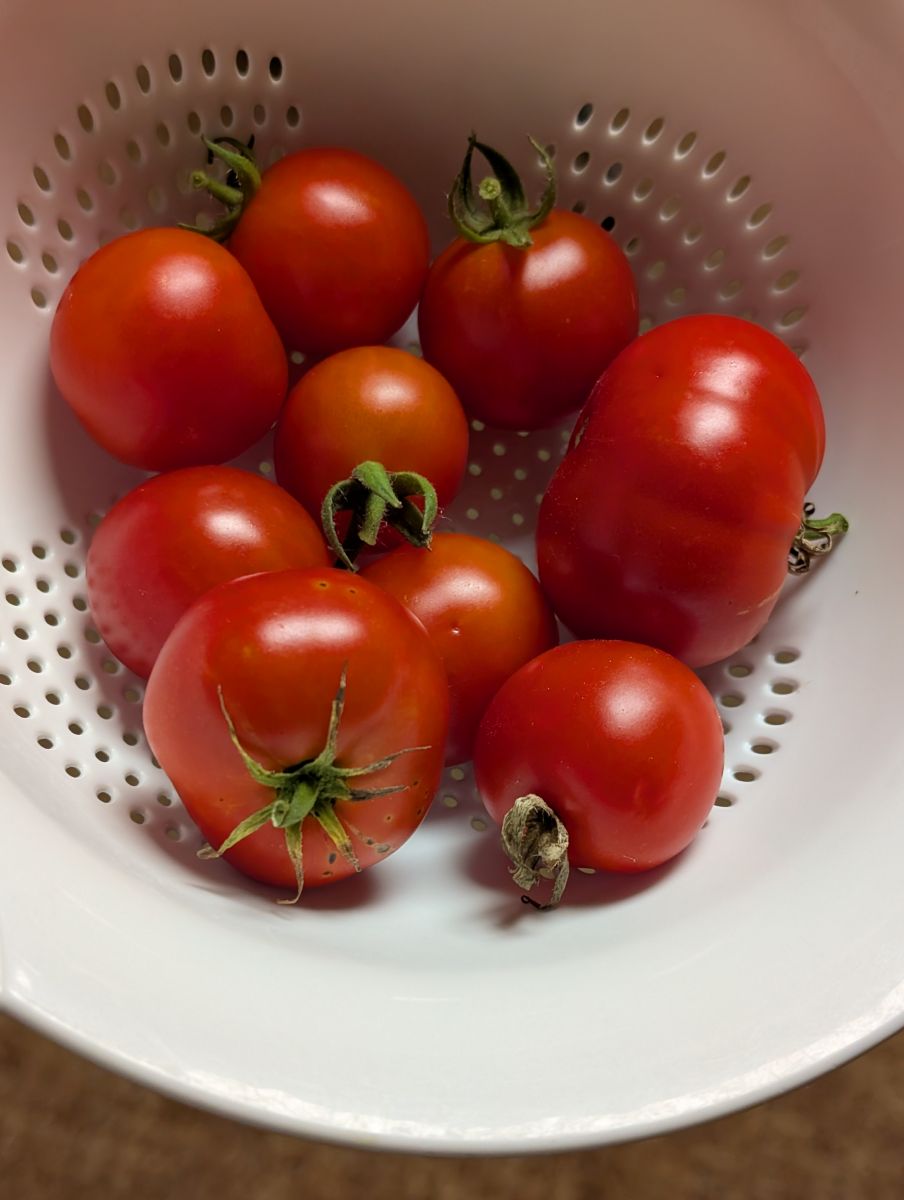
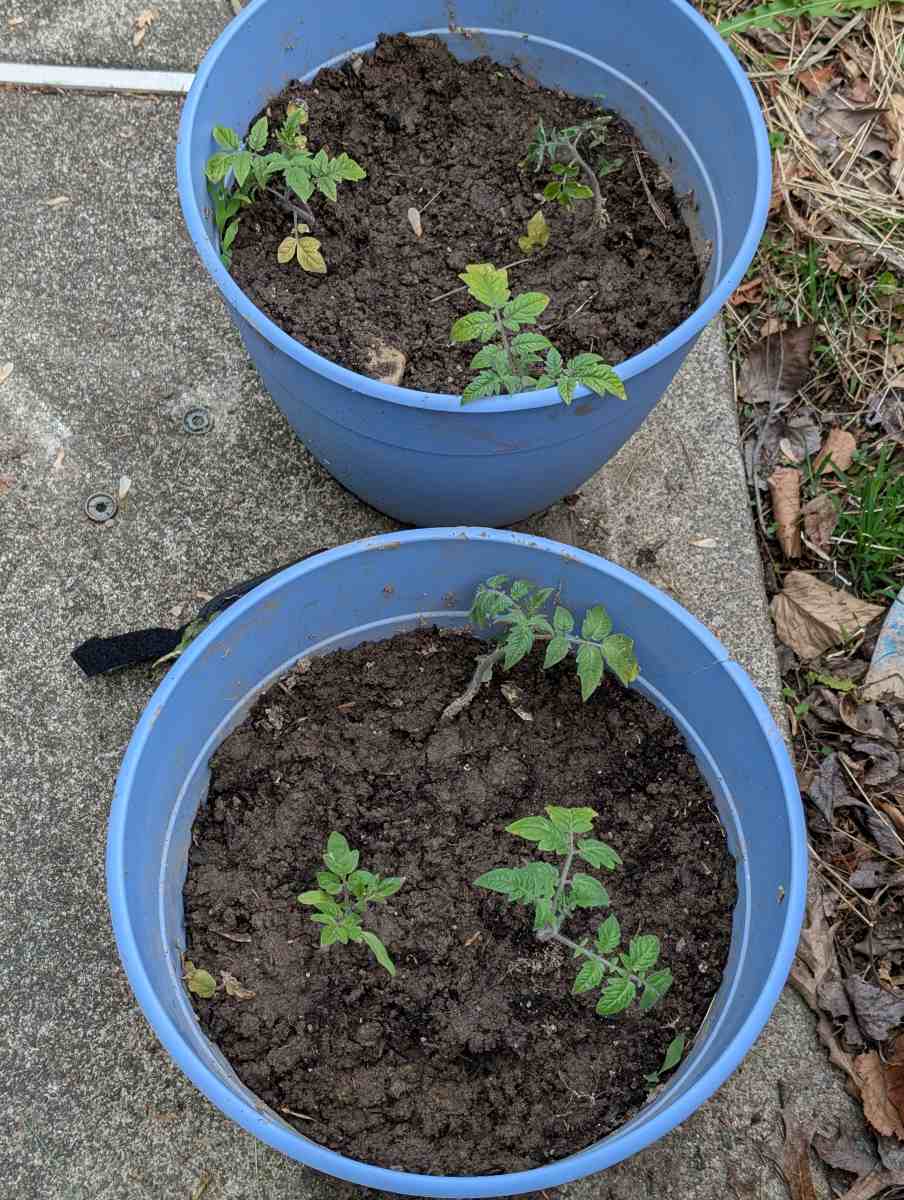
Our cherry tomatoes turned out to be the one bright spot in our garden. These plants were started indoors and transferred to large pots outside.
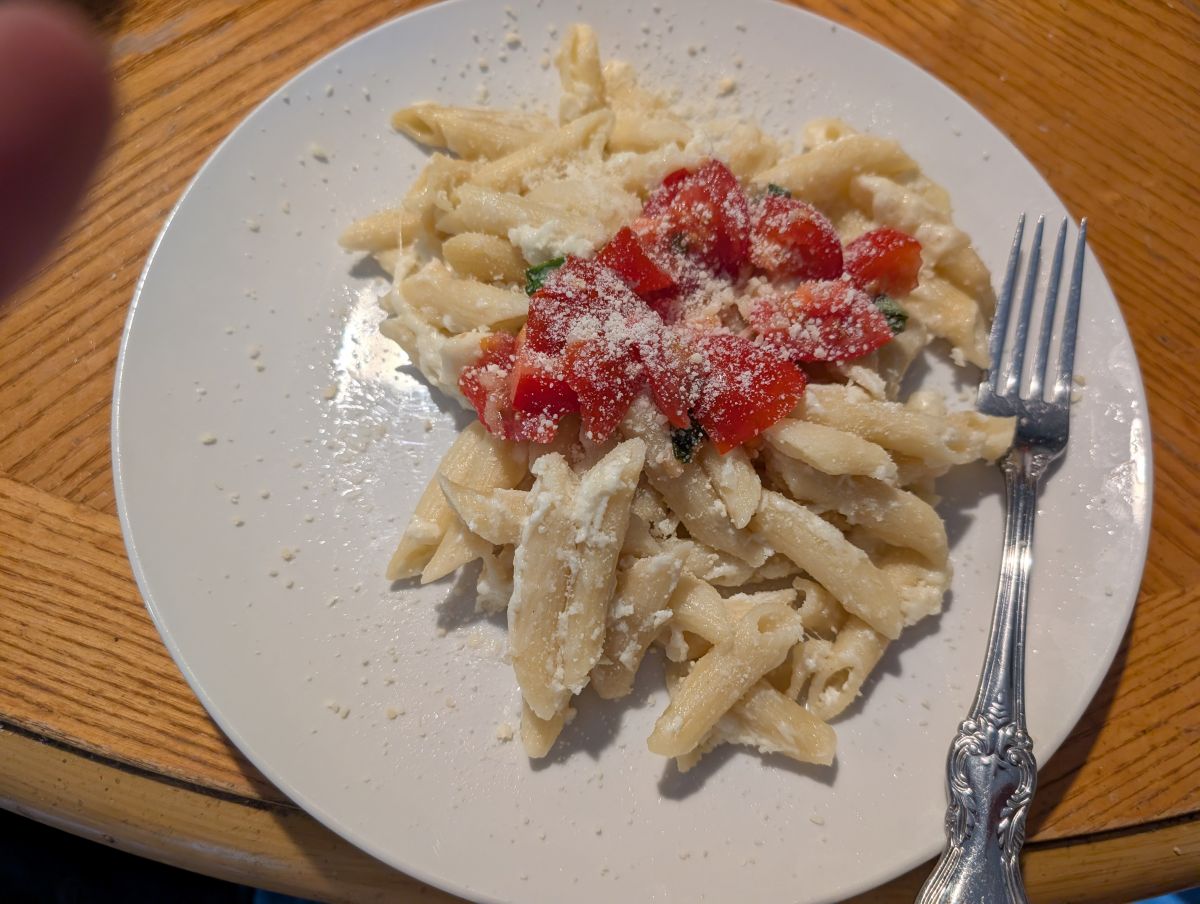
Our Famous Five Cheese Past with Marinated Fresh Tomatoes
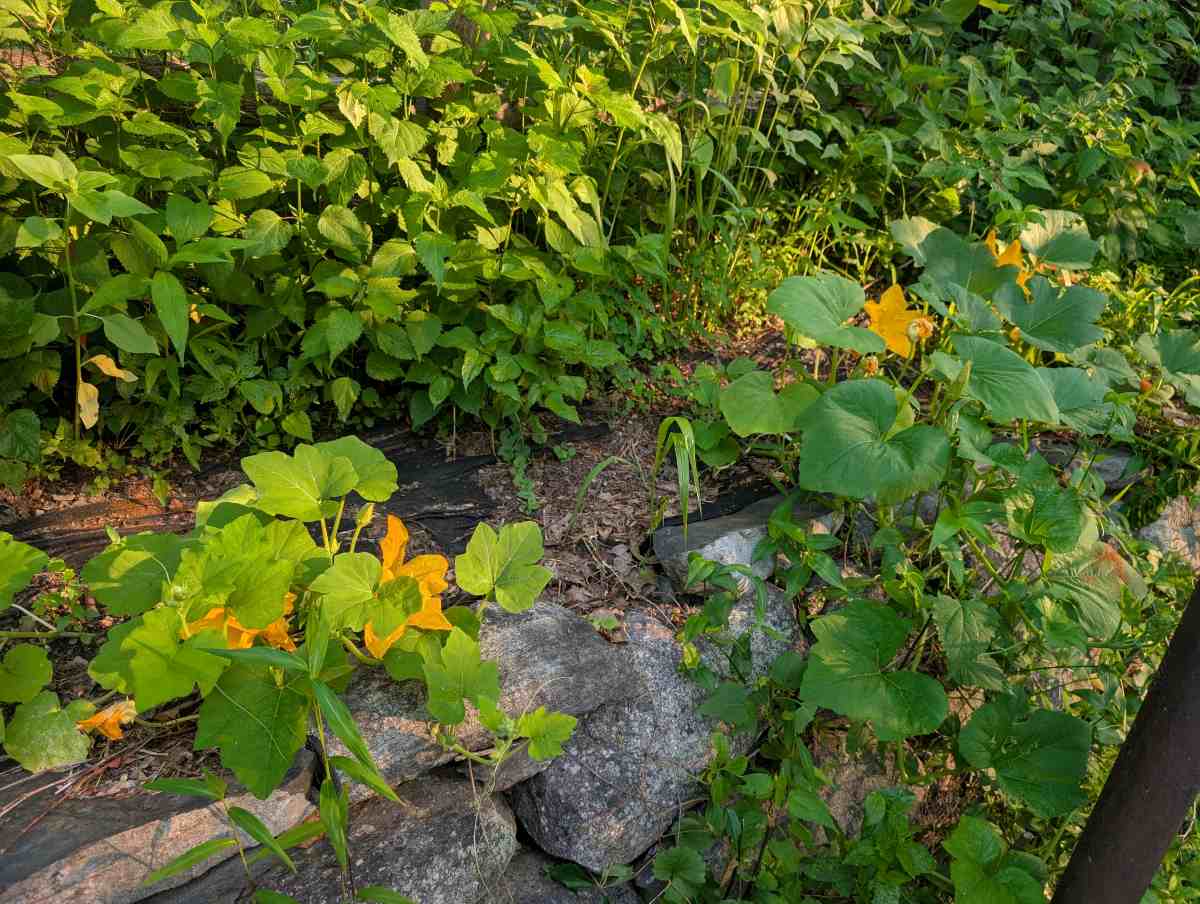
Many flowers will lead to many pumpkins in our “driveway Garden”
July 2026 has officially arrived, and with it, a relentless and stifling heat dome has settled over Northern New Jersey,
– rt23 staff
This heatwave has been pushing our local temperatures toward triple digits and leaving the landscape parched. To ensure that our garden beds not only survive but continue to thrive amidst this intense, prolonged heatwave, we have transitioned to a very strict daily watering schedule. We are now focusing all of our irrigation efforts during the cooler early morning and late evening hours, a vital strategy to minimize evaporation and keep both our vibrant summer flowers and our vegetable crops deeply hydrated and resilient against the scorching sun.
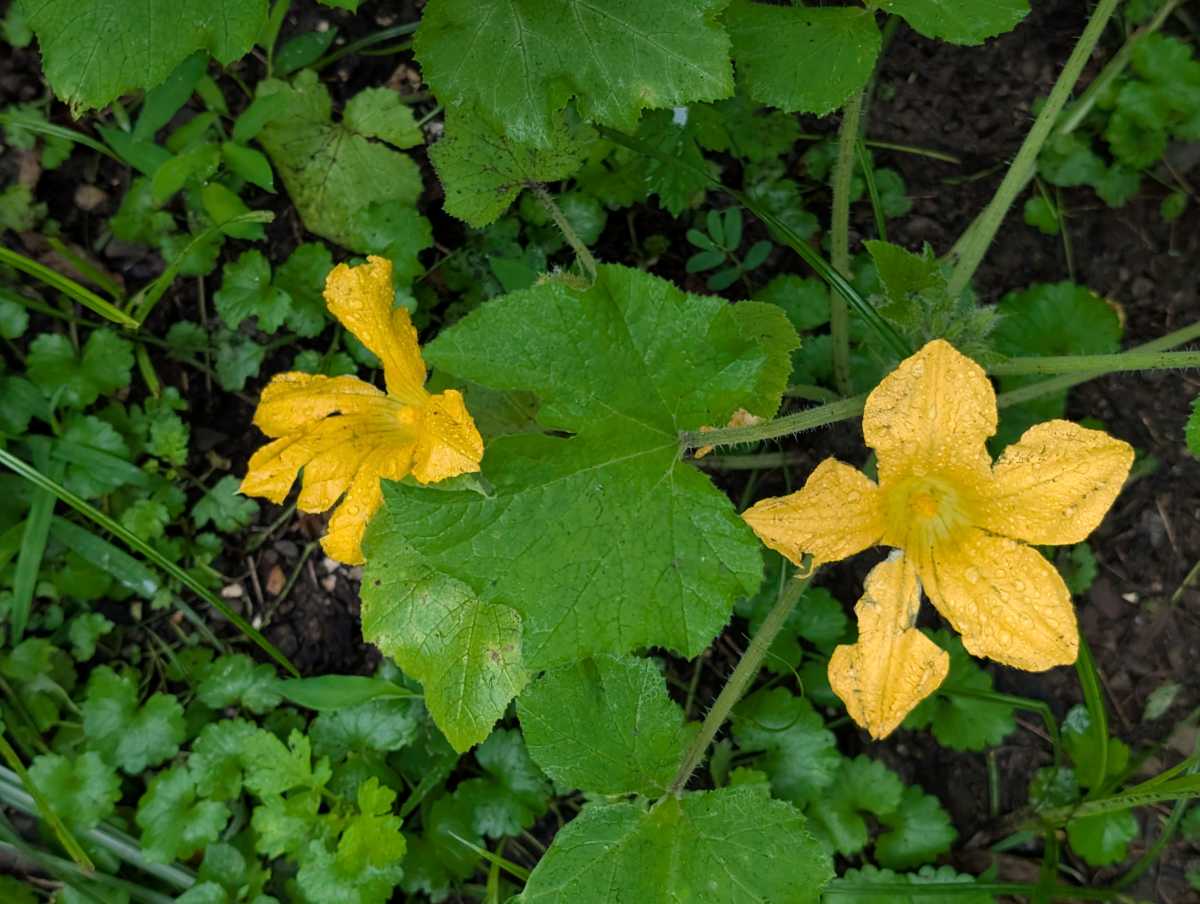
As we move through the heart of July, the pumpkin patch is truly beginning to thrive, showcasing a lush, sprawling expanse of greenery with numerous vibrant buds on the very verge of bursting into bloom. The transformation is equally impressive across the rest of the patch, where the squash plants are demonstrating remarkably promising signs of vigorous growth; their own distinctive flower buds are now appearing in abundance throughout the garden, signaling a highly productive season ahead and hinting at an upcoming, bountiful harvest.
summer squash flowers
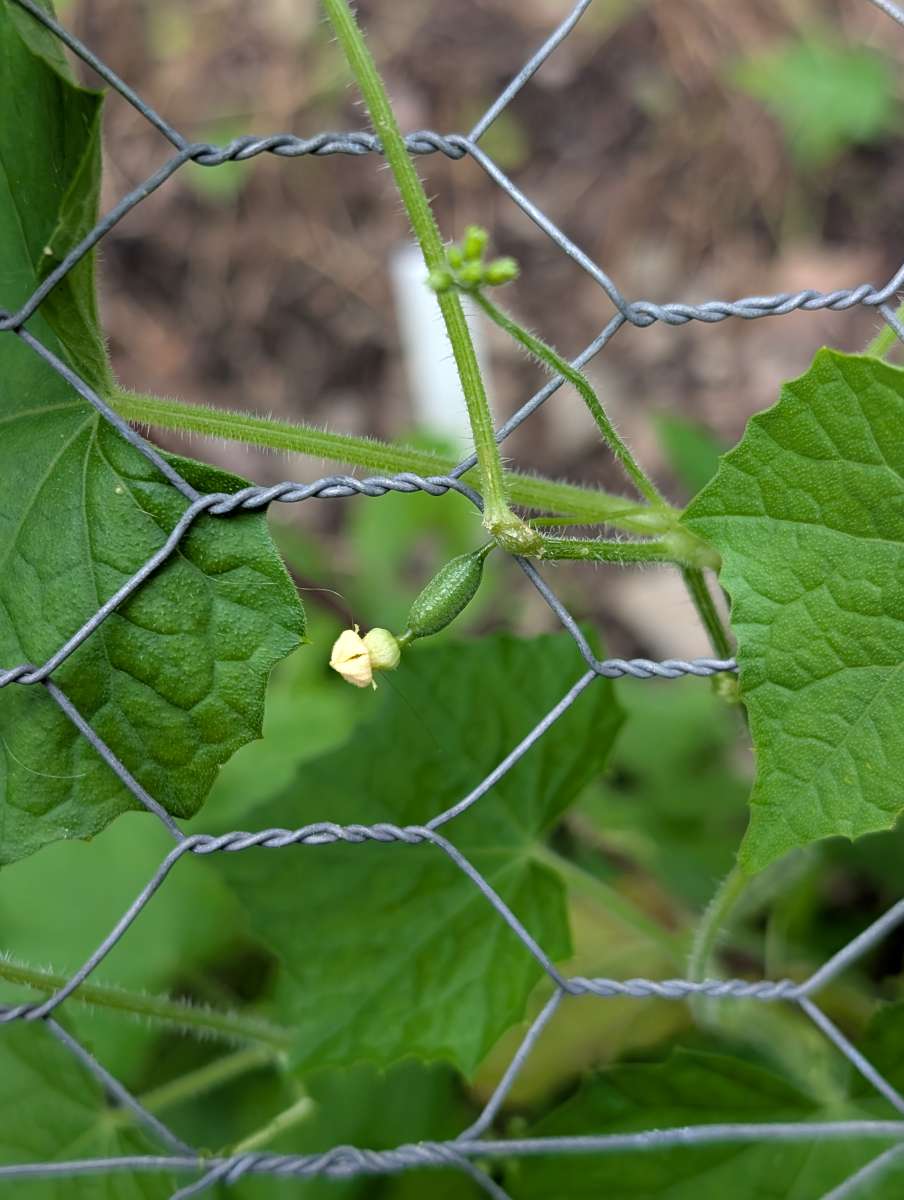
cucamelon flower
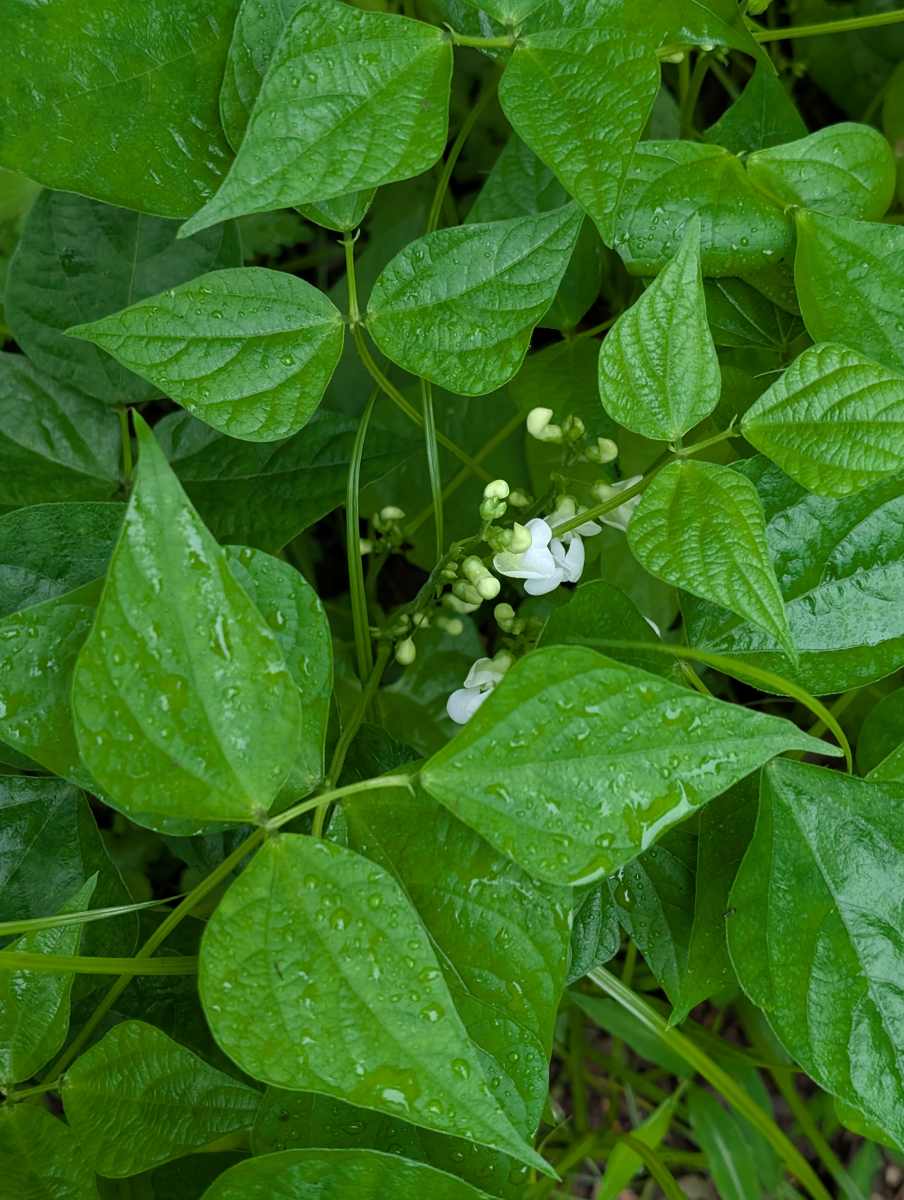
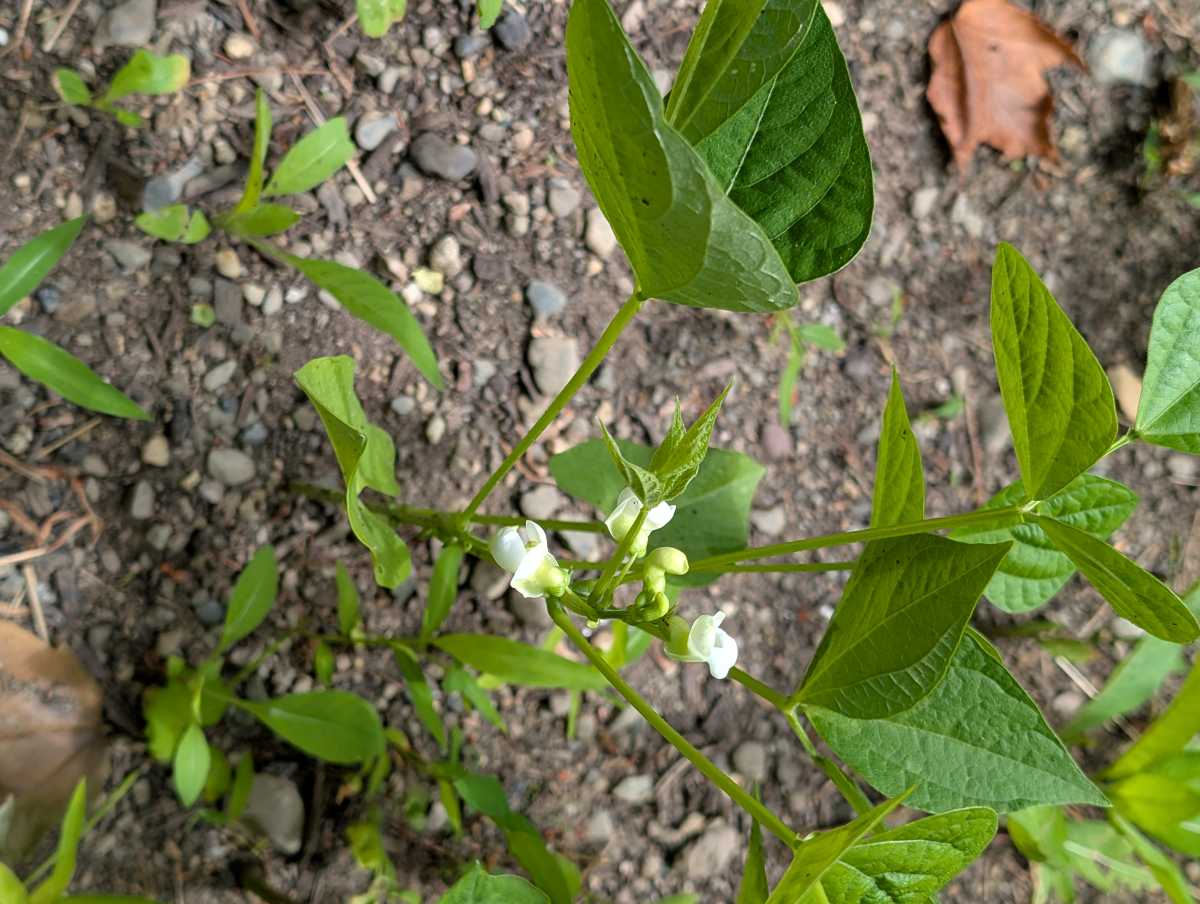
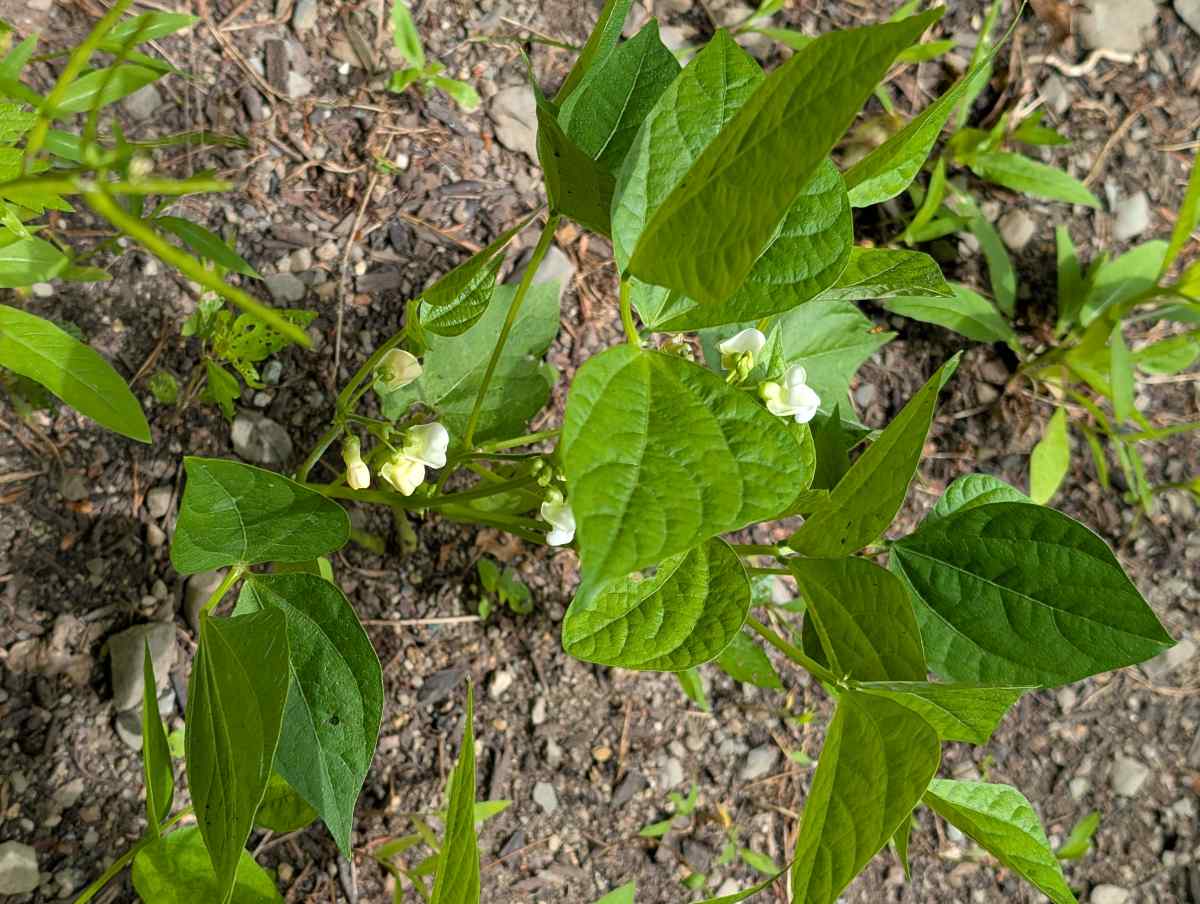
garden bean flowers
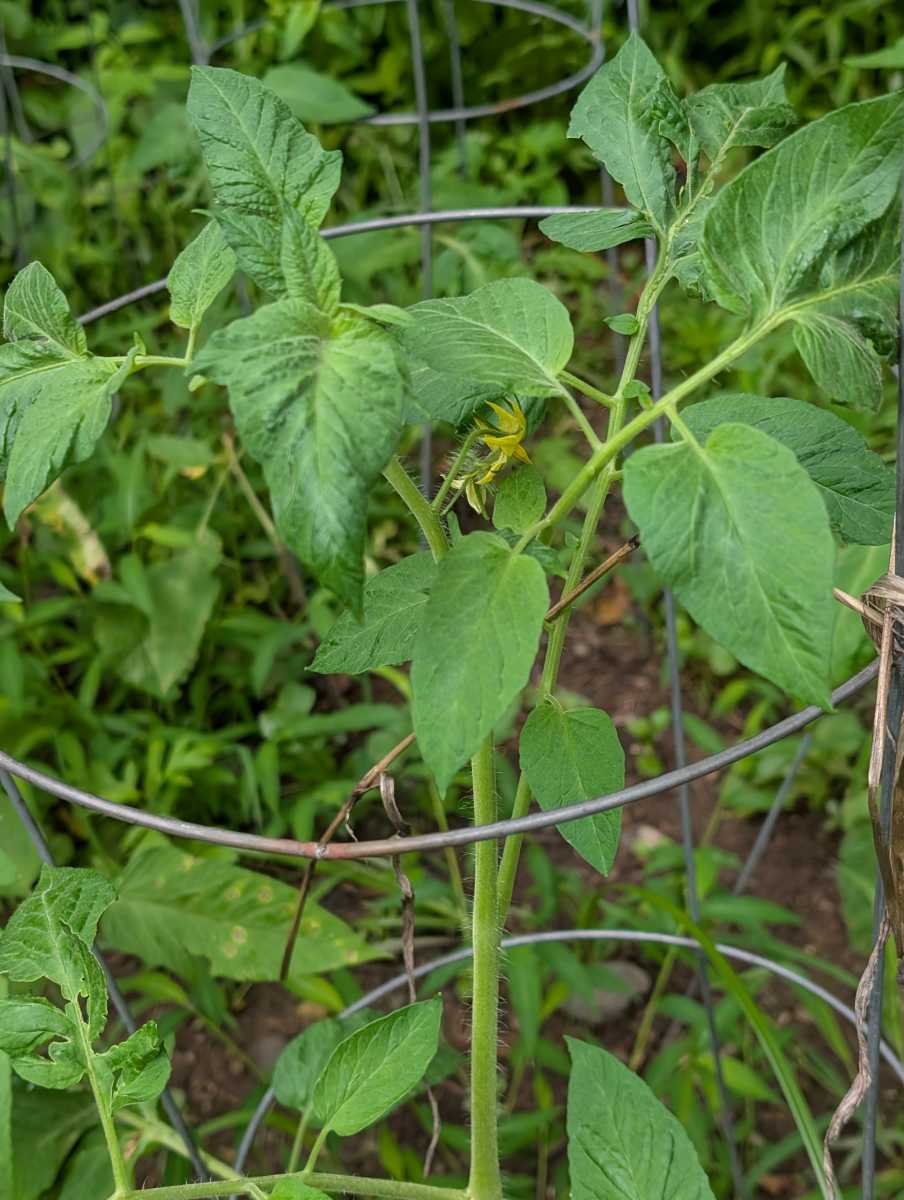
cherry tomato flower
We have been actively engaged in an ongoing, rather persistent battle with various furry creatures who seem determined to treat our garden as their private buffet. After noticing that the leaves of our pumpkin, garden beans, and squash plants were being devoured overnight, we decided to take a more defensive stance by sprinkling the entire garden perimeter with cayenne pepper each night at dusk. While this spicy barrier provides some much-needed relief and helps limit the presence of these unwanted guests, they have unfortunately proven to be quite resilient and remarkably clever. Their persistence has truly tested our patience, as they continue to find ways around our deterrents, making them increasingly difficult to discourage despite our best efforts to protect this season’s harvest.
With the recent, unrelenting stretch of hot and humid weather here in Northern New Jersey, we have been prioritizing the health of our landscape by keeping the garden well-hydrated. To prevent heat stress and ensure our plants continue to thrive despite the scorching temperatures, we have been using an oscillating sprinkler during the cooler, early morning or late evening hours. This consistent watering schedule allows the moisture to penetrate deep into the soil before the sun hits its peak, helping our flowers stay vibrant and refreshed throughout the entire month of July.
Tomatoes!
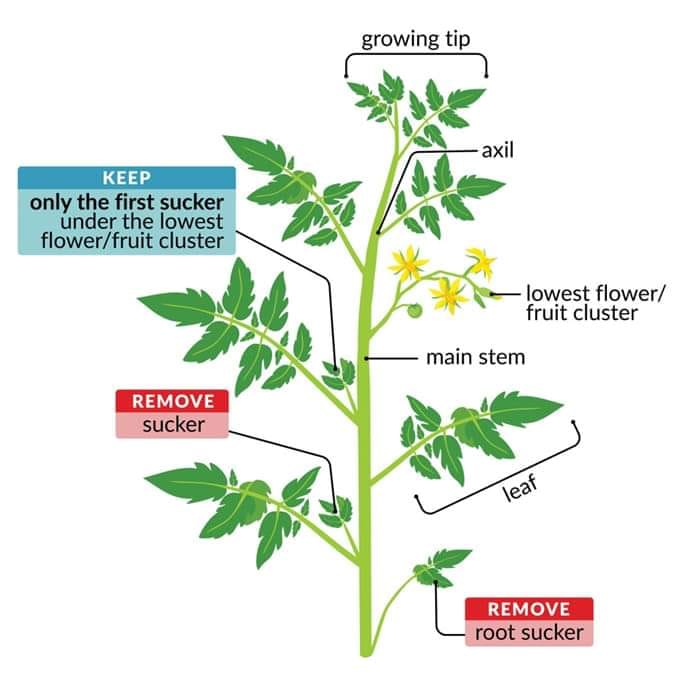
tomato pruning guide
As we move through the heat of mid-July, our cherry and beefsteak tomato plants have reached a stage of lush growth and are currently in full bloom. Given this surge of foliage, it has become the perfect time to prune the “suckers”—those secondary stems that sprout between the main stalk and the branches—to ensure the plant focuses its energy on fruit production rather than unnecessary vegetative growth, exactly as demonstrated in the accompanying illustration. We recently encountered a bit of a setback with our indoor started tomato plants, which seemed to be lagging in both height and leaf color. To remedy this, we decided to apply a balanced feeding of blood and bone meal around the base of the stems, and we were thrilled to see a significant, rapid improvement in their health and vitality within just a few days. Encouraged by those successful results, we are now applying that same nutrient-rich treatment to our outdoor cherry tomatoes. We are optimistic that this organic boost will provide the essential minerals needed to encourage robust, healthy development throughout the remainder of the summer growing season.
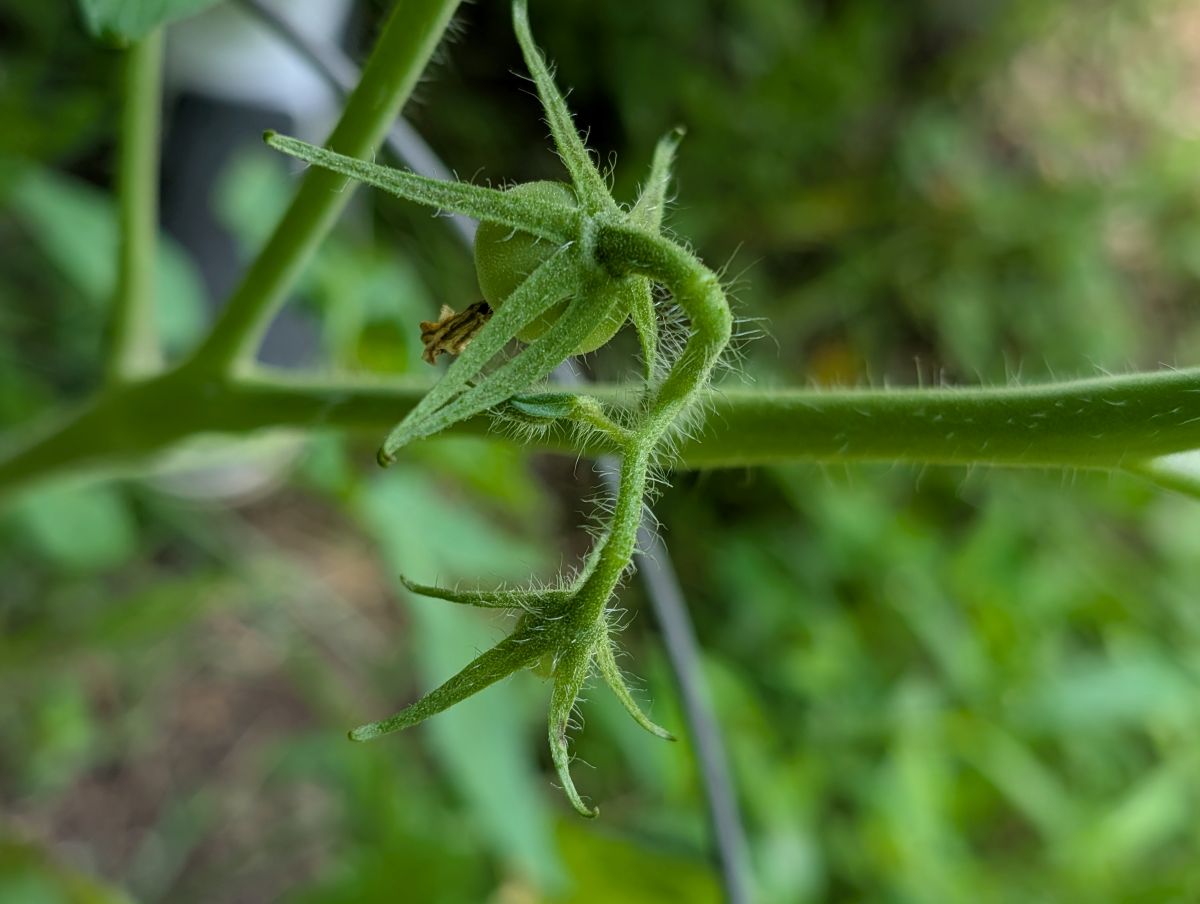
Our beefsteak tomatoes are finally showing signs of progress with small, promising fruit beginning to emerge! We meticulously started these seeds indoors back in the late winter, and I have to admit, there was a moment of suspense during those early weeks; when they first germinated, we weren’t entirely sure they were actually tomatoes because the initial seedlings looked remarkably similar to pepper plants. It kept us guessing for quite a while, but we are thrilled and relieved to officially confirm that they are indeed healthy, thriving tomato plants that seem perfectly suited to our Northern New Jersey soil. We can’t wait to see these green gems continue to ripen throughout the rest of this warm July.
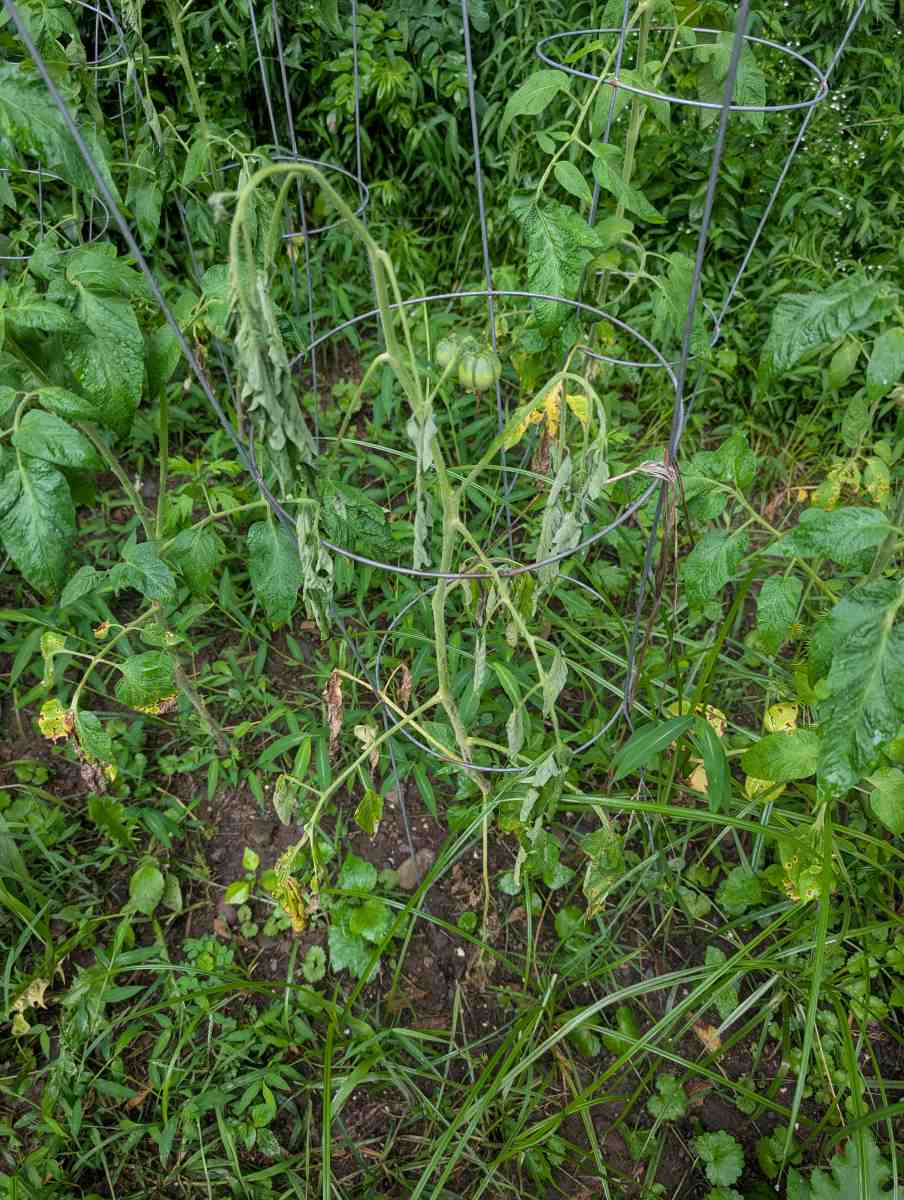
In this month’s garden journal update, I must share some disheartening news regarding the “Maggie’s Farm” garden plot, which has been facing some challenges lately. While I was encouraged by the sight of our beefsteak tomato plants finally beginning to set fruit, the plants have taken a sudden and devastating turn, wilting rapidly over the past few days. I have spent quite a bit of time researching potential causes, ranging from the recent stretches of extreme, unrelenting summer temperatures to the possibility of a localized bacterial infection within the soil. However, after careful observation, I strongly suspect that the root system of the nearby black walnut tree is the true culprit behind this decline, as the phenomenon of juglone toxicity is likely encroaching upon our vegetable patch and stifling the health of these otherwise promising vines. I made a tough choice and uprooted the affected plants in an effort to save the healthy tomato plants.
On a brighter note, my cherry tomatoes are thriving and producing fruit
Harvest Begins!
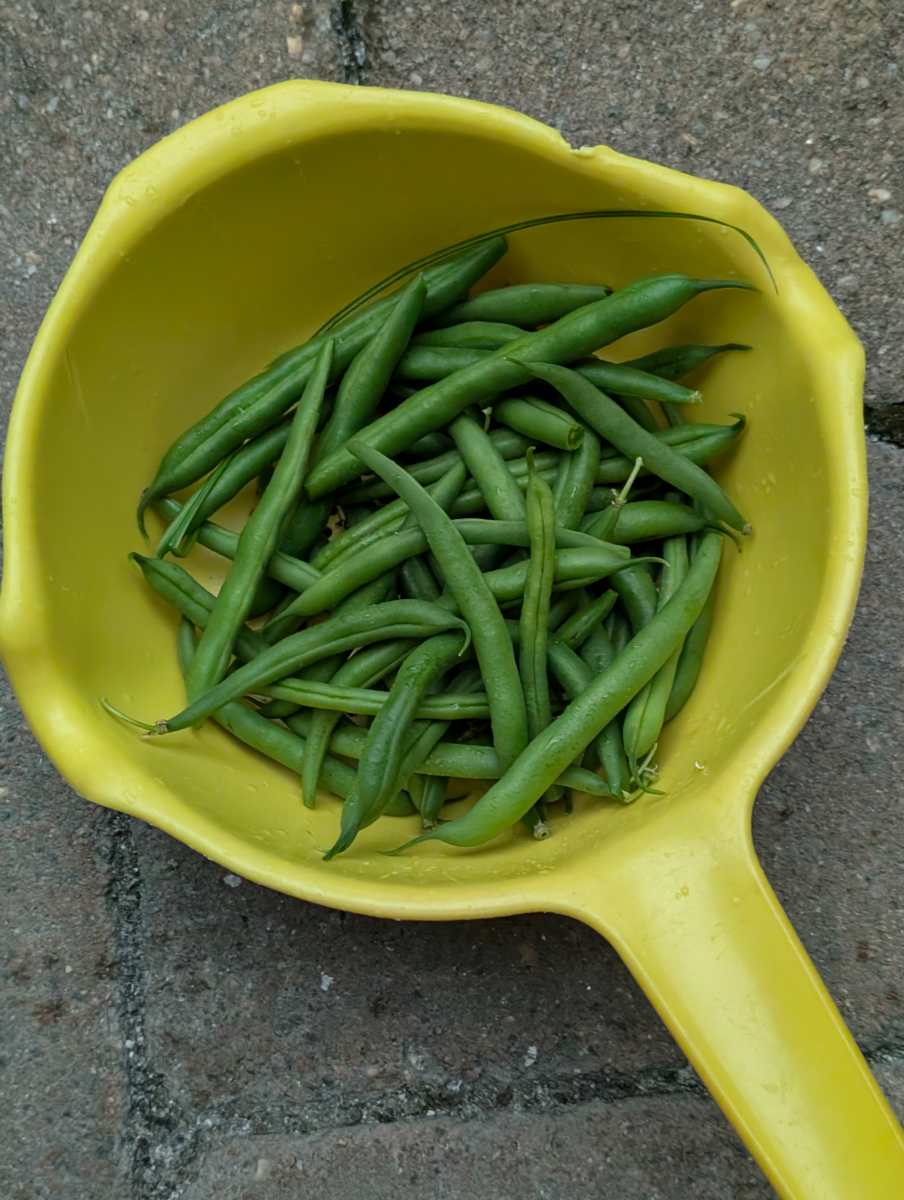
fresh picked garden beans
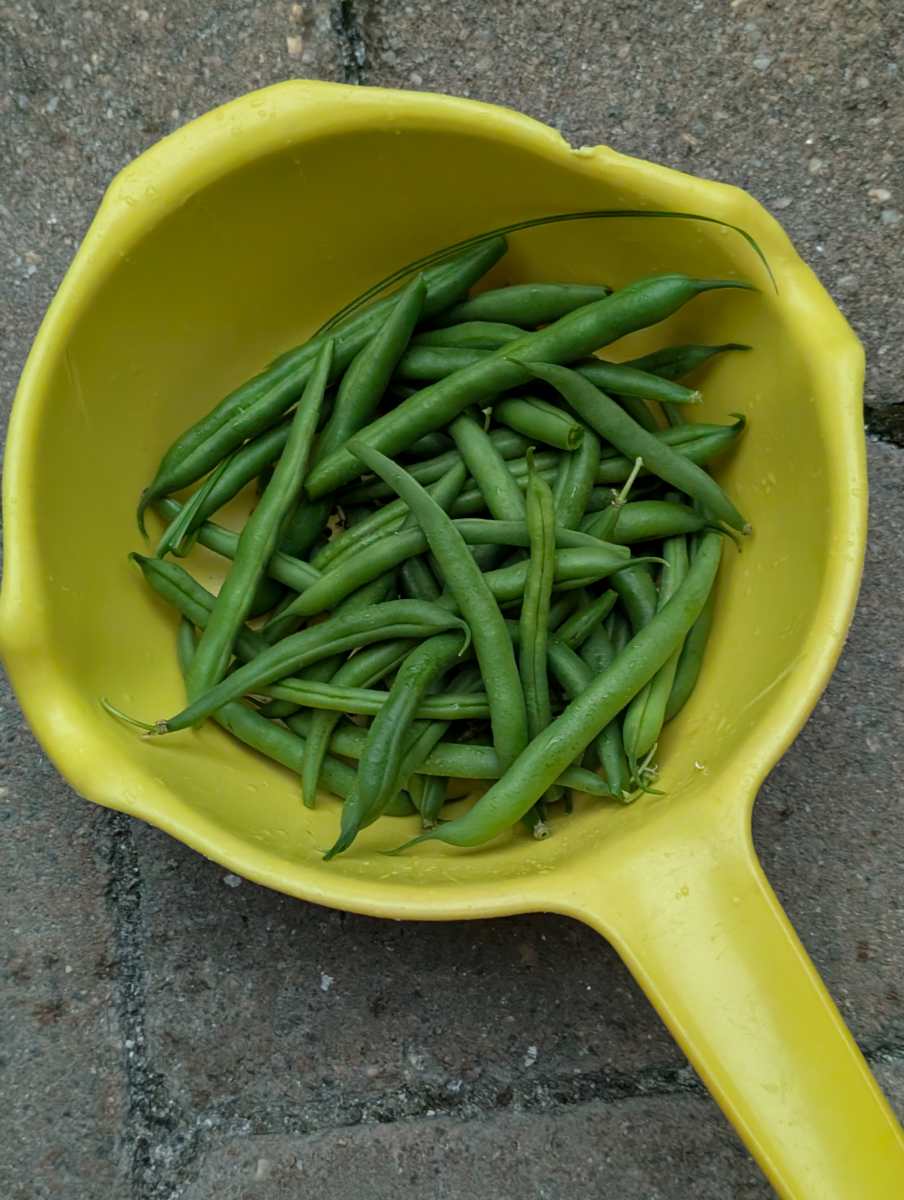
The harvest in our garden has started this season, in particular our green beans, which have served as a consistent and reliable source of fresh side dishes for our dinner table over the past few weeks. To ensure the highest quality for our meals, we make an effort to pick them daily, carefully monitoring their size so that we harvest them just before they begin to swell or become bumpy with mature seeds. We have found that pulling them at this stage is essential, as they are significantly more tender, vibrant in color, and flavorful than if they were left on the vine even a few days longer.
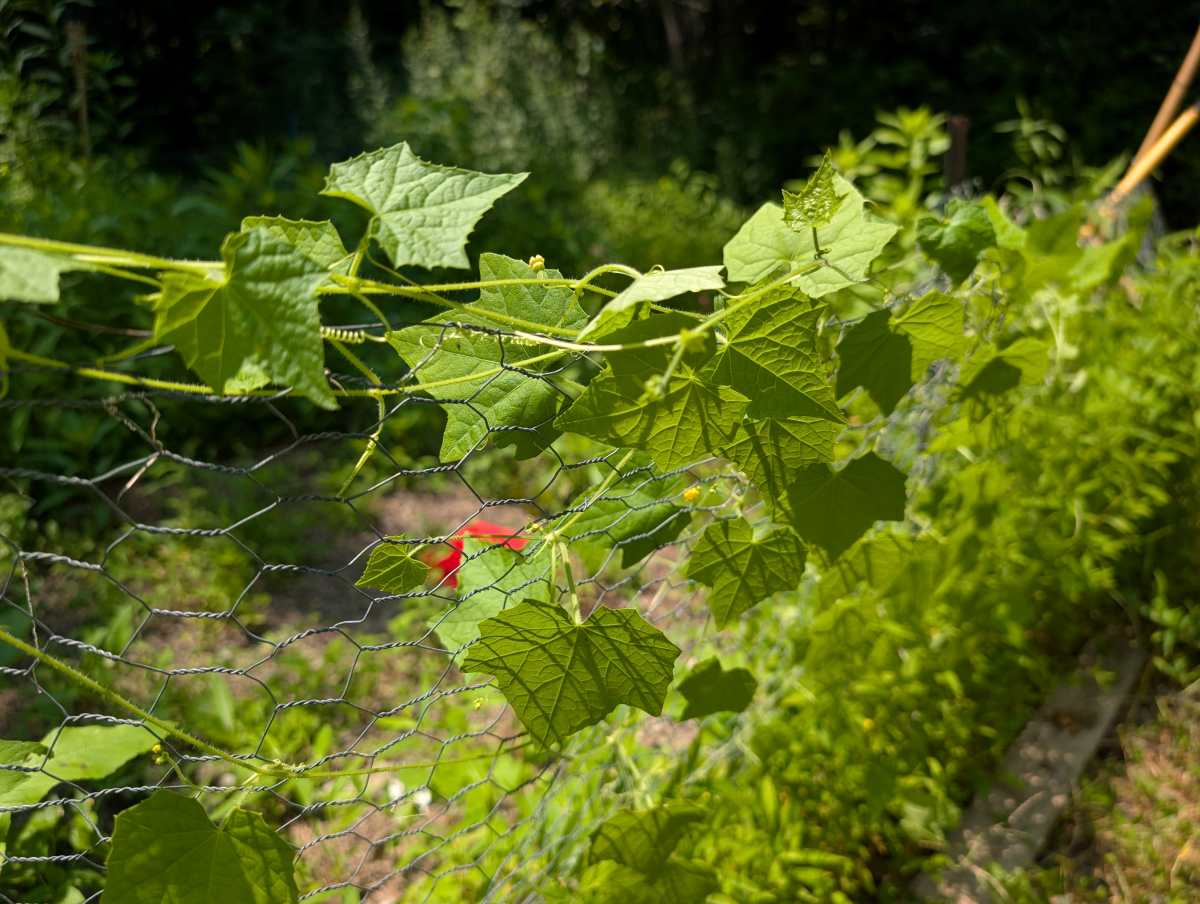
Cucamelon (Mexican Sour Gherkins) vines grown on a garden fence
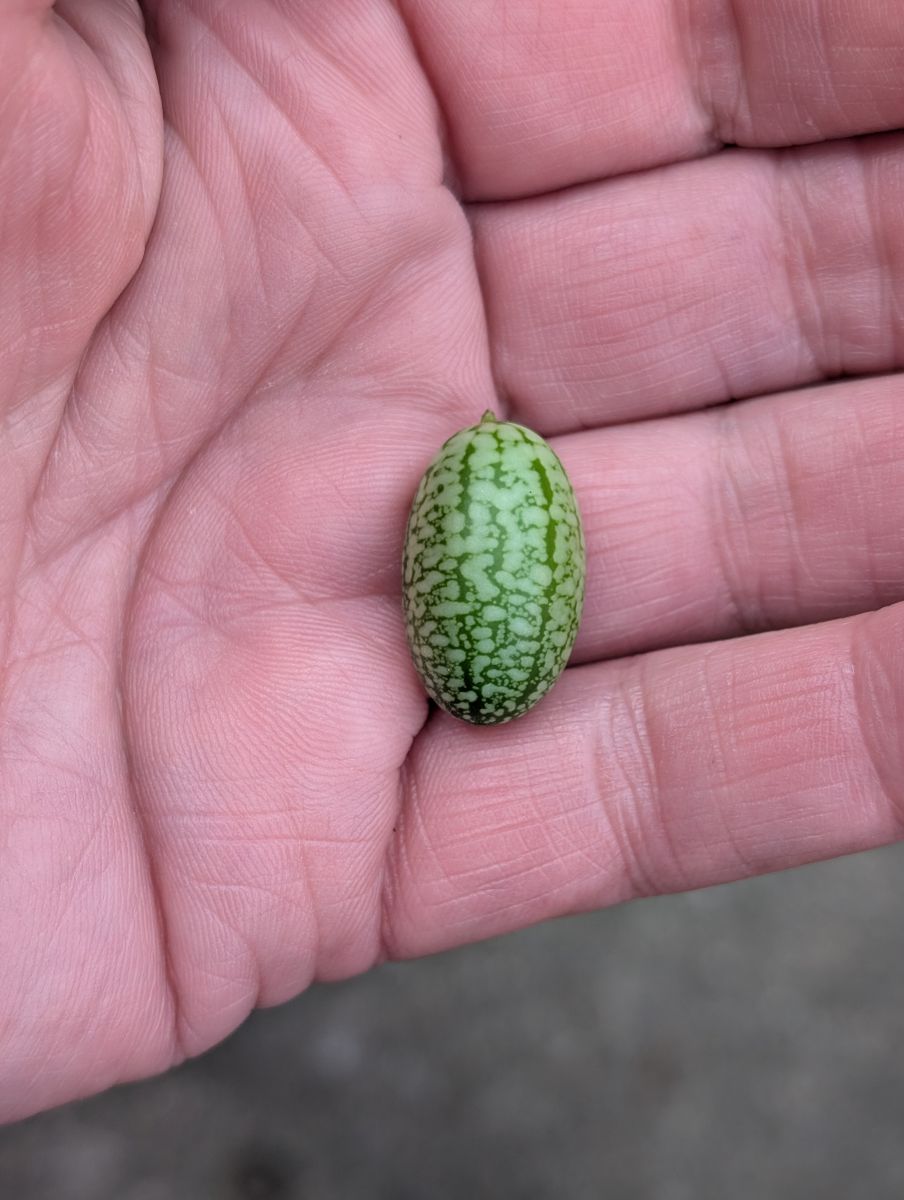
The Cucamelons—aka Mexican Sour Gherkins—are finally hitting their stride, and I am thrilled to report that they are officially ready for their first harvest of the season. These crunchy little gems are truly the highlight of the garden this July; they are the perfect “pick and eat” snack, ideal for enjoying straight from the vine. Their unique, cucumber-like flavor with a hint of citrus tang makes them an absolute favorite, and it is such a reward to pluck them right off the fence during my daily garden tours.
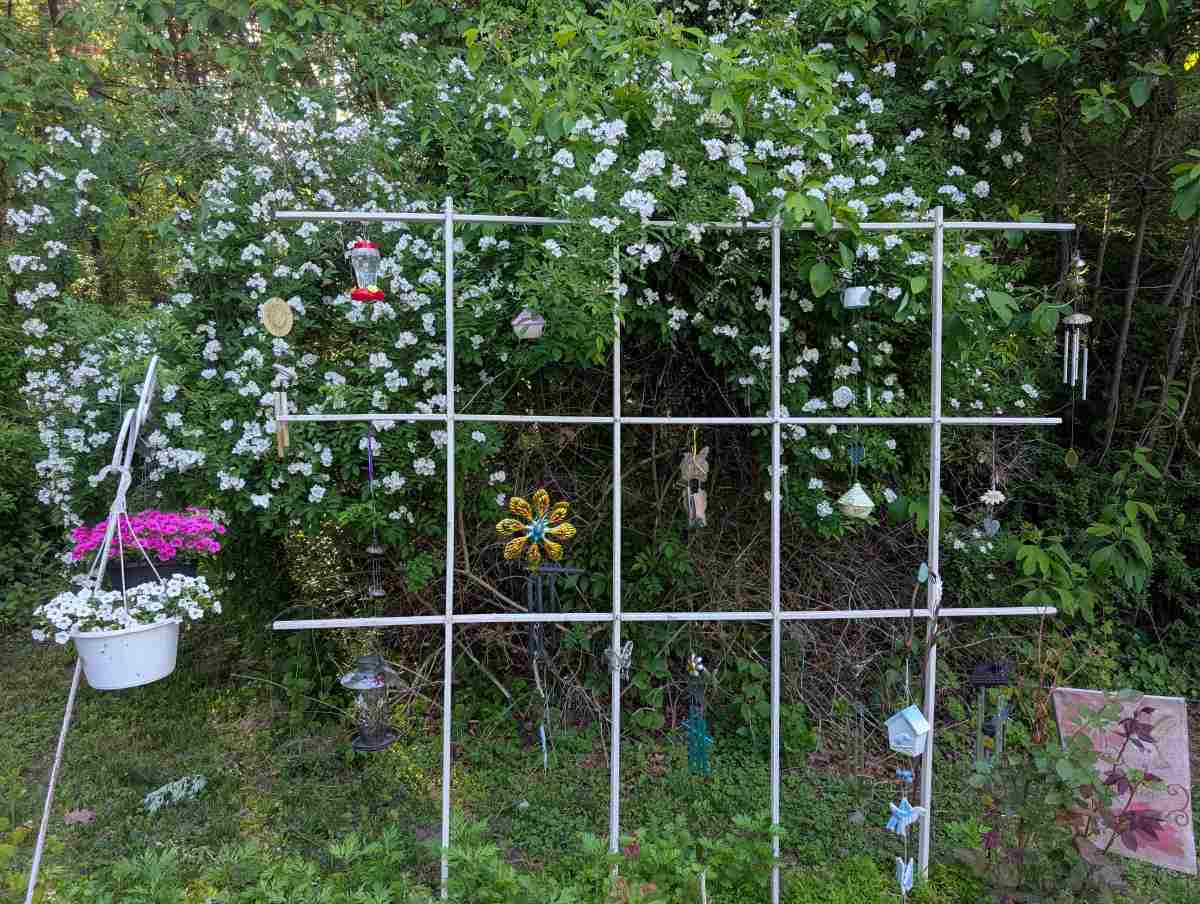
“bird shrine” gets a boost from white Multiflora Rosesgrowing behind
It is officially “go time” for our seasonal garden. We are currently busy sowing our summer vegetable and flower seeds. We’ve been planting our sunflowers roughly two inches deep to prevent local wildlife from digging them up, and we are already seeing a nice row of sprouts shooting up. Additionally, we’ve put our saved marigold seeds from last year to good use—some were started indoors, and the rest have been sown directly to create beautiful borders for our flower beds.
Pest Control
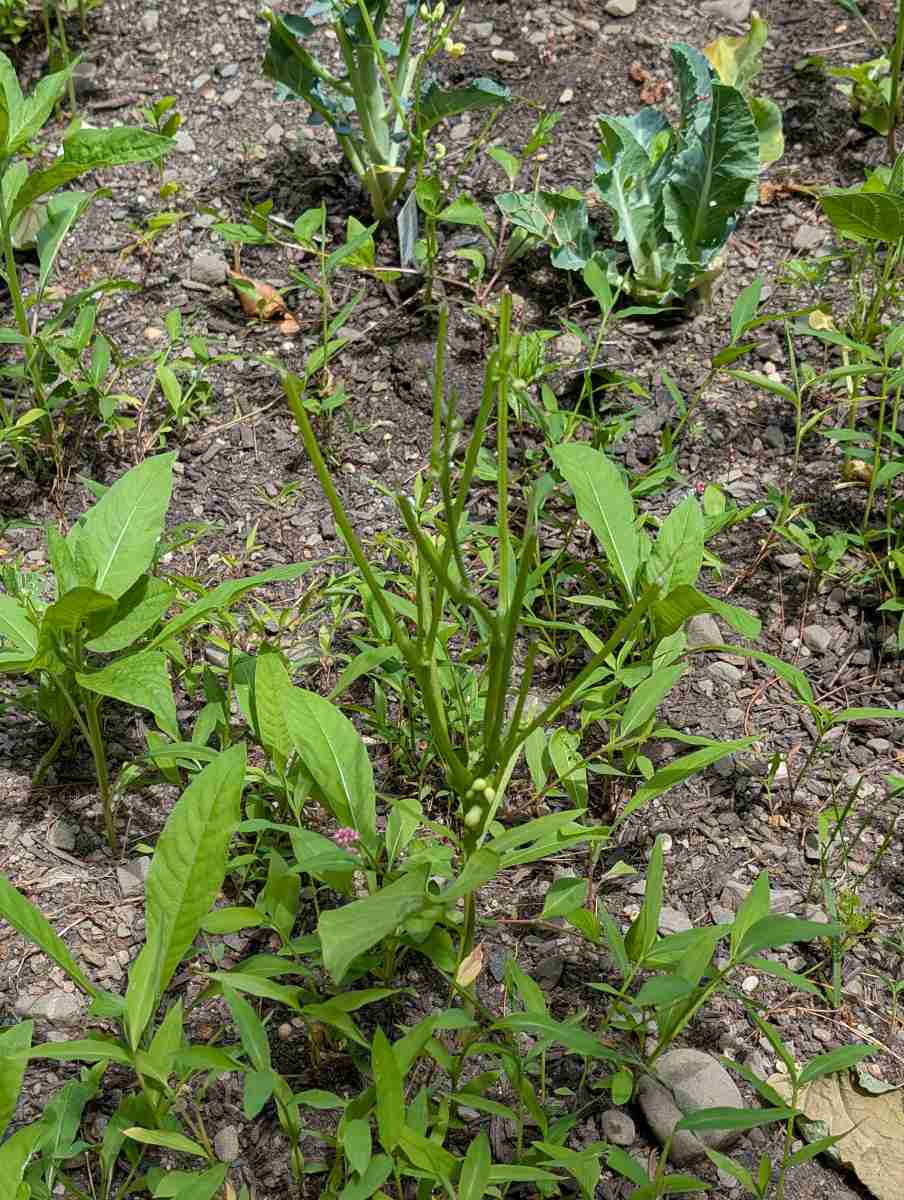
We became a bit too complacent with our usual cayenne pepper deterrent routine this season, and unfortunately, that lapse in vigilance allowed a local rabbit or groundhog to sneak into the patch and snack on the tender tops of our garden beans. It has been quite a few years since we last had to deal with any significant garden damage, so this unexpected event served as a very wake-up call to keep us on our toes. We have since redoubled our protection efforts and adjusted our strategies, and despite this minor setback, we are feeling optimistic about the productivity of the rest of the growing season.
garden beans (before) with nice leaves and flowers
garden beans (after), stripped down to the stems
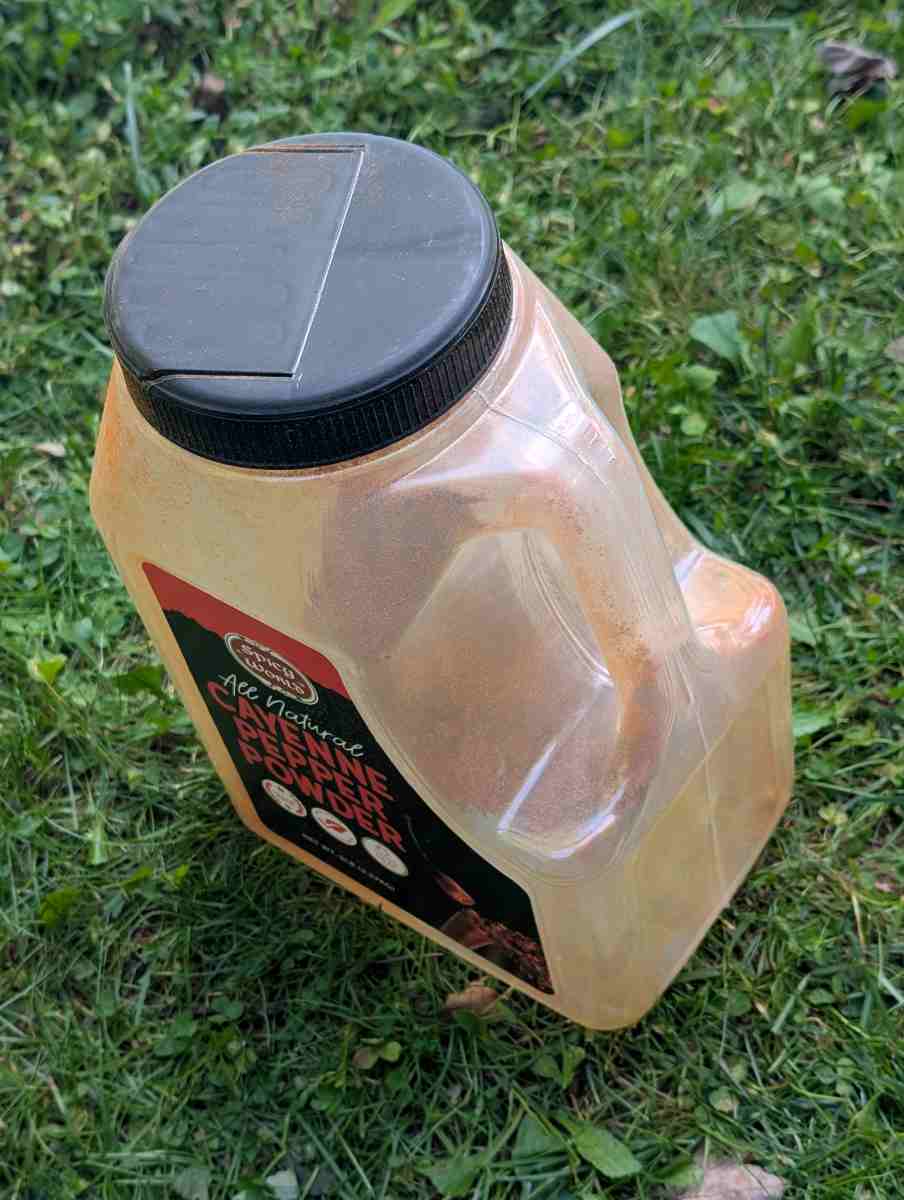
Cayenne Pepperto deter animals from the garden
To deter animals from eating our vegetables and flowers, we have continued our practice of sprinkling cayenne pepper around the garden perimeter. We go through quite a bit of it; our five-pound bottle is nearly empty, as we reapply the powder every few days and after every rainfall. We have noticed a significant reduction in rabbits and groundhogs venturing into the yard since we began using this method a few years ago.
Maggies Farm
We have officially christened our largest garden expanse as “Maggie’s Farm,” a dedicated space where we typically focus on planting sprawling, space-intensive crops such as pumpkins and various varieties of summer squash. This growing season, we decided to expand the footprint of this particular plot to accommodate a fresh selection of garden beans, along with several additional rows of tomato and pepper plants to boost our overall yield. Interestingly, we’ve run into a bit of a horticultural mystery with the seeds we purchased; those explicitly labeled as “Better Boy Tomatoes” have sprouted leaves that appear far more similar to pepper foliage than traditional tomato plants. We are currently keeping a very close eye on their daily progress to see how they develop and whether these curious sprouts will eventually reveal their true identity as the summer heat begins to peak.
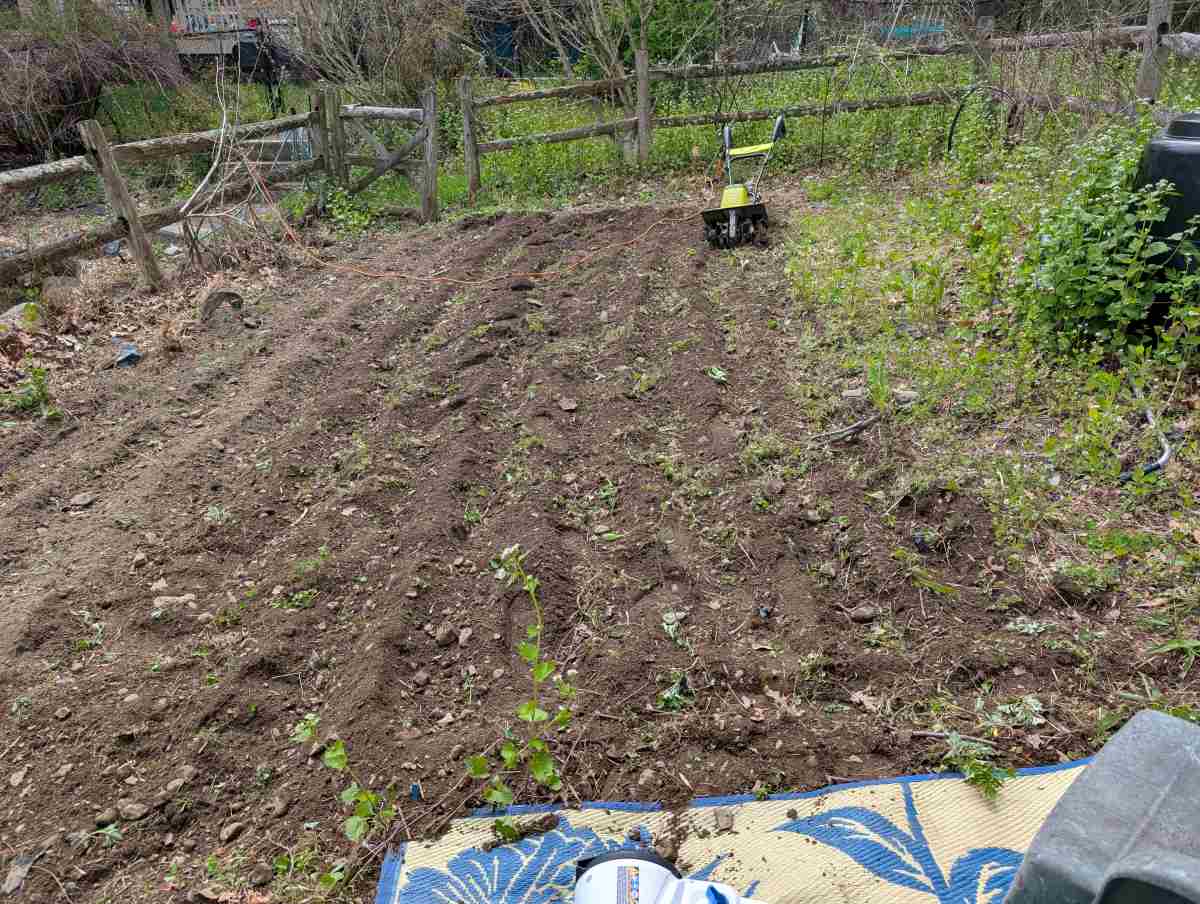
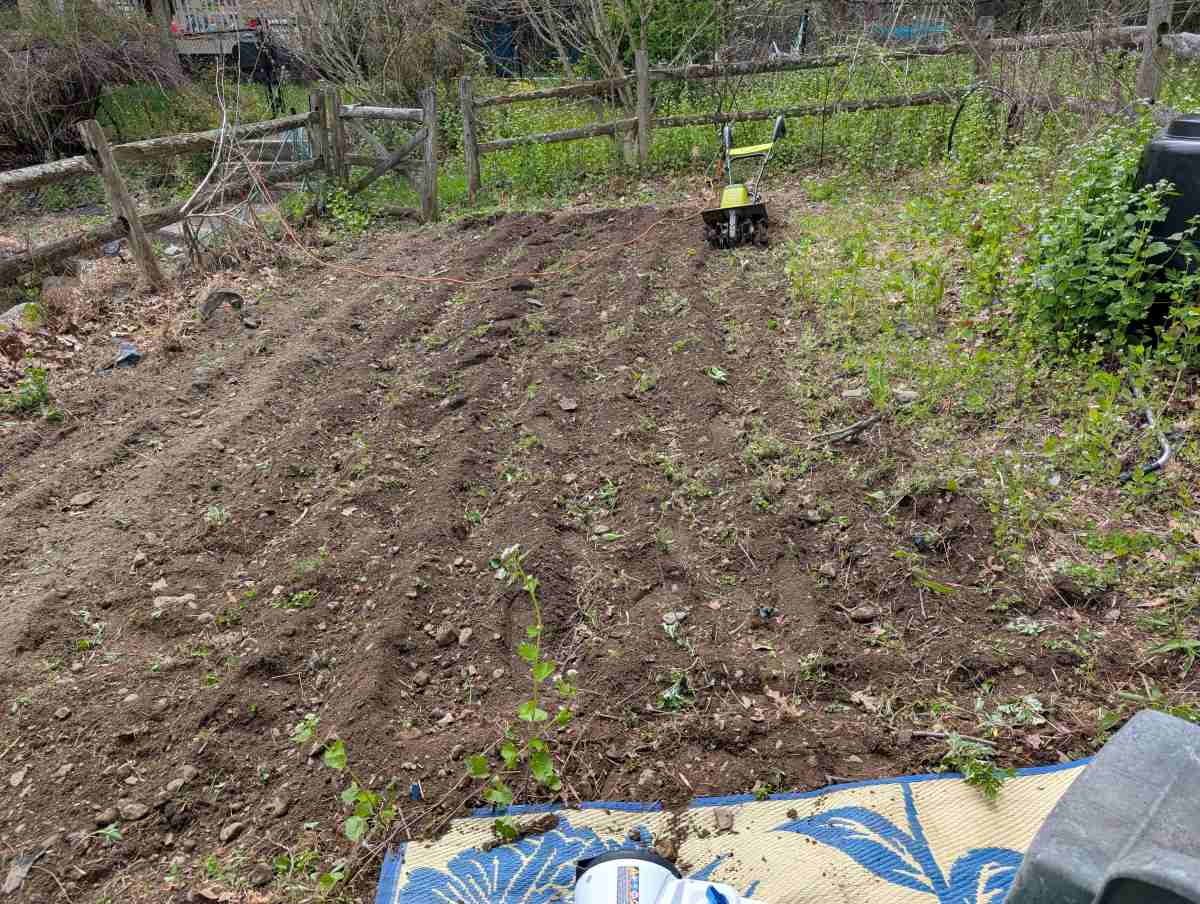
“Maggies Farm’ tilled adn ready for planting
We have prepared Maggie’s Farm using our electric tiller and are now ready to plant. This year, our garden will feature pumpkins, yellow summer squash, and bush beans. Additionally, we are transplanting the tomato seedlings that we started indoors earlier this season.
Driveway Border
Pumkins planted atop a retaining wall
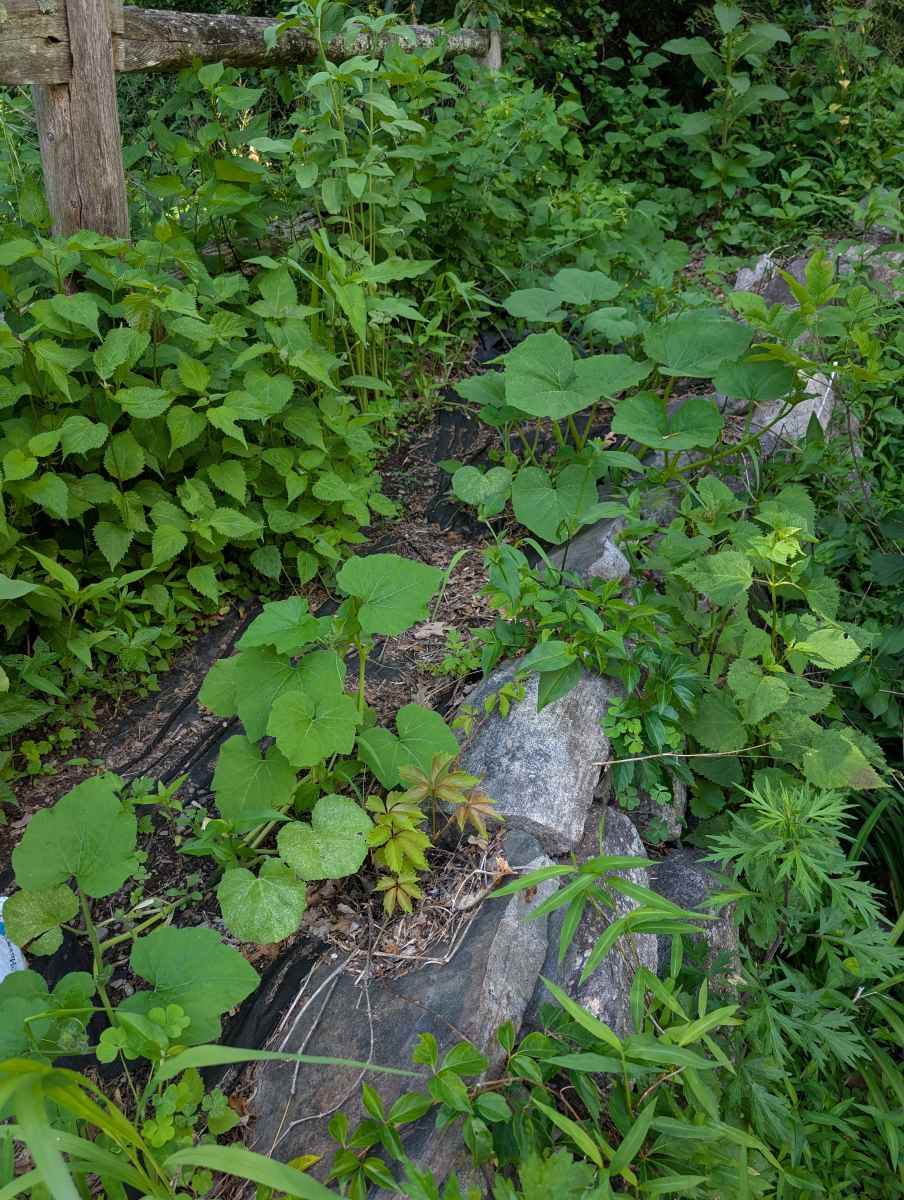
In addition to the pumpkin seeds sown in “Maggie’s Farm,” we have also planted pumpkin seeds along the retaining wall bordering the driveway. These are growing nicely and are already beginning to show flower buds.
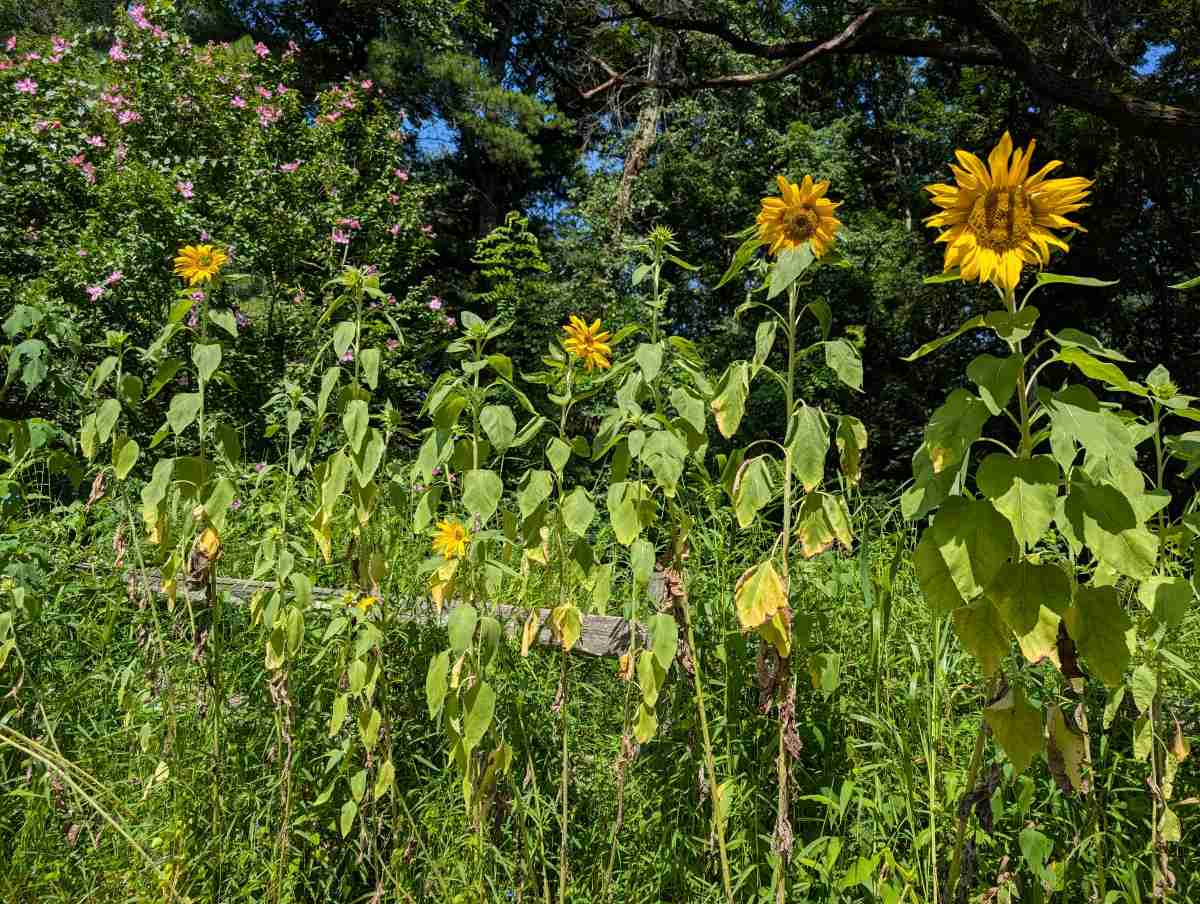
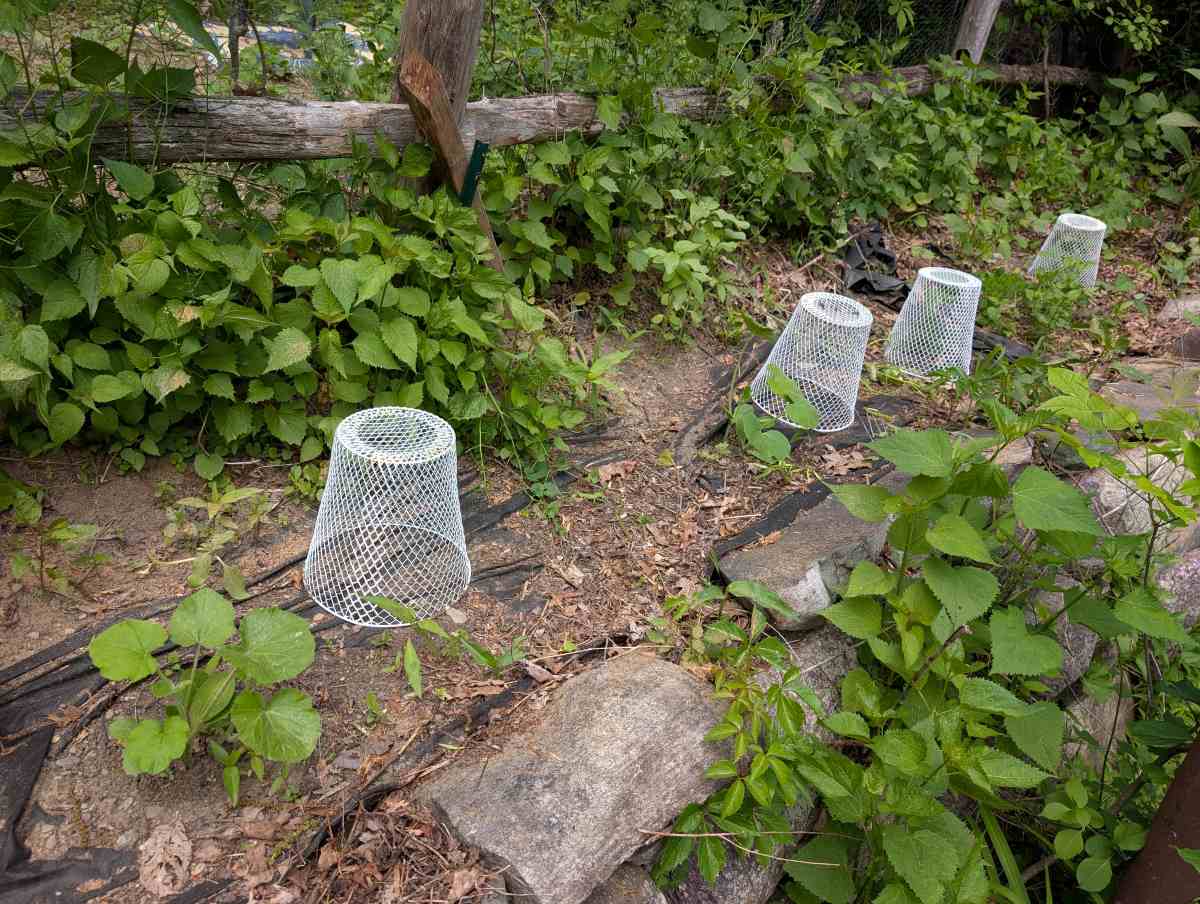
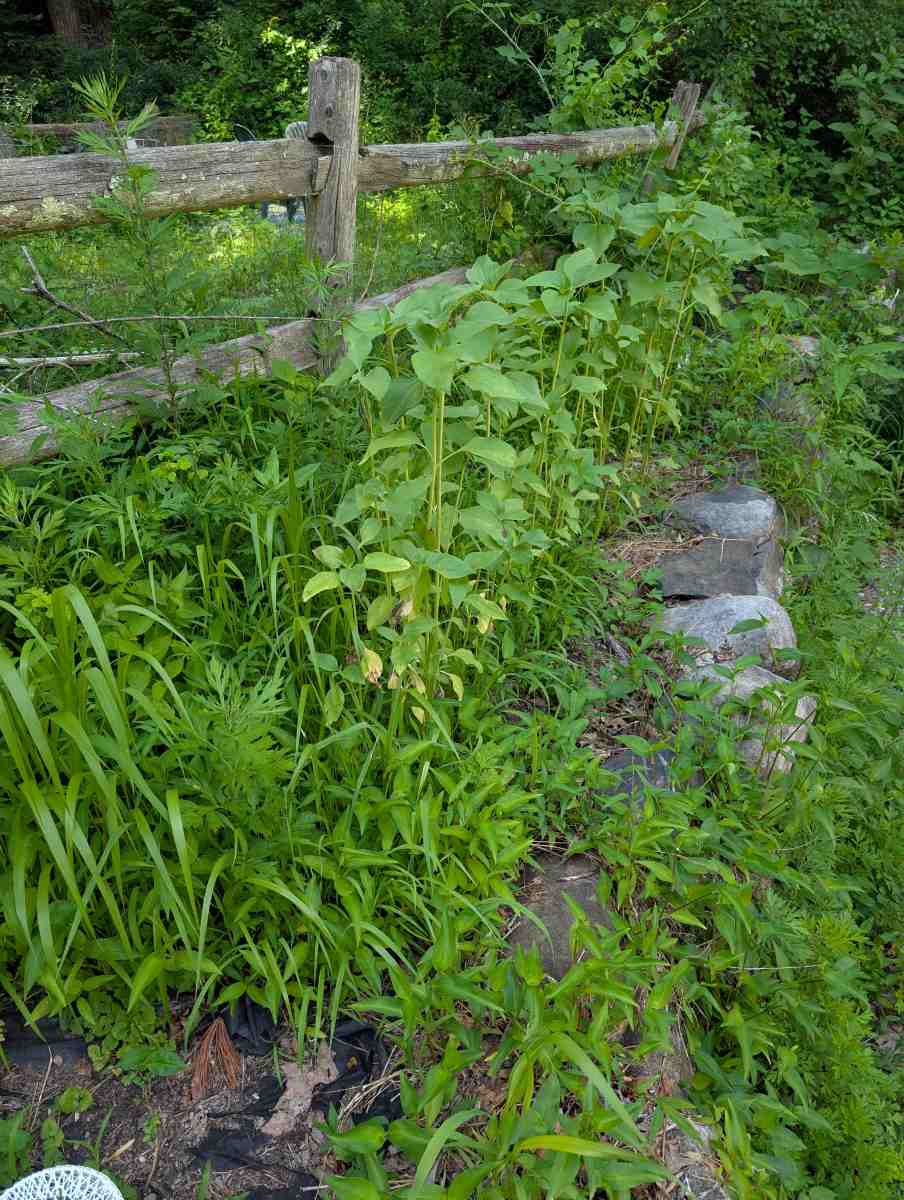
We decided to dedicate the space along the stone retaining wall at the end of our driveway to a new planting project this season, focusing specifically on pumpkins and sunflowers. This strategic layout is designed to allow the pumpkin vines to sprawl and naturally extend outward into the edge of the driveway, creating a rustic look while simultaneously keeping the sunflowers upright as a tall, vibrant, and colorful border. As you can see from the latest gallery of garden photos, our primary goal remains keeping overall maintenance as low as possible throughout the summer months—we certainly prioritize relaxation over labor, and we are quite vocal about the fact that we absolutely do not enjoy the endless chore of weeding!
row of sunflowers along retaining wall
row of pumpkin plants along retaining wall
Weather Garden
The Simpson lettuce season has officially drawn to a close, though we were fortunate enough to harvest more than enough crisp, fresh leaves for a series of delicious summer salads throughout the month. Unfortunately, we hit a bit of a setback with our initial carrot crop, which failed to germinate as expected; as a result, we have gone ahead and carefully reseeded that patch in hopes of a better yield later this season. Furthermore, while we successfully transplanted our indoor-sown eggplants into the soil, they seem to be struggling in their new environment, appearing quite stunted with unusually small leaves. To ensure we have a productive harvest regardless, we decided to supplement our struggling plants with a few robust, healthy greenhouse varieties sourced from a local nursery. On a much brighter note, our Cucamelons have transitioned beautifully from their indoor starts to the outdoor garden beds; they are currently thriving in their new location, and their vines are already beginning to reach out and climb the garden fence.
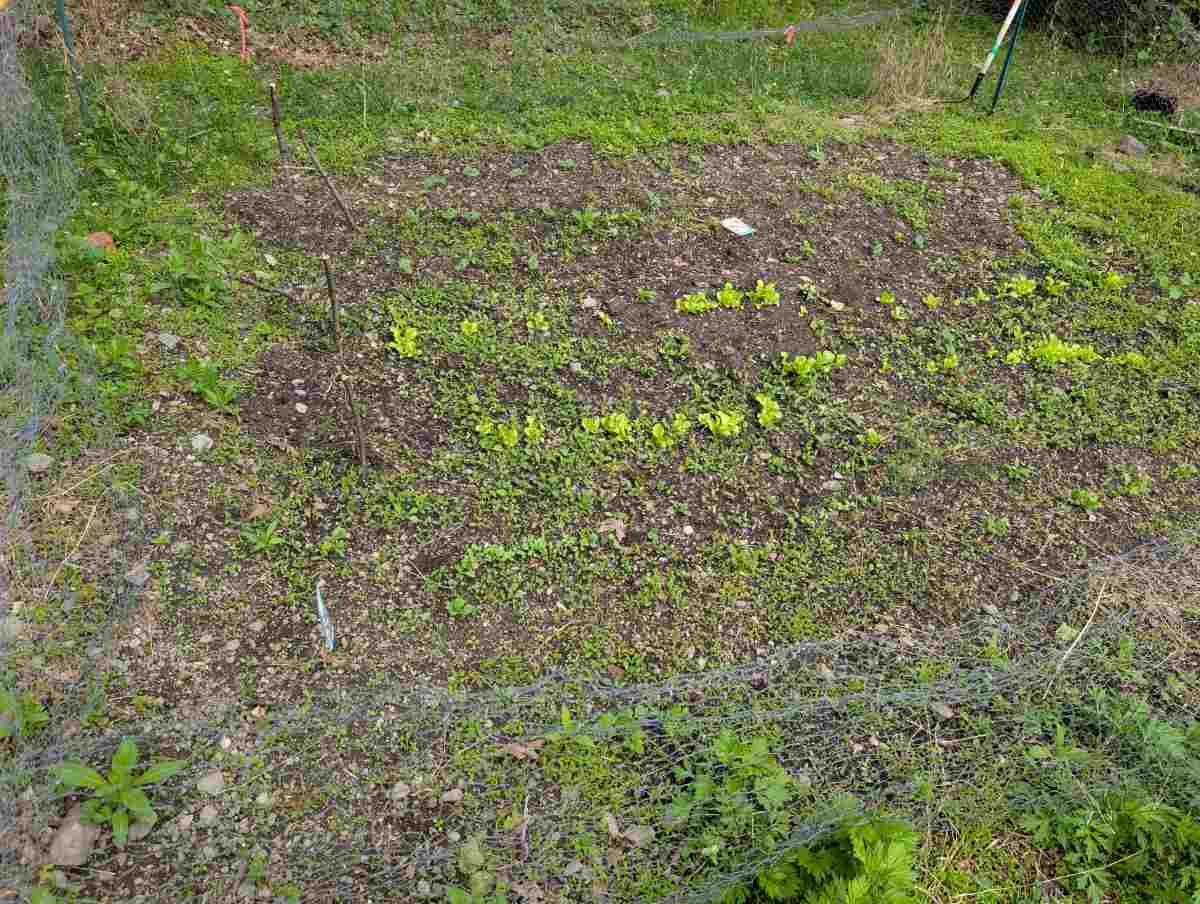
“weather garden” is getting weedy, time for some hoeing
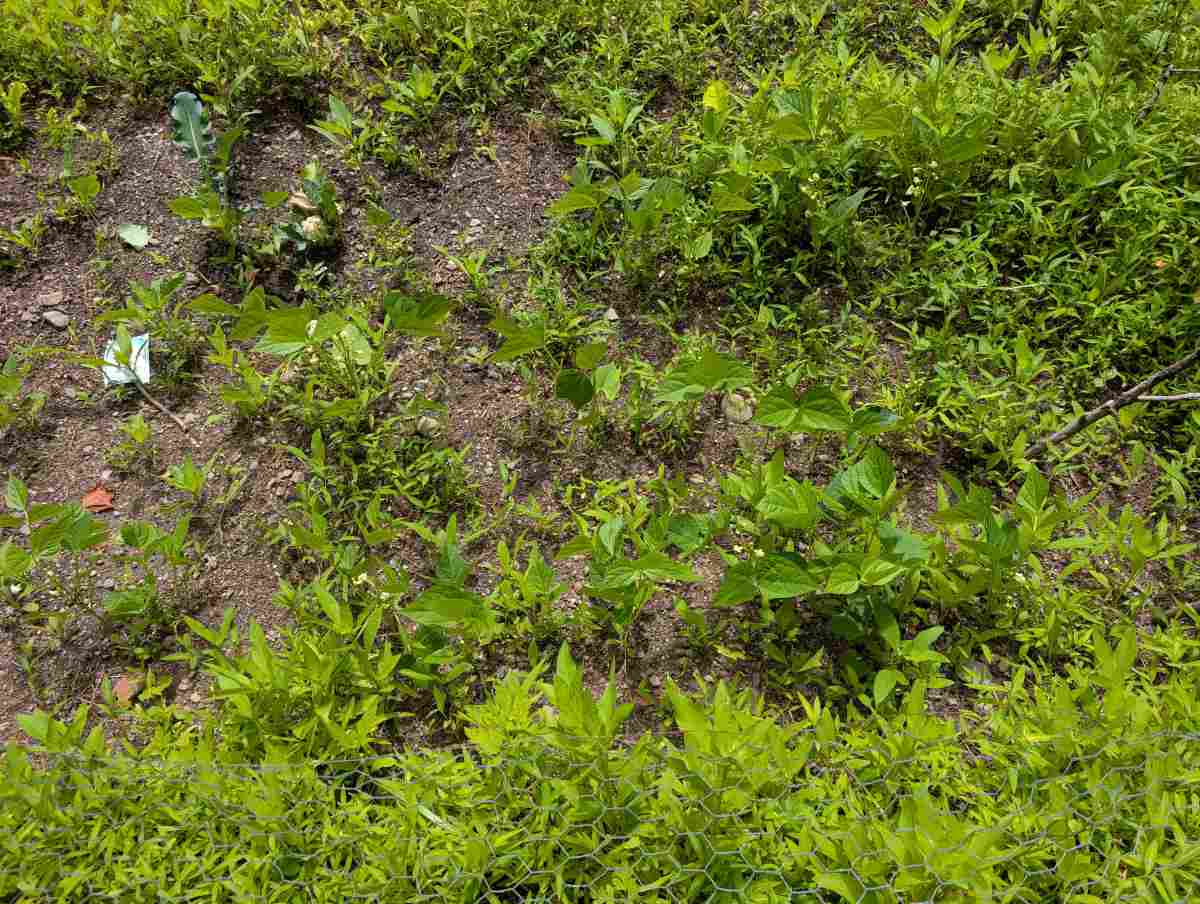
In our “weather garden’ we had some disappointing result from our radishes but we were able to harvest some tender Simpson lettuce. Our garden beans are growing well and are flowering.
As the warm days of summer draw closer and closer, the seasonal transformation is taking place in our yards and homes. We’ve brought our lawn furniture, sun-bleached and ready for countless hours of outdoor relaxation. Simultaneously, we’ve also retrieved our trusty lawnmowers from the garage, their eager to tackle the grass, signaling the official start of our outdoor maintenance season.
May 14, 2026 – Unseasonably Cool Weather, May 14, 2025
Slow growth in our “weather garden” front to rear casrrots, radishes, black-seeded lettuce and garden beans
Despite the cooler-than-anticipated temperatures that have caused a noticeable slowdown in the overall growth within our garden this month, we are pleased to share some encouraging updates on the progress of our springtime plantings. While the plants may be taking their time to fully flourish, we are already starting to see positive signs of life, particularly with our garden beans, which have successfully sprouted. Additionally, we are anticipating a very near harvest of our Simpson Black-Seeded Lettuce, a welcome addition to our kitchen table.
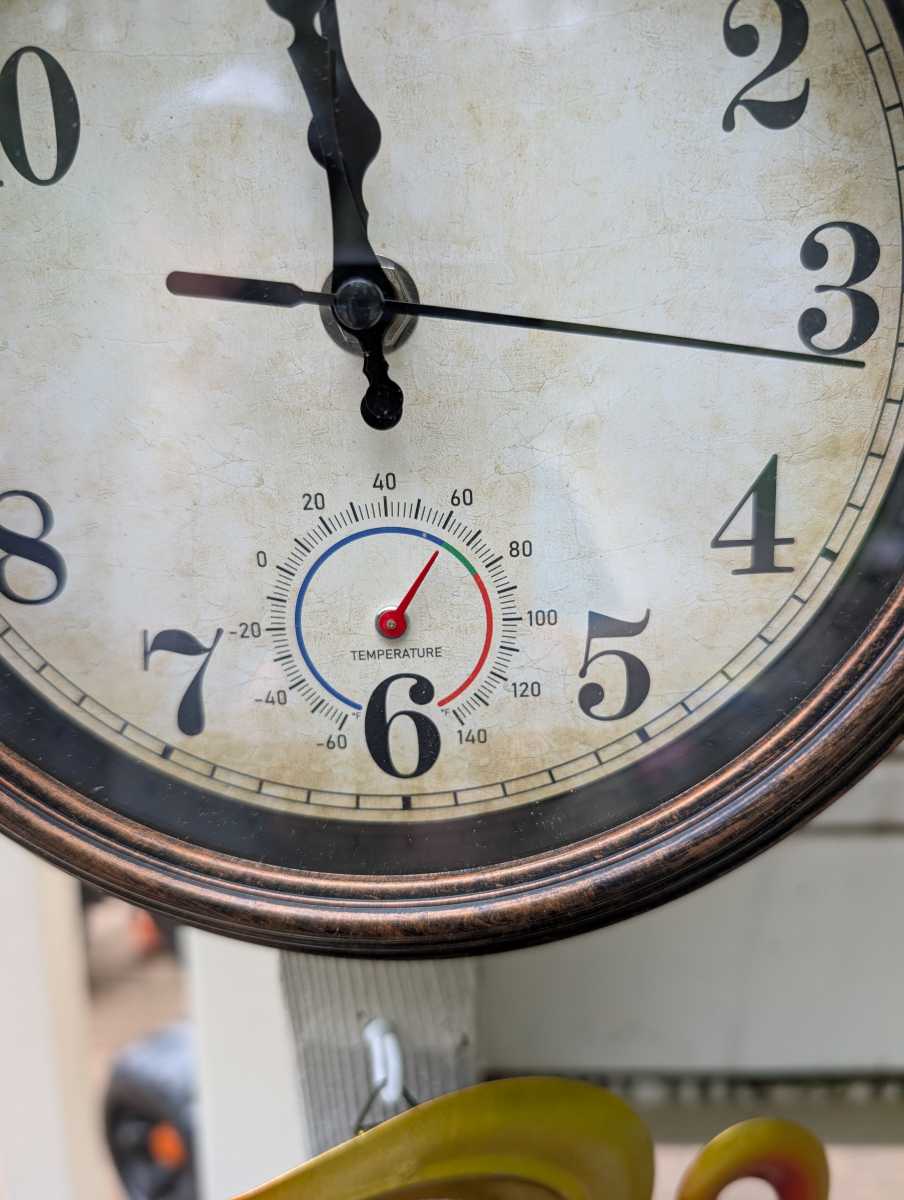
Daytime temperatures have been barely into the 60s and night time temps have been into the 30s
Today’s gardening activities include sowing seeds for summer squash and cucumbers, marking a key step in preparing for a bountiful harvest. In addition to this, we are acclimating our young red pepper plants, ensuring they gradually adjust to outdoor conditions, setting the stage for a productive pepper crop this season.
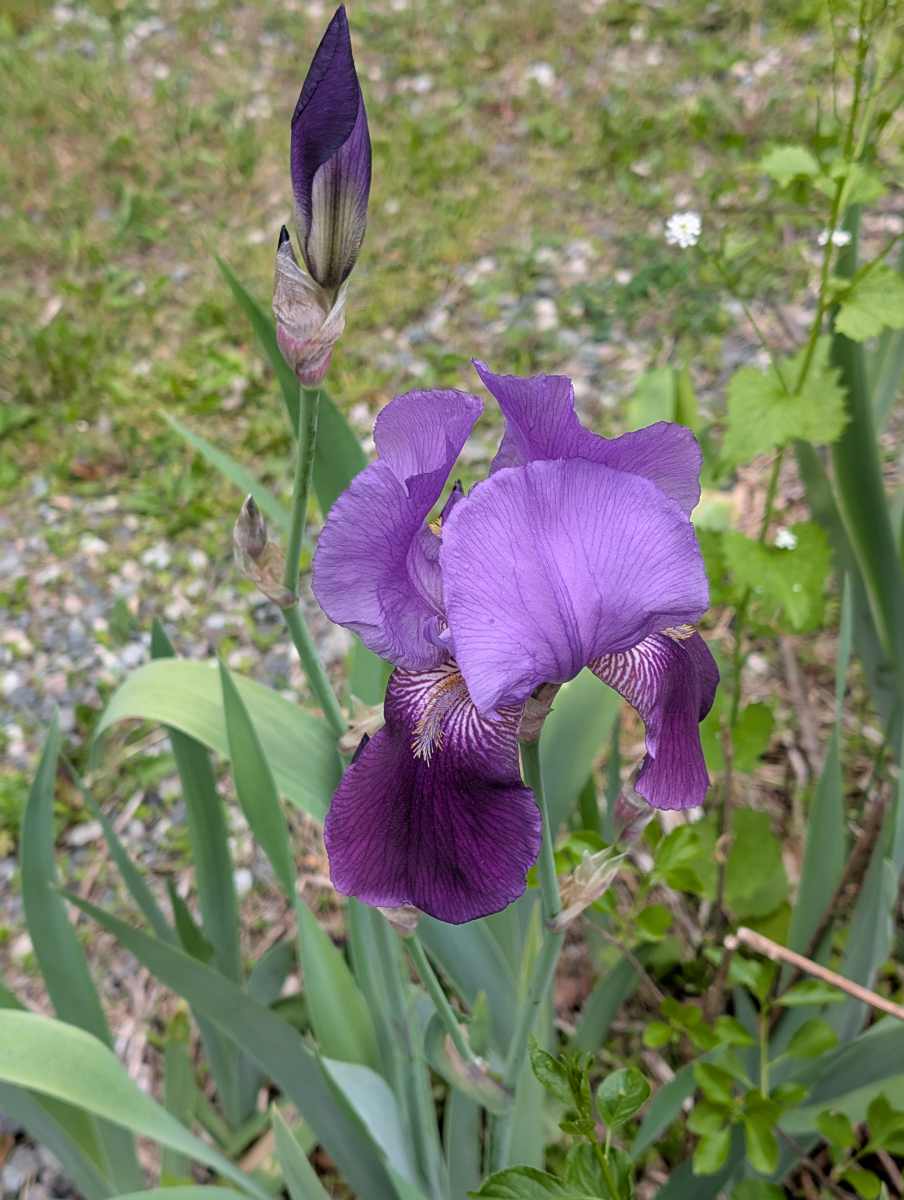
Our Flag Irises bloomed a little later than nornal
May 2, 2026
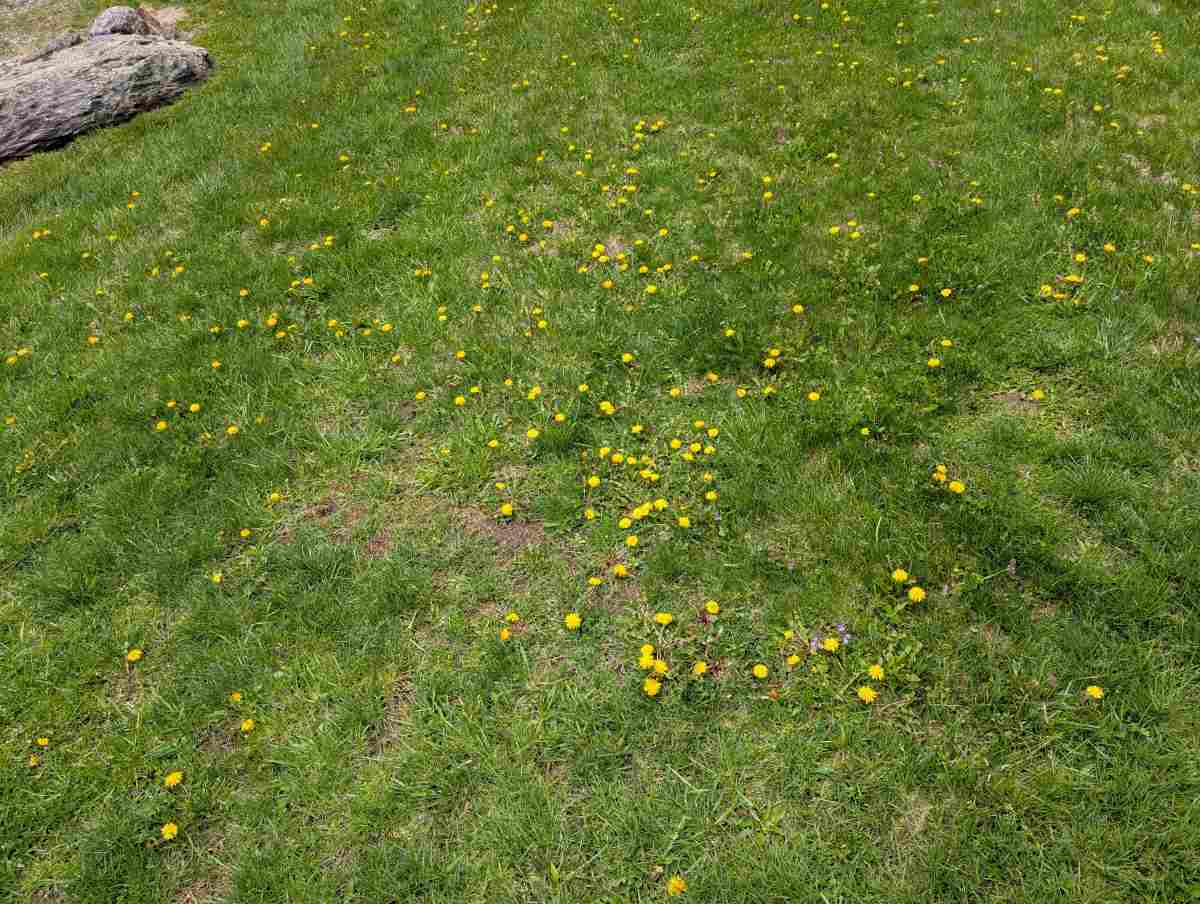
Dandelions adding color to our lawn and food for early emerging pollinators
Welcoming dandelions as a sign of spring, rather than seeing them as weeds needing herbicide, is a healthy choice. Dandelions provide food for pollinators, essential for our strawberries and garden vegetables. Avoiding pesticides and herbicides results in a healthy lawn that can support rabbits and robins. Rabbits eat the “weeds,” and robins eat grubs and caterpillars, keeping our lawn healthy.
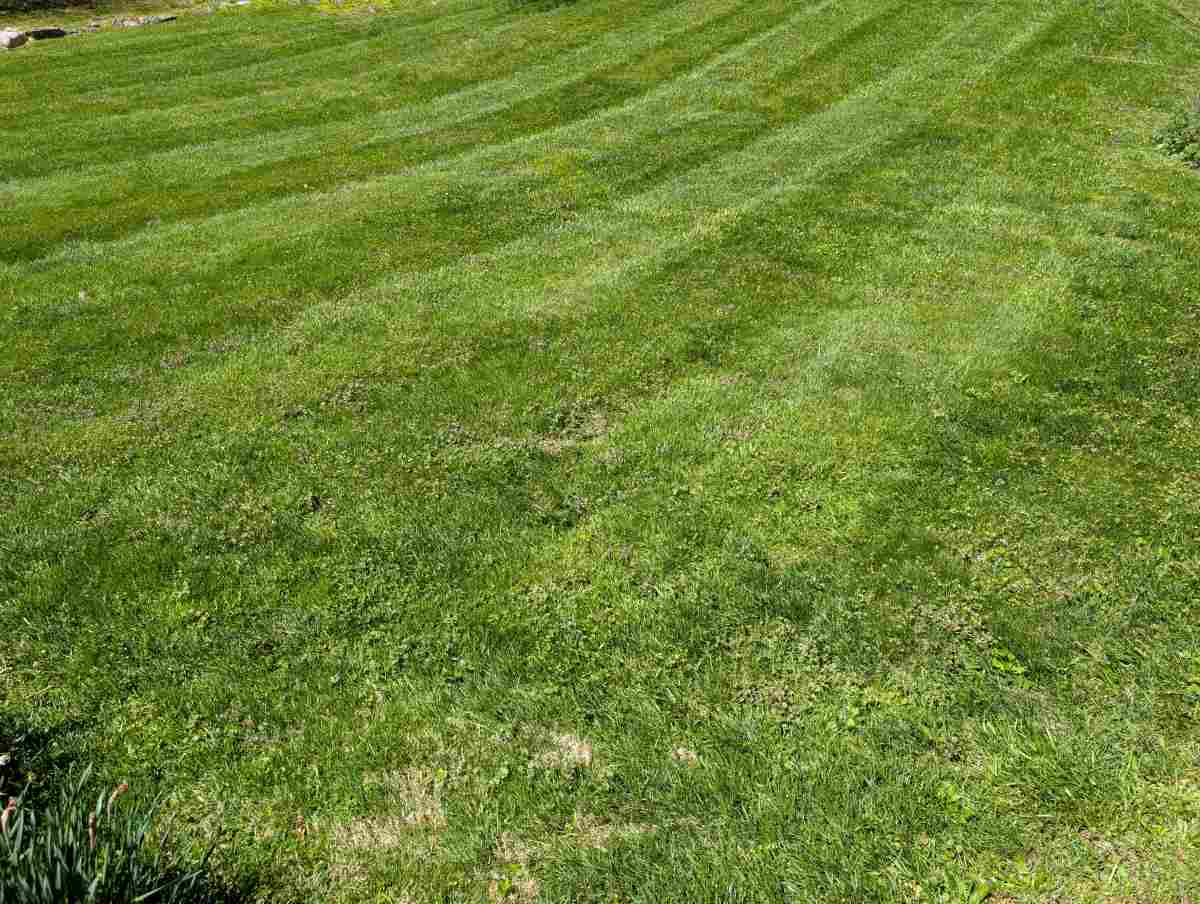
“Suburban Stripes” after cutting the lawn.
Our Outdoor Gardens
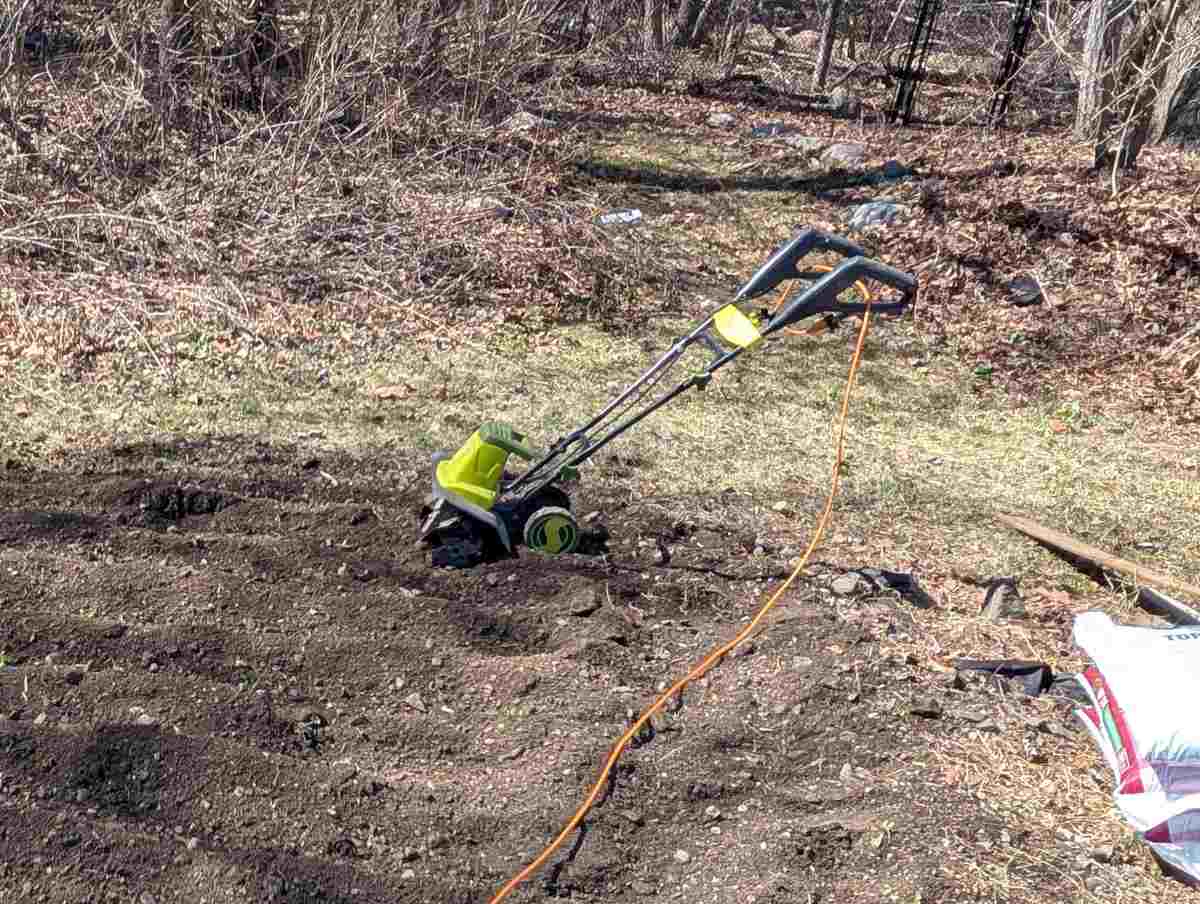
Electric tiller makes quick work preparing “maggies farm'” for planting
This past April presented a rather unusual blend of weather, featuring pockets of surprisingly warm, summery days juxtaposed with the unwelcome reality of several frosts. Undeterred by this unpredictable climate, we moved forward with our spring planting endeavors, focusing on establishing a diverse range of crops. Specifically, we planted bush beans, pumpkins, and sunflowers, all with the optimistic goal of outsmarting any lingering threat of a late frost. In addition to these main plantings, we also took the opportunity to thoroughly fill out our existing rows of lettuce and radishes, ensuring a bountiful harvest of these quick-growing greens. Beyond the established garden beds, our attention also extended to the indoor starter trays, where we are diligently implementing a gradual acclimation process. These young seedlings are being carefully introduced to outdoor conditions, spending increasing amounts of time outdoors on sunny days, thereby preparing them for their eventual transplanting into the garden.
With May’s lingering threat of overnight frost warnings still casting a shadow, we are exercising caution and postponing the planting of our carefully nurtured, indoor-sown tomato plants, patiently awaiting the arrival of consistently warmer temperatures. Despite this, the garden is already showing signs of vibrant life. We are delighted to observe the emergence of our garden beans, signaling the start of a bountiful harvest, while the Simpson Black Seeded Lettuce and radishes are thriving, their lush greens and vibrant colors adding an optimistic touch to the garden beds. Capitalizing on the gradually increasing temperatures and the welcome spring rains, we’ve also extended our culinary options by setting out containers brimming with fresh dill and parsley, their fragrant leaves promising to enhance our meals. Adding a touch of whimsy and potential bounty to our outdoor space, we have planted pumpkins and sunflowers in our ledge garden, which borders the driveway, anticipating their cheerful blooms and eventual harvests in the coming months.
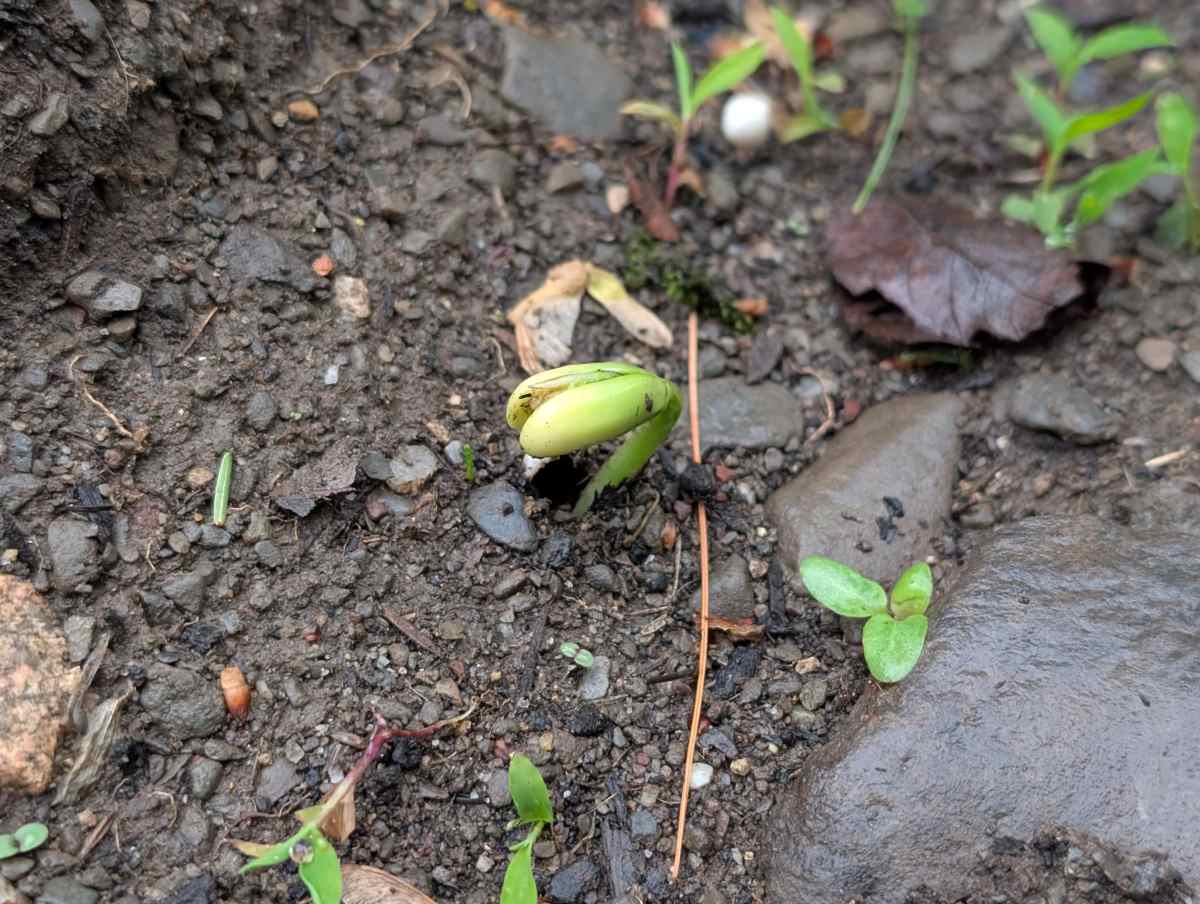
Our garden beans are sprouting
Cherry tomatoes ransplante outdoors in pots
We are very excited to share that the process of transitioning our indoor seedlings to their permanent outdoor summer residences has officially begun! The first batch to make the move were our vibrant cherry tomatoes, carefully lifted from their cozy indoor starter trays and gently settled into their own, larger outdoor pots. We can already envision these plump, juicy cherry tomatoes bursting with flavor, perfectly complementing fresh summer salads and adding a delightful touch to our favorite summer squash dishes.
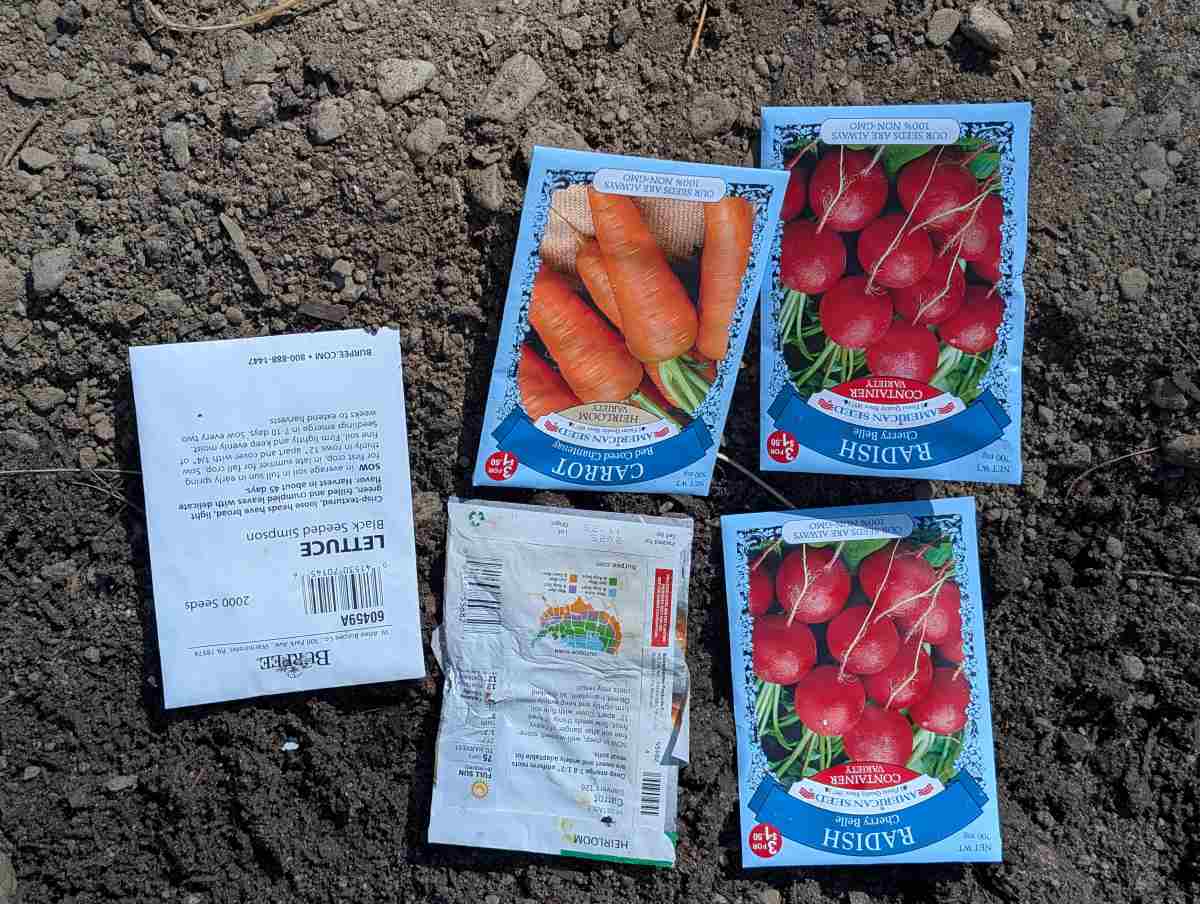
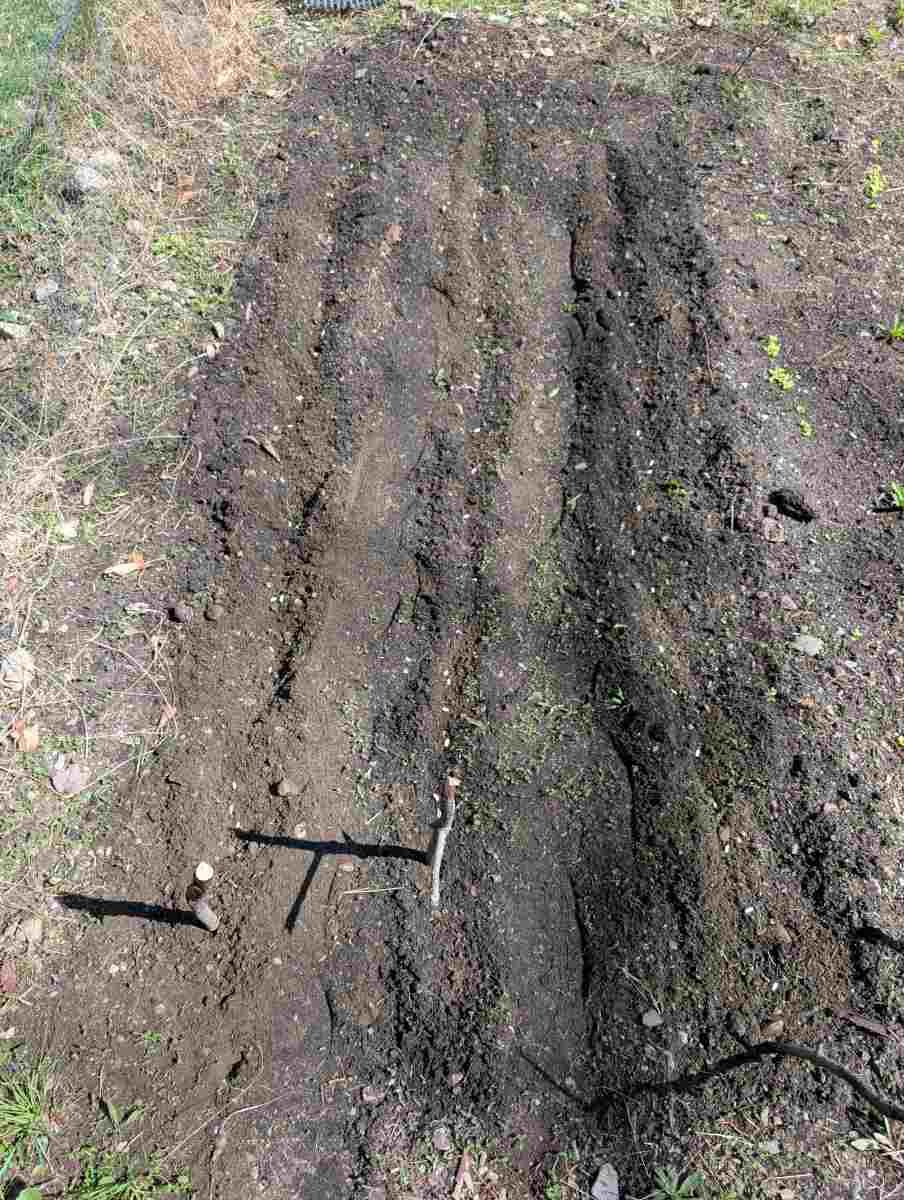
This year marks a significant expansion of our outdoor gardening endeavors. We are enhancing our “weather garden” by considerably enlarging its footprint and enriching the soil with a blend of high-quality topsoil and nutrient-rich cow manure compost. To ensure optimal conditions for planting, we prepared the garden beds using our electric tiller, creating a fine tilth for the upcoming seeding of carrots, radishes, and the hardy Simpson black-seeded lettuce. In addition to these preparations, we also dedicated attention to our root vegetable patch by incorporating desert sand, which we carefully raked into the soil to improve drainage and texture, further optimizing the growing environment for these valuable crops.
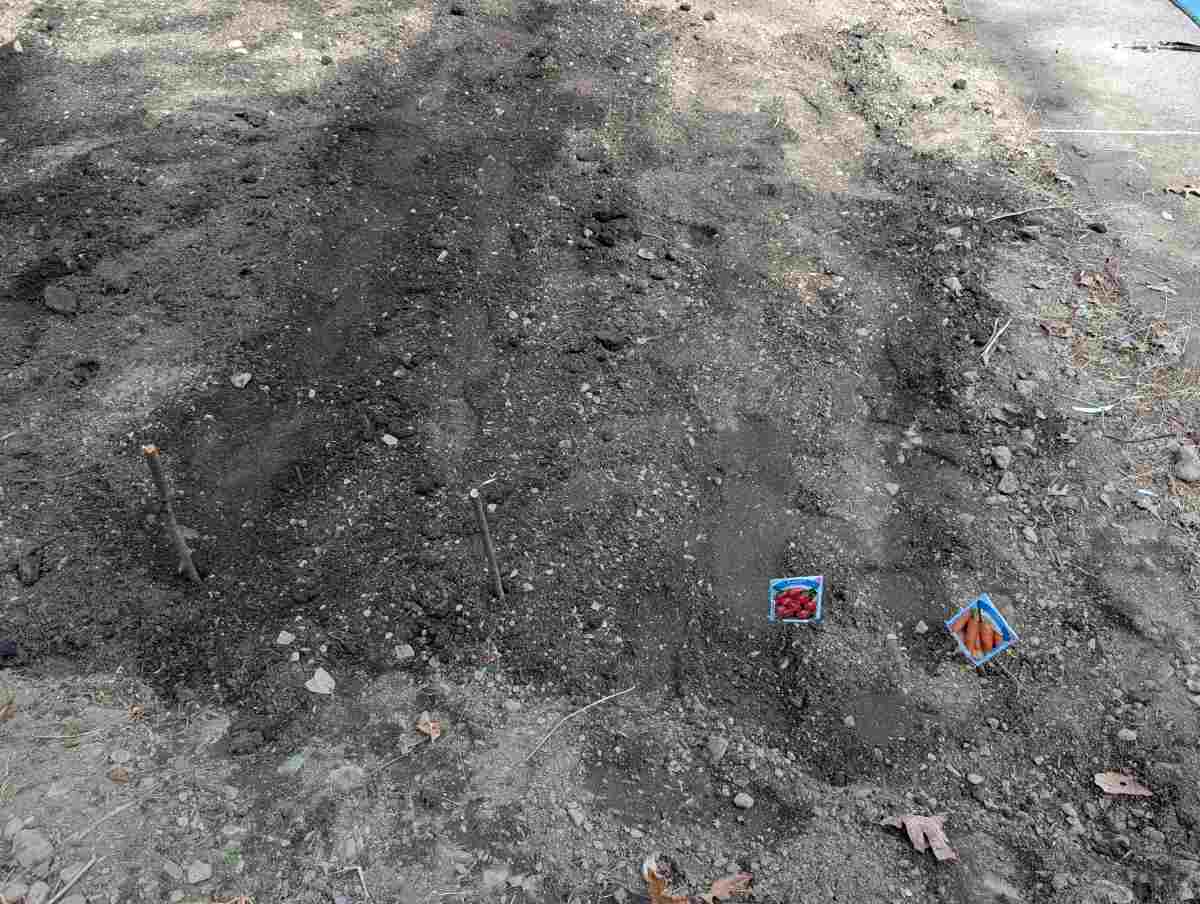
Carrots, radishes and Lettuce seeds ready for plantingSown seeds in garden with markers
Following the seed planting process, I use a simple yet effective method of row identification: I insert small wooden sticks into the soil alongside the newly sown seeds, often accompanied by the original seed packets for easy reference. My current planting plan anticipates an early harvest, with the nimble radishes and crisp lettuce leaves expected to be ready for consumption within approximately one month. The more patient carrots, on the other hand, are slated to provide their rooty bounty closer to the end of the growing season, fulfilling the promise of a sustained and varied harvest throughout the months to come.
The last frost date for northern New Jersey is expected to be May 1, 2026
This April, I’ve dedicated extra hours to lawn care using my broadcast spreader. A key focus has been applying pellet lime to effectively address the lawn’s pH balance and promote the natural release of essential nutrients within the soil. Simultaneously, I’ve been actively engaged in overseeding, a practice aimed at cultivating a denser, more robust, and ultimately, a carpet-like lawn texture. As a strong advocate for a healthy and safe environment, I make a conscious effort to cultivate my lawn using natural and eco-friendly practices. I prioritize the well-being of my family, pets, local wildlife, and the surrounding ecosystem by strictly avoiding the use of synthetic fertilizers, herbicides, and insecticides in my lawn care routine.
“I prioritize the well-being of my family, pets, local wildlife, and the surrounding ecosystem by strictly avoiding the use of synthetic fertilizers, herbicides, and insecticides in my lawn care routine.”
Although we’ve experienced some unexpectedly warm weather recently, which might give the false impression that summer is just around the corner, the recent shift in the climate has been quite noticeable, and unfortunately, we were met with a frosty morning after a cold night.
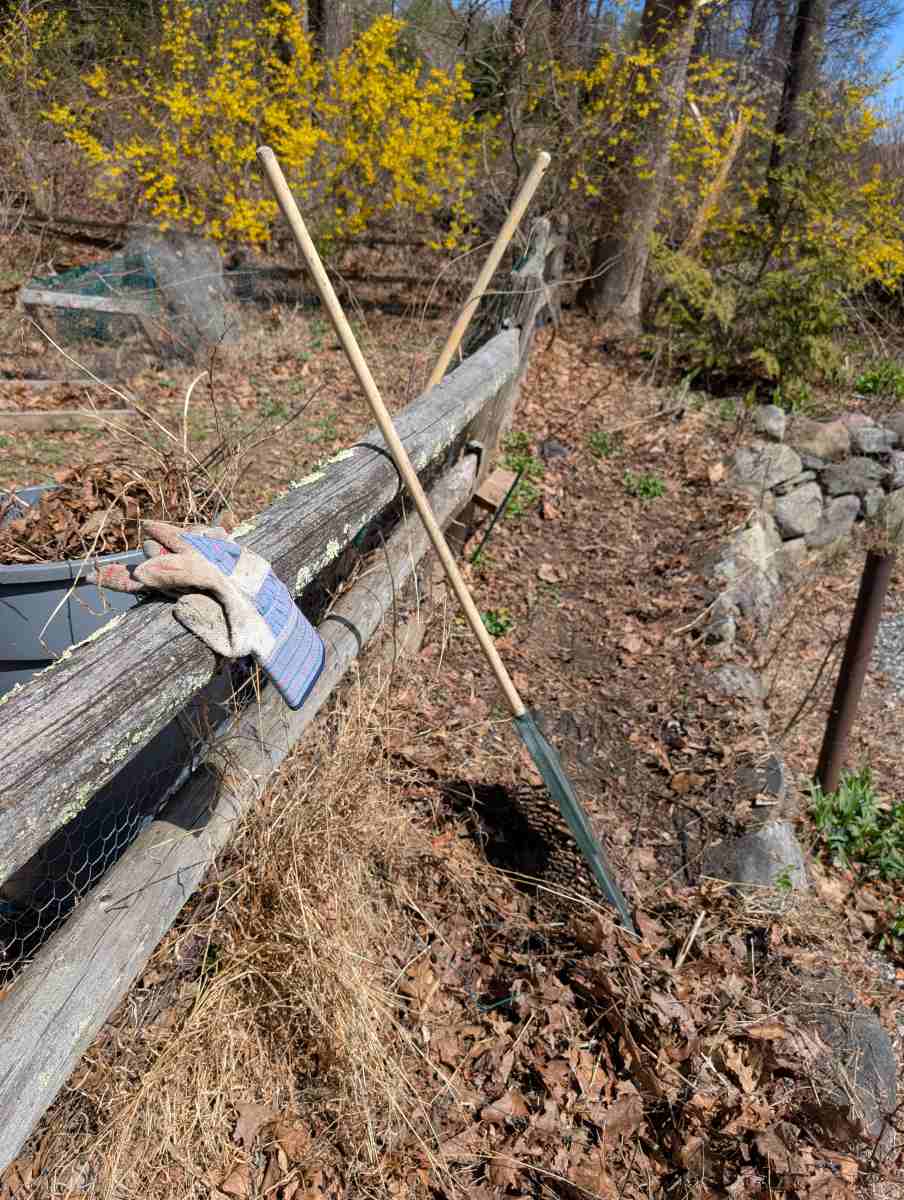
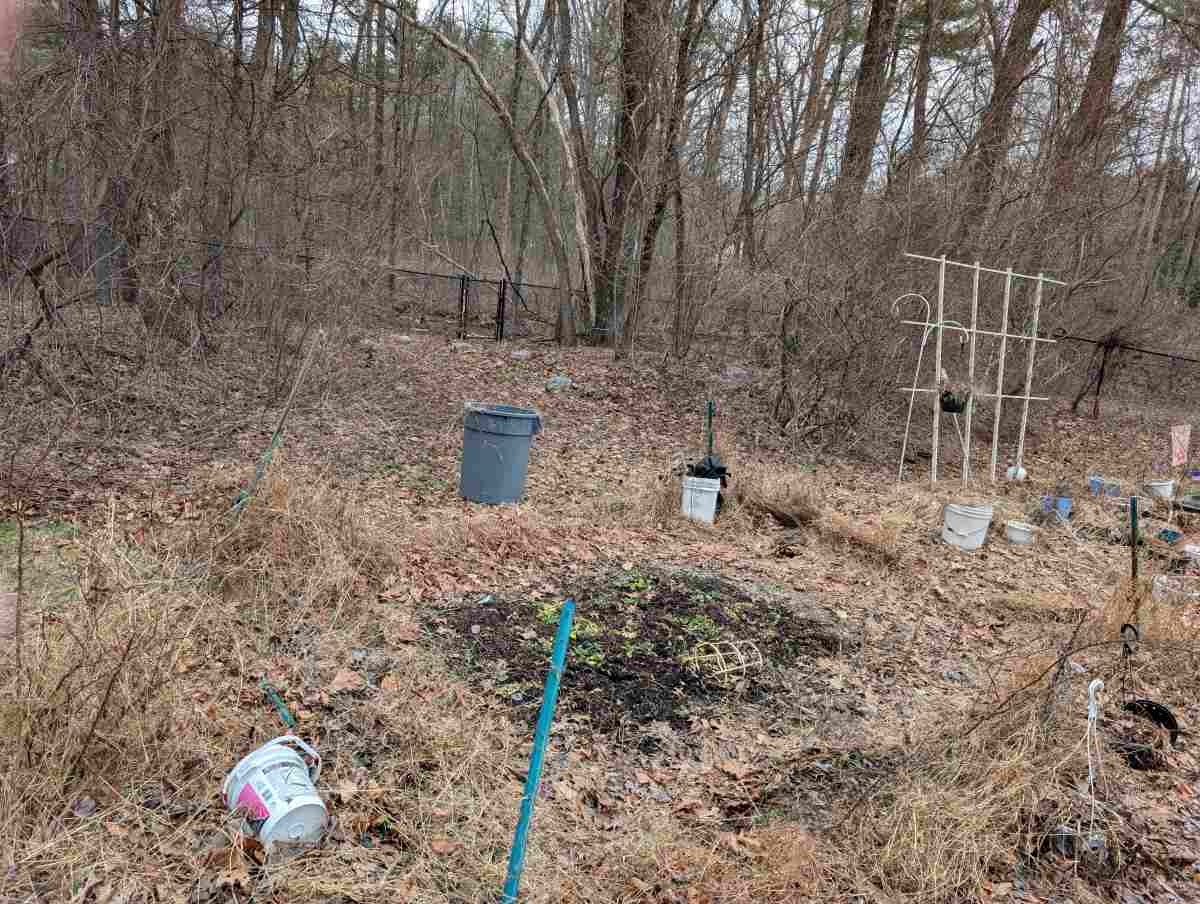
“maggies farm” cleanup before tilling
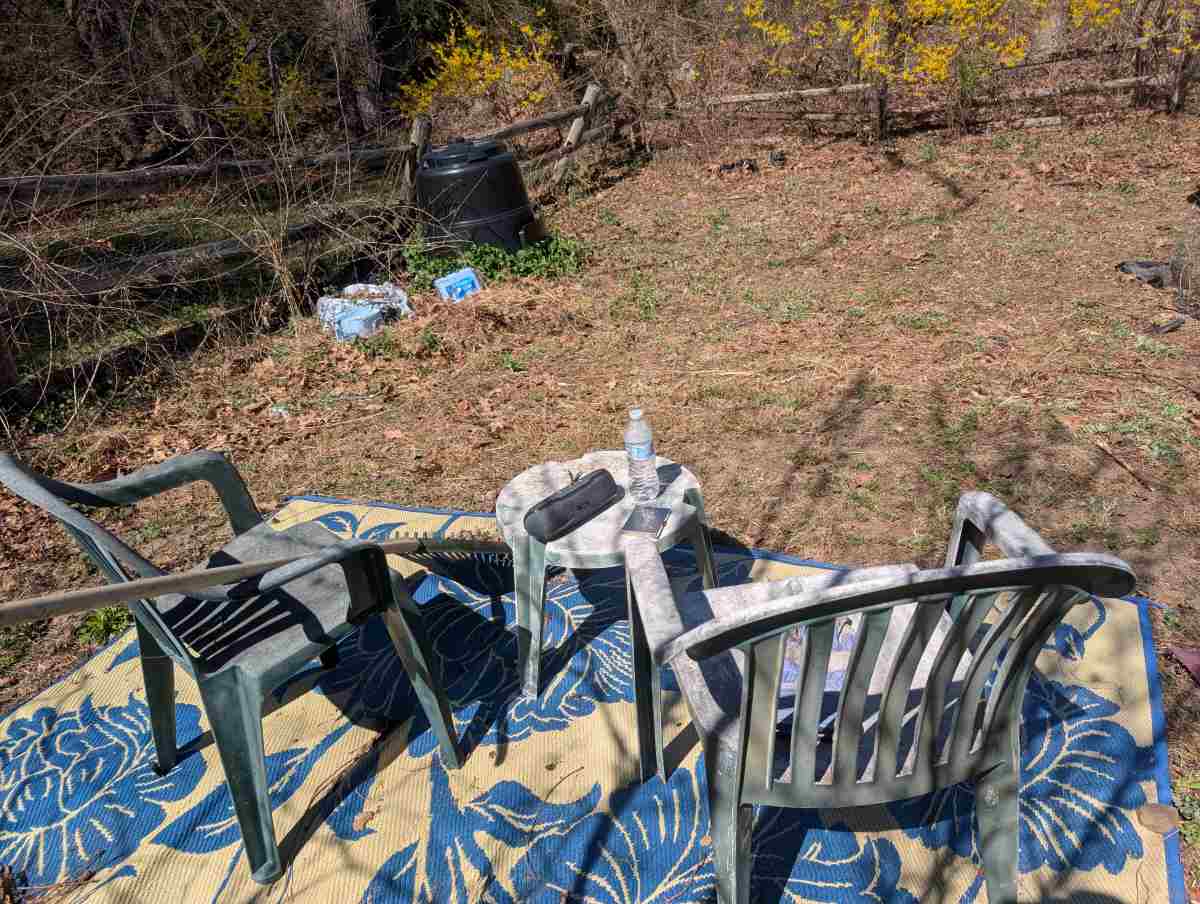
The old, slightly worn carpet, placed over my garden bed back in the fall, has become an unexpected haven – a perfect spot for taking a much-needed break and for planning the transformation of the new garden in “Maggie’s Farm.” With springtime in full bloom, I started the preparations by thoroughly clean the area, carefully removing and collecting all the accumulated debris to clear the space for the new season.
We are preparing a designated strip of land situated adjacent to the retaining wall, with the objective of establishing a pumpkin patch for the upcoming season. This preparatory work involves a focused clean-up operation, concentrating on the efficient removal of accumulated debris, including fallen leaves, twigs, and other organic matter, as well as addressing the proliferation of weeds that are currently encroaching from the neighboring areas, particularly those growing through the existing fence line. I am planning to till this before planting pumpkin seed.
Indoors: Our indoor starting trays are not growing as planned. The temperature in my basement is only 65° F, so I tried raising the temperature to 70° F. So far the cherry tomato seeds have been most productive. I dont have as many beefsteak tomatoes as I would like so I planted another tray. THe eggplant sprouted but then fizzled out so I will be planting another tray as well as some additional; beefsteak tomato and mexican sunflowers. I put thr sunflowers in a warmer, sunier spot and they quickly germanated, I alsoput the eggplant tray there too and will wait for the mageic to happen!Q
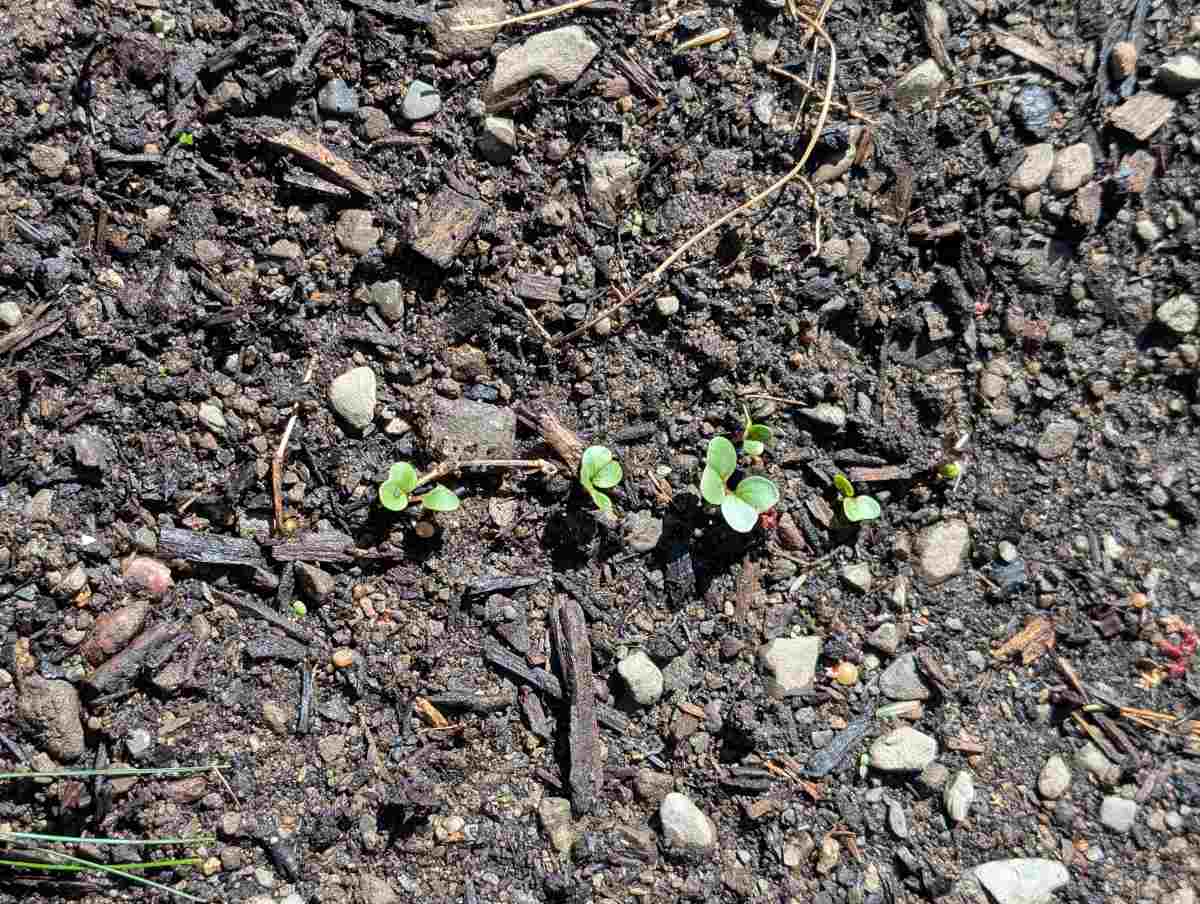
Outdoors:Our outdoor garden survived several nights of frost and our radishes and lettuce has germinated and green leaves are visible.
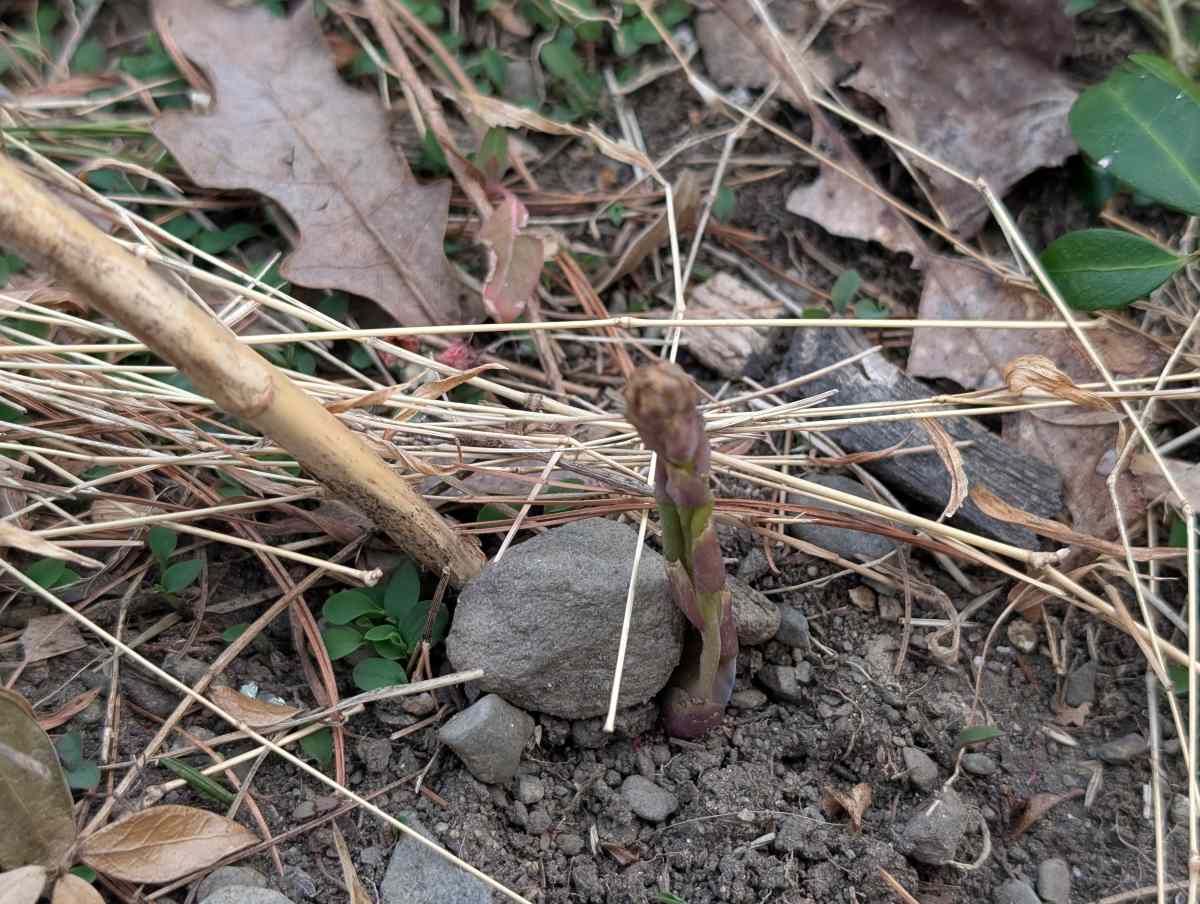
Approximately fifteen years ago, I planted asparagus, and initially, the results were quite inconsistent, with only a scattering of spears appearing over time. My early attempts at harvesting were unsuccessful because I hadn’t realized the importance of looking for the tender shoots in the early spring months. Instead, I focused on observing the plant’s growth throughout the summer, noting the development of the tall, leafy fronds. After carefully observing the location where the asparagus plants were producing spears, I was able to pinpoint the area and, as a result, enjoyed my first successful asparagus harvest the following year.
While my current asparagus patch yields a modest harvest of spears, I believe that significantly better results could be achieved with increased care and attention to the bed. Asparagus plants are known to flourish in well-maintained conditions, specifically in soil that is free from the challenges of weeds and rocks. Unfortunately, my North Jersey garden soil presents these very obstacles, making the task of cultivation somewhat challenging. Nevertheless, even with the presence of overgrown weeds and the rocky nature of the soil, I am still able to manage a small, though welcome, annual asparagus harvest.
This year, I embarked on a new gardening adventure by planting fresh asparagus roots, carefully preparing the soil to ensure their successful establishment. First, I thoroughly soaked the roots in water to hydrate them before gently laying them into a meticulously dug 5-inch deep trench. After placement, I covered them with fertile soil, providing the necessary foundation for their growth. To ensure easy identification of the rows as they develop, I strategically used iris plants as natural markers. Now, with anticipation, I await the passage of a year, knowing that a modest, yet rewarding, asparagus harvest will be the result of this patient endeavor.
Many types of wildlife, including rodents, various insects, birds, and other creatures, are naturally drawn to the delicious vegetables that our garden provides. While it’s certainly appealing to think of sharing our hard-earned produce, it’s also important to protect our crops. Fortunately, effective and relatively simple pest management techniques can help maintain a thriving garden while minimizing unwanted visitors and their potential damage to our plants and harvests.
“effective and relatively simple pest management techniques can help maintain a thriving garden while minimizing unwanted visitors and their potential damage to our plants and harvests.”
rt23 staff
To effectively protect your garden from unwanted visitors like groundhogs, rabbits, and deer, consider a natural deterrent like using cayenne pepper. Begin this preventative measure early, ideally even before you plant anything, to gradually train the local animals to steer clear of your cultivated area. A simple yet effective technique involves sprinkling cayenne pepper liberally along the perimeter of your garden borders.
April 23, 2026 The “weather garden” featuring our lettuce and radishes is thriving, showing promising signs of growth. We recently dedicated the remaining portion of our garden space to cultivate three rows of bush garden beans, preparing the soil meticulously by raking it thoroughly. Our plan is to grow bush beans in this newly prepared area, while pole beans will be strategically planted along the fence line and within the area of our bird shrine.
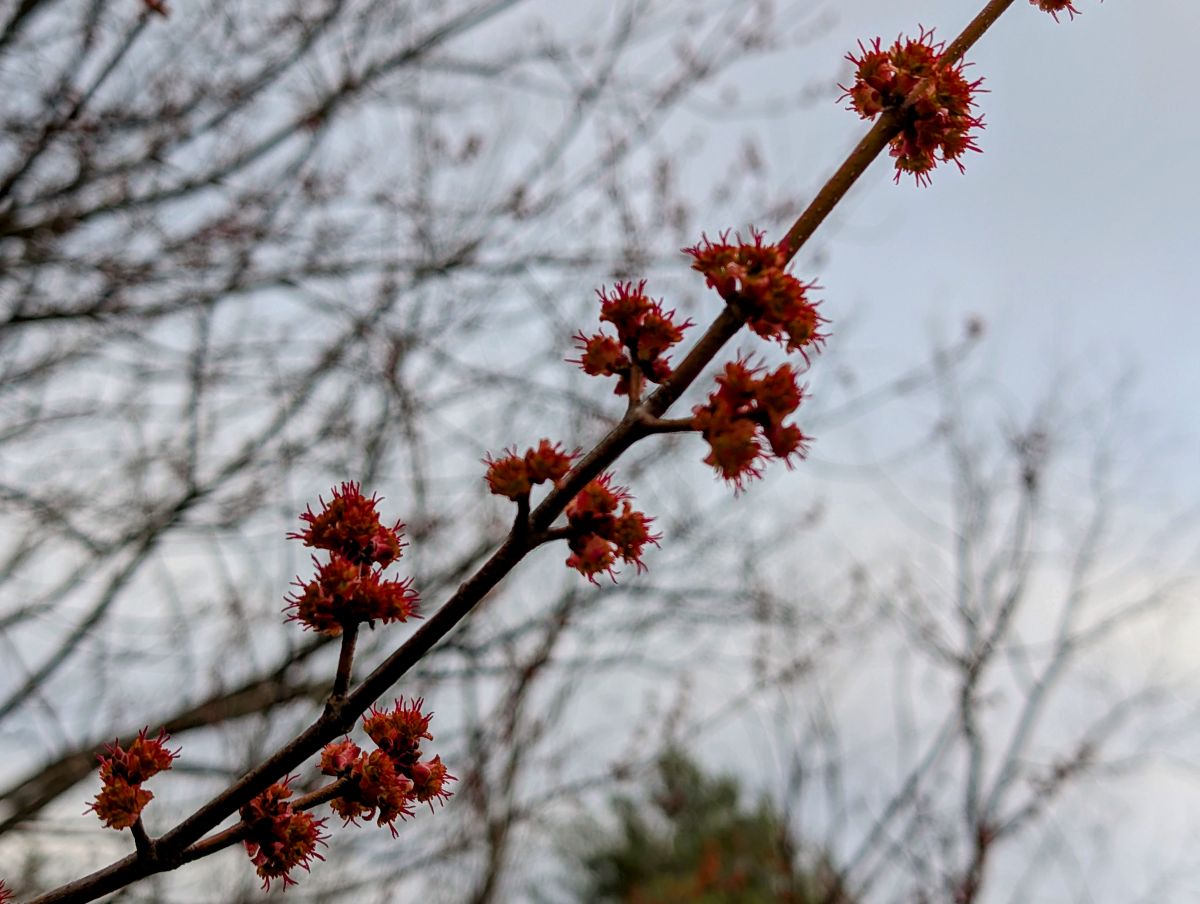
A sure sign of spring is the booming red flowers of a Red Maple tree, scientifically known as Acer rubrum.
As Spring 2026 has officially arrived and is in full swing, we are eagerly anticipating the opportunity to dedicate our time and energy to rejuvenating our outdoor spaces. Although the purchase and arrangement of new lawn furniture will have to take a backseat to more immediate needs, our current focus is squarely on essential tasks such as applying pellet lime to nourish the soil and strategically sowing premium grass seed to ensure a lush, vibrant lawn. In addition to these lawn care activities, we are also diligently working to prepare our vegetable and flower beds, meticulously cultivating the soil and removing any winter debris to create the ideal environment for a bountiful array of spring plants.
It is such a welcome change to see the snow finally disappear, and we are keeping our fingers crossed that we won’t be hit by a surprise late-spring snowstorm. With the colder months behind us, our decks and patios are now bustling with activity as we are eager to take advantage of the pleasant weather and enjoy some much-needed time outdoors after being cooped up inside for so long.
Uodate: April 9, 2026
Blooming daffodils in Wesr Milford, NJ
Well a few warm days do not amount to a summer. The weather turn and we experienced some frost last night
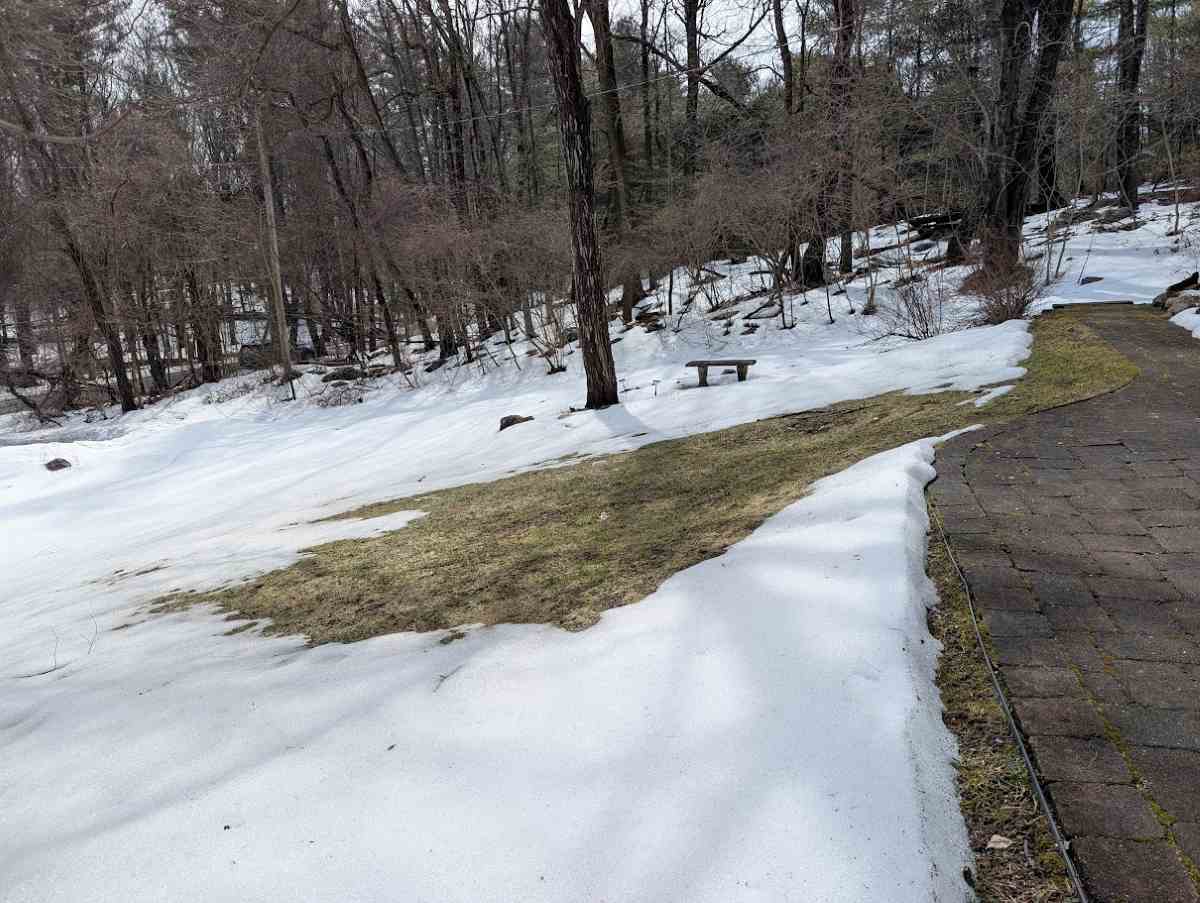
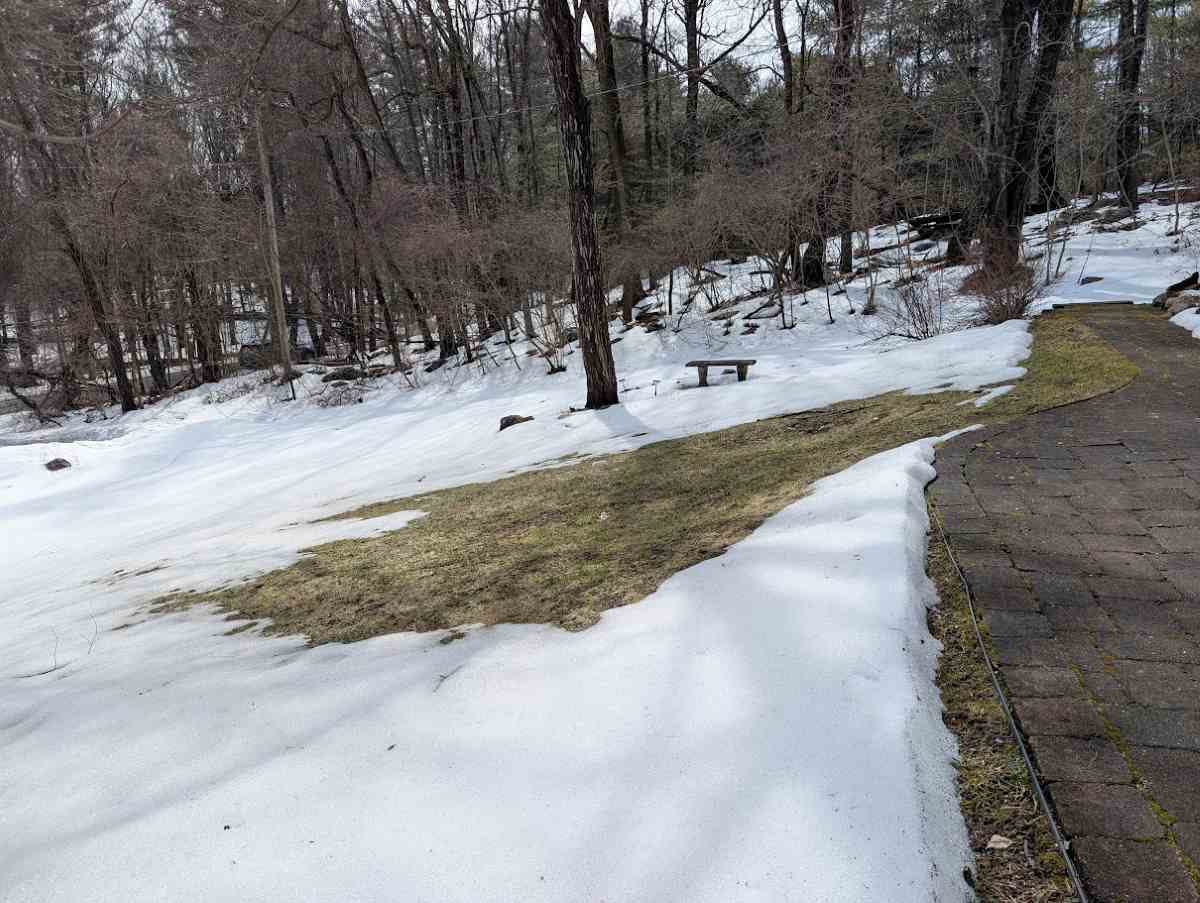
the lawn and garden path lose their snowy winter coat
With the arrival of March, we find ourselves once again preparing our garden for the upcoming growing season, which means it’s time to replenish our essential seed starting supplies and planting trays. Specifically, peat pellets are absolutely at the top of our priority list this month, as they are so crucial for getting our seedlings off to a healthy start. Beyond that, we’re also making sure to stock up on high-quality beefsteak tomato, cherry tomato and eggplant seeds, ensuring we have a diverse and bountiful harvest later in the year. The good news is, we were smart enough to save our planting trays from last year’s gardening adventures, so we’ll be happily reusing them this season, reducing waste and getting a head start on our gardening tasks!
Field Mice
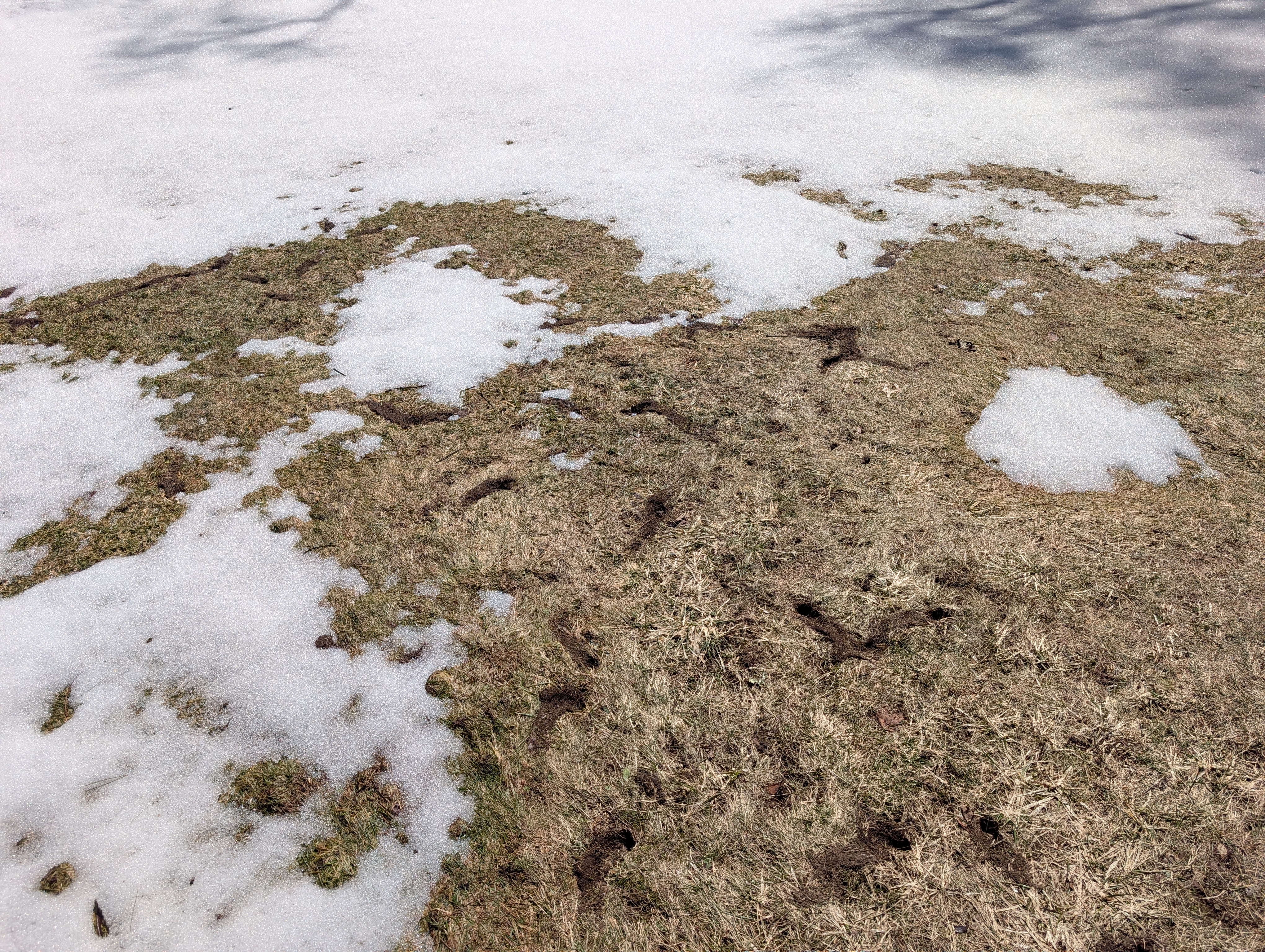
Field mice create “runways” beneath the snow are visible when the snow melts
I recently found something unusual in my lawn, I noticed the appearance of numerous holes and what appear to be snakelike markings across the grass. After some research to understand the cause, I’ve concluded that these are being caused by field mice or voles, which are apparently quite active beneath the current snowpack, creating tunnels and pathways through the ground.
Although they look bad, these trails generally do not permanently damage the lawn, and the grass usually recovers on its own or with light raking and reseeding.
As soon as the winter snow has fully melted away and the ground is workable, I will start my annual spring lawn preparation. This will involve thoroughly raking to remove all the accumulated dead grass, fallen leaves, and any small branches that may have been left behind by the harsh winter storms. Following this initial clearing, I plan to make a trip to my local garden center to purchase pelletized lime. The purpose of the lime is to help neutralize the soil, which often becomes acidic after the winter months. Once the lime has been applied, I will rely on the spring rains to naturally dissolve and distribute the lime throughout the soil, ensuring an optimal environment for healthy plant growth. After the lime has had sufficient time to work its magic, I will then proceed with planting new grass seed to rejuvenate my lawn for the upcoming growing season.
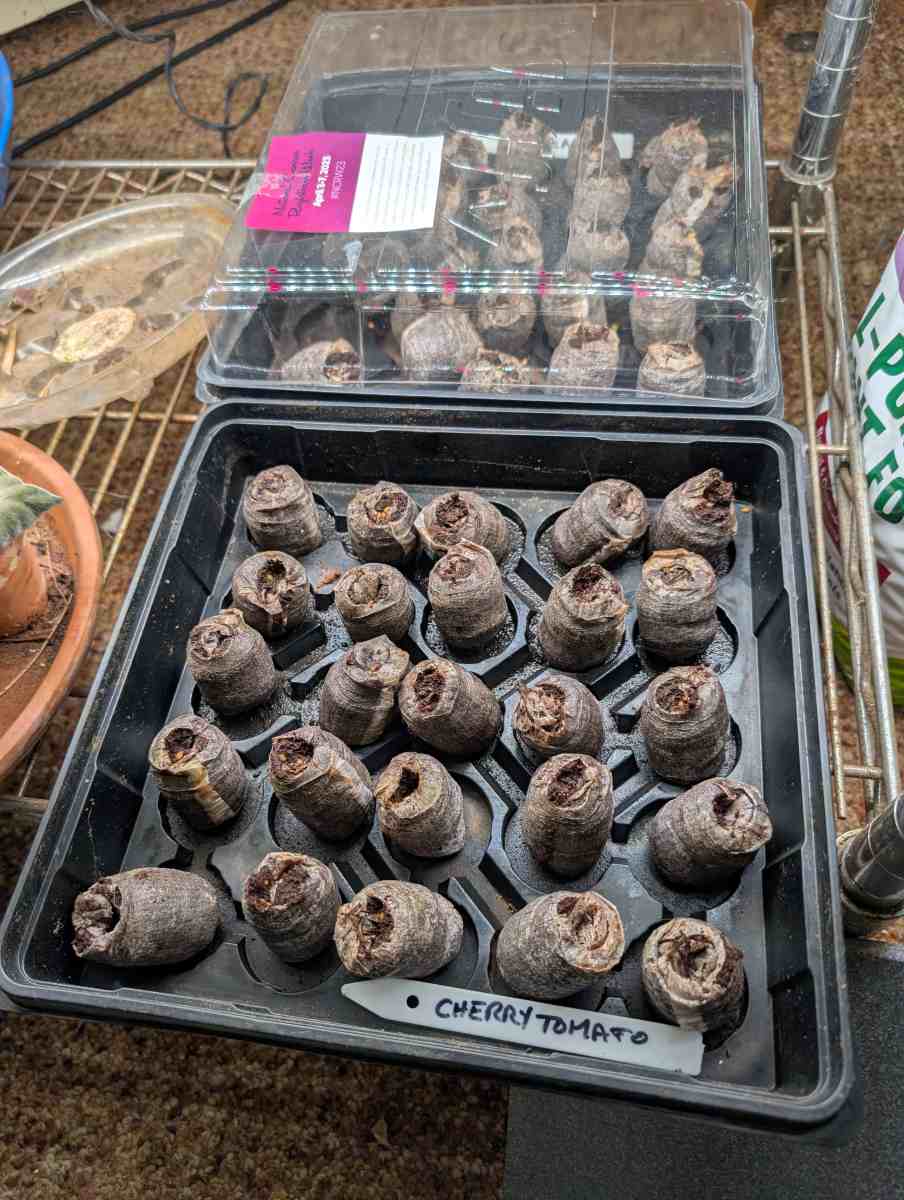
Seed Starting – Cherry Tomatoes and Eggplant
It’s that wonderful time of year again – time to get a head start on my garden by starting the vegetable and flower indoors, preparing for the spring planting season. I’ve prepared by reusing my trusty seedling trays from last year’s successful harvest and stocked up on a fresh box of peat pellets, ensuring a healthy and sustainable start for my seedlings. I kicked things off with some exciting varieties, including cherry tomatoes and eggplants, eagerly anticipating the arrival of my beefsteak tomato seeds. Beyond the delicious edibles, I’m also nurturing a colorful array of flowers, including cheerful African daisies and the vibrant Mexican sunflowers, promising a beautiful display later in the season.
Cherry tomato and eggplant starter trays
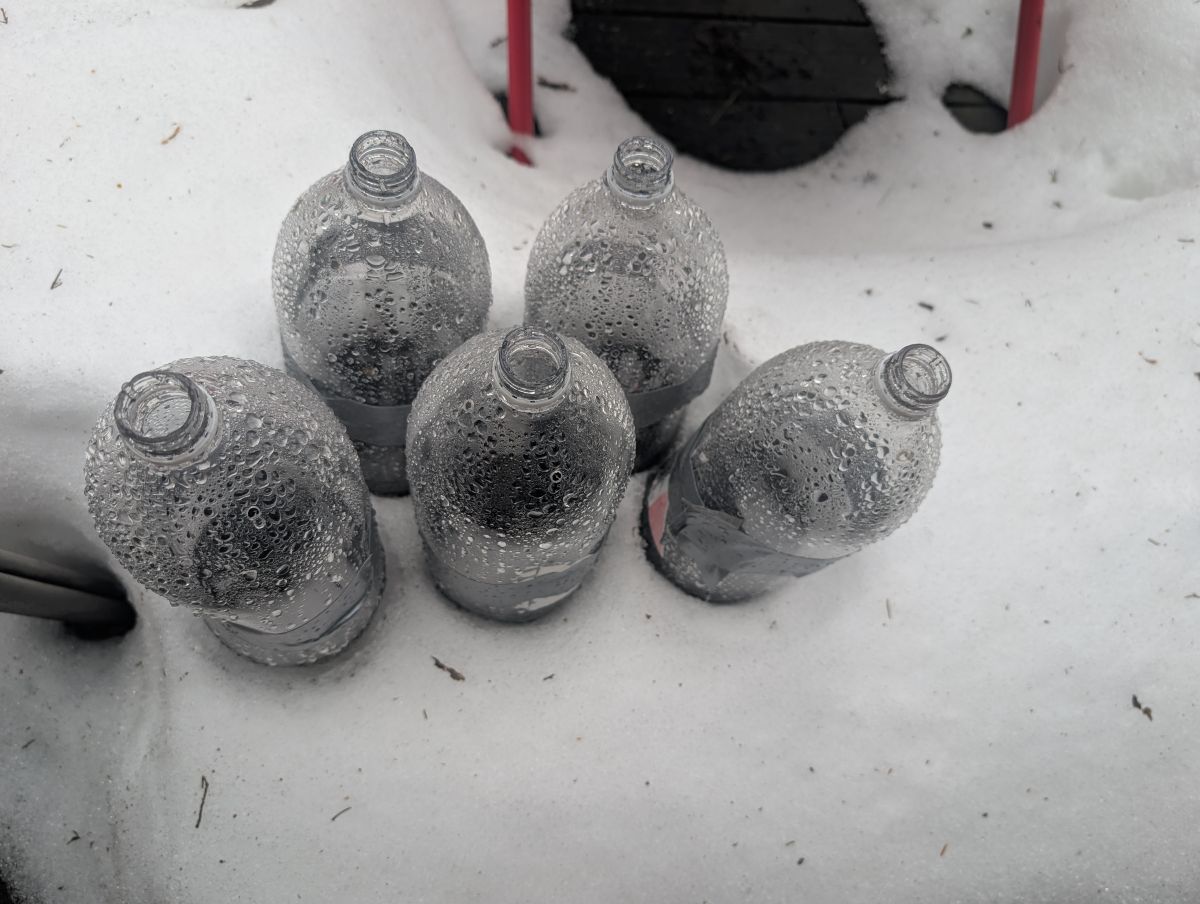
Winter-sown Sunflowers
until today, the winter-sown sunflowers were buried under snow
Although our winter-sown sunflower bottles endured a covering of snow from the February storms, the resilient seedlings now appear to be progressing well, suggesting they will indeed give our flower garden a significant and welcome head start this season.
Seed Starting for Flower Gardens
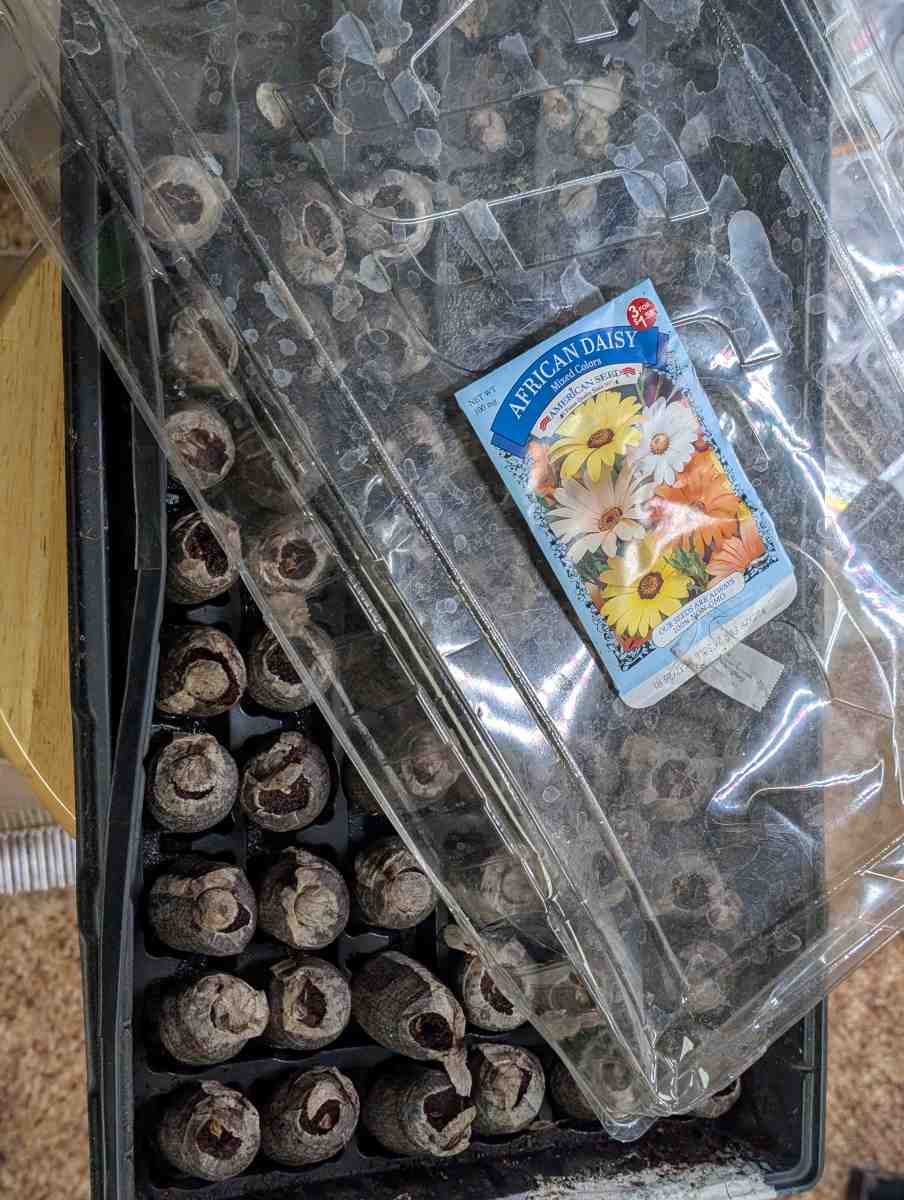
African Daisy starter tray
I recently prepared a tray using peat pellets and sowed African Daisies seeds. This is my first attempt at cultivating these vibrant flowers, and I am optimistic about the prospect of establishing a small, yet impressive, field of them outdoors in the near future.
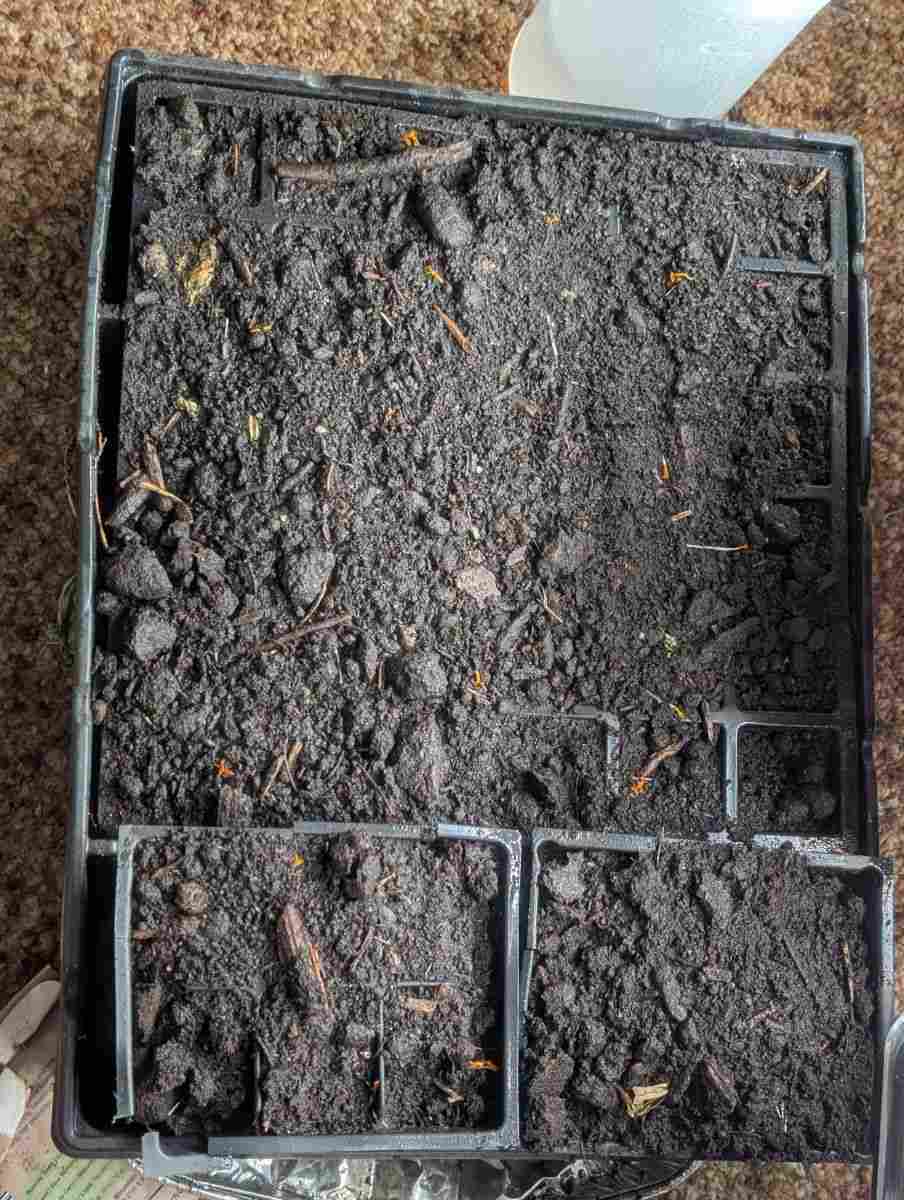
To prepare for the upcoming growing season, I started by reusing the plastic seed trays from last year’s garden. These were thoroughly cleaned and then filled with a fresh, nutrient-rich potting mix to provide the seedlings with an optimal starting environment. As part of my sustainable gardening practices, I also took great care to harvest and preserve the seeds from the marigold flowers that bloomed in my garden last fall. Now, I am excited to use these naturally collected marigold seeds to add color, fragrance, and pest-repelling benefits to this year’s garden plans.
March Lawn Care
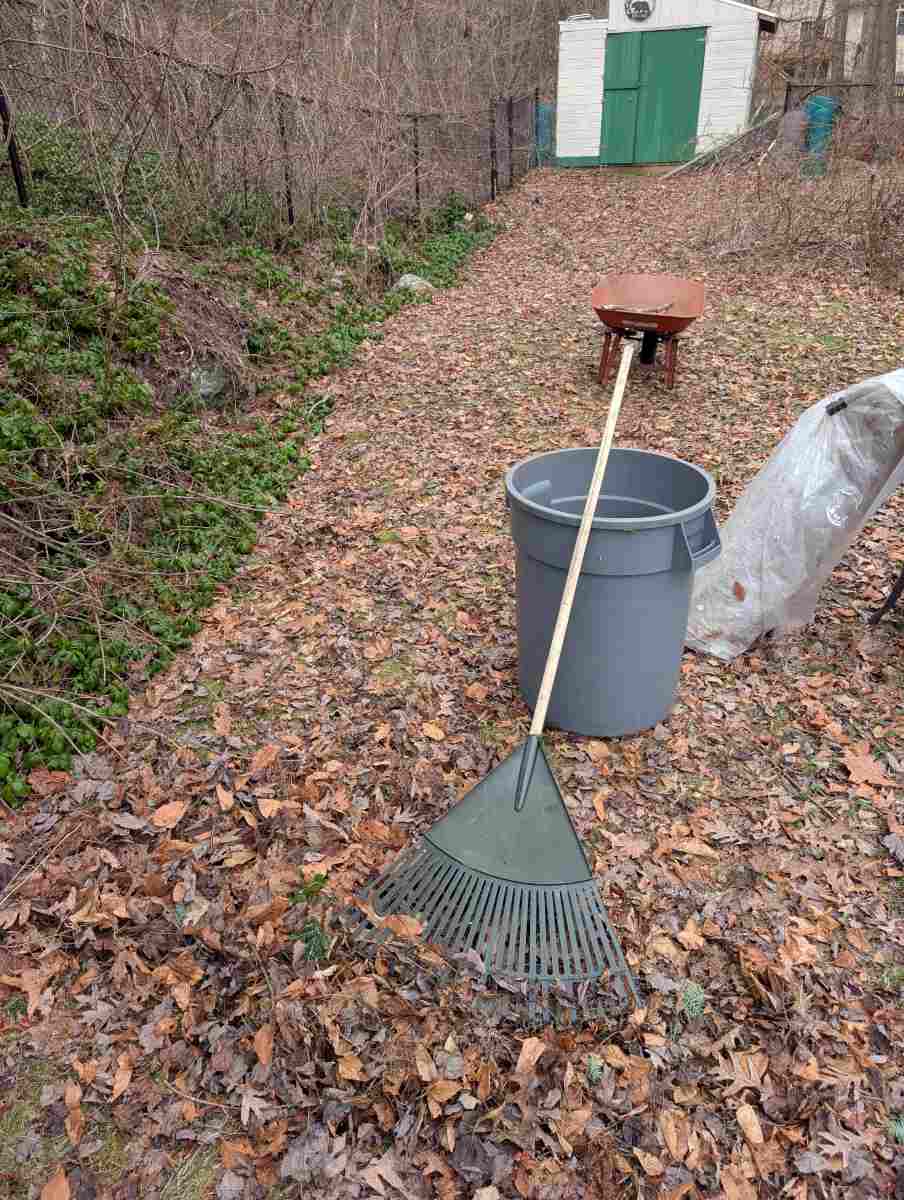
Leaf rake, wheel barrow and industrial trash can are the tools of the day.
With the snow finally gone, I am thrilled to finally kick off the gardening season and get an early start on tending to my lawn. The initial task at hand is leaf and thatch removal through raking. Last autumn, I intentionally left some yard debris in place, hoping to encourage the presence of beneficial insects like butterflies, lightning bugs, and other pollinators to enhance the health and vibrancy of my garden ecosystem. However, as I embark on this spring cleanup, a nagging concern has emerged: I am now wondering if my well-intentioned approach might inadvertently be providing a breeding ground for less welcome visitors, such as mosquitoes and ticks. Regardless, I am diligently getting to work, thoroughly raking the accumulated leaves and thatch to prepare my lawn for the growing season ahead.
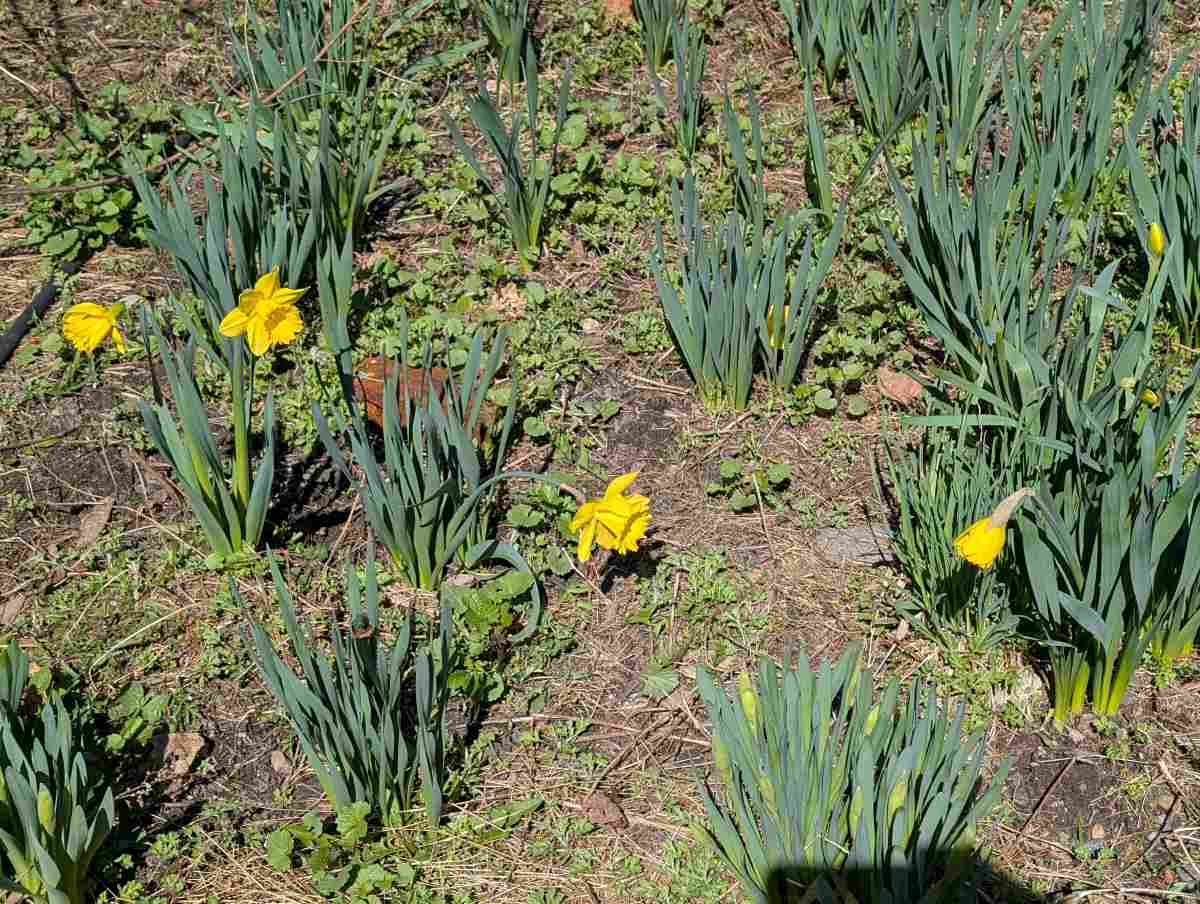
Daffodils (almost)
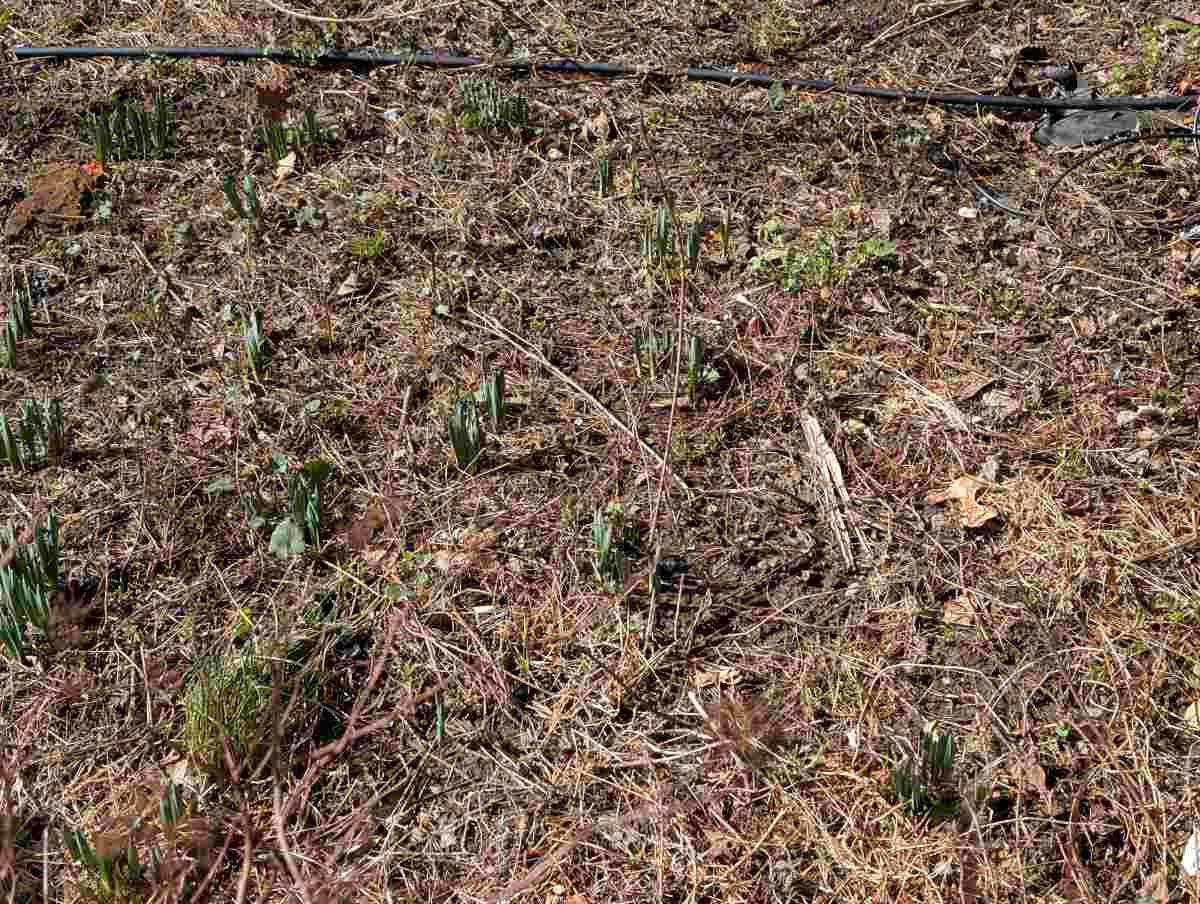
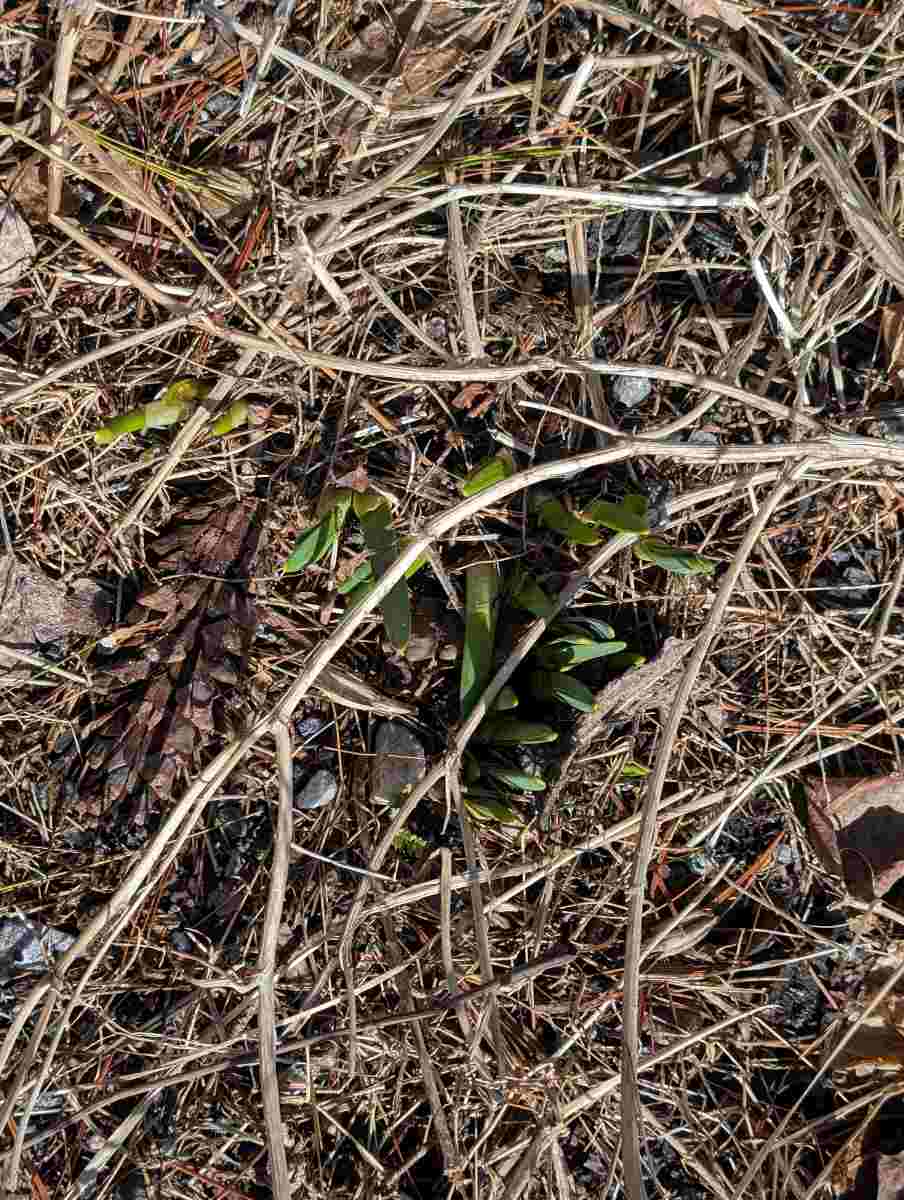
daffodils peeking up from Bunny Island!
March 17, 2026 – The green of yellow of daffodil bulbs is now peeking through the soil in our garden, signaling the arrival of spring and leading the colorful parade of blooming flowers! Seeing these cheerful blossoms emerge is such a welcome sight after enduring the long, snowy winter months we’ve recently experienced.
With the arrival of March, the anticipation for Spring is palpable throughout Northern New Jersey. Following a significant February snowstorm that left a blanket of white across the region, we are currently experiencing a welcome respite from the harsh winter conditions. The weather has softened considerably, with temperatures gradually climbing towards the comfortable 50°F mark, offering a promising glimpse of the season ahead.
March 19, 2025
With warmer temperatures and the snow cover has melted, we’ve found ourselves increasingly drawn to the comfort and enjoyment of our patio area. While basking in these brief moments of spring-like warmth, we’ve also initiated our annual spring cleanup, eager to revitalize our outdoor spaces. Nevertheless we were too optimistic, March being March, the weather has abruptly shifted back to its characteristic seasonal patterns, with temperatures dipping into the twenties and thirties, reminding us of winter’s lingering grip.
Spring Cleanup!
Birdfeeder
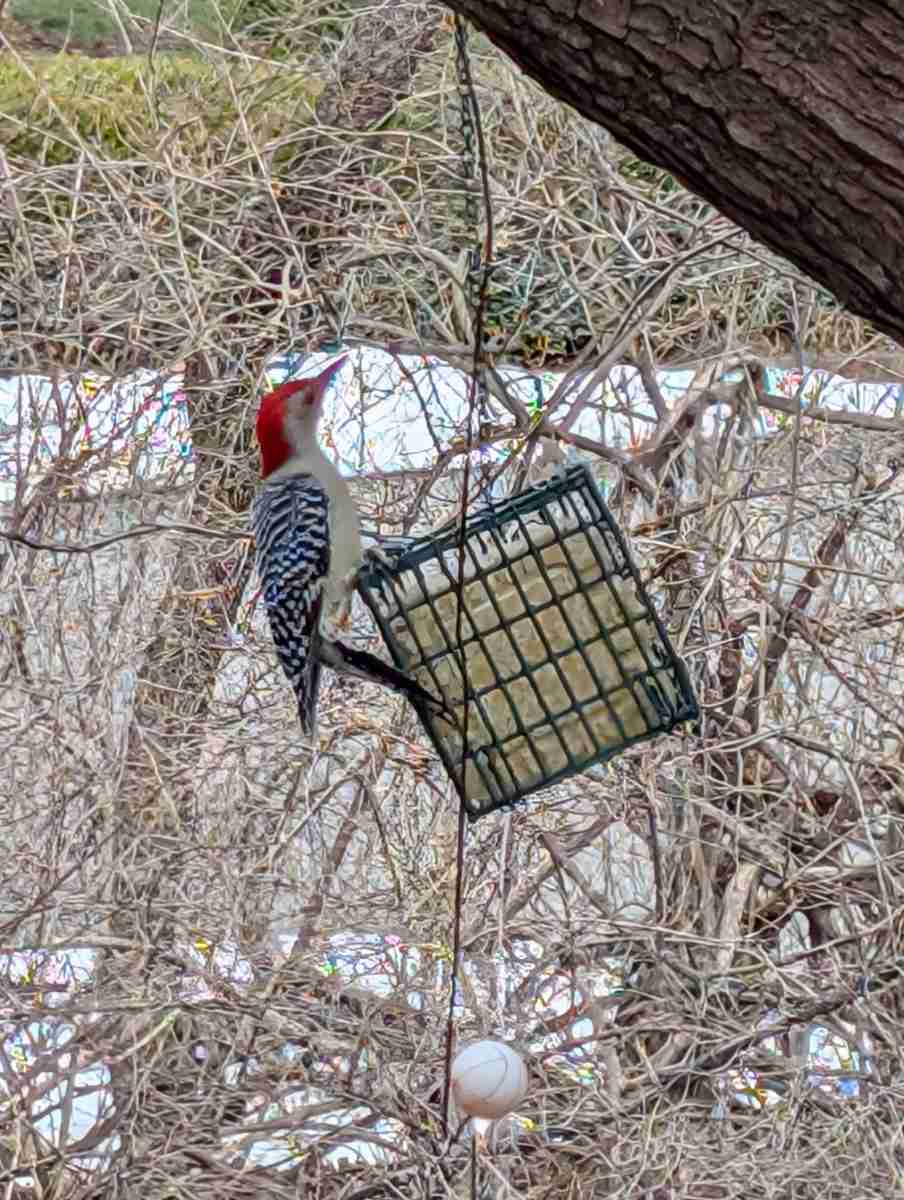
With the recent rise in temperatures, fluctuating between the comfortable fifties and even into the sixties, the presence of emerging bears in the area has become a concern. Recognizing this potential challenge, I have been proceeding with a degree of caution regarding the feeding options available to our feathered friends. Specifically, I’ve been concentrating my efforts on maintaining the tube feeder, ensuring it remains adequately stocked with seed. The suet feeder, unfortunately, has been temporarily sidelined, as it has become an increasingly attractive, and thus vulnerable, target for the bears. However, as the temperature experienced a noticeable dip recently, an interesting shift in bird behavior was observed. I noticed my usual visitors, the vibrant red-bellied woodpeckers and the nuthatches, displaying a clear and persistent interest in finding suet. Recognizing their needs and the changing conditions, I made the decision to refill the suet feeder, hoping to provide a suitable and safe food source during these transitional times.
Red-bellied Woodpecker (Melanerpes carolinus).
March 9, 2026
With the official arrival of Daylight Savings Time, we’ve been treated to unexpectedly warm temperatures, even reaching into the 60s here in Northern New Jersey. The melting snow has been a welcome sight, gradually revealing our dormant lawns and long-hidden garden paths, which have been out of view for far too many months. This seasonal shift also presents the perfect opportunity to open windows and circulate fresh, revitalized air throughout our homes, ushering in a sense of renewal and optimism as we anticipate the coming of spring.