July 2026 has officially arrived, and with it, a relentless and stifling heat dome has settled over Northern New Jersey,
– rt23 staff
This heatwave has been pushing our local temperatures toward triple digits and leaving the landscape parched. To ensure that our garden beds not only survive but continue to thrive amidst this intense, prolonged heatwave, we have transitioned to a very strict daily watering schedule. We are now focusing all of our irrigation efforts during the cooler early morning and late evening hours, a vital strategy to minimize evaporation and keep both our vibrant summer flowers and our vegetable crops deeply hydrated and resilient against the scorching sun.
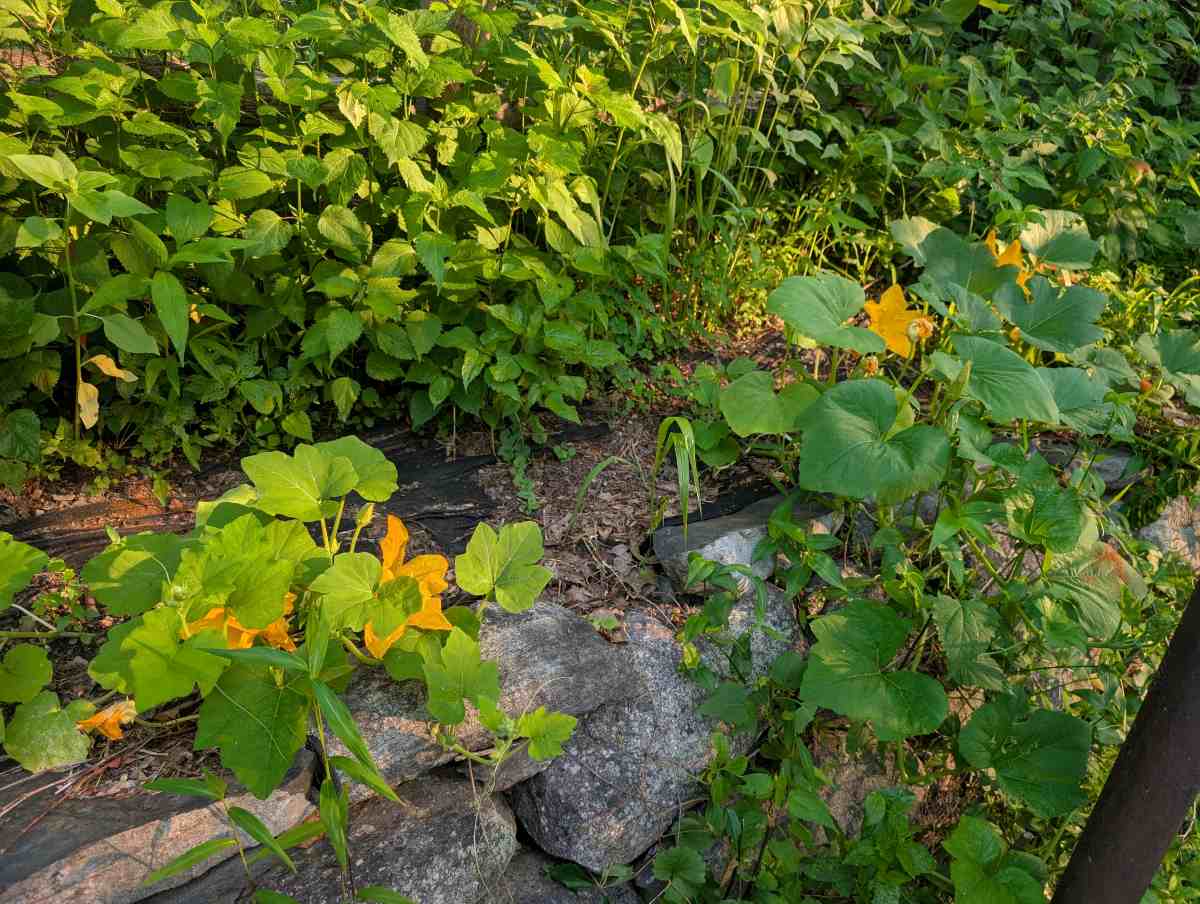
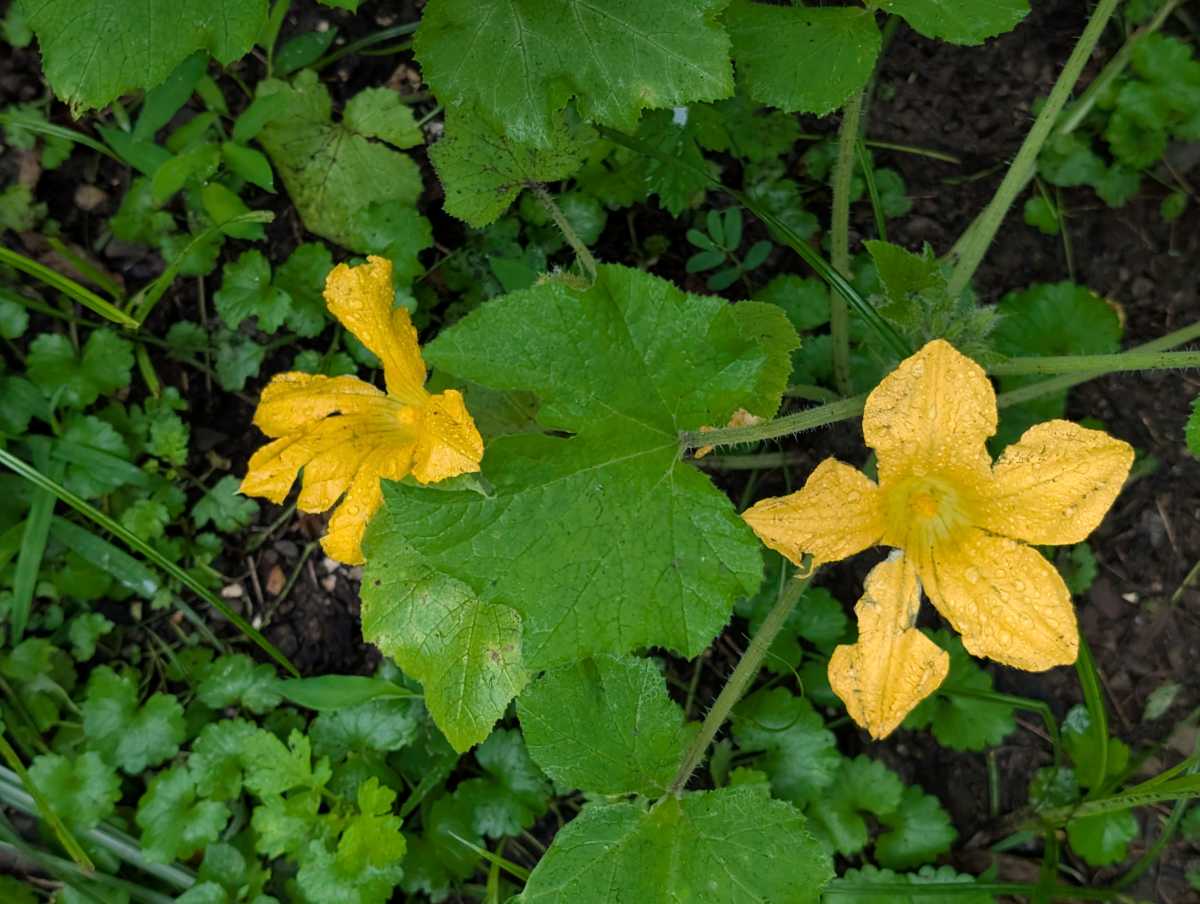
As we move through the heart of July, the pumpkin patch is truly beginning to thrive, showcasing a lush, sprawling expanse of greenery with numerous vibrant buds on the very verge of bursting into bloom. The transformation is equally impressive across the rest of the patch, where the squash plants are demonstrating remarkably promising signs of vigorous growth; their own distinctive flower buds are now appearing in abundance throughout the garden, signaling a highly productive season ahead and hinting at an upcoming, bountiful harvest.
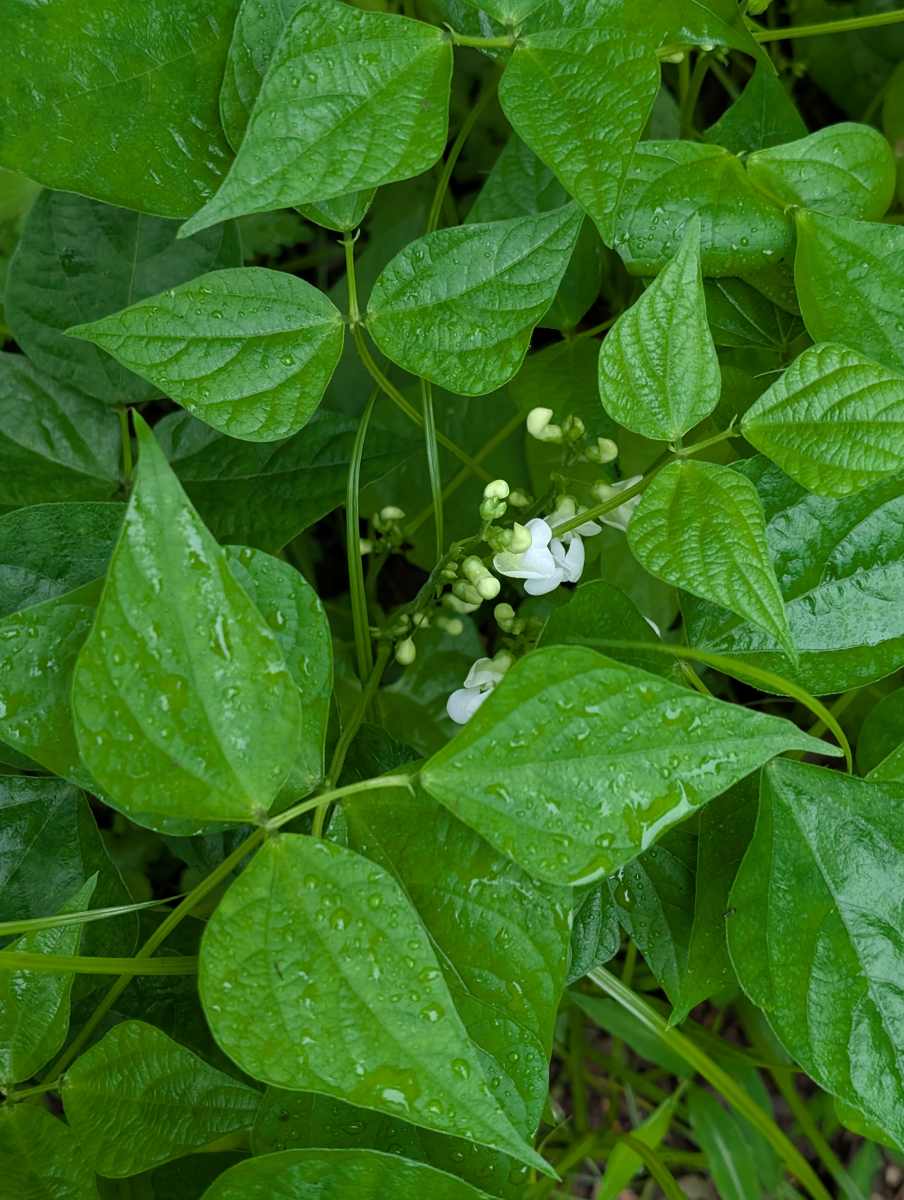
We have been actively engaged in an ongoing, rather persistent battle with various furry creatures who seem determined to treat our garden as their private buffet. After noticing that the leaves of our pumpkin, garden beans, and squash plants were being devoured overnight, we decided to take a more defensive stance by sprinkling the entire garden perimeter with cayenne pepper each night at dusk. While this spicy barrier provides some much-needed relief and helps limit the presence of these unwanted guests, they have unfortunately proven to be quite resilient and remarkably clever. Their persistence has truly tested our patience, as they continue to find ways around our deterrents, making them increasingly difficult to discourage despite our best efforts to protect this season’s harvest.
With the recent, unrelenting stretch of hot and humid weather here in Northern New Jersey, we have been prioritizing the health of our landscape by keeping the garden well-hydrated. To prevent heat stress and ensure our plants continue to thrive despite the scorching temperatures, we have been using an oscillating sprinkler during the cooler, early morning or late evening hours. This consistent watering schedule allows the moisture to penetrate deep into the soil before the sun hits its peak, helping our flowers stay vibrant and refreshed throughout the entire month of July.
Tomatoes!
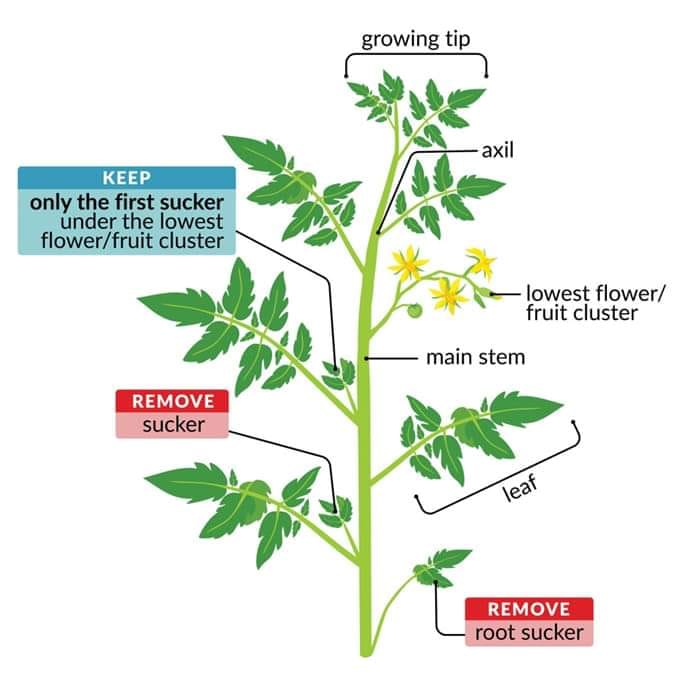
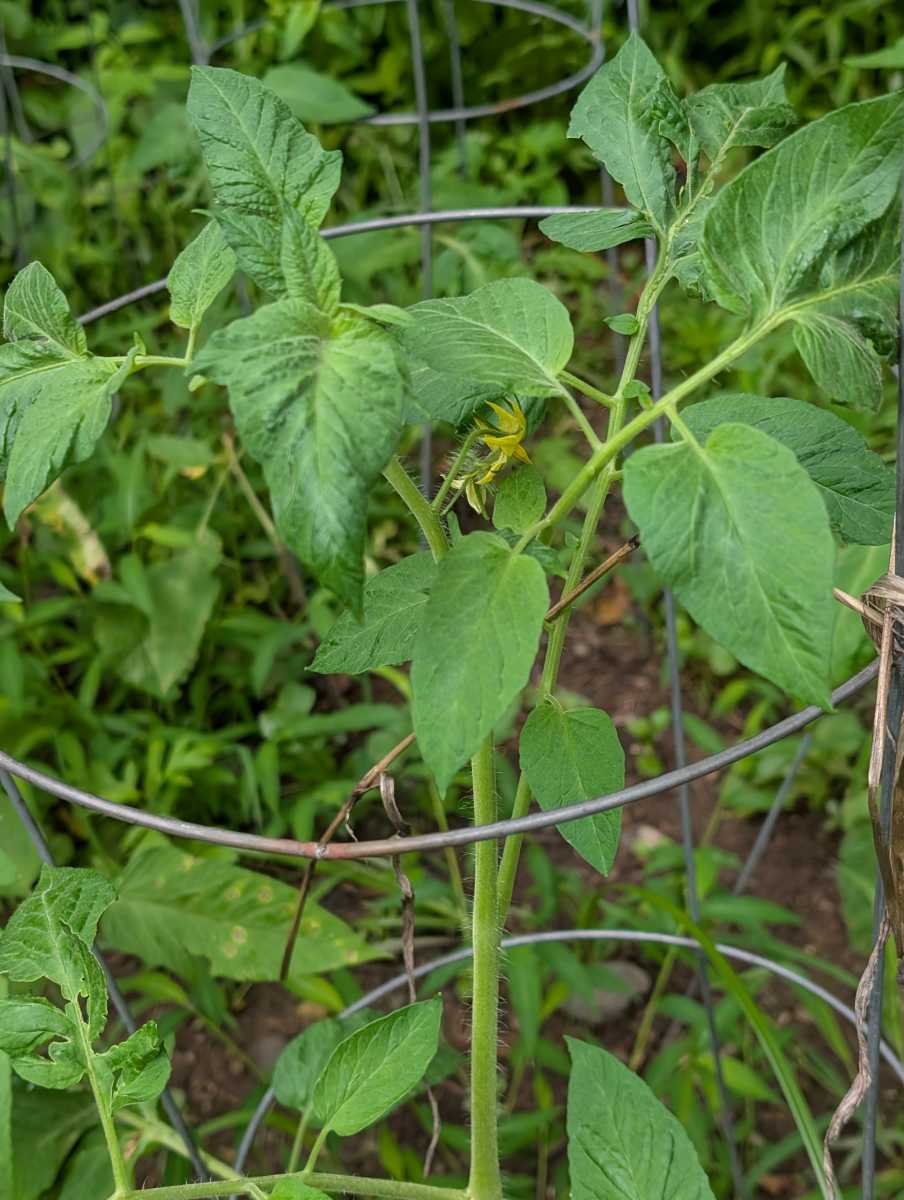
As we move through the heat of mid-July, our cherry and beefsteak tomato plants have reached a stage of lush growth and are currently in full bloom. Given this surge of foliage, it has become the perfect time to prune the “suckers”—those secondary stems that sprout between the main stalk and the branches—to ensure the plant focuses its energy on fruit production rather than unnecessary vegetative growth, exactly as demonstrated in the accompanying illustration. We recently encountered a bit of a setback with our indoor started tomato plants, which seemed to be lagging in both height and leaf color. To remedy this, we decided to apply a balanced feeding of blood and bone meal around the base of the stems, and we were thrilled to see a significant, rapid improvement in their health and vitality within just a few days. Encouraged by those successful results, we are now applying that same nutrient-rich treatment to our outdoor cherry tomatoes. We are optimistic that this organic boost will provide the essential minerals needed to encourage robust, healthy development throughout the remainder of the summer growing season.
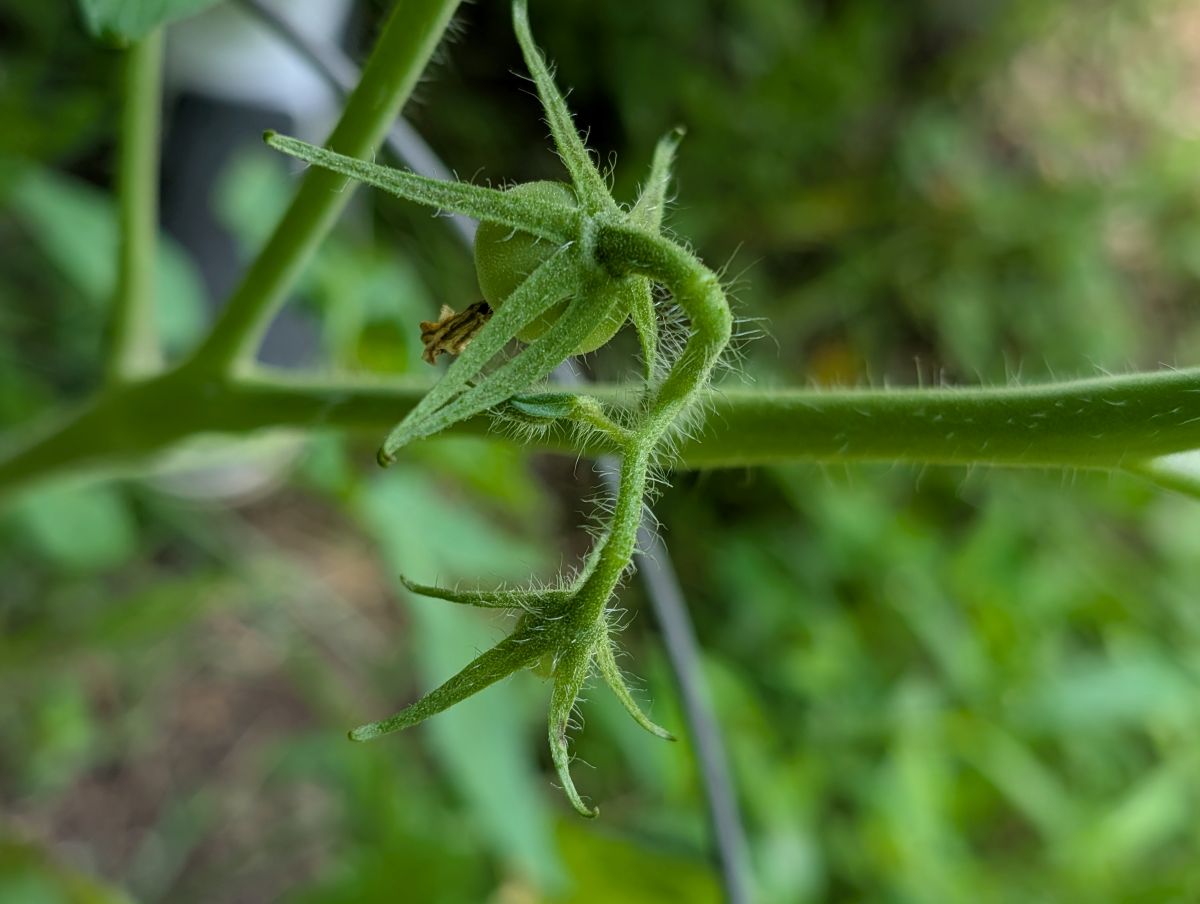
Our beefsteak tomatoes are finally showing signs of progress with small, promising fruit beginning to emerge! We meticulously started these seeds indoors back in the late winter, and I have to admit, there was a moment of suspense during those early weeks; when they first germinated, we weren’t entirely sure they were actually tomatoes because the initial seedlings looked remarkably similar to pepper plants. It kept us guessing for quite a while, but we are thrilled and relieved to officially confirm that they are indeed healthy, thriving tomato plants that seem perfectly suited to our Northern New Jersey soil. We can’t wait to see these green gems continue to ripen throughout the rest of this warm July.
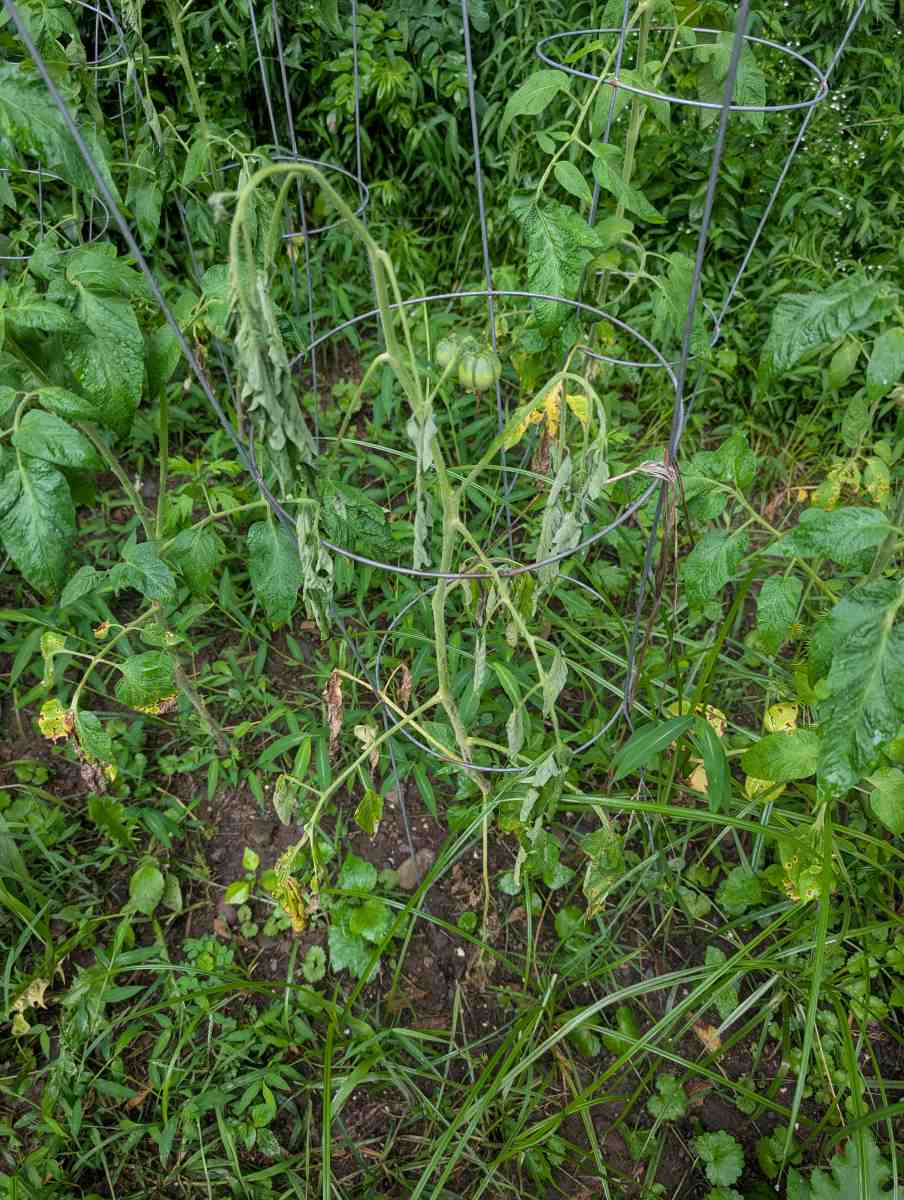
In this month’s garden journal update, I must share some disheartening news regarding the “Maggie’s Farm” garden plot, which has been facing some challenges lately. While I was encouraged by the sight of our beefsteak tomato plants finally beginning to set fruit, the plants have taken a sudden and devastating turn, wilting rapidly over the past few days. I have spent quite a bit of time researching potential causes, ranging from the recent stretches of extreme, unrelenting summer temperatures to the possibility of a localized bacterial infection within the soil. However, after careful observation, I strongly suspect that the root system of the nearby black walnut tree is the true culprit behind this decline, as the phenomenon of juglone toxicity is likely encroaching upon our vegetable patch and stifling the health of these otherwise promising vines. I made a tough choice and uprooted the affected plants in an effort to save the healthy tomato plants.
On a brighter note, my cherry tomatoes are thriving and producing fruit
Harvest Begins!
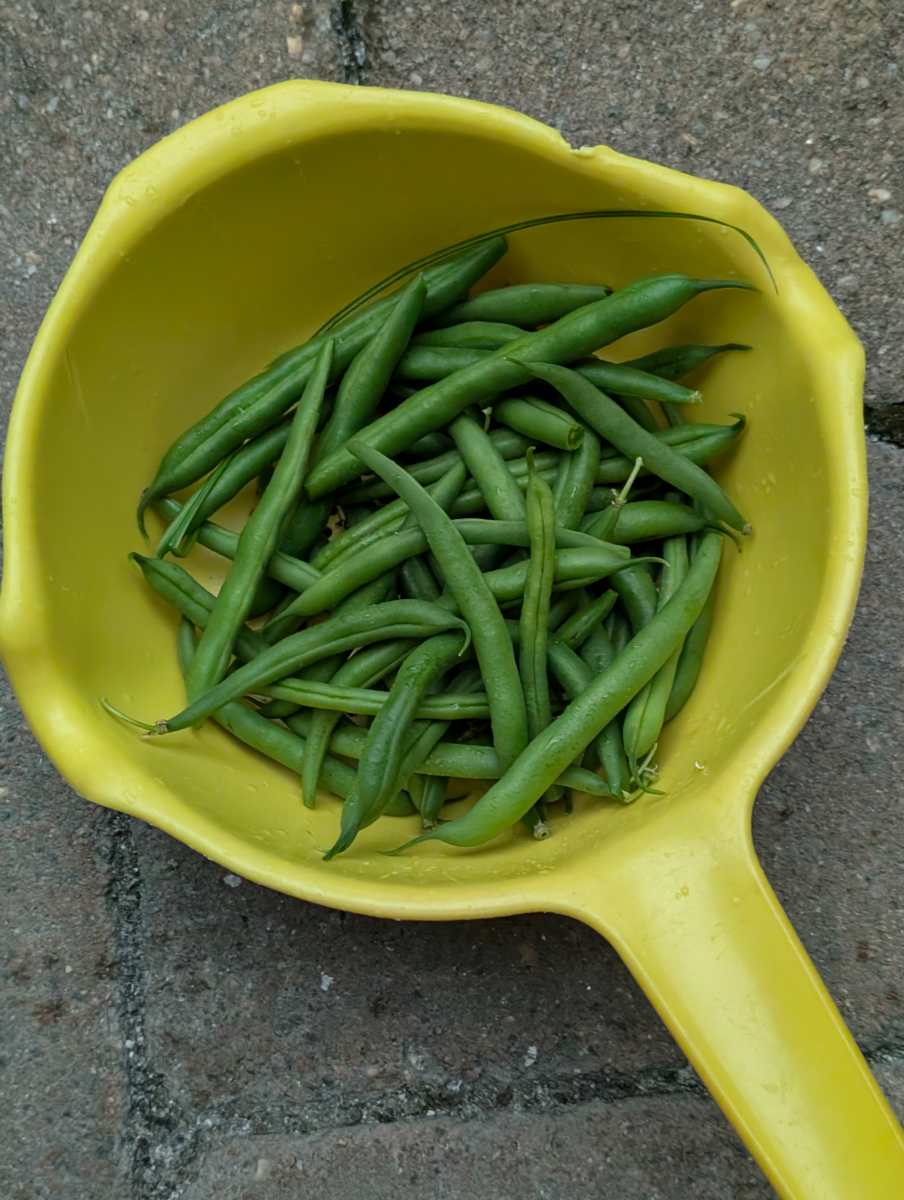
The harvest in our garden has started this season, in particular our green beans, which have served as a consistent and reliable source of fresh side dishes for our dinner table over the past few weeks. To ensure the highest quality for our meals, we make an effort to pick them daily, carefully monitoring their size so that we harvest them just before they begin to swell or become bumpy with mature seeds. We have found that pulling them at this stage is essential, as they are significantly more tender, vibrant in color, and flavorful than if they were left on the vine even a few days longer.
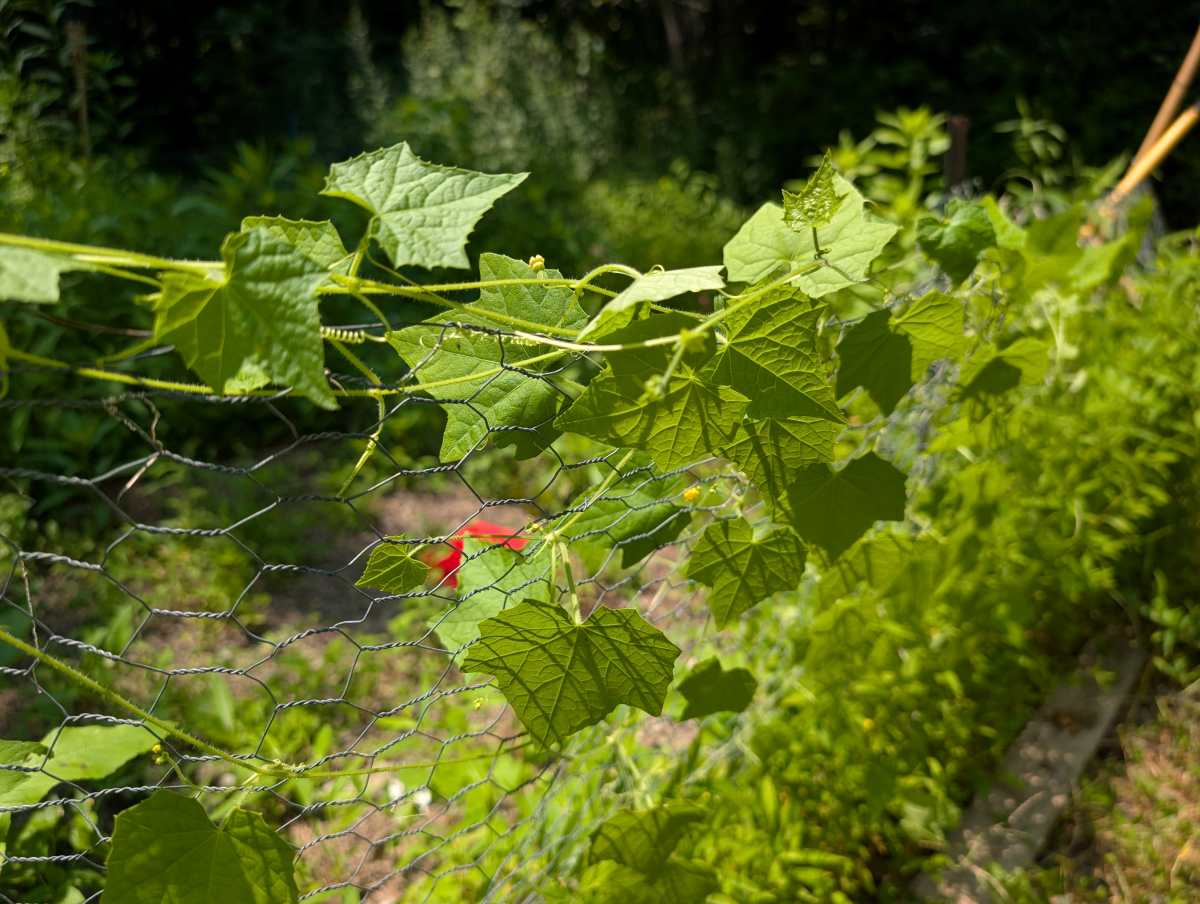
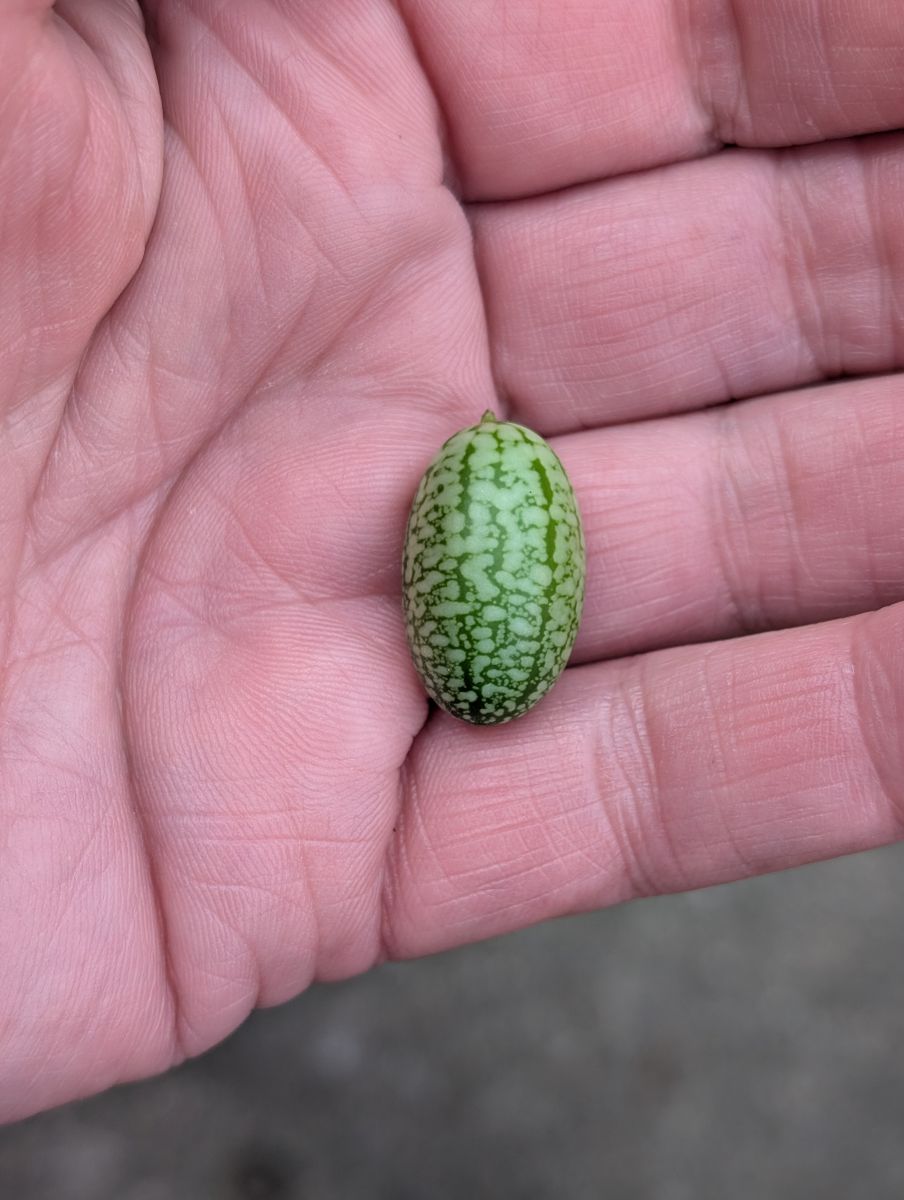
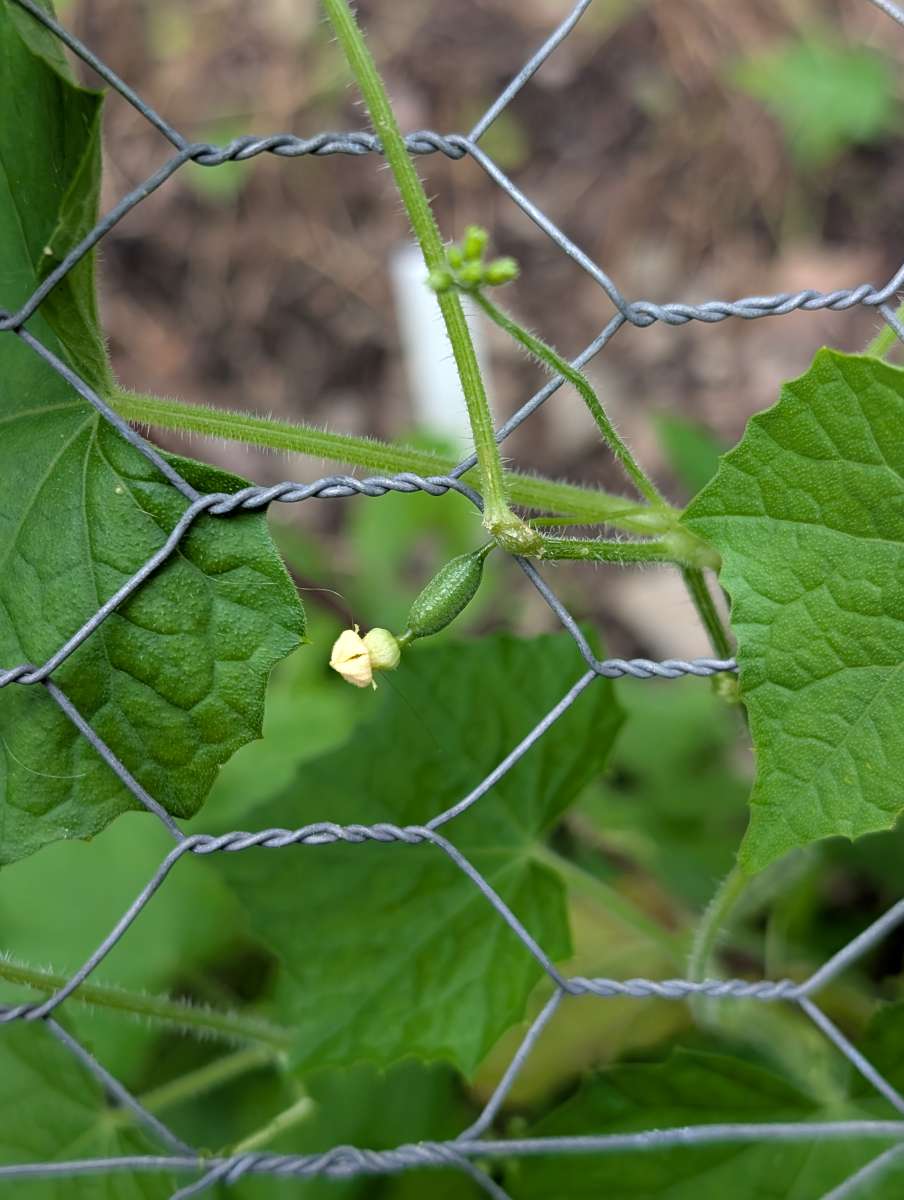
The Cucamelons—aka Mexican Sour Gherkins—are finally hitting their stride, and I am thrilled to report that they are officially ready for their first harvest of the season. These crunchy little gems are truly the highlight of the garden this July; they are the perfect “pick and eat” snack, ideal for enjoying straight from the vine. Their unique, cucumber-like flavor with a hint of citrus tang makes them an absolute favorite, and it is such a reward to pluck them right off the fence during my daily garden tours.