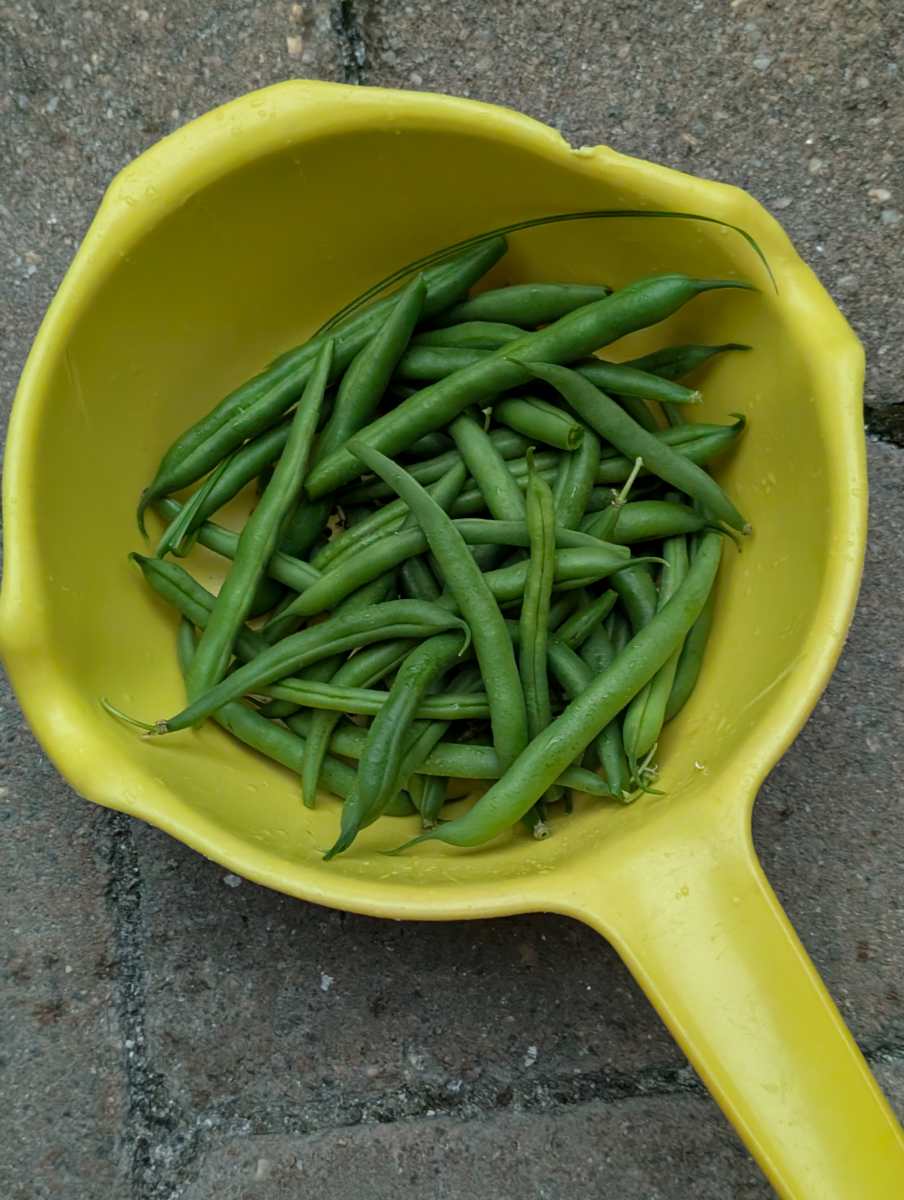
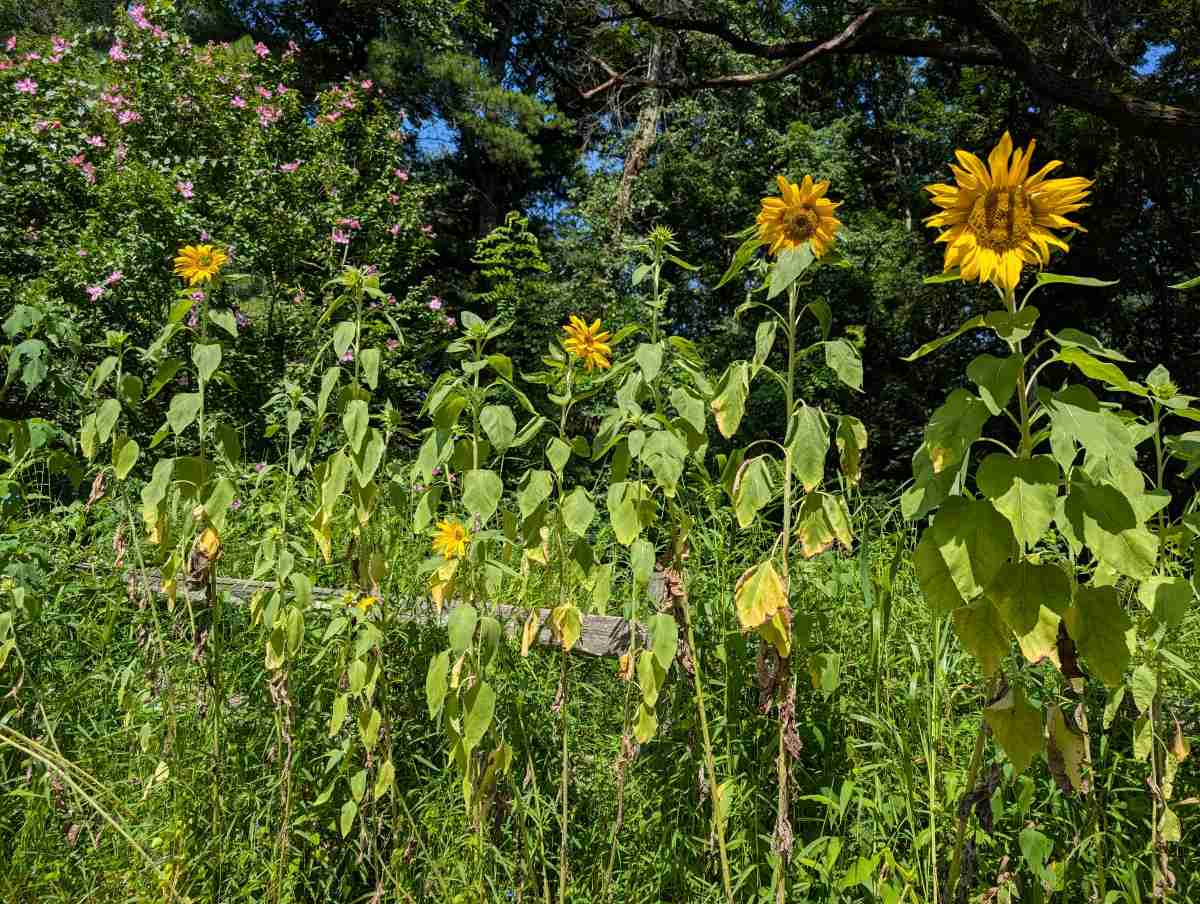
As we reach the final days of August and look back on the season, it has become clear that this year’s garden has yielded some truly disappointing results. While we have managed to harvest a steady supply of green beans and a few handfuls of cucamelons, the overall productivity of the garden beds has been the lowest in recent memory. Between unpredictable weather patterns, shifting soil conditions, and the challenges of local pests, the effort poured into the plot has felt disproportionate to the sparse harvest we have actually brought into the kitchen. It is a humbling reminder that even with careful planning and consistent care, nature often has its own agenda, leaving us to recalibrate our expectations for next season.
It is far too easy to blame the recent heat stress, soaring temperatures, and unpredictable rainfall for our current lackluster harvest, but in all honesty, our own neglect played a significant role in the garden’s decline this season. Our once-promising pumpkin and squash vines were quickly choked out by an aggressive weeds that we simply failed to stay on top of, and our tomato plants struggled immensely, suffering from severely depleted soil that clearly lacked the vital nutrients and organic matter necessary to support a healthy, abundant yield. Moving forward, we must be much more disciplined with our weeding schedule and implement a more rigorous composting and fertilizing routine if we hope to restore the garden’s vitality and ensure that next year’s crop has the fighting chance it deserves to thrive in the challenging North Jersey climate.
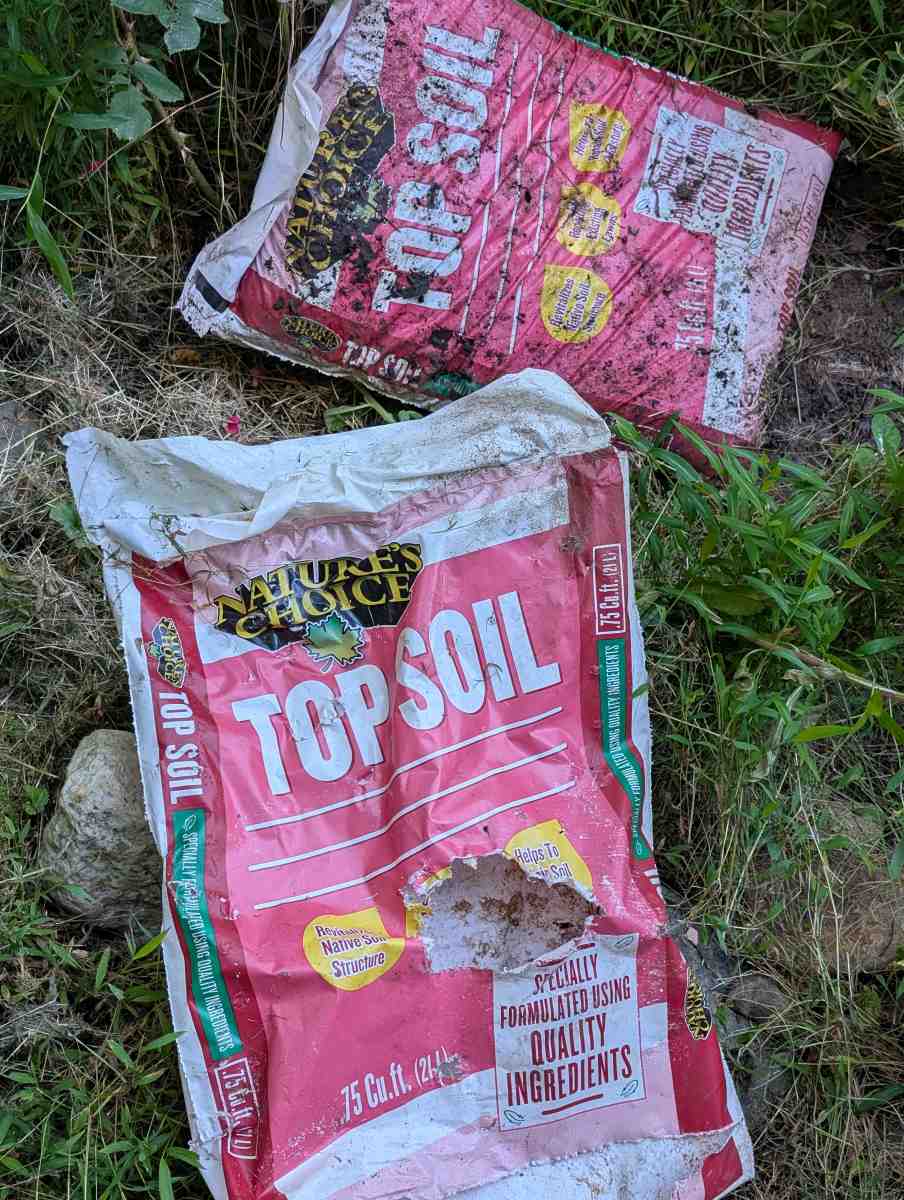
I am placing some of my garden woes directly on this cheap top soil from Walmart. I used it to refresh my garden beds. When I used this top soil in some garden pots to grow herbs, i noticed the poor quality of this product. The basil dill and cilantro neither germinated or grew very well. After watering, the soil would dry into an almost concrete solid.
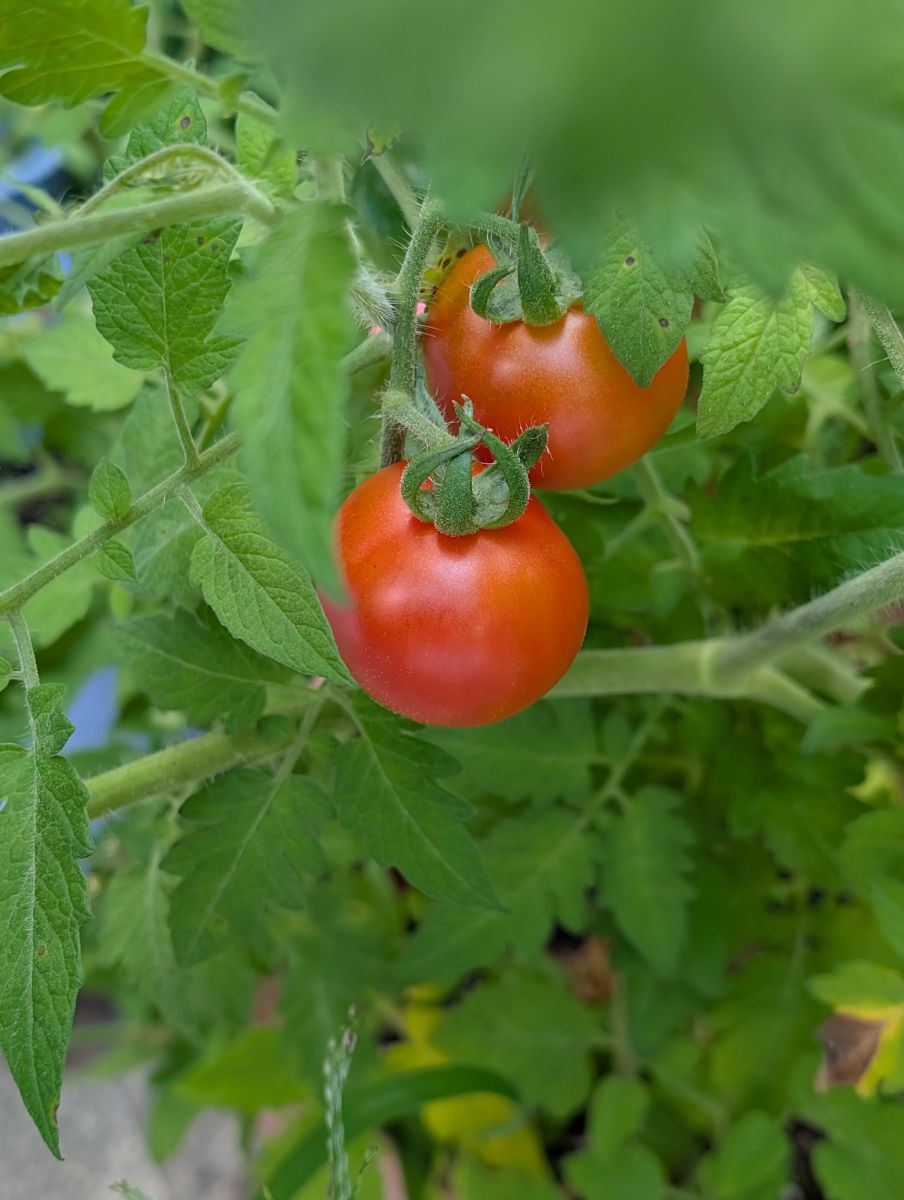
Our cherry tomatoes turned out to be the one bright spot in our garden. These plants were started indoors and transferred to large pots outside.
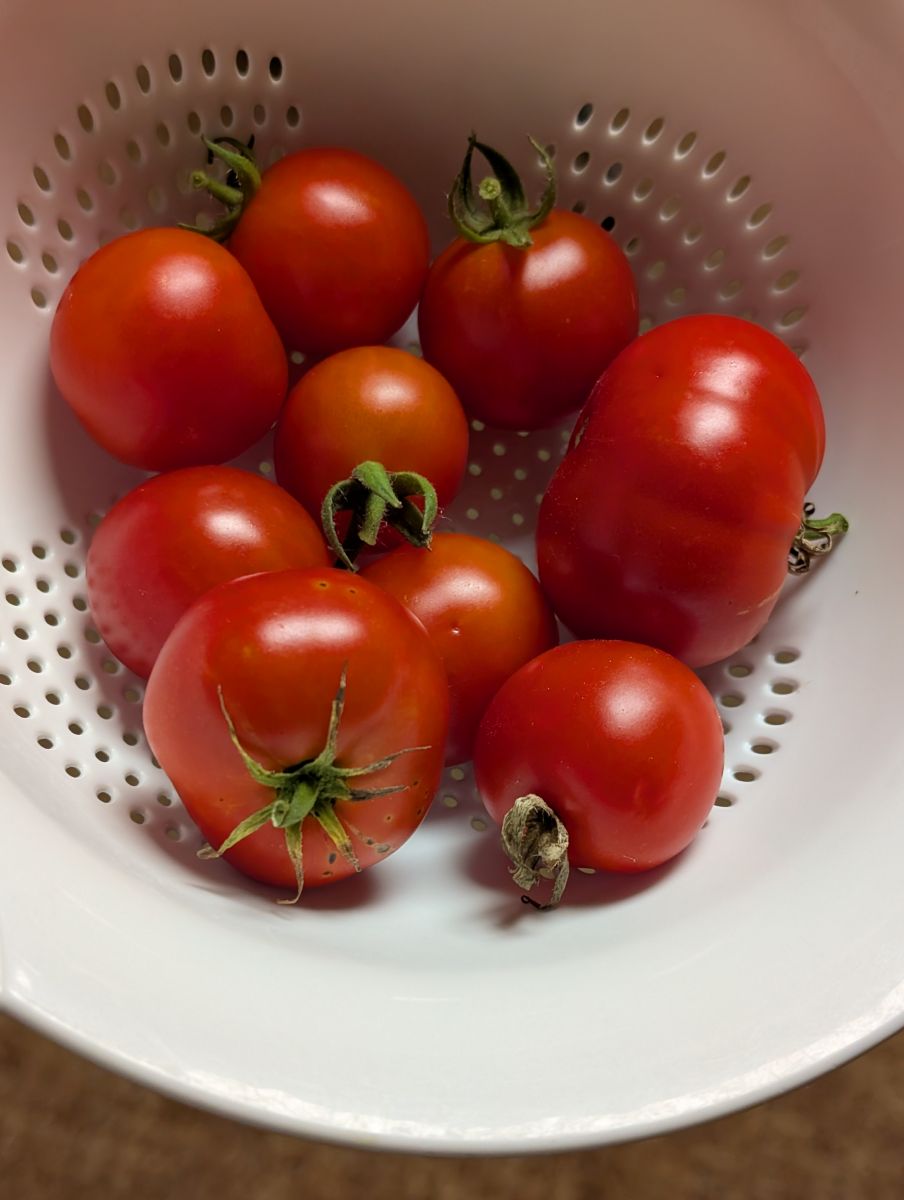
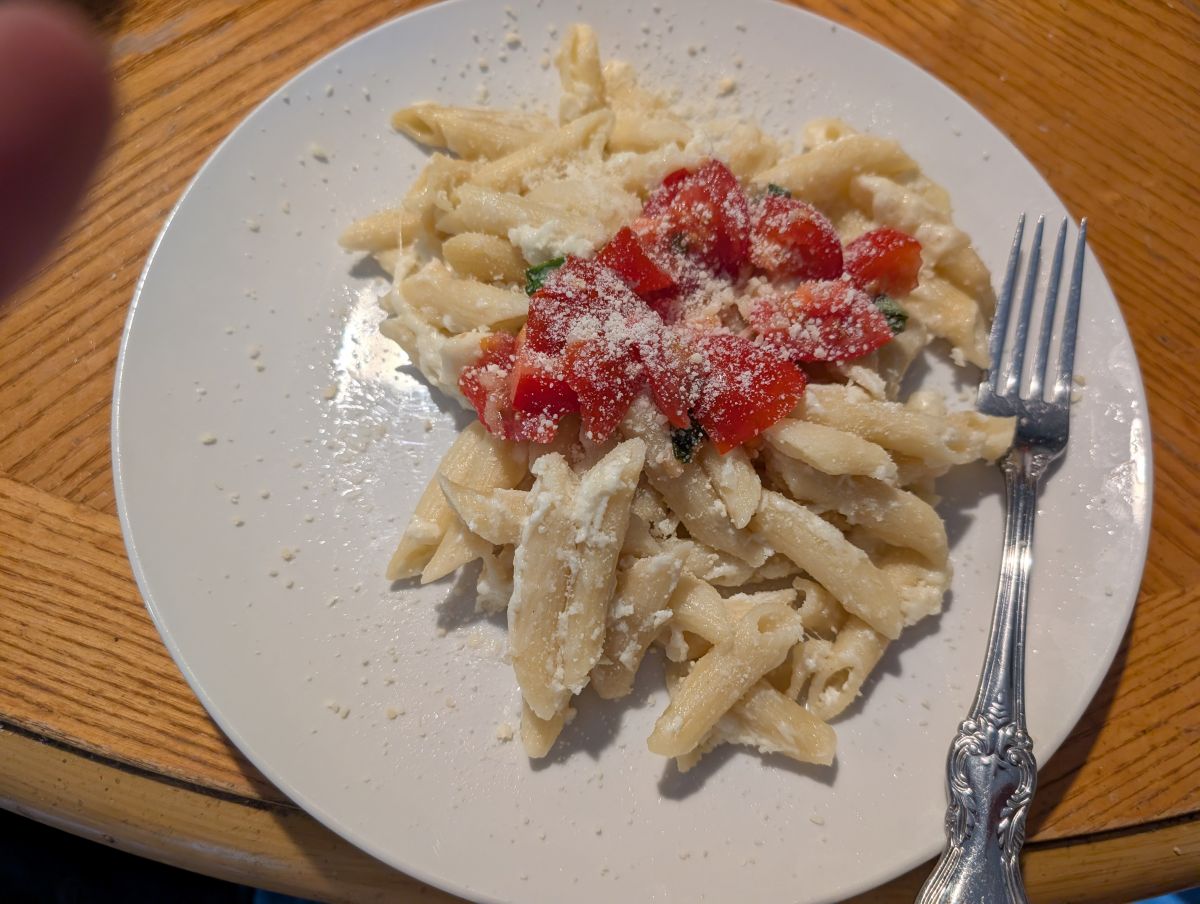
Our Famous Five Cheese Past with Marinated Fresh Tomatoes