Garden Issues and Concerns – July 21 Lots of Flowers, No Joy – Harvest July 26 – Simple Zucchini Recipe
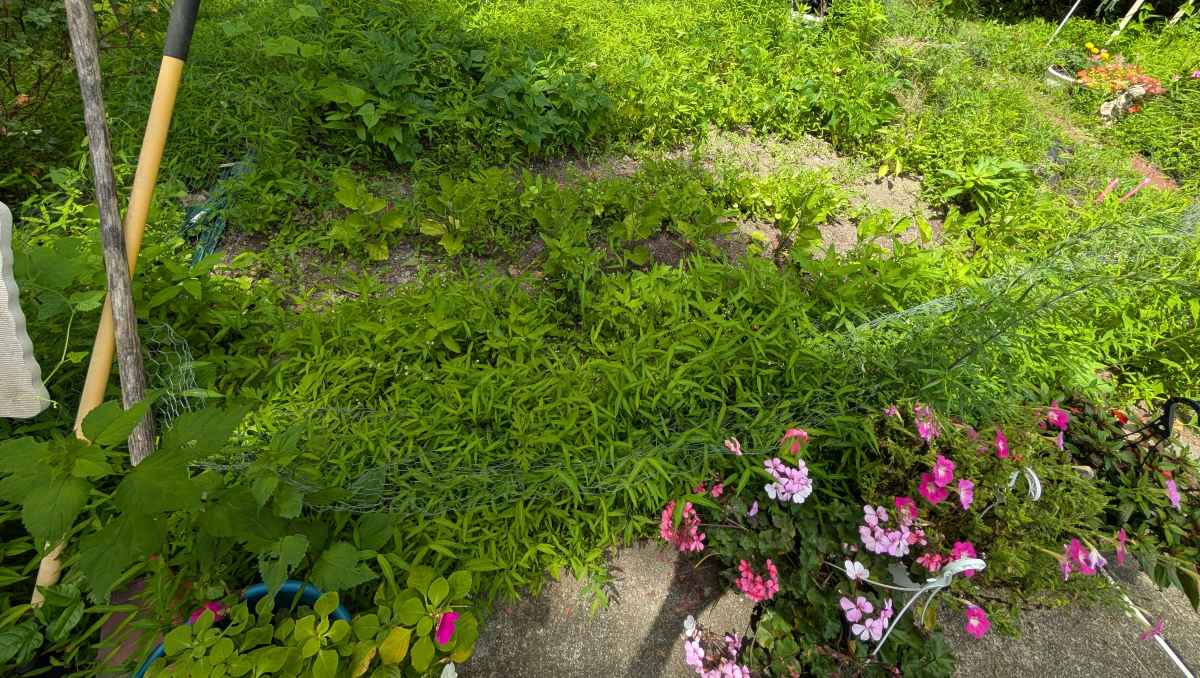
With the turn of July, summer is officially in full swing. The garden is thriving and I am beginning to reap the rewards of all of my hard work with the very first harvest. This includes checking on the progress of our tomatoes and cucumbers. To make sure that the yield is as large as possible, I am actively weeding and watering, but I am also carefully monitoring any changes in the garden. I will need to address any problems as quickly as possible to prevent any negative impact on the garden.
After a rainy June, July has changed to the more seasonal hot and humid weather we expect, and the kind that’s perfect for tomatoes and eggplant. Our new tasks include weeding and watering. But we were able to pick a few crops of simpson black seed lettuce and we harvested a few radishes.
“Water your garden in the morning or early evening. Hot sunny weather dries out the soil quickly”
rt23 staff
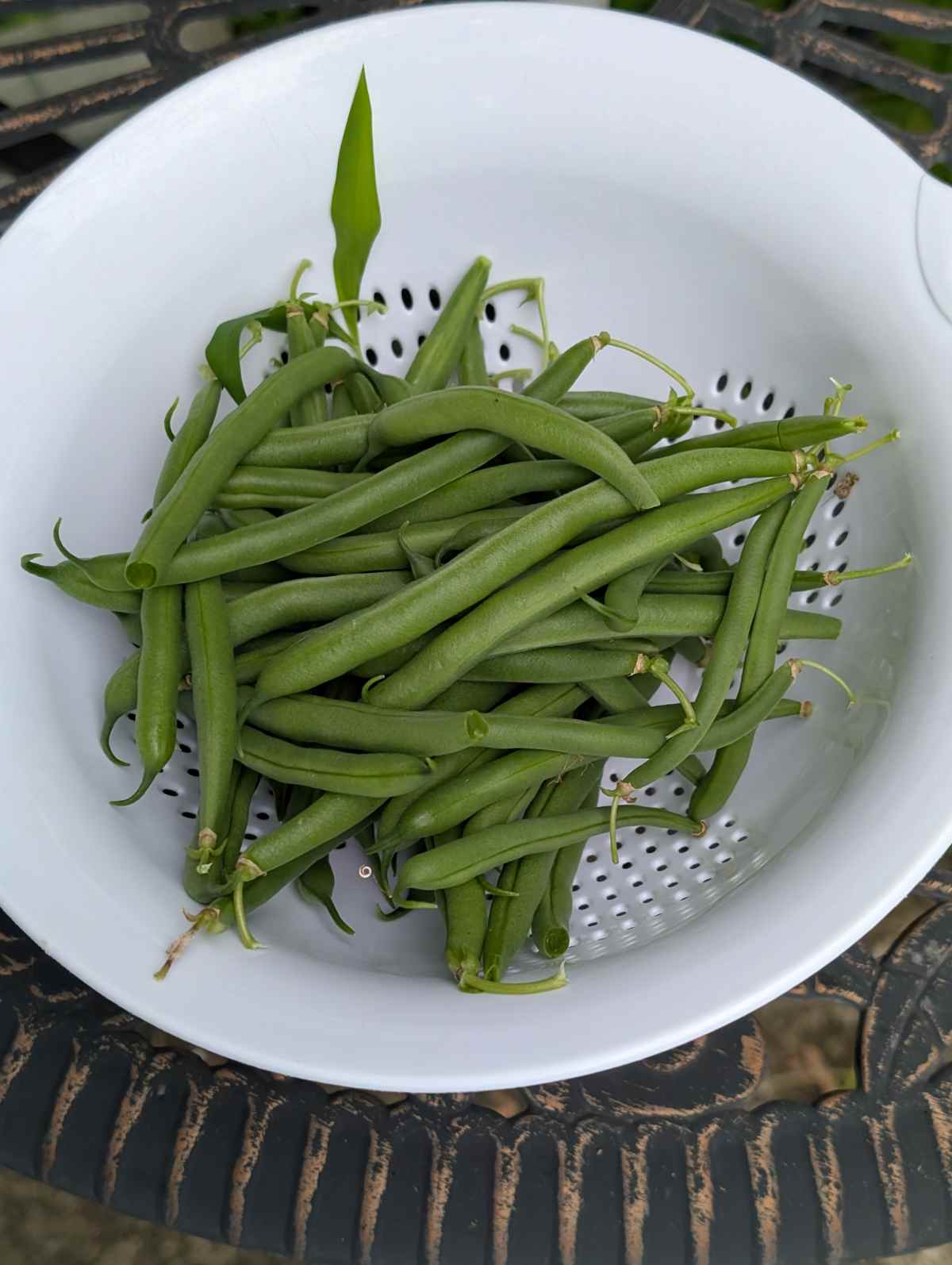
We planted the garden beans back in April. The plants are growing well and we have been harvesting them every couple of days. They seem to be producing very well, so it looks like we’re going to have a bounty of garden beans this year. We plan to have them as a side dish by grilling them, sautéing them, or steaming them. Also, some of our surplus garden beans will be blanched and frozen to use in soups and stews next winter. We will be picking the garden beans when they are tender before the seeds form in the pods. It will be great to have a surplus of garden beans to eat and freeze for the winter.
Our tomatoes and cucumbers are flowering as well asour summer squash, zucchini and pumpkins, so we expect produce soon..
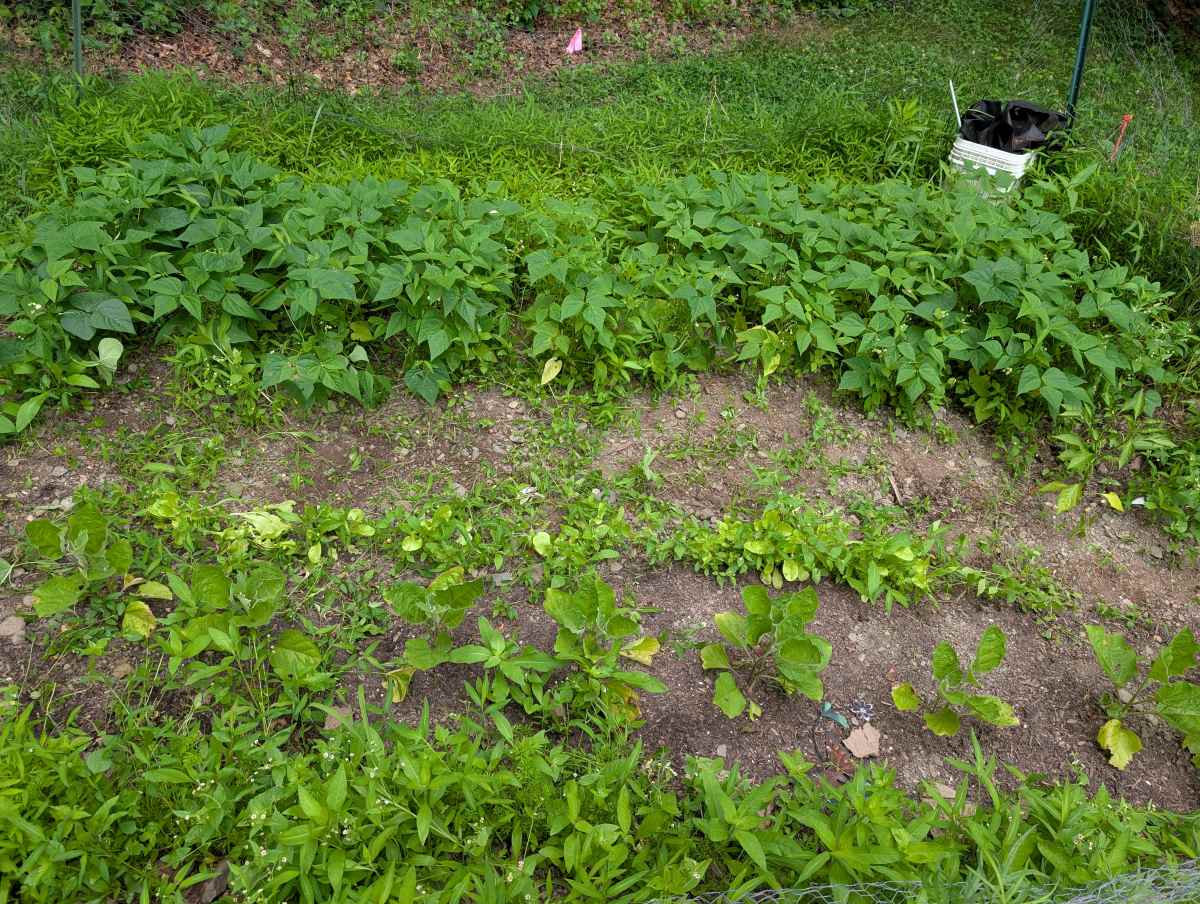
With the June rains, we’re mainly concerned with the amount of weeds that have sprouted up around our plants. So far, we have been removing the weeds from the areas around our plants. The ground cloth has limited the weeds growing in those areas. However, the area between our rows of vegetables doesn’t have the ground cloth. There we need to use a rake and hoe to clear the area of weeds. It is a lot of work. It doesn’t need to be perfect, but it does need to be effective.
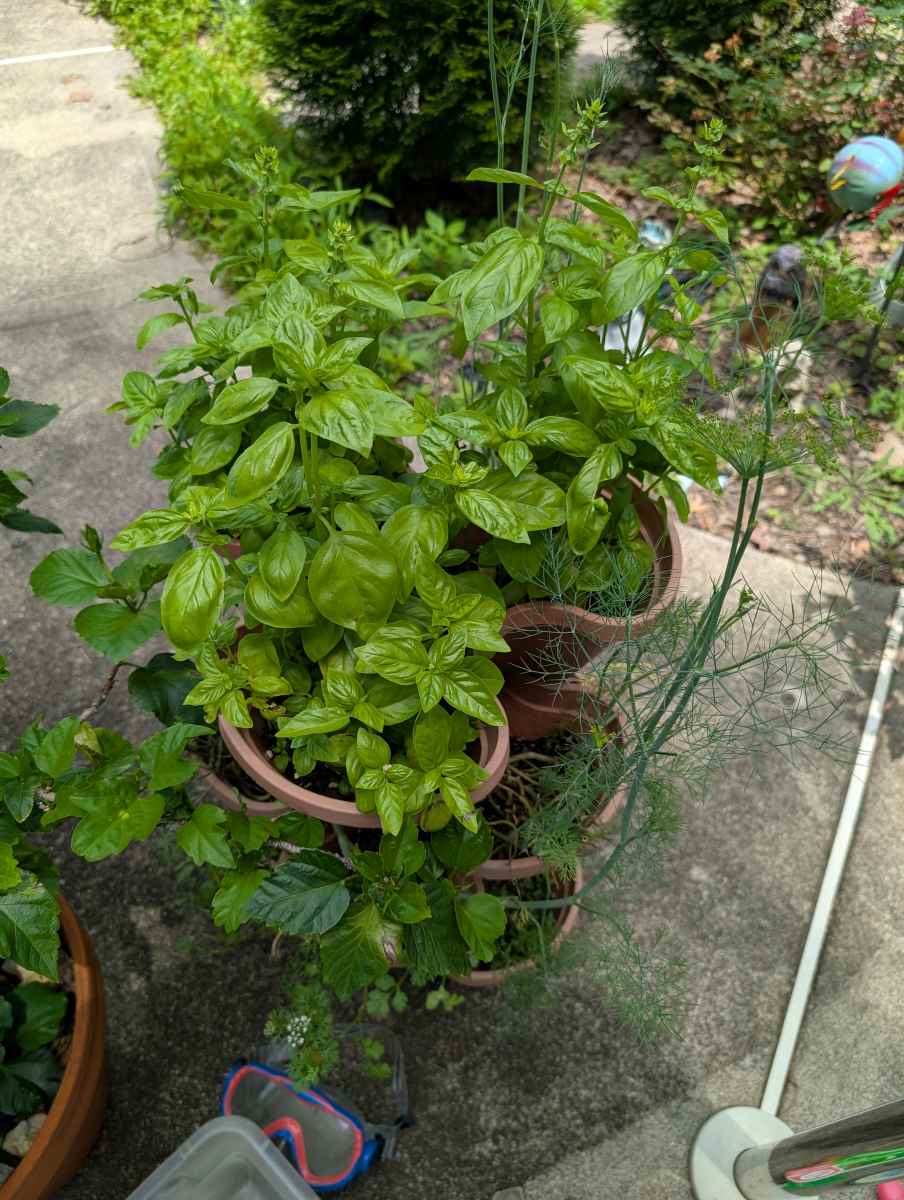
Our herb garden is producing a lot of basil, dill, and cilantro, making us pretty excited about all the cooking we can do. The fresh herbs have been a real treat to use in our kitchen, and we’ve been making some really delicious meals with them. We started stacked vertical containers indoors in March and transferred them outside in June. We’ve been using the fresh herbs, and we’ve also been freezing the surplus for future use, because who doesn’t love a good stockpile? We’ll be using the dill to make pickles with our cucumbers.
Tomato: Tomato Alley
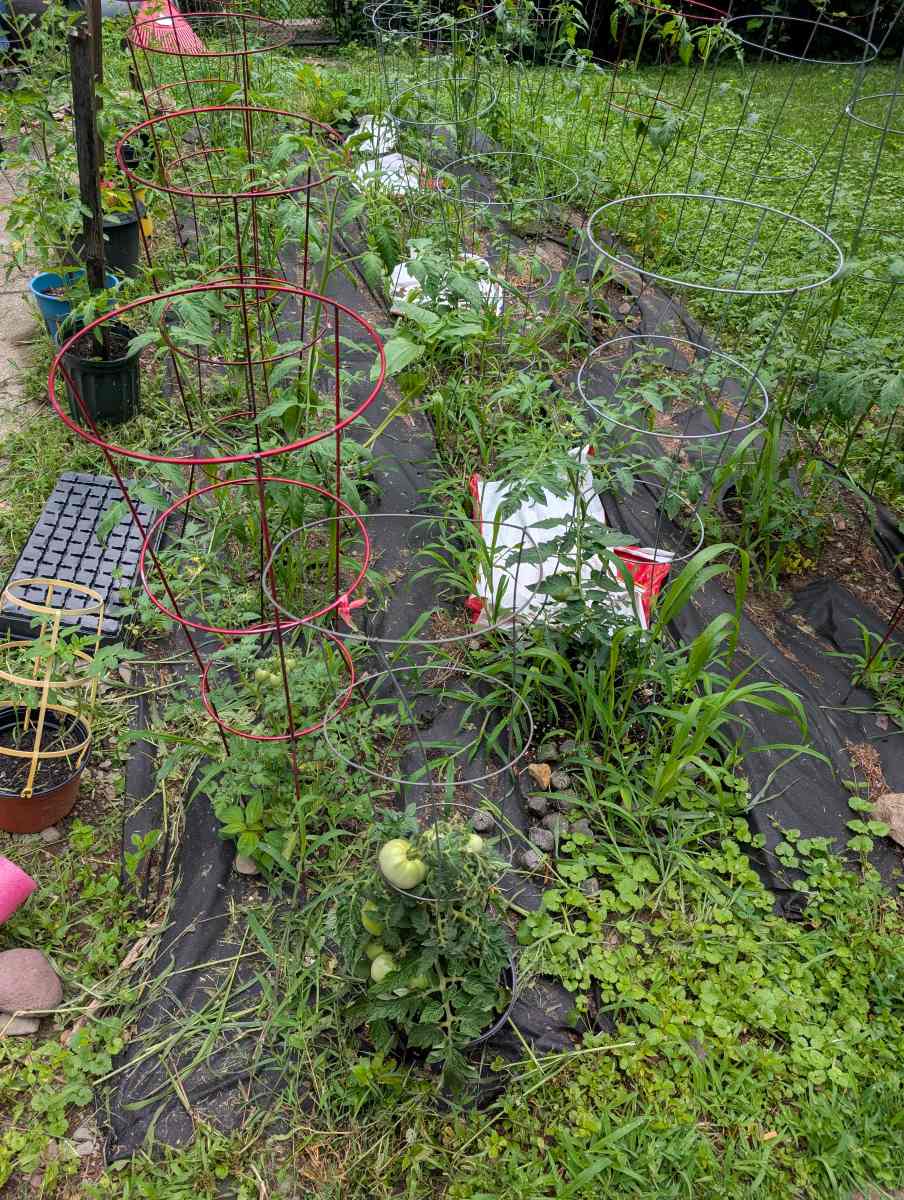 Our tomato garden, affectionately known as “Tomato Alley,” unfortunately suffered the loss of three to four plants during the unusually cool and rainy conditions we experienced in June. To address this setback, I replenished the missing plants by acquiring replacements from both Walmart and a local nursery. Recognizing that the tomato seedlings I had painstakingly nurtured indoors from seeds were exhibiting signs of stress and were somewhat undersized, I decided to intervene with a dose of Miracle-Gro. This decision appears to have been a successful one, as the fertilizer proved effective in revitalizing the plants. They have responded remarkably well, and now present a much healthier appearance. It’s gratifying to observe that all the tomato plants are actively flowering and thriving. Furthermore, the purchased plants are already bearing a promising quantity of tomatoes, and I am optimistic about the prospect of being able to resume my tomato canning tradition this year, preserving the bounty of the season for future enjoyment.
Garden Issues and Concerns
As anyone who has ever tried to cultivate their own little piece of the earth knows, maintaining a garden is an incredibly fulfilling, yet often unpredictable, endeavor. While the rewards of harvesting fresh produce and enjoying the beauty of nature are immeasurable, the journey is not always a smooth one. From the constant vigilance against pests and diseases to the ever-changing whims of the weather, gardeners are constantly faced with obstacles that can test their patience and determination. As we stand at the halfway point of the growing season, it’s time to acknowledge and address some of the specific challenges we’ve encountered, providing insights into the ongoing process of learning and adapting to the ever-evolving world of our garden.
I’ve been spared major damage to my garden. I did lose a few strawberries to chipmunks, but that’s about all. I haven’t seen much of my resident groundhog, but I did see two fox kits in my yard one morning. My guess is their den isn’t far off. I’m thinking that’s the reason the groundhog isn’t foraging in my garden. Of course, it could be the foxes’ dinner, too. But I’m not too sorry about that.
Animals
While we appreciate observing the native animals of New Jersey, certain species, including rabbits, groundhogs, and deer, can unfortunately cause significant damage to both our vegetable and flower gardens. To address this challenge, I’ve adopted a strategy that involves creating a protective perimeter using cayenne pepper. Specifically, as soon as I’ve tilled the garden to prepare it for planting, I begin sprinkling cayenne pepper around the entire perimeter. The reasoning behind this approach is simple: by creating an immediate deterrent at the edge of the garden, we aim to prevent animals from even attempting to enter. There’s no incentive for them to cross this initial barrier. After seedlings and plants start growing, it becomes much more difficult to alter their foraging habits. So far, this method has proven quite effective in keeping unwanted visitors out of our garden space. I buy the cayenne pepper in bulk five pound bottles so it is cheap and effective.
Deer: The cayenne pepper seems to discourage deer als0. A fence is a good first line of defense, but deer are very good jumpers. Positioning a fence at a 45 degree angle to the ground may confuse deer because they have poor depth perception.
Another effective strategy to deter deer involves stringing fishing line between the existing fence posts to create a sort of overhead net covering the garden area. This method is completely non-harmful to the deer; however, it does create an element of discomfort for them. When they land on the seemingly invisible fishing line, it provides an unpleasant sensation, and because the line is difficult for them to see, it serves as an effective visual and tactile deterrent, discouraging them from entering the garden.
Another effective approach to deter deer involves utilizing deer-resistant plants as part of the garden’s landscaping. Through careful observation and experimentation, I’ve discovered that while deer seem to be quite fond of tulips, they tend to avoid daffodils. Consequently, each spring, I make a point of planting a generous quantity of daffodil bulbs, aiming to cultivate a vibrant and expansive display of these resilient flowers. This strategy not only provides a beautiful aesthetic but also serves as a natural deterrent, helping to keep the deer away from the more delicate parts of the garden. If you’re looking to discover more options for deer-resistant landscaping plants, I would recommend using this link.
July 21 Lots of Flowers, No Joy
We’ve been picking garden beans and Simpson lettuce, but last year, we were already harvesting cucumbers, tomatoes, and summer squash by this point in July. I’m convinced the unseasonal cold and rainy weather in June is the reason. That weather stunted the tomato plants and cucumber growth.
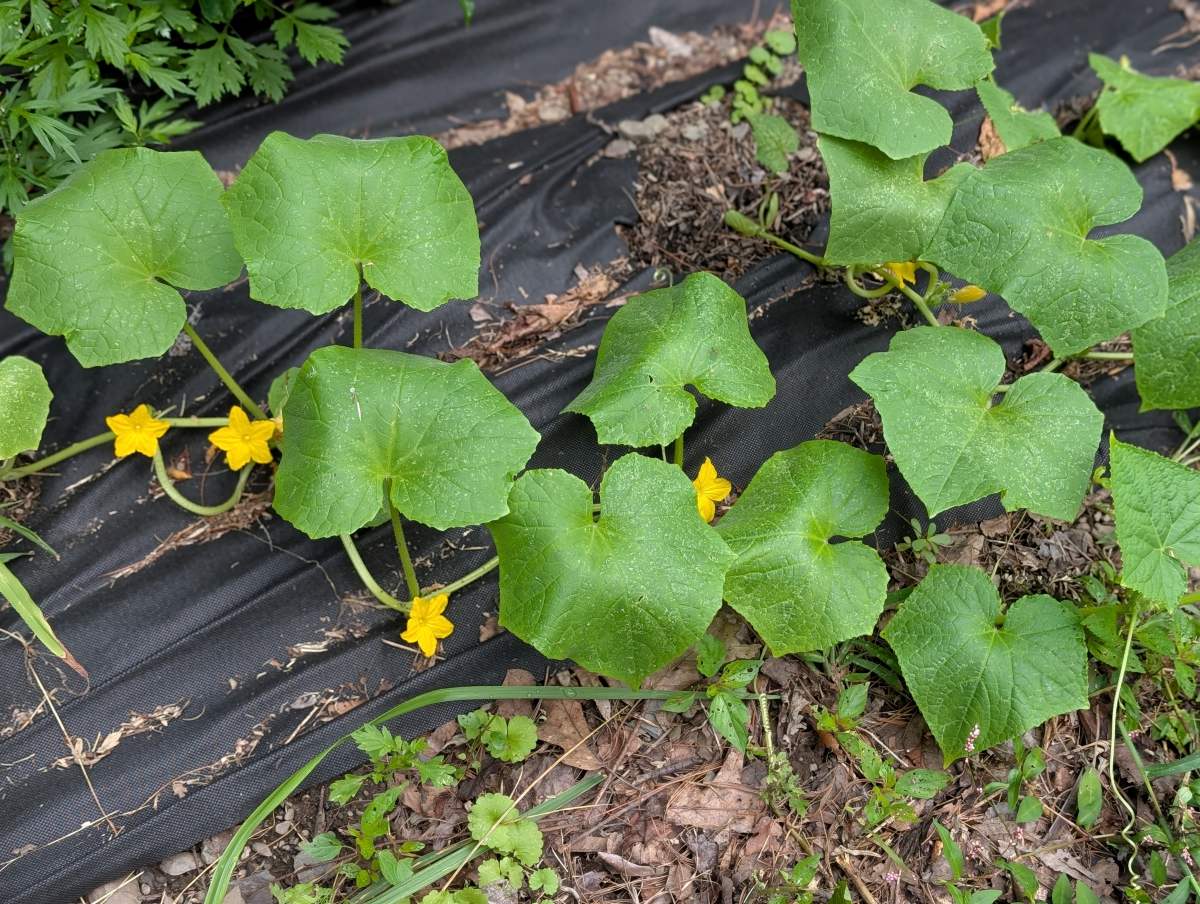
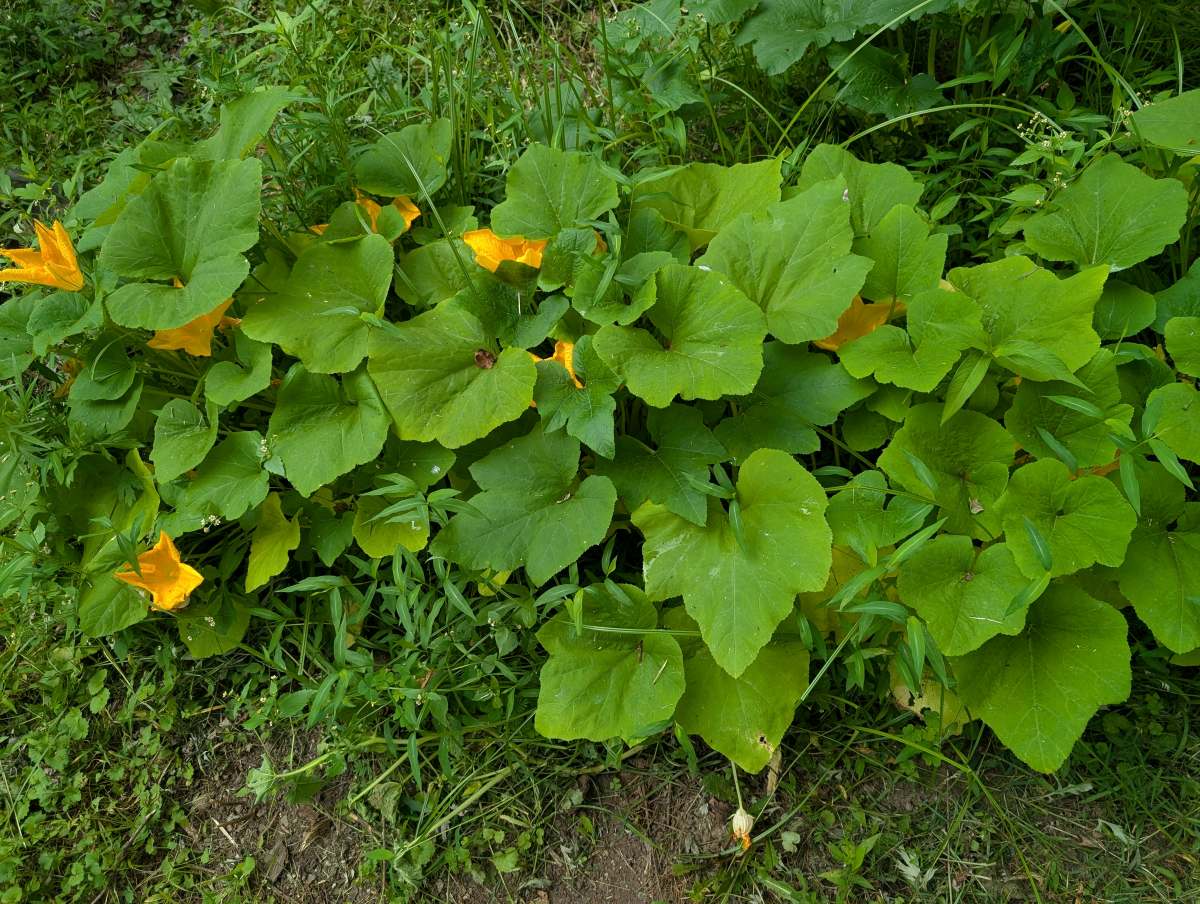
Luckily, the tomato plants rallied in July, but I had to give them a dose of Miracle-Gro. I don’t normally fertilize my plants heavily, but I was desperate given their condition.
Harvest – July 26
So far, we have been harvesting Simpson lettuce, garden beans, and strawberries! We have now harvested our first zucchini and cucamelon.
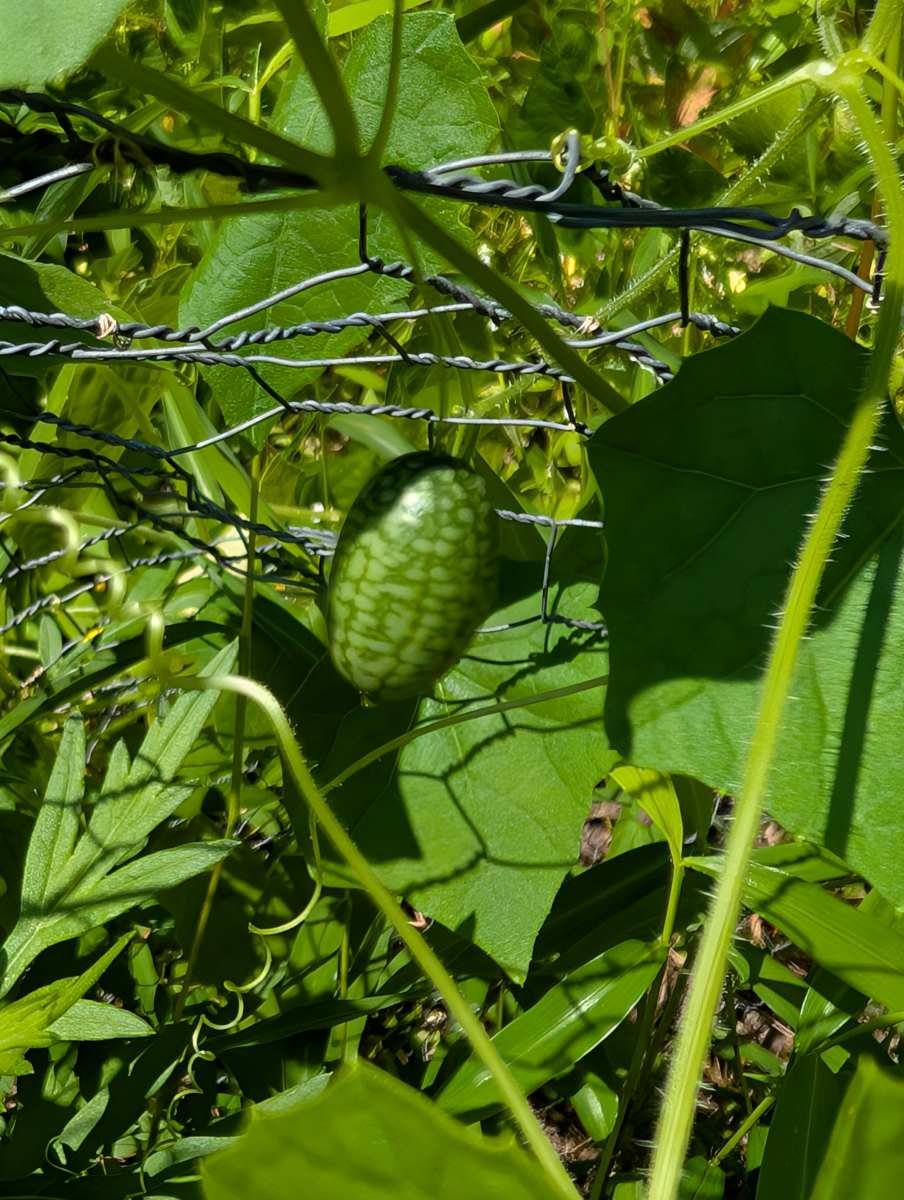
Cucamerons grow on our chicken wire garden fence in vines three feet or longer. Small yellow flowers produce small fruits resembling tiny watermelons. With just a few plants, we have an abundance of these grape-sized melons, which are great for a “pick and eat” treat. Cucamelons or Mexican Sour Gherkins taste like cucumbers with a slight citrus flavor. I usually start seeds indoors during March or April and transplant in May. Once planted outdoors, they grow fast with watering, hot weather and plenty of sun.
Simple Zucchini Recipe
This is my first year growing zucchini. A friend who lived nearby always grew them because, as he said, “deer don’t bother with them.” Last year, I had good luck growing summer squash, so this year, I added zucchini to my garden. The plants grew well, have many flowers, and I harvested my first zucchini!
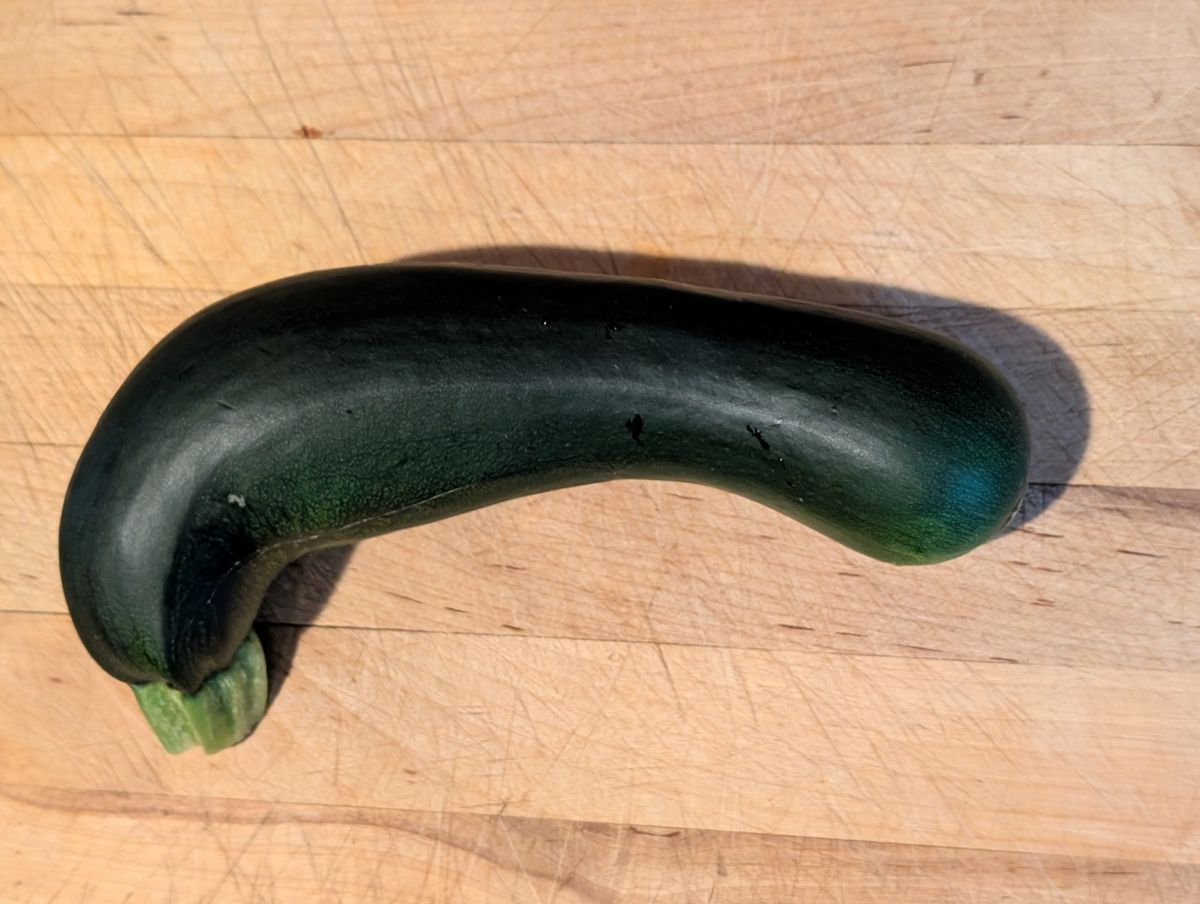

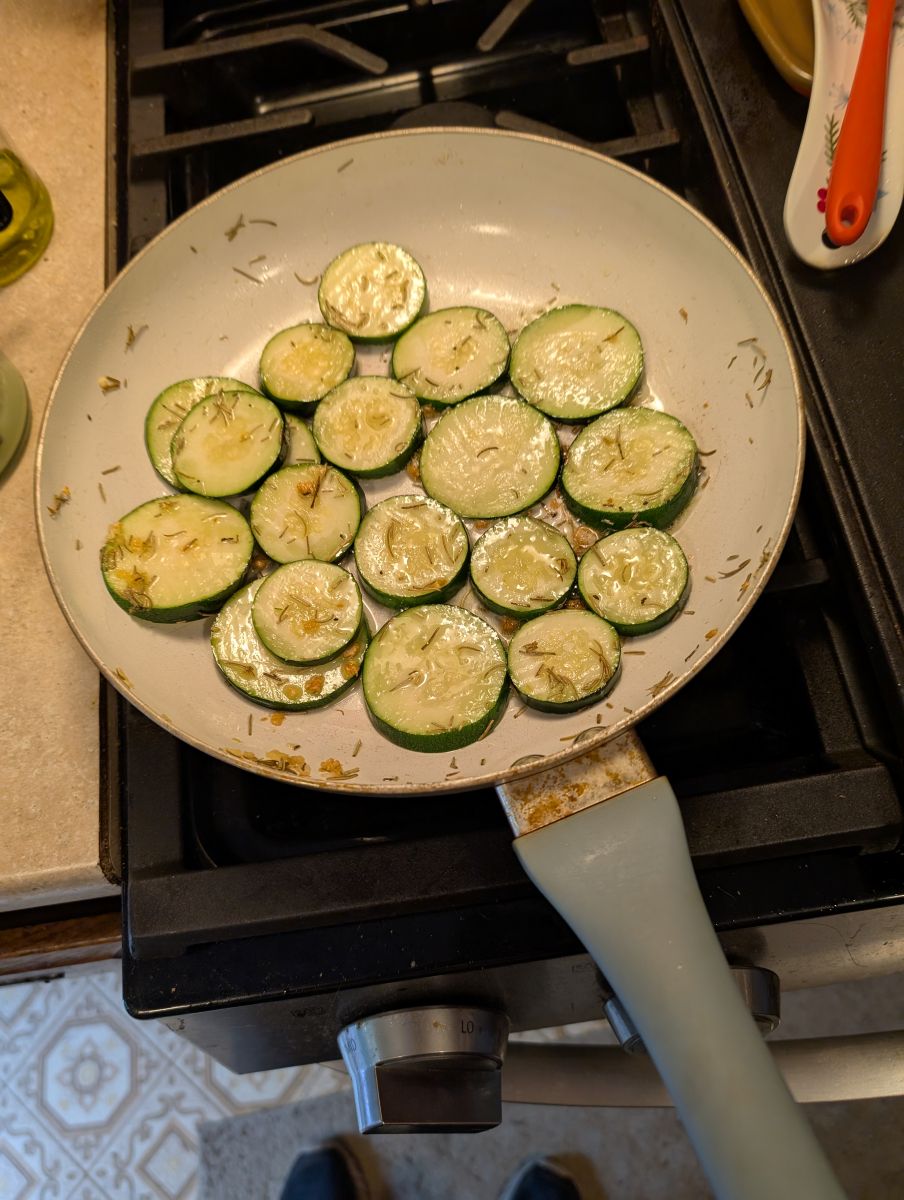
I prepared the zucchini using the exact same cooking method that I used for the summer squash I harvested last year.
Ingredients: zucchini, rosemary, garlic, olive oil
1. First, slice the zucchini into 1/4 – 1/2″ medallions.
2. Heat 2 tbsp. olive oil in a frying pan. Add 1 clove crushed garlic and 1 tsp. rosemary.
3. Add zucchini medallions to the pan in a single layer and sauté until al dente.