Black Seed Lettuce Fall Crop – Asparagus – Back to Nature – We Can Pickle That
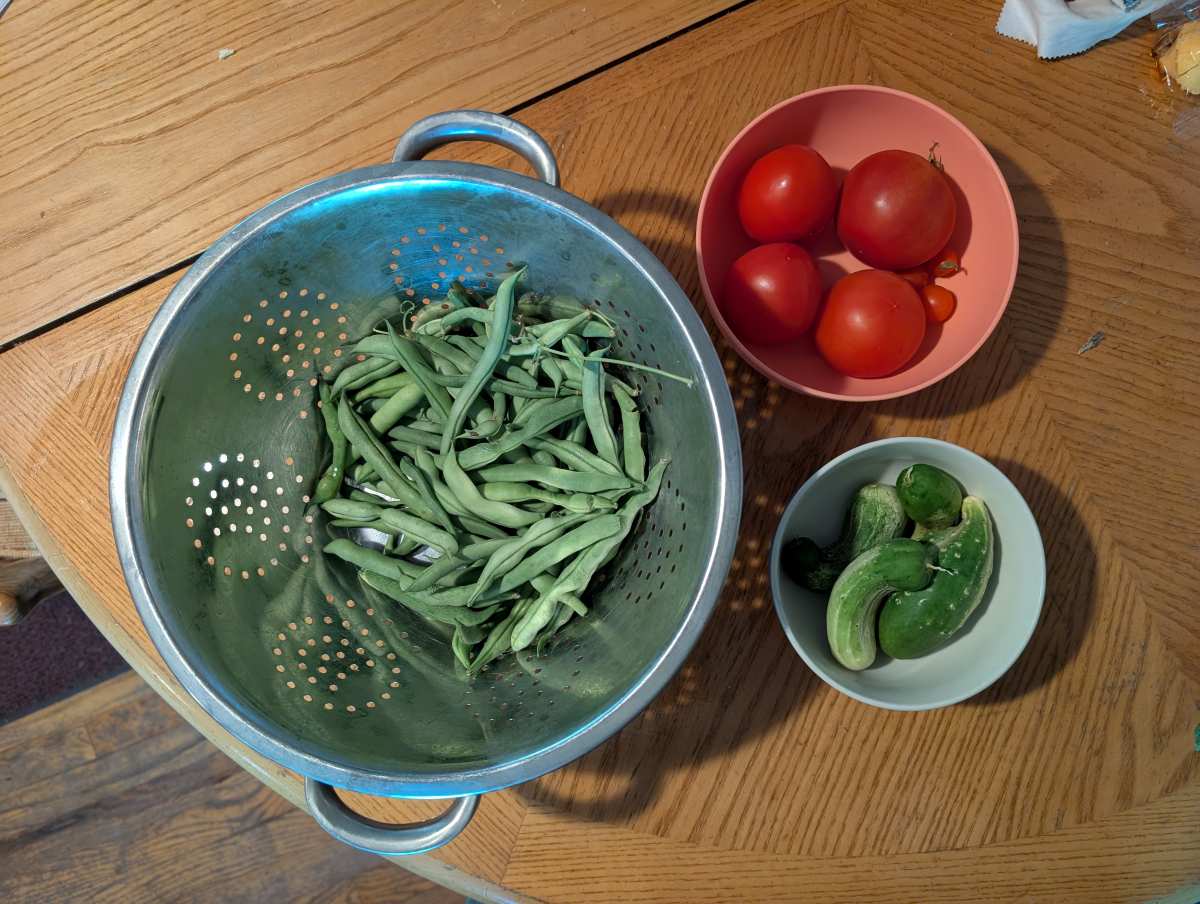
September is here and we are starting to say goodbye to our summer vegetable garden. As every year, I wish that I harvested more produce. But I am satisfied with the amount of delicious strawberries, tomatoes, garden beans, cucumbers, lettuce, zucchini and summer squash produced in our gardens.
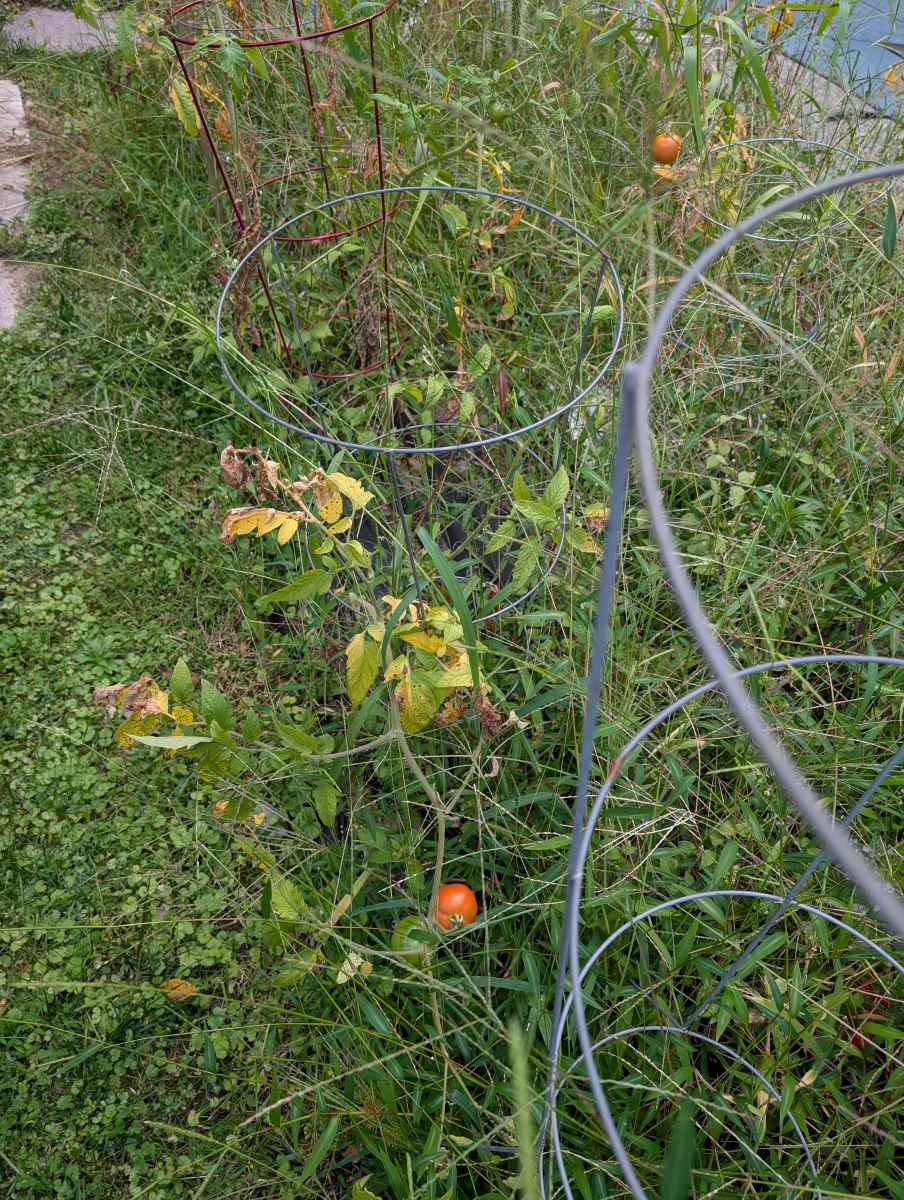
At this point in September, my garden is in shambles. I have to confess that I am a lazy gardener and the garden daemon takes over and sows what it wants. But the garden served it’s purpose and it’s now time for new challenges.
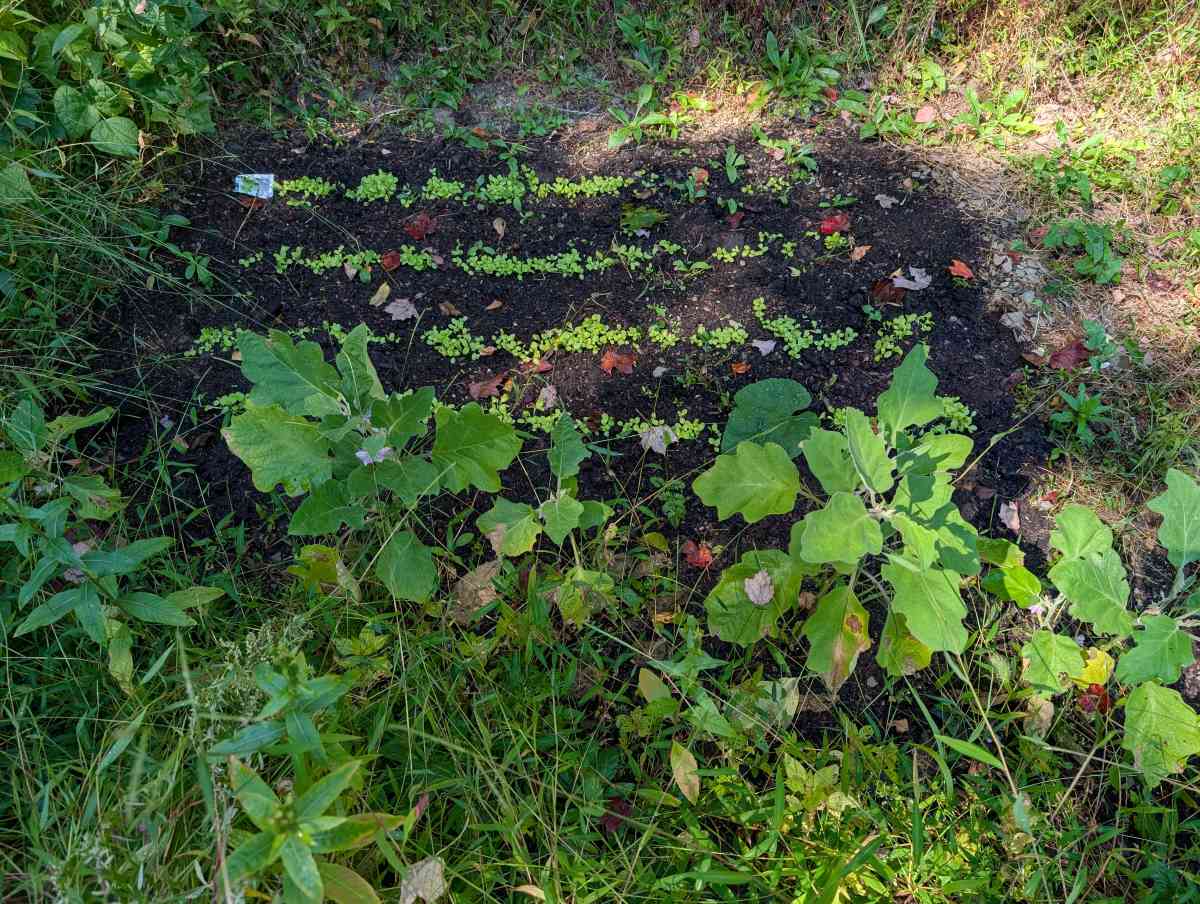
Simpson Black Seed Lettuce growing in rows
That said, I’m not ready to give up on the garden just yet, and the Simpson Black Seed Lettuce planted in late August is thriving. It’s been dry in Northern New Jersey for the last few weeks, so I’ve been watering the garden by hand.
There are still tomatoes ripening and a few eggplants growing in the “weather garden”. The eggplants are producing flowers, attracting the attention of bees. I am hopeful I will be able to harvest some fresh eggplant before the weather becomes too cool for the plants to survive.
With the outdoor garden starting to wind down, I’m now turning my attention to creating an indoor gardening space. My initial plans involve cultivating microgreens, which offer a quick and easy way to enjoy fresh, nutritious produce throughout the year. I am also exploring the possibility of growing lion’s mane mushrooms in my basement, utilizing artificial lighting to simulate the conditions they need to thrive, expanding my culinary options and personal gardening projects.
September 2025 will mark a transition in our garden as the warm summer months give way to the cooler days of autumn. This year, we’ve enjoyed an abundance of fresh produce and vibrant blooms, and as the season changes, we’ll focus on preparing our garden for the winter ahead and gathering the final harvests.
Black Seed Lettuce: Embracing the Late Season Garden
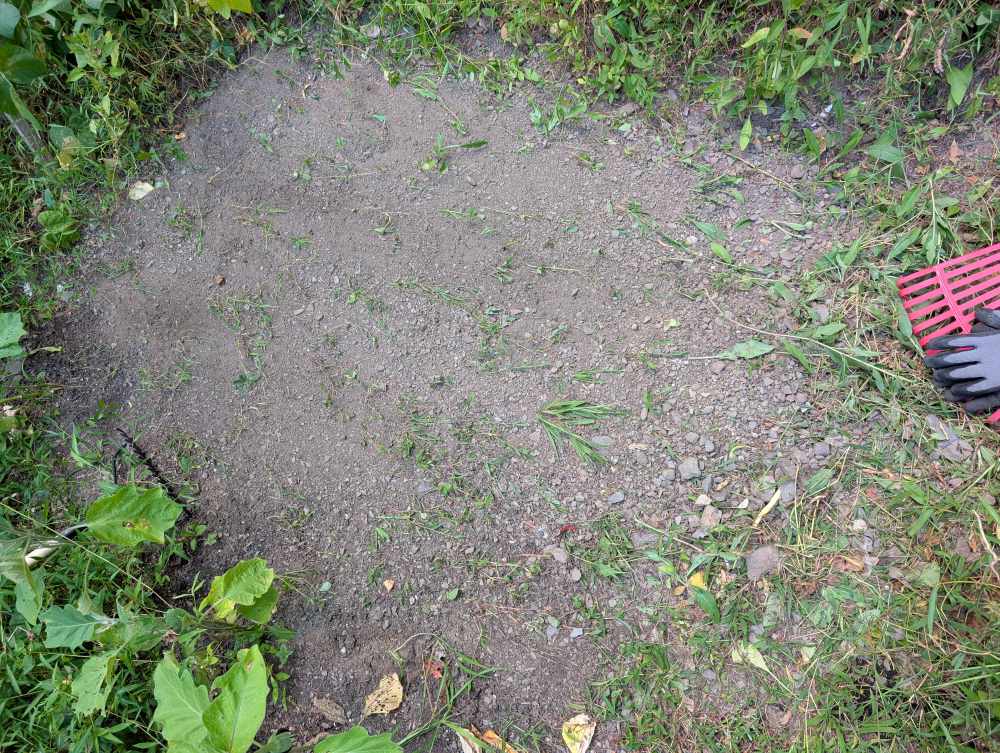
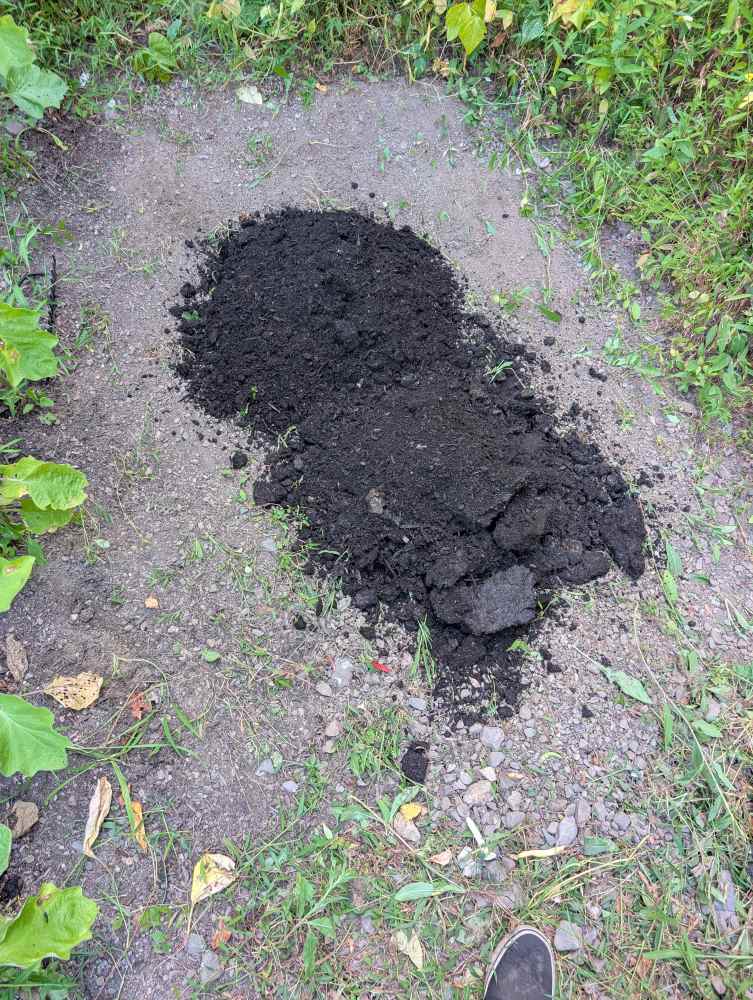
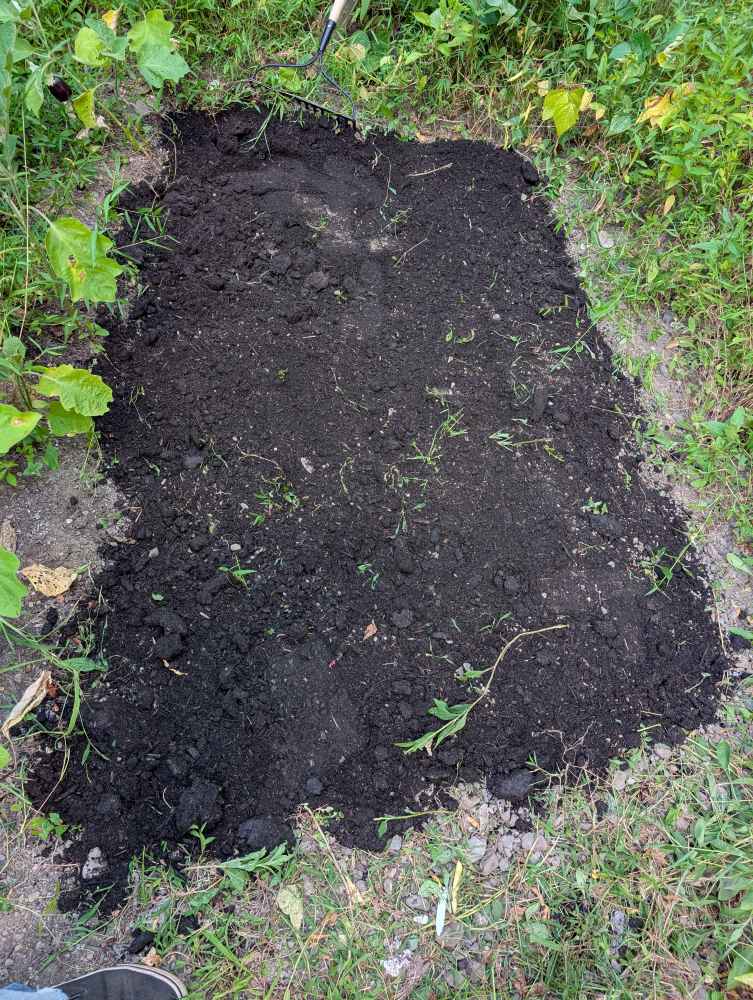
Each year, I make an effort to grow a late-season garden, typically starting in late August or early in September. This timing is chosen, as it follows the natural end of my garden bean plants’ productive cycle. In selecting crops for this late-season garden, I choose crops that mature quickly like radishes or leafy green vegetables. A key consideration in my selection process is to choose plants that do not rely on pollinators, ensuring a successful harvest even as the weather changes and cools.
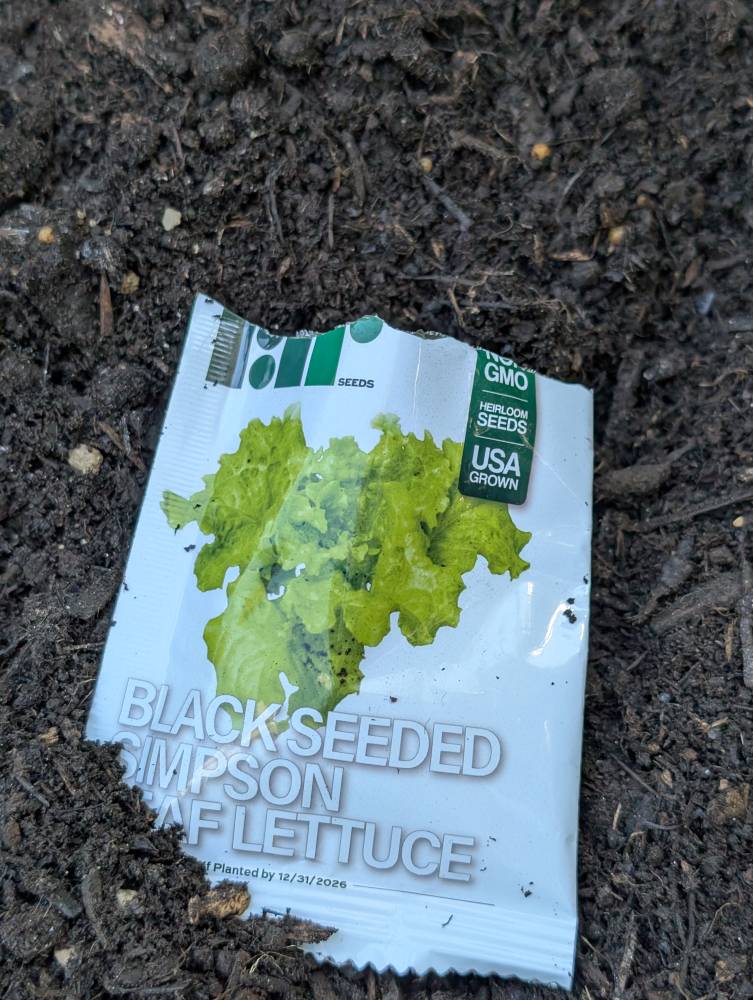
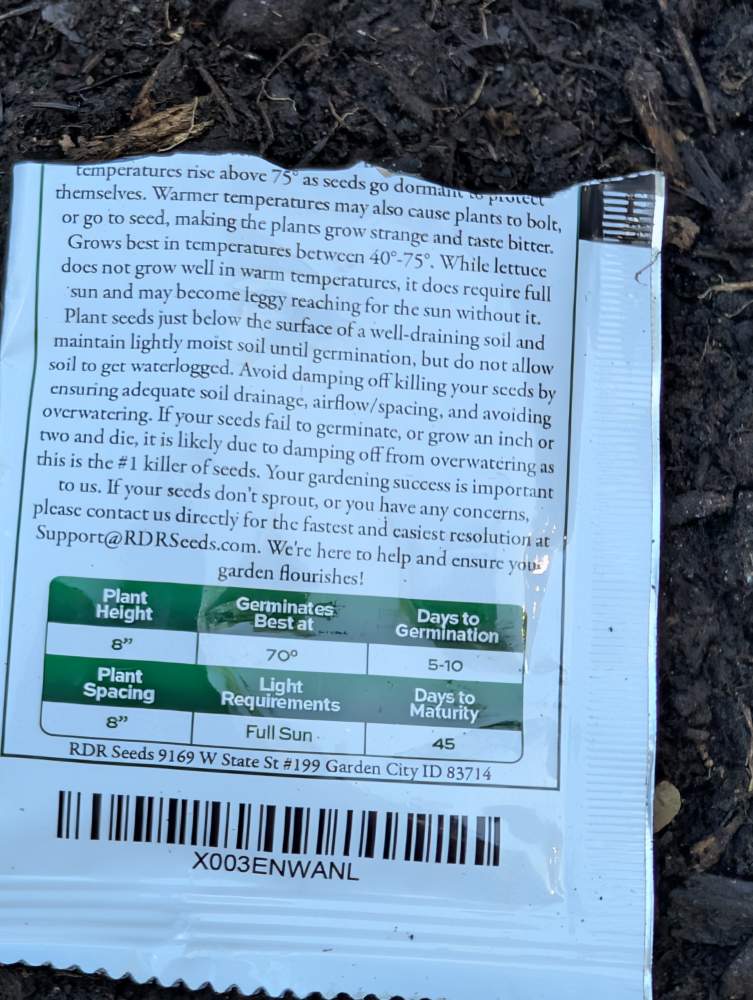
This year I have chosen to plant Black Seeded Simpson Leaf Lettuce. I had a successful crop in the spring and Simpson lettuce grows quickly maturing in 45 days. I cleared the portion of the garden where garden beans grew and raked in some top soil. I heavily seeded four rows and happlily can report rows of seedlings after one week.
Asparagus
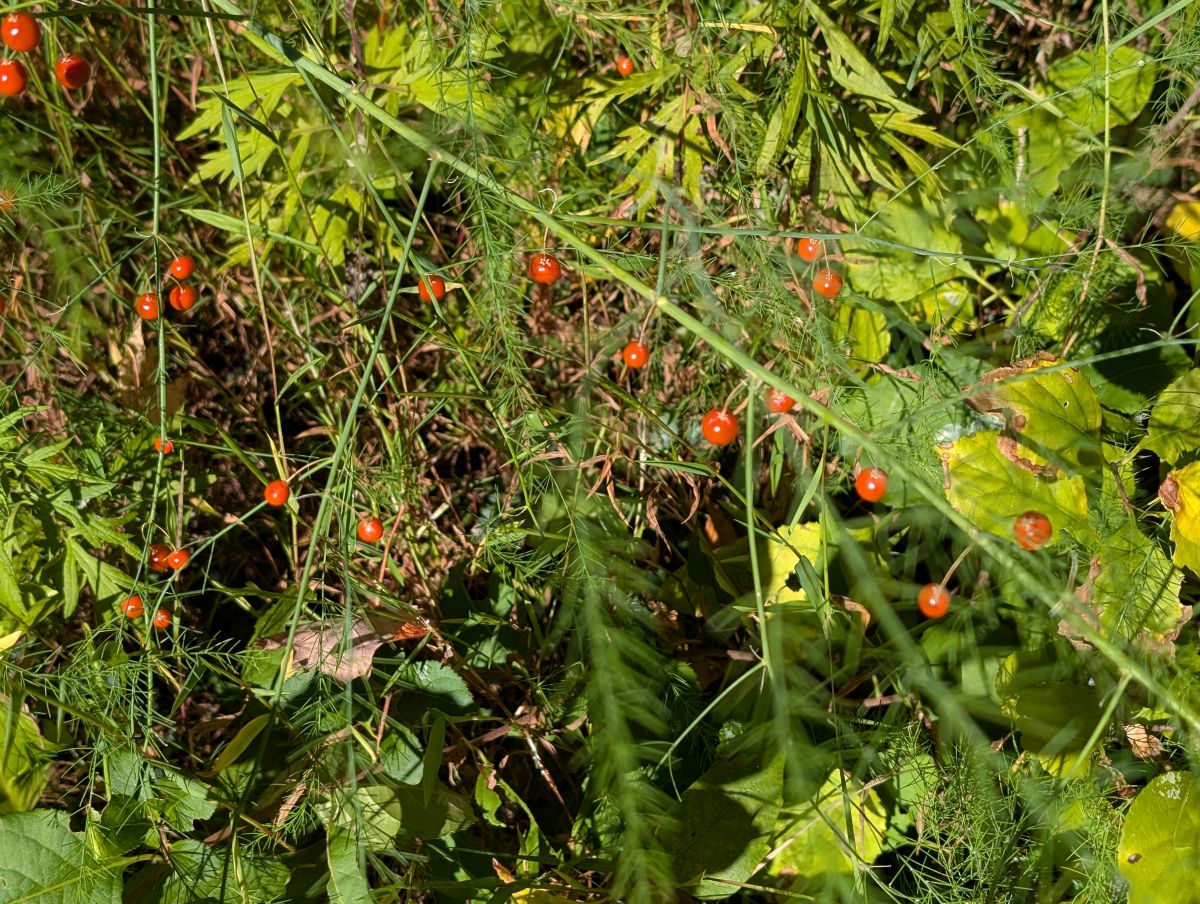
Our Asparagus garden has become overgrown with weeds and our asparagus plants have matured into feathery fronds. Red “berries” have also formed on the asparagus fronds, which turn out to be seed pods which are not edible. When the pods soften a bit, I will squeeze the seeds out onto a paper towel to dry. I will try starting asparagus plants inside during the winter. Stay tuned!
I need to clean this area to plant new asparagus crowns. This year I am going to soak the crowns overnight before planting. I will also mark spots where I see fronds to check for spears next spring.
Back to Nature
As our garden embraces a state of increasing natural disarray, a spontaneity of events unfolds. The deceased plants, in their final act, generously return their accumulated nourishment back to the soil, enriching it for future growth. “Nature abhors a vacuum” and resilient native plants emerge, filling the newly created spaces and continuing the cycle of life and renewal within our garden ecosystem.
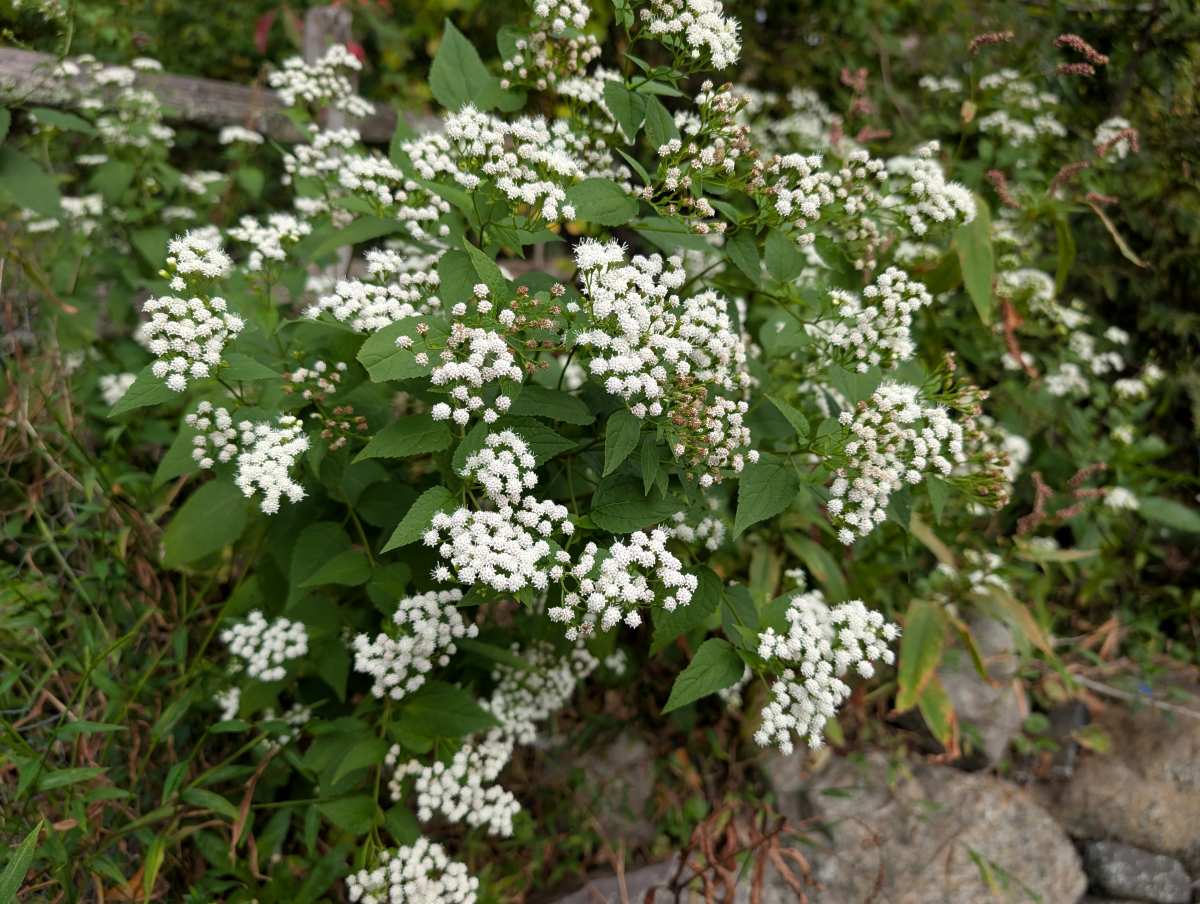
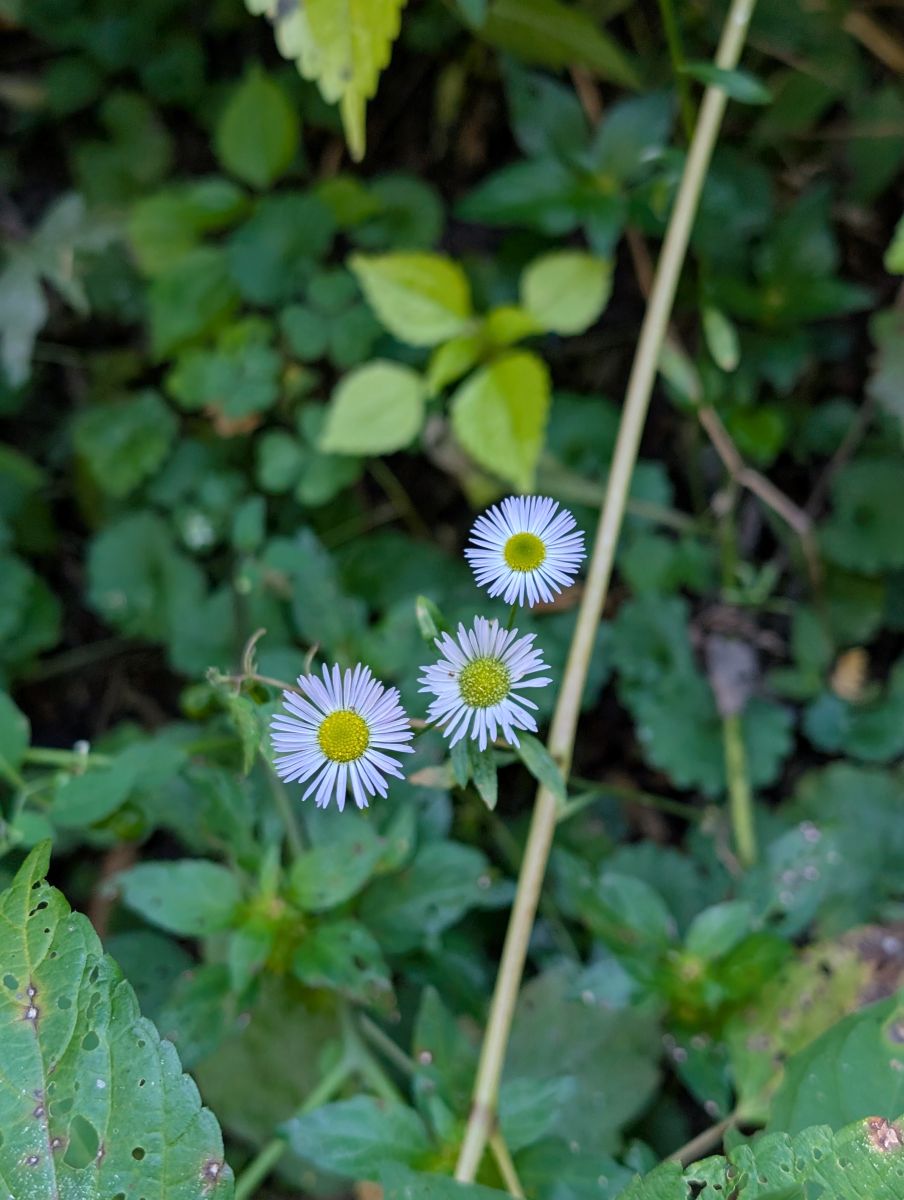
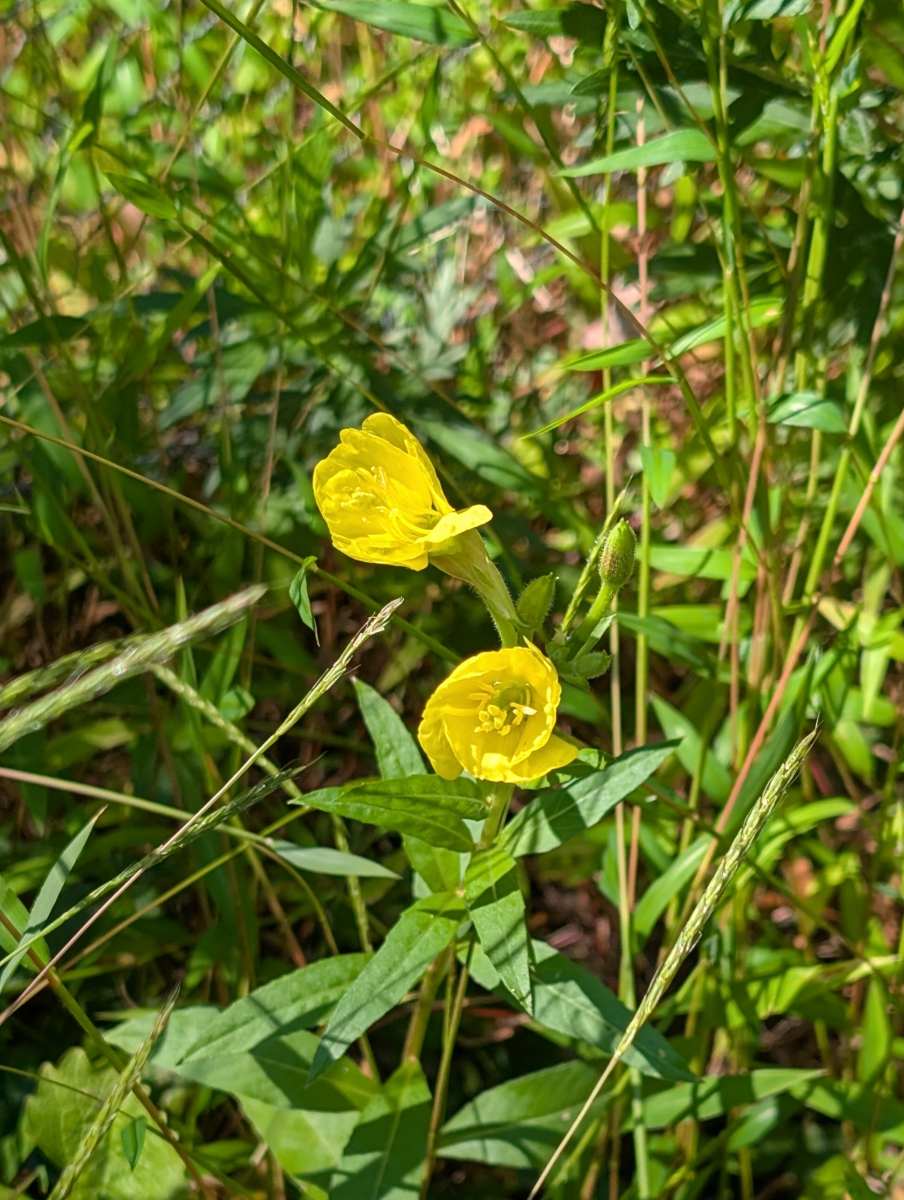
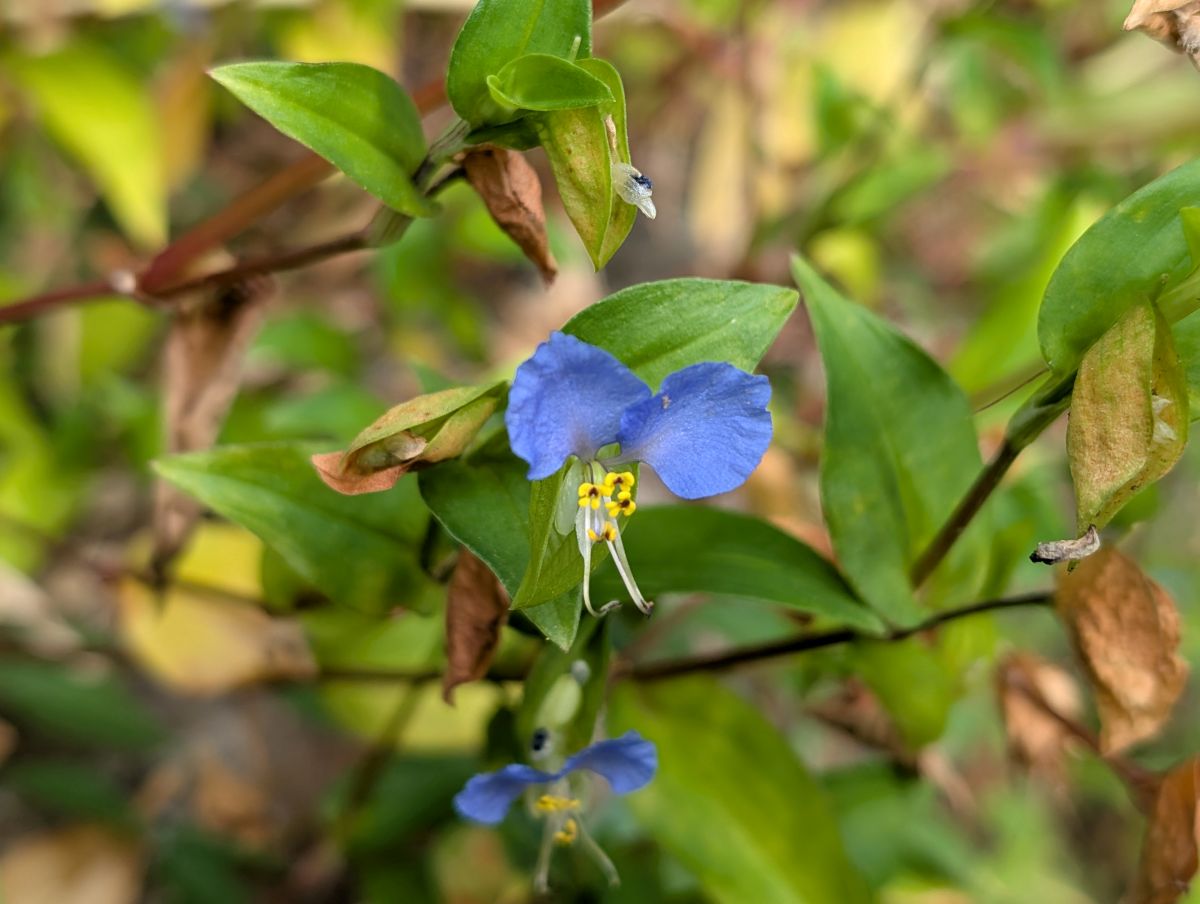
As our garden transitions into its autumnal resting phase, the native autumn flowers emerge. While often dismissed as mere “weeds,” these plants play a vital and often overlooked role within our ecosystem. Historically, these very plants were valued and used by Native American cultures for their medicinal properties, showcasing their enduring significance far beyond a simple aesthetic.
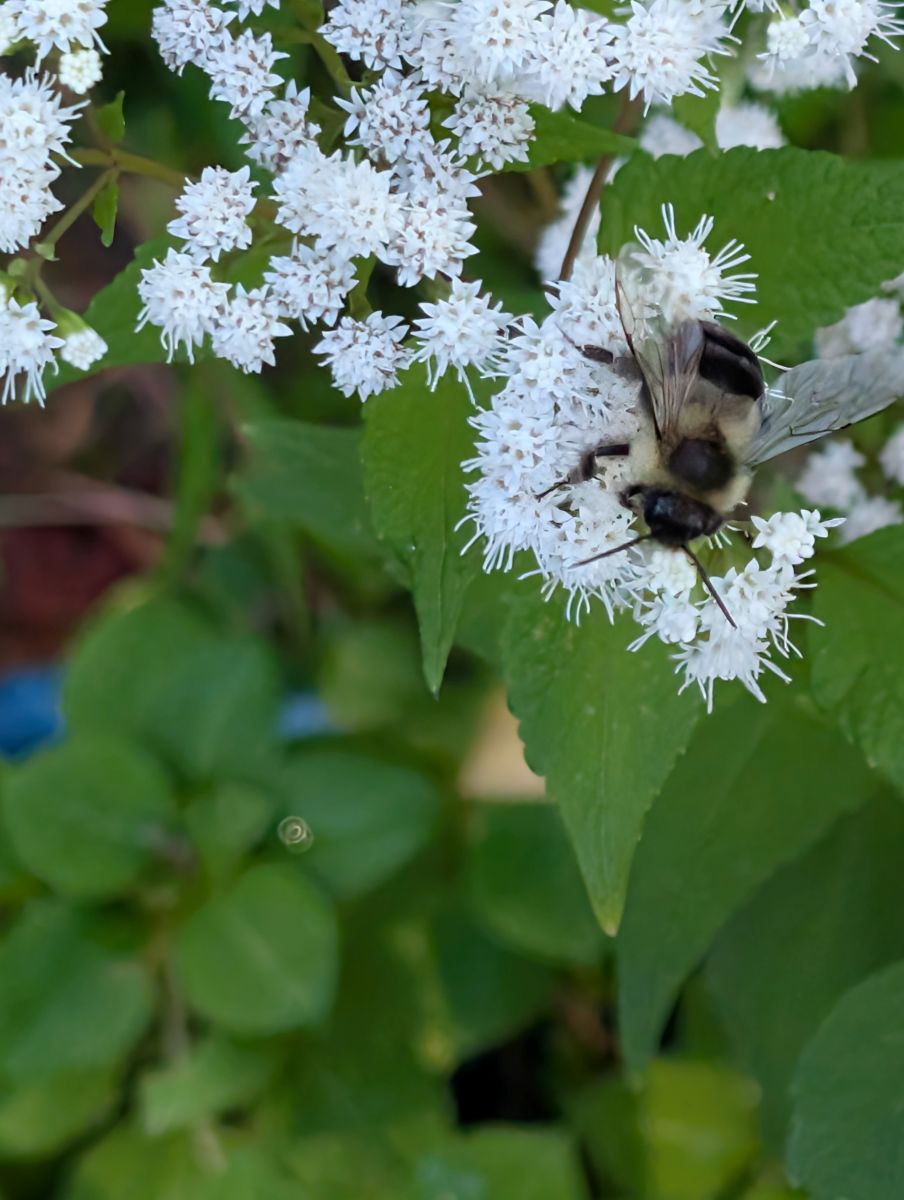
Native Autumn plants become an invaluable and vital food source, supporting the local pollinator populations and contributing significantly to the overall health and biodiversity of our local ecosystem.
“We Can Pickle That”
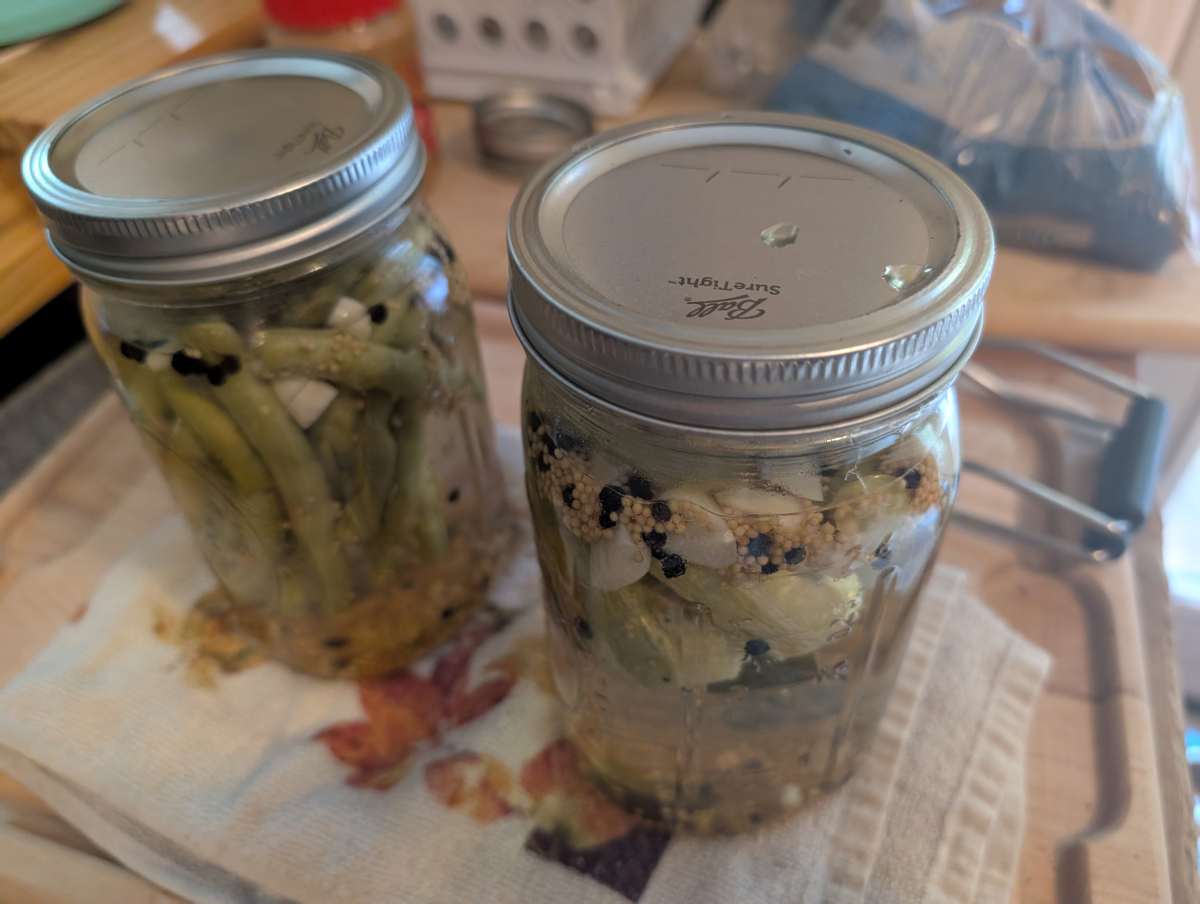
As we have been harvesting the bounty from our garden, we’ve also been preserving our fresh produce to ensure we can enjoy these flavors throughout the extended winter months. Our preservation efforts have already yielded delicious results, as we’ve successfully canned ripe tomatoes and created tangy, flavorful pickled cucumbers. Currently, we are embarking on another preservation project: pickling green garden beans. The process begins with the creation of a flavorful brine, which we then use to carefully fill our canning jars. Finally, we ensure the safety and longevity of our pickled garden beans by processing the sealed jars in a hot water bath.
Brine for pickling:
2 -1/2 cups water
2 cups vinegar 5% acid
1/4 cup sea salt (non-iodized)
1/4 cup sugar
Using a stainless steel pot, combine ingredients and bring to a boil, then simmer until filling of canning jars.
Prepare quart canning jars with 2 tsp. mustard seeds, 2 cloves garlic, 2 tsp. peppercorns, 1/4 tsp. food-grade calcium chloride. Add garden beans to jars and fill with brine to approx. 1/2 inch from the top. then process sealed jars in a hot water bath for 15 minutes. Store jars in cool dry place.