
Home Preparations – Winter Vehicle Prep – October in Our Garden –
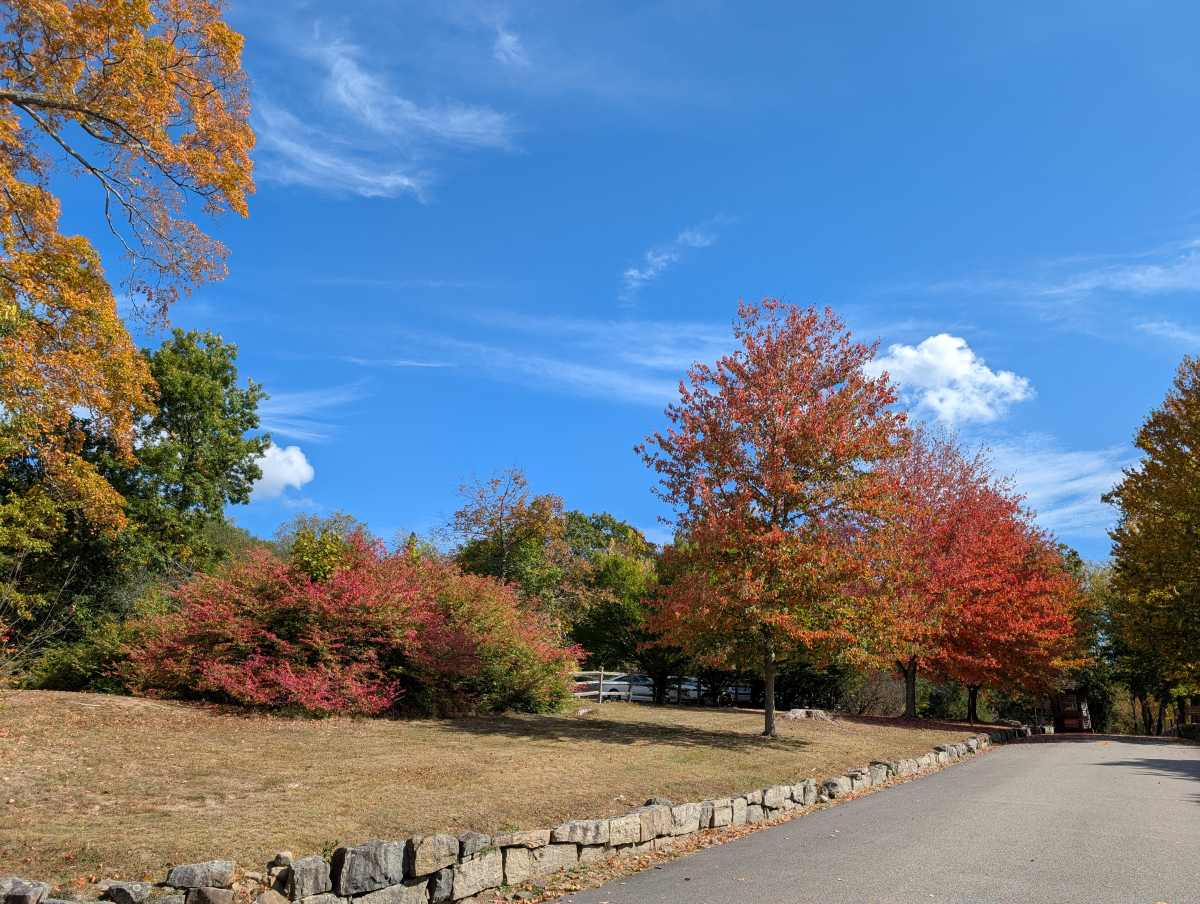

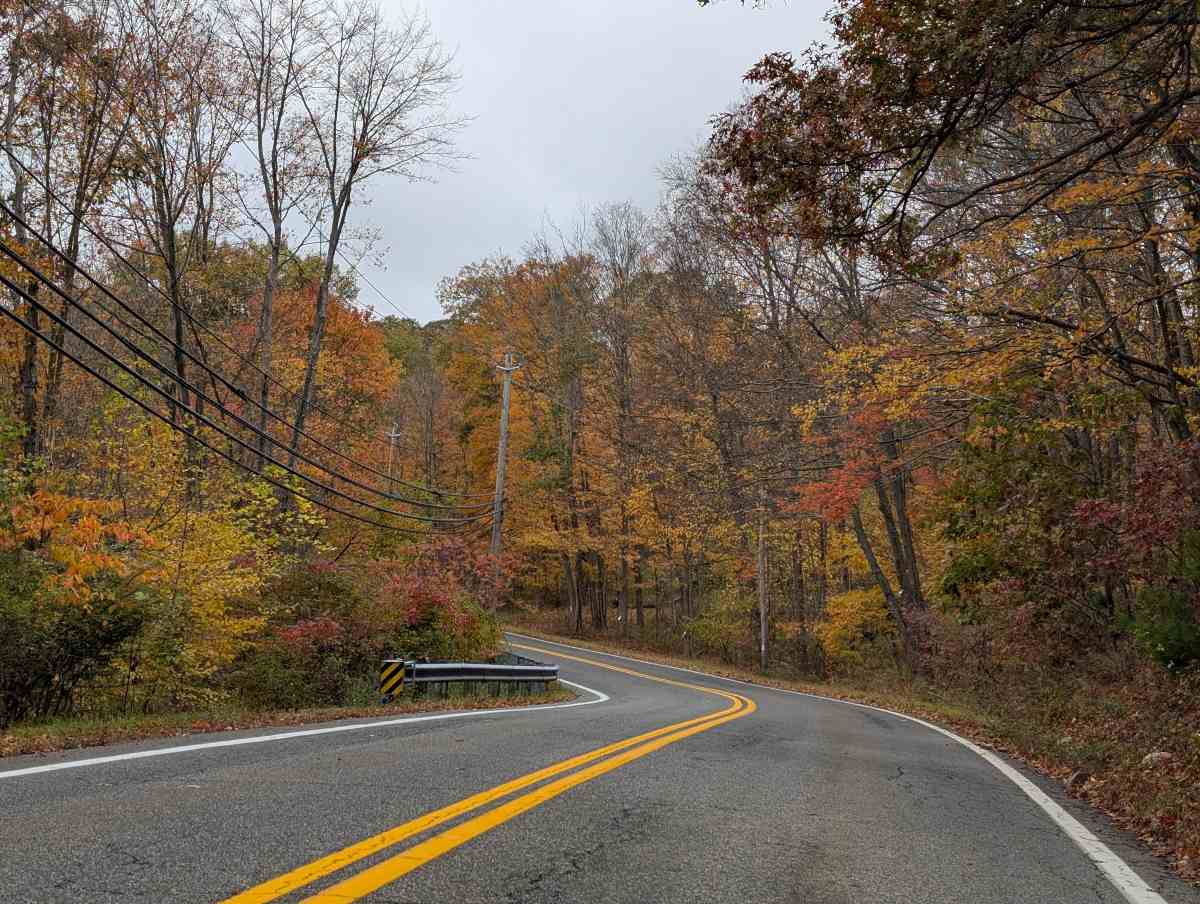
Following the brief respite of our September “Indian Summer,” a noticeable shift occurs in northern New Jersey as the days shorten and temperatures cool, signaling the impending arrival of winter. The vibrant autumn colors typically reaches its peak during the early part of October, but this fleeting beauty is often short-lived. The colorful foliage, which once adorned the landscape, can be quickly ruined by persistent rain showers or strong, gusty winds. We are left with only a limited window of opportunity to fully appreciate the stunning array of fall hues before the trees are stripped bare by the winter winds.
Keeping fallen leaves in your yard can bolster the number and variety of species and the perks go beyond just avoiding the unpleasant chore of raking. Fallen leaves provide overwintering habitat for many ecologically critical organisms, pollinators such as butterflies and bees. But that’s not all! This hands-off approach supports plants and soil. I have been using dead leaves to cover my vegetable garden in the winter and relocating the rest into an undeveloped portion of my property. Fallen leaves add carbon and other nutrients to the soil while supporting decomposers (mushrooms!) and detritivores, earthworms and millipedes, and also, tiny, insectlike soil animals called springtails. Springtails feed on organic matter and release nutrients into the soil to help maintain plant health.
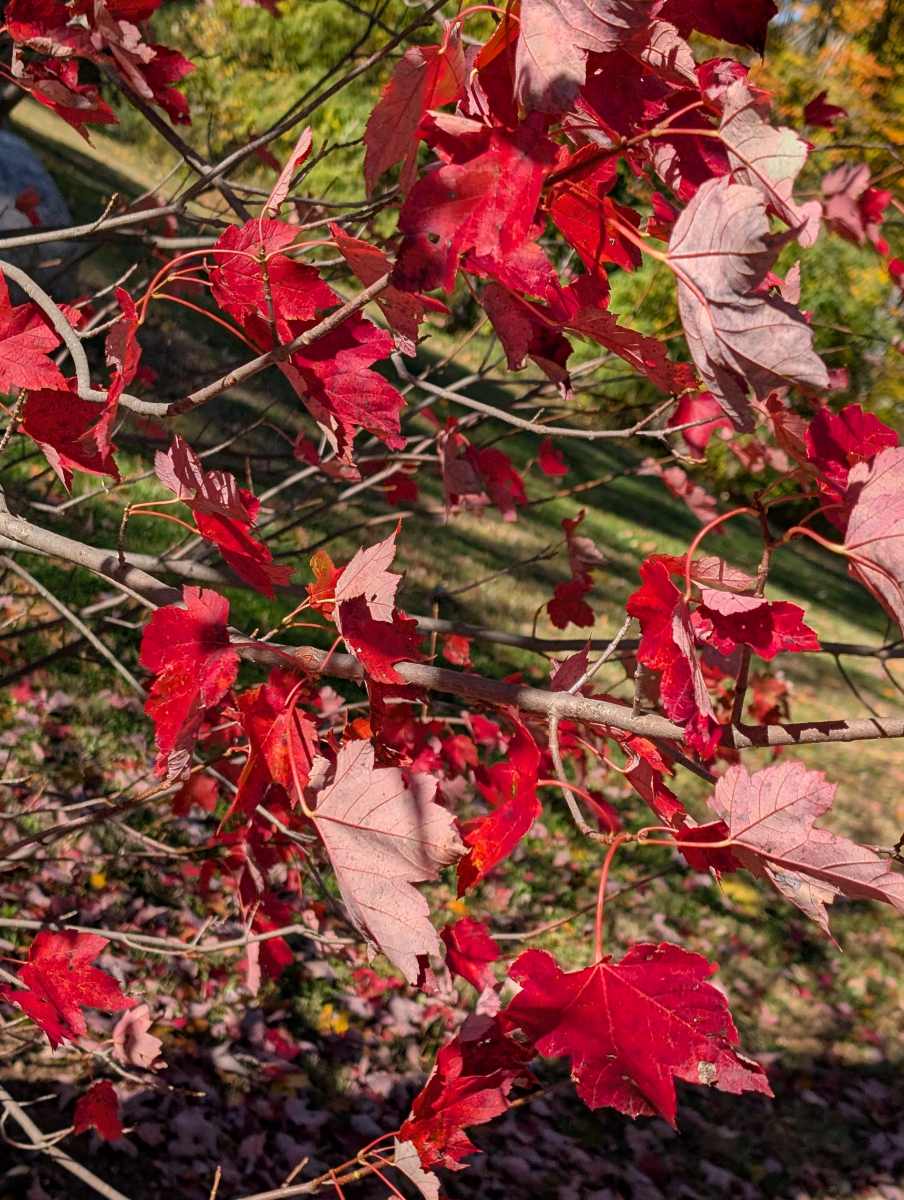
The cooler temperatures and changes in the foliage serves as a clear signal for migratory creatures, such as birds and butterflies It’s time to embark on their southward journeys in search of warmer climates. I, for one, eagerly await the time when they return bringing the warmth of spring.
Home Preparations
As the crisp air of October settles in, signaling the imminent arrival of winter in Northern New Jersey, it becomes clear that preparations must be undertaken to fortify our homes and ensure our comfort and safety against the cold and often inclement weather. A crucial first step involves a thorough inspection of our windows and doors, searching for any telltale signs of drafts that could compromise our energy efficiency and invite unwelcome chills into our living rooms. Once potential draft areas are identified, we must address them either by repairing existing seals or, where necessary, replacing worn-out weather stripping with fresh, durable material. This simple yet effective measure forms a vital barrier, effectively sealing off those pathways through which cold air can enter, helping to maintain a warm and cozy atmosphere within our homes throughout the colder months.
Doors and windows can be significant sources of drafts and heat loss
rt23.com
Doors can be a source of cold drafts in the winter especially between the door bottom and floor. An easy remedy is to install a draft stopper, these are easily installed and can make a big difference.
Winter Vehicle Prep
We are preparing our vehicles for the challenging conditions of winter roads, a crucial aspect involves a thorough inspection and maintenance of fluid levels. This includes checking the oil to ensure optimal engine lubrication, verifying the coolant levels to prevent engine overheating in the cold, and most importantly, ensuring that the windshield wiper fluid reservoir is adequately filled.
Top off your windshield wiper fluid, it’s gonna get messy out there!
rt23.com staff
Given the common practice of salting roadways during winter months to combat ice and snow, windshields are particularly susceptible to becoming coated with a mixture of salt and road debris. This buildup can significantly impair visibility for drivers, making it essential to maintain clear windshields for safe operation of our vehicles during inclement weather. Necessary auto tools include snow brushes and ice scrappers. Other items may include blanket, road flares, jumper cables, and a small snow shovel.
Common Sense Auto Winter Prep
here are some of the things I have done:
- cleaned the inside of my windows ( do this before the cold weather!)
- topped off my winshield wiper reservoir.
- checked that my ice scrapper and snow brush are in the car.
We are diligently preparing our outdoor spaces for the upcoming winter season by carefully storing our outdoor furniture to protect it from the harsh elements, such as snow, ice, and temperature fluctuations. Simultaneously, we are taking a proactive step to support our local bird population by transitioning from hummingbird feeders to seed feeders. This change in our feeding practices ensures that a variety of bird species have access to essential sustenance during the winter when natural food sources become scarce.
October in Our Garden
“we are now bringing our houseplants back inside, ending their summer “vacation” on our deck.”
rt23.com
With the arrival of October and the gradual transition into cooler weather, we are now bringing our houseplants back inside, ending their summer “vacation” on our deck. Among our indoor plant family, we have amaryllis, hibiscus and Elephant Ear plant, all of which have thrived under the summer sun and will now brighten our home’s interior during the upcoming colder months.
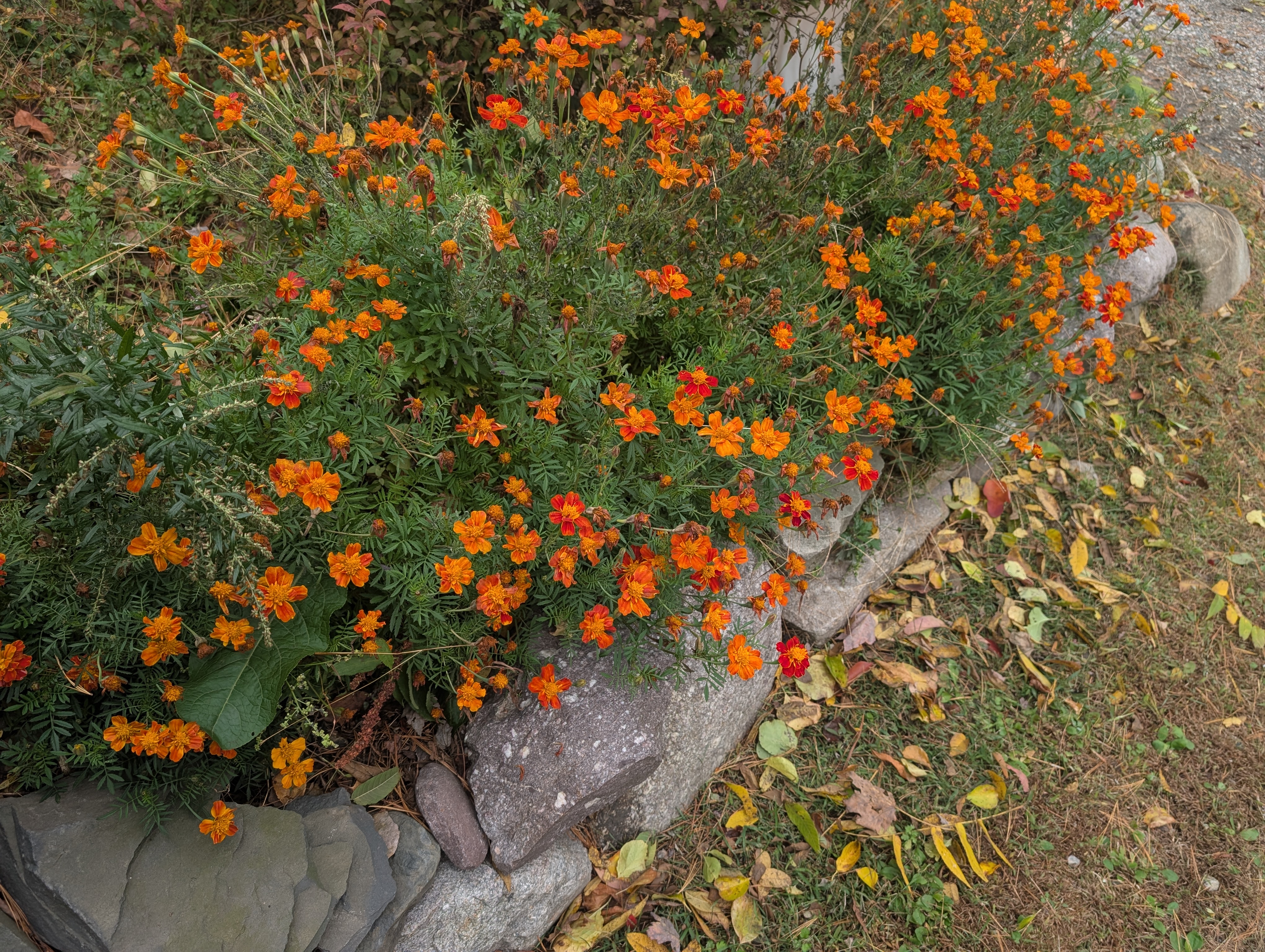
As we transition into October, we are actively engaged in harvesting the final fruits from our summer garden, carefully collecting ripe produce to enjoy throughout the coming months. Simultaneously, we are collecting marigold seeds to sow in spring 2026.
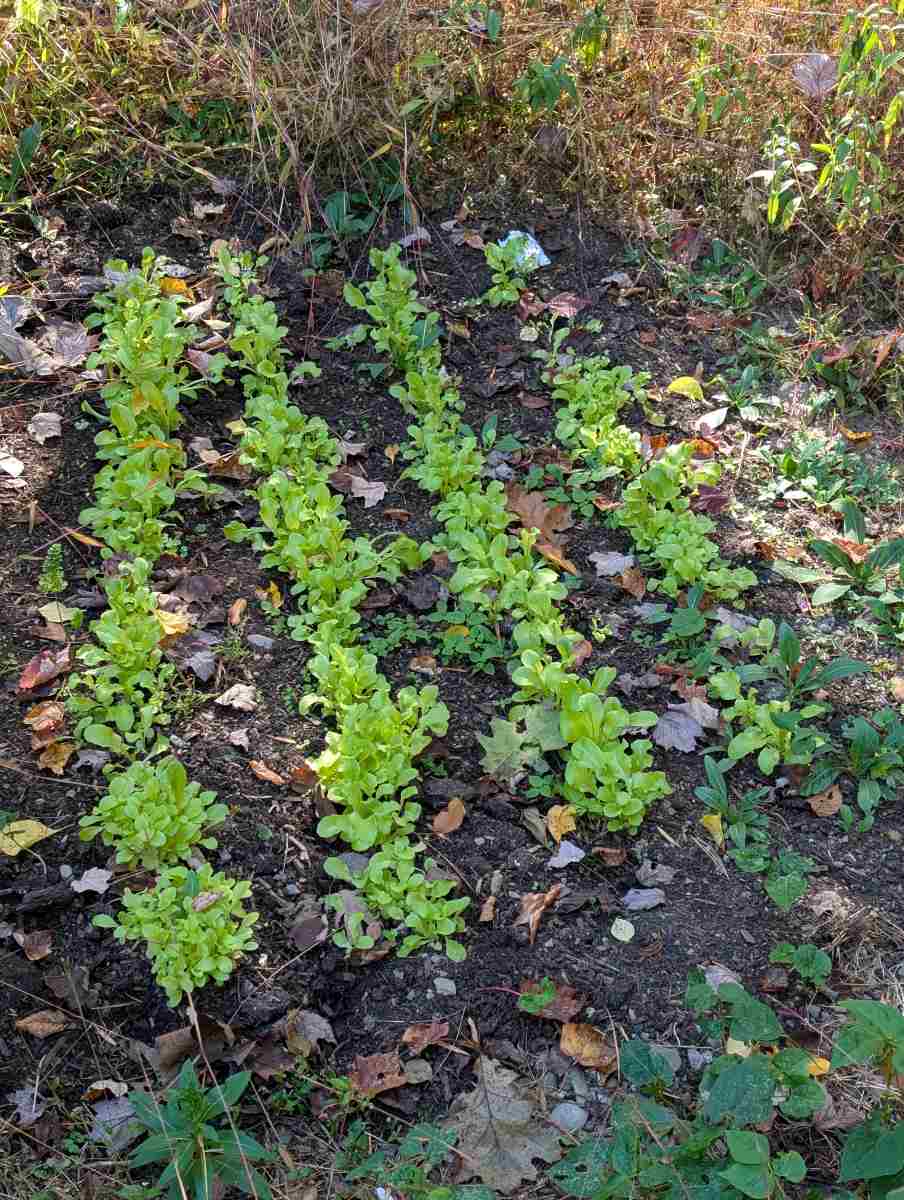
Our autumn garden, where we’ve planted Simpson’s Black Seed Lettuce, is flourishing, and the anticipation of savoring fresh, crisp salads in the coming weeks is truly exciting, a delightful reminder of the abundance that nature provides during this transitional season.