Also, Day of the Broadcast Spreader – Update: April 9-11, 2026 – What’s Growing – Asparagus – Protecting the Garden – Update: Garden Beans Set
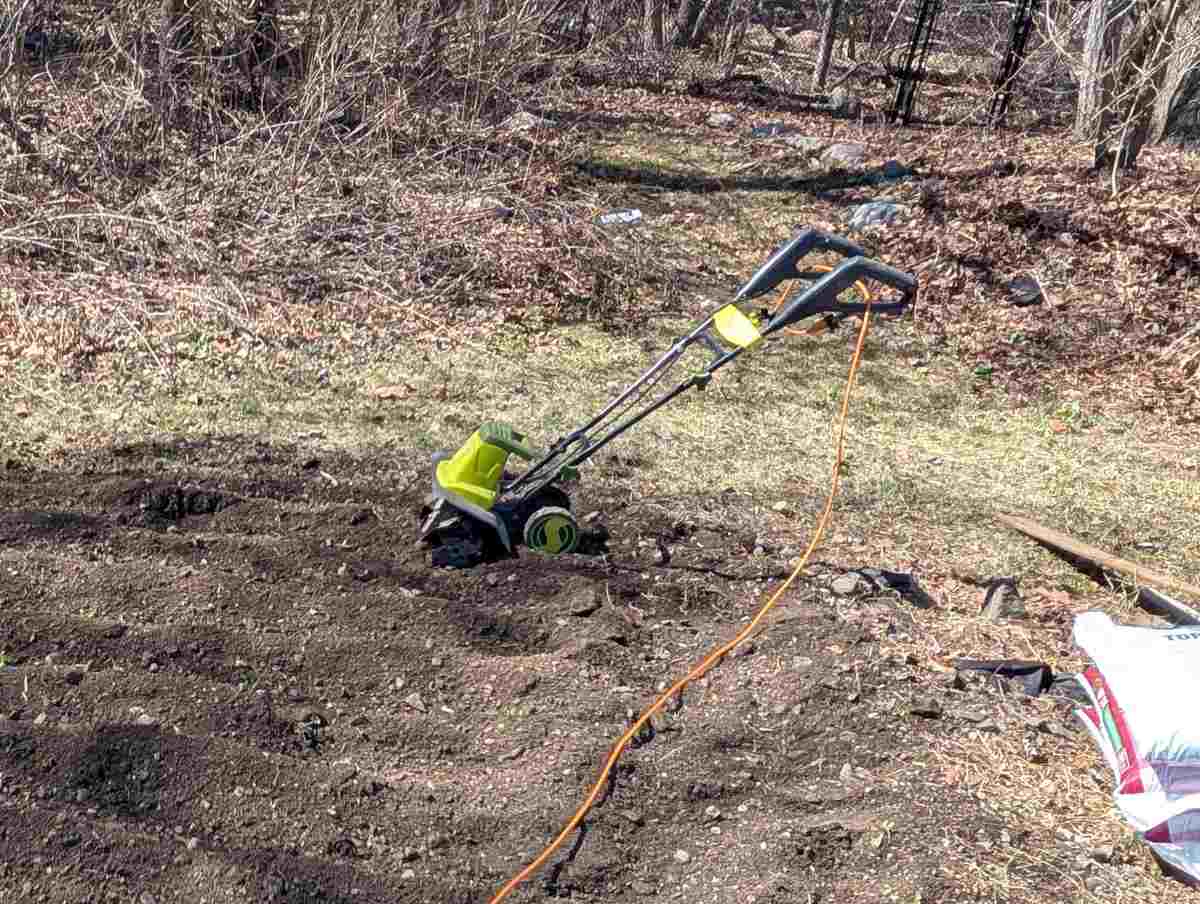
This year marks a significant expansion of our outdoor gardening endeavors. We are enhancing our “weather garden” by considerably enlarging its footprint and enriching the soil with a blend of high-quality topsoil and nutrient-rich cow manure compost. To ensure optimal conditions for planting, we prepared the garden beds using our electric tiller, creating a fine tilth for the upcoming seeding of carrots, radishes, and the hardy Simpson black-seeded lettuce. In addition to these preparations, we also dedicated attention to our root vegetable patch by incorporating desert sand, which we carefully raked into the soil to improve drainage and texture, further optimizing the growing environment for these valuable crops.
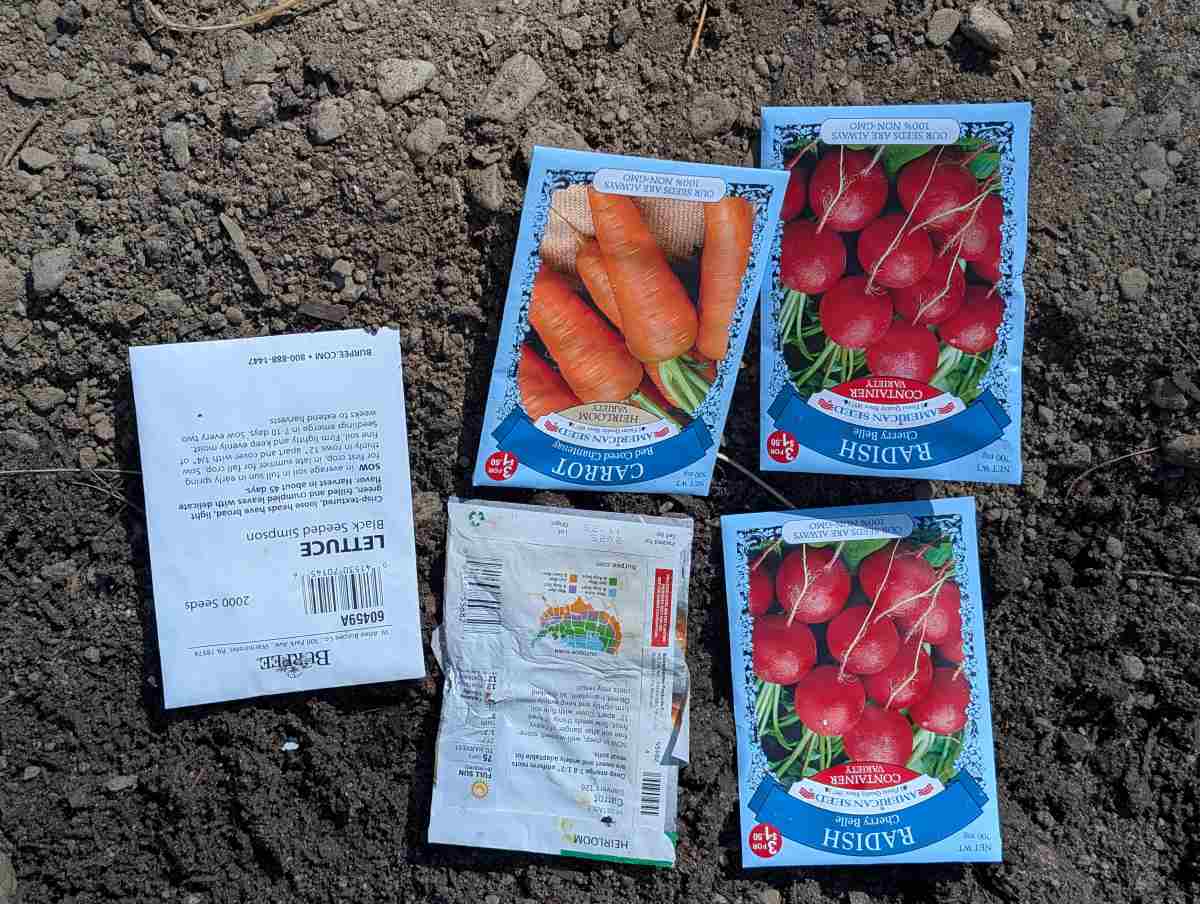
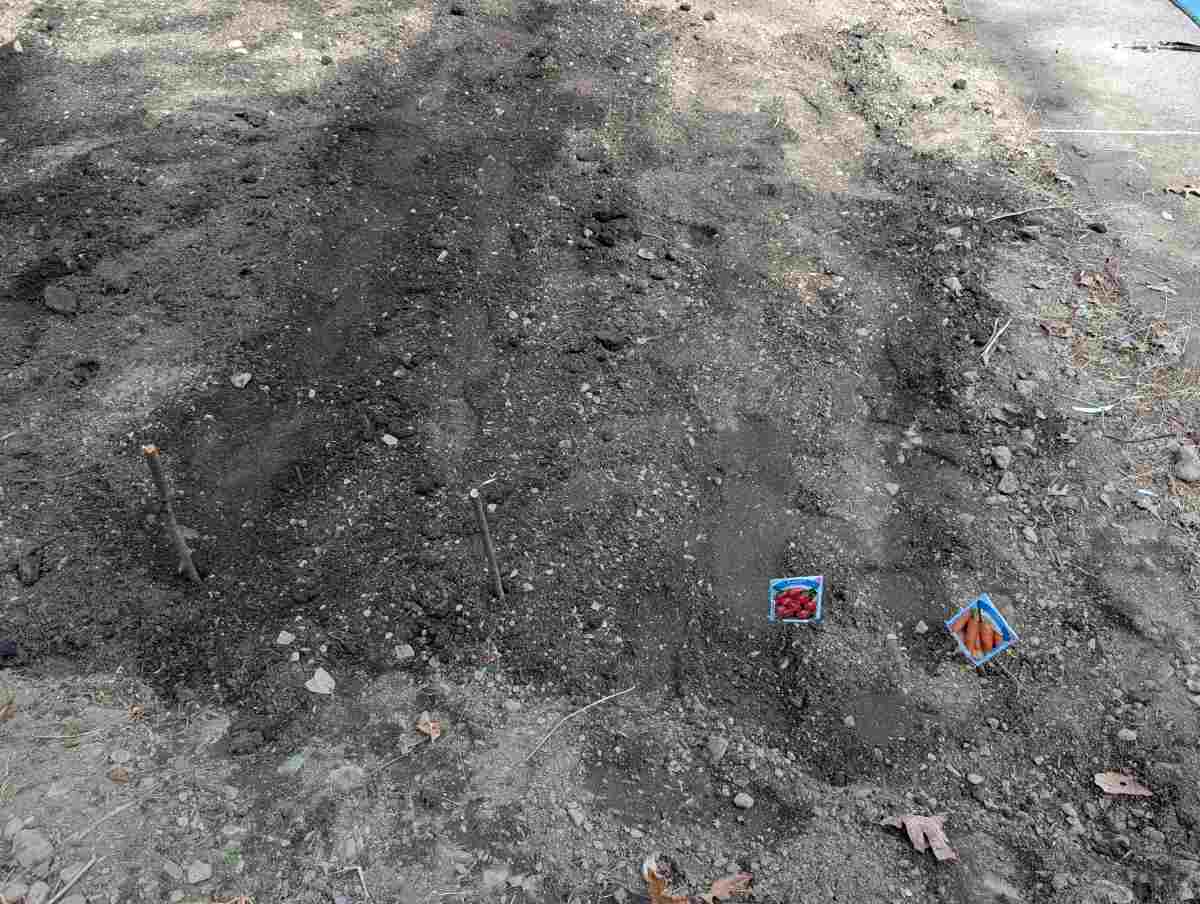
Following the seed planting process, I use a simple yet effective method of row identification: I insert small wooden sticks into the soil alongside the newly sown seeds, often accompanied by the original seed packets for easy reference. My current planting plan anticipates an early harvest, with the nimble radishes and crisp lettuce leaves expected to be ready for consumption within approximately one month. The more patient carrots, on the other hand, are slated to provide their rooty bounty closer to the end of the growing season, fulfilling the promise of a sustained and varied harvest throughout the months to come.
The last frost date for northern New Jersey is expected to be May 1, 2026
The Old Farmer’s Almanac
last frost date in northern New Jersey
Also, Day of the Broadcast Spreader
This April, I’ve dedicated extra hours to lawn care using my broadcast spreader. A key focus has been applying pellet lime to effectively address the lawn’s pH balance and promote the natural release of essential nutrients within the soil. Simultaneously, I’ve been actively engaged in overseeding, a practice aimed at cultivating a denser, more robust, and ultimately, a carpet-like lawn texture. As a strong advocate for a healthy and safe environment, I make a conscious effort to cultivate my lawn using natural and eco-friendly practices. I prioritize the well-being of my family, pets, local wildlife, and the surrounding ecosystem by strictly avoiding the use of synthetic fertilizers, herbicides, and insecticides in my lawn care routine.
“I prioritize the well-being of my family, pets, local wildlife, and the surrounding ecosystem by strictly avoiding the use of synthetic fertilizers, herbicides, and insecticides in my lawn care routine.”
rt23 staff
Update: April 9-11, 2026
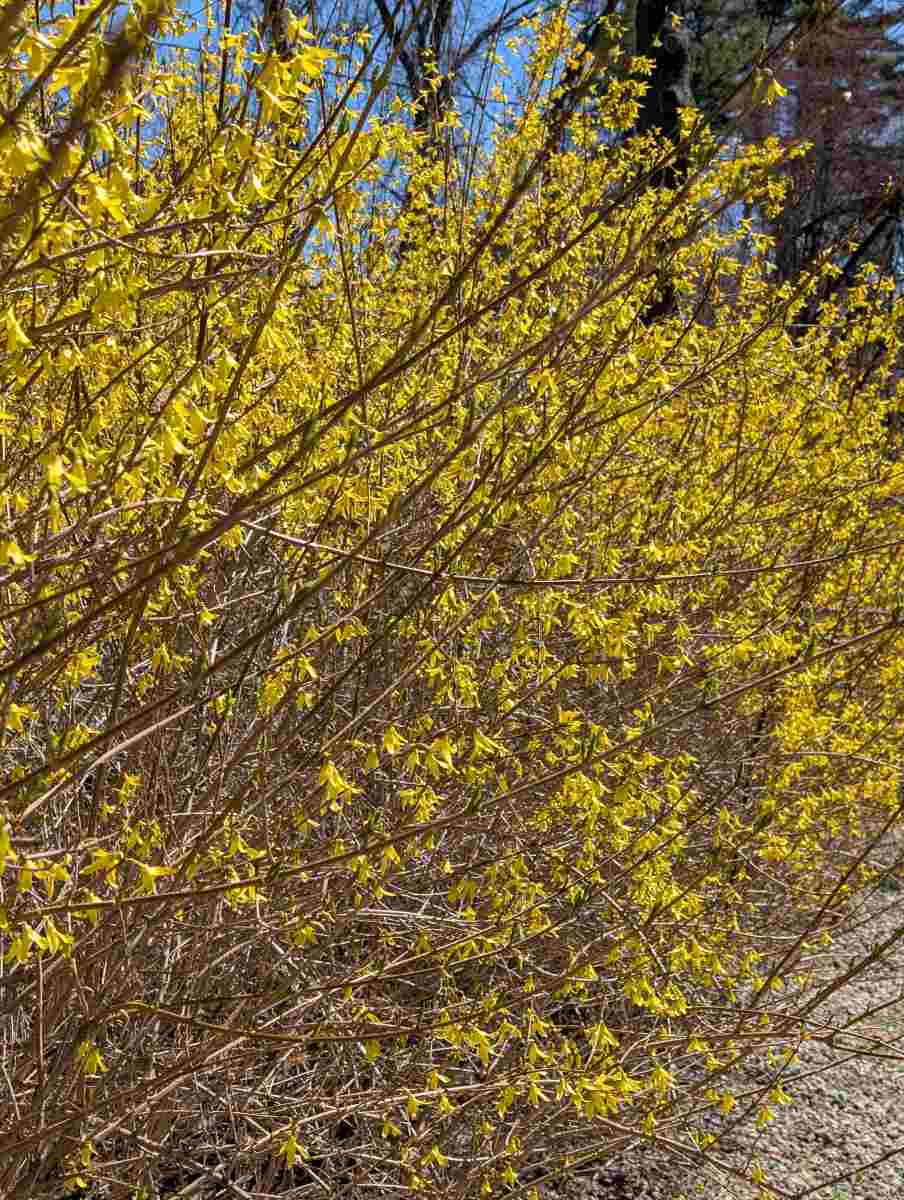
Although we’ve experienced some unexpectedly warm weather recently, which might give the false impression that summer is just around the corner, the recent shift in the climate has been quite noticeable, and unfortunately, we were met with a frosty morning after a cold night.
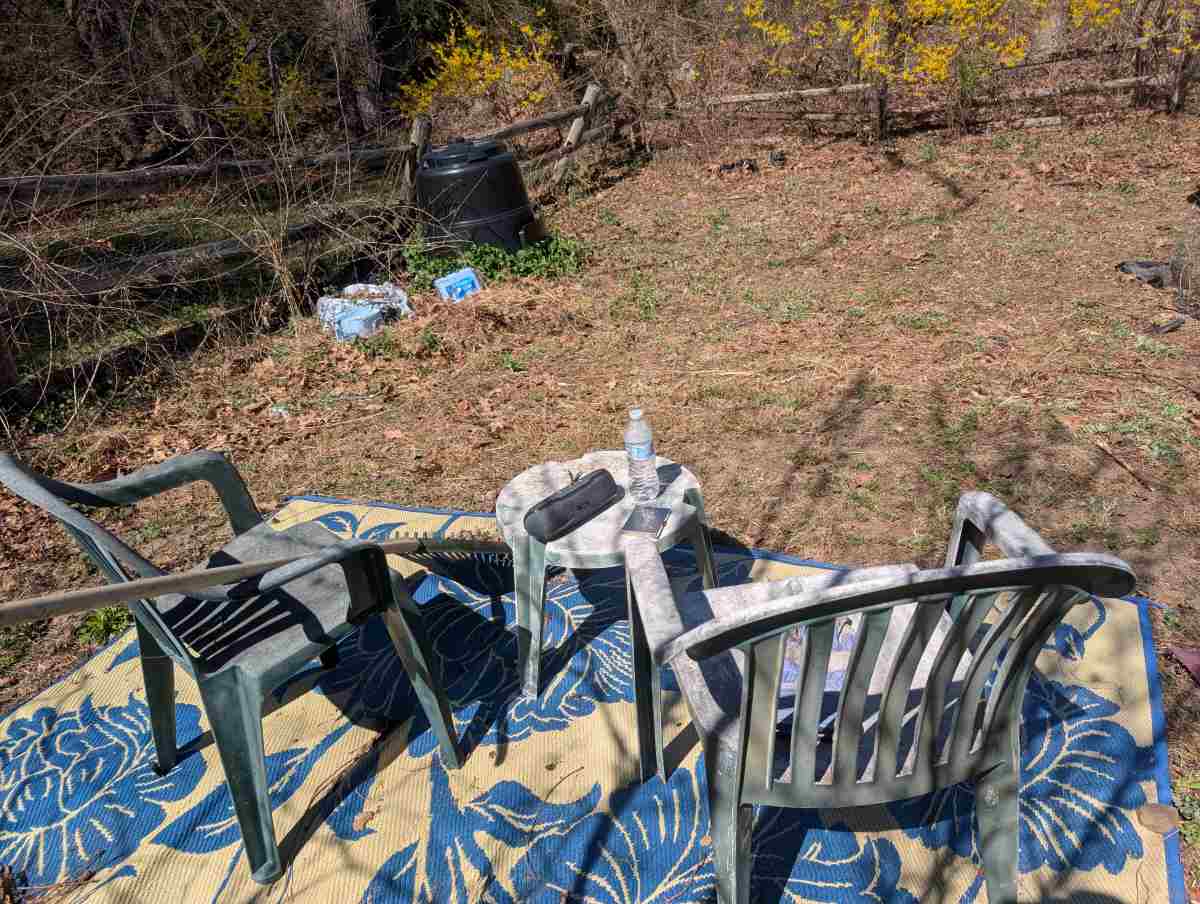
The old, slightly worn carpet, placed over my garden bed back in the fall, has become an unexpected haven – a perfect spot for taking a much-needed break and for planning the transformation of the new garden in “Maggie’s Farm.” With springtime in full bloom, I started the preparations by thoroughly clean the area, carefully removing and collecting all the accumulated debris to clear the space for the new season.
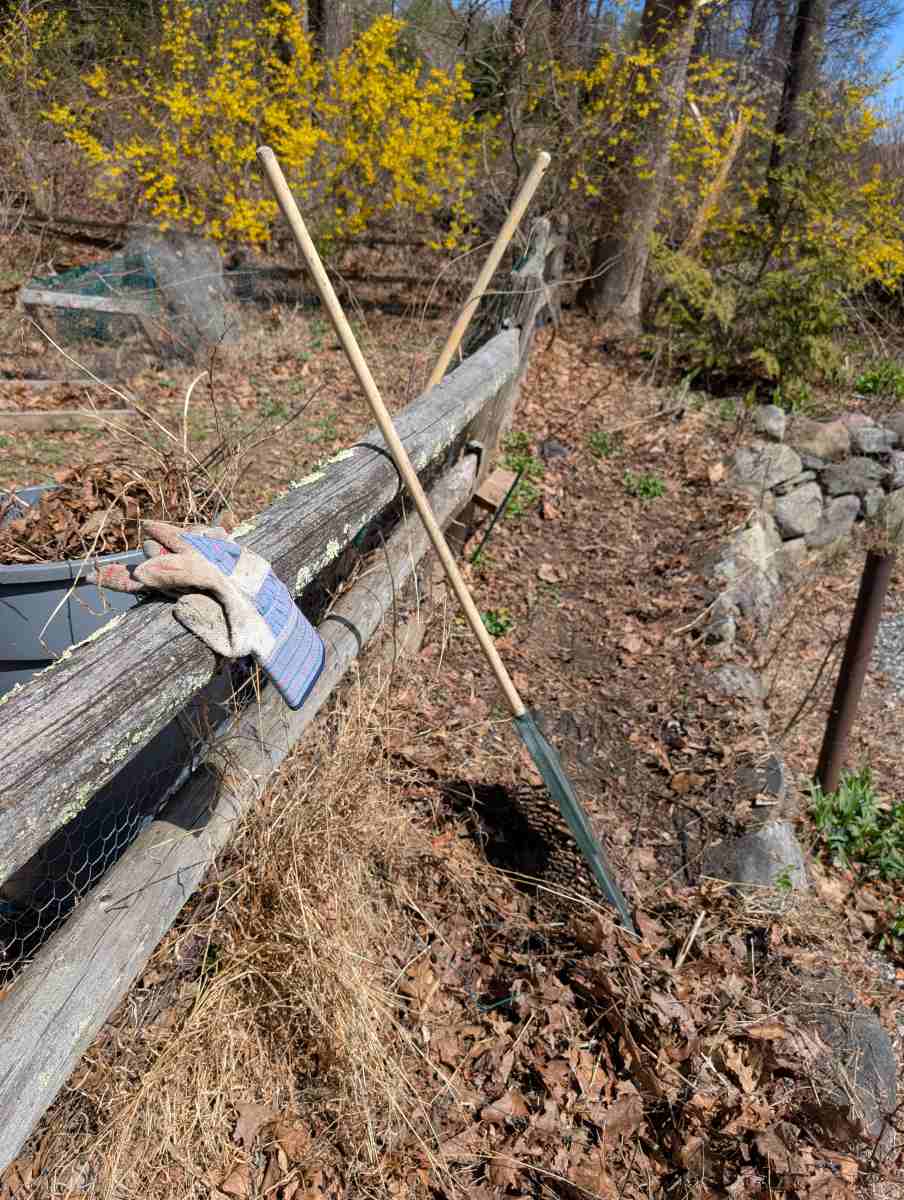
We are preparing a designated strip of land situated adjacent to the retaining wall, with the objective of establishing a pumpkin patch for the upcoming season. This preparatory work involves a focused clean-up operation, concentrating on the efficient removal of accumulated debris, including fallen leaves, twigs, and other organic matter, as well as addressing the proliferation of weeds that are currently encroaching from the neighboring areas, particularly those growing through the existing fence line.
I am planning to till this before planting pumpkin seed.
What’s Growing
Indoors: Our indoor starting trays are not growing as planned. The temperature in my basement is only 65° F, so I tried raising the temperature to 70° F. So far the cherry tomato seeds have been most productive. I dont have as many beefsteak tomatoes as I would like so I planted another tray. THe eggplant sprouted but then fizzled out so I will be planting another tray as well as some additional; beefsteak tomato and mexican sunflowers. I put thr sunflowers in a warmer, sunier spot and they quickly germanated, I alsoput the eggplant tray there too and will wait for the mageic to happen!Q
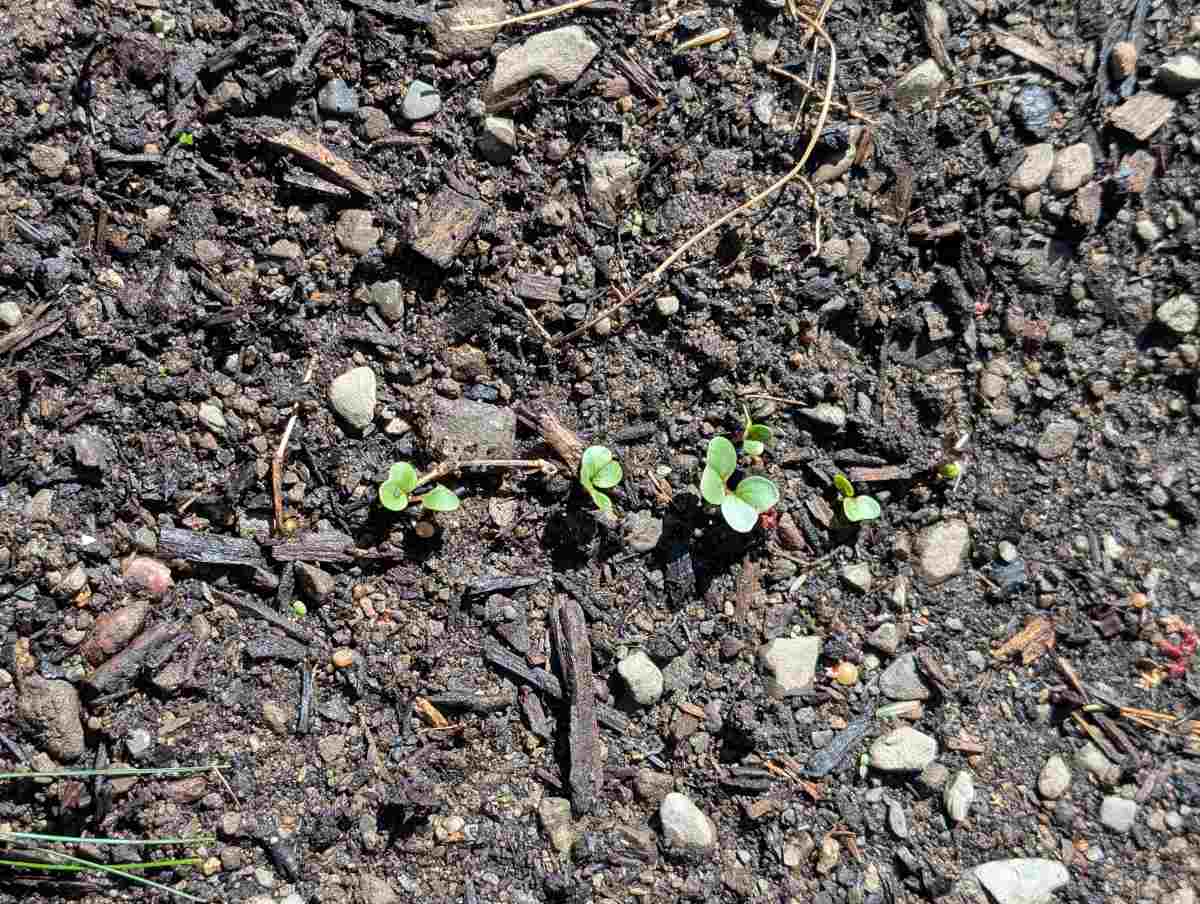
Outdoors: Our outdoor garden survived several nights of frost and our radishes and lettuce has germinated and green leaves are visible.
Asparagus
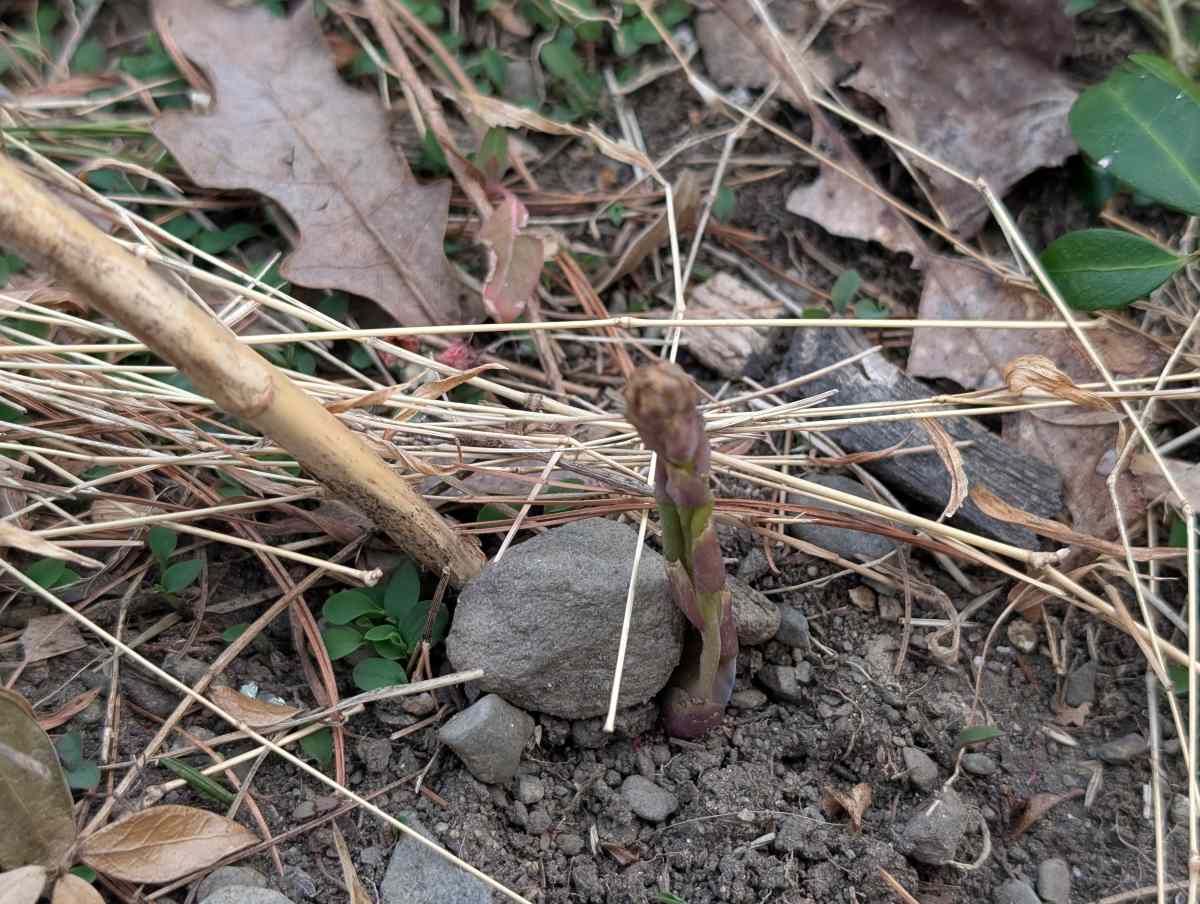
Approximately fifteen years ago, I planted asparagus, and initially, the results were quite inconsistent, with only a scattering of spears appearing over time. My early attempts at harvesting were unsuccessful because I hadn’t realized the importance of looking for the tender shoots in the early spring months. Instead, I focused on observing the plant’s growth throughout the summer, noting the development of the tall, leafy fronds. After carefully observing the location where the asparagus plants were producing spears, I was able to pinpoint the area and, as a result, enjoyed my first successful asparagus harvest the following year.
While my current asparagus patch yields a modest harvest of spears, I believe that significantly better results could be achieved with increased care and attention to the bed. Asparagus plants are known to flourish in well-maintained conditions, specifically in soil that is free from the challenges of weeds and rocks. Unfortunately, my North Jersey garden soil presents these very obstacles, making the task of cultivation somewhat challenging. Nevertheless, even with the presence of overgrown weeds and the rocky nature of the soil, I am still able to manage a small, though welcome, annual asparagus harvest.
This year, I embarked on a new gardening adventure by planting fresh asparagus roots, carefully preparing the soil to ensure their successful establishment. First, I thoroughly soaked the roots in water to hydrate them before gently laying them into a meticulously dug 5-inch deep trench. After placement, I covered them with fertile soil, providing the necessary foundation for their growth. To ensure easy identification of the rows as they develop, I strategically used iris plants as natural markers. Now, with anticipation, I await the passage of a year, knowing that a modest, yet rewarding, asparagus harvest will be the result of this patient endeavor.
Protecting the Garden
Many types of wildlife, including rodents, various insects, birds, and other creatures, are naturally drawn to the delicious vegetables that our garden provides. While it’s certainly appealing to think of sharing our hard-earned produce, it’s also important to protect our crops. Fortunately, effective and relatively simple pest management techniques can help maintain a thriving garden while minimizing unwanted visitors and their potential damage to our plants and harvests.
“effective and relatively simple pest management techniques can help maintain a thriving garden while minimizing unwanted visitors and their potential damage to our plants and harvests.”
rt23 staff
To effectively protect your garden from unwanted visitors like groundhogs, rabbits, and deer, consider a natural deterrent like using cayenne pepper. Begin this preventative measure early, ideally even before you plant anything, to gradually train the local animals to steer clear of your cultivated area. A simple yet effective technique involves sprinkling cayenne pepper liberally along the perimeter of your garden borders.
Update: Garden Beans Set
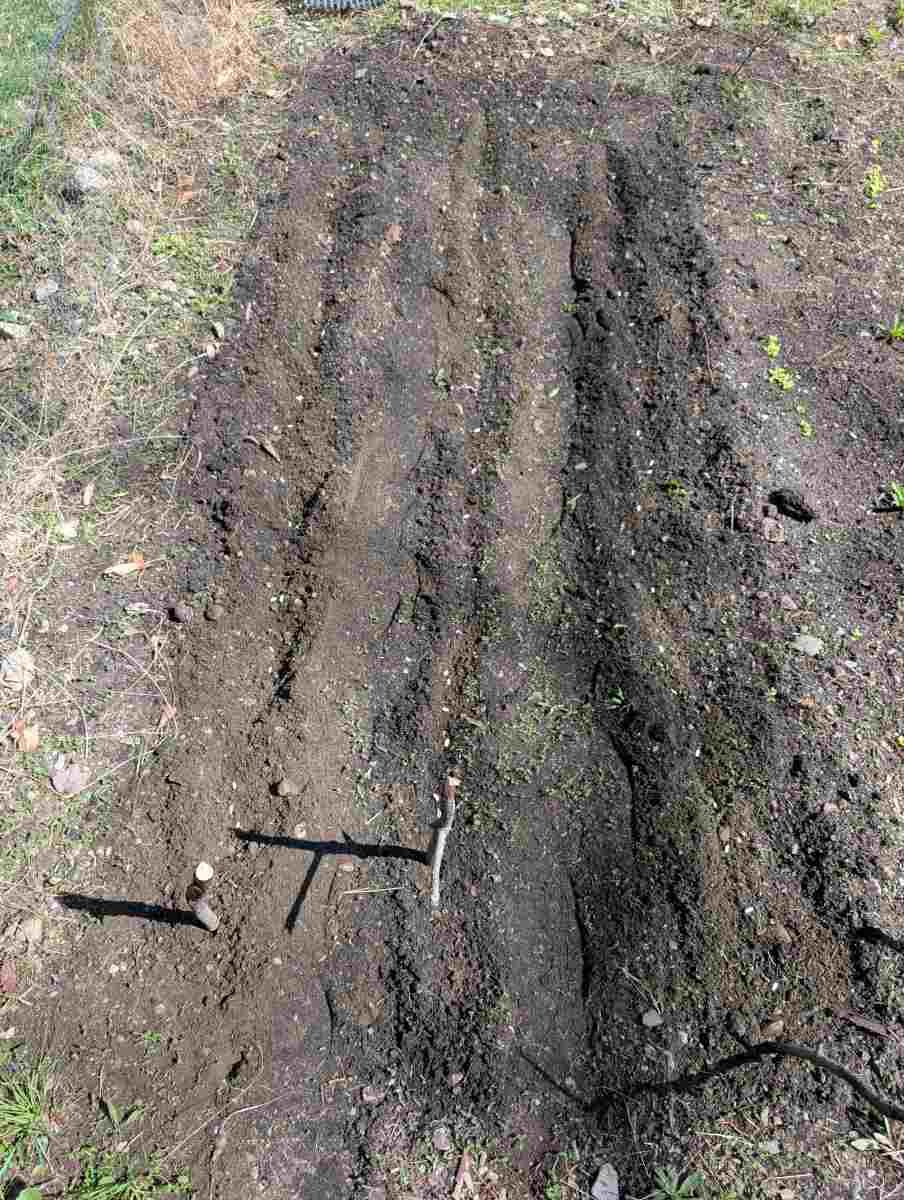
April 23, 2026 The “weather garden” featuring our lettuce and radishes is thriving, showing promising signs of growth. We recently dedicated the remaining portion of our garden space to cultivate three rows of bush garden beans, preparing the soil meticulously by raking it thoroughly. Our plan is to grow bush beans in this newly prepared area, while pole beans will be strategically planted along the fence line and within the area of our bird shrine.